







Tractor Tire Size Guide: Read Sizes, Find Replacements & Compare Brands
Tractor tire sizing, 3-point hitch attachments, loader buckets, and quick hitch systems. Find the right tire, wheel, and implement connection parts.
Introduction to Tractor Tires: A Comprehensive Guide
Tractor tires are a critical component of any farm operation. Selecting the correct tire size and type directly impacts traction, fuel efficiency, soil compaction overall productivity. This tractor tire size guide will equip you with the knowledge to understand tire markings, find suitable replacements make informed decisions for your equipment. Whether you own a compact Kubota tractor, a powerful John Deere, or any other brand like Case IH, Ford, New Holland, Massey Ferguson, Allis Chalmers, Deutz, International Harvester, Oliver, White, Gleaner, Vermeer, Hesston, Mahindra, or Zetor, understanding tire sizes is essential. Remember that worn or damaged tires can significantly reduce performance and create safety hazards. Madison Tractor Company is your trusted source for replacement tires, tractor tire tubes related parts.
Recommended Parts for This Guide
10 parts we recommend — in stock, ships fast, one-click add to cart.

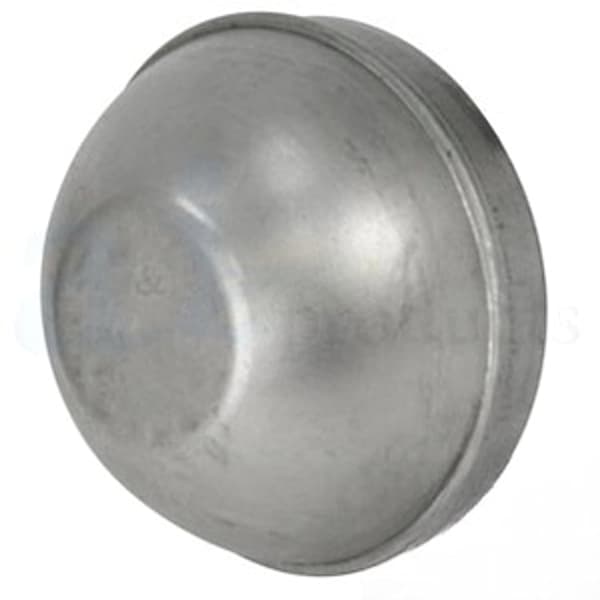
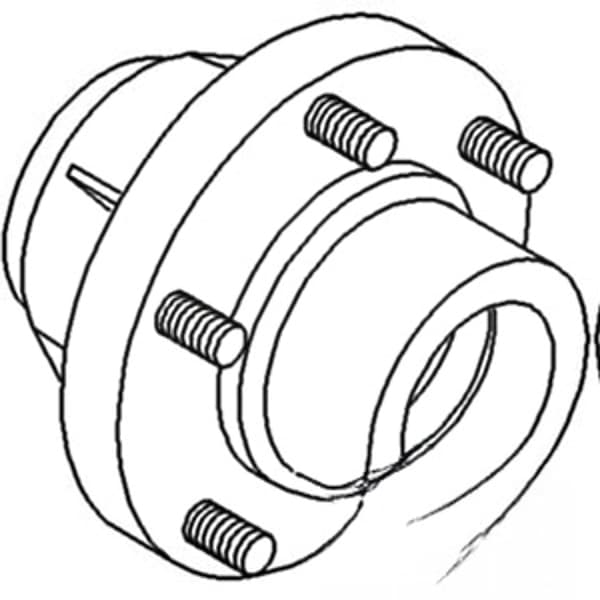
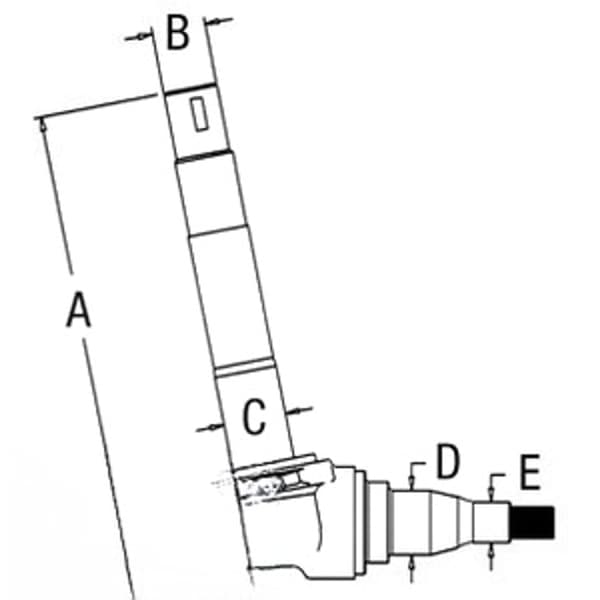
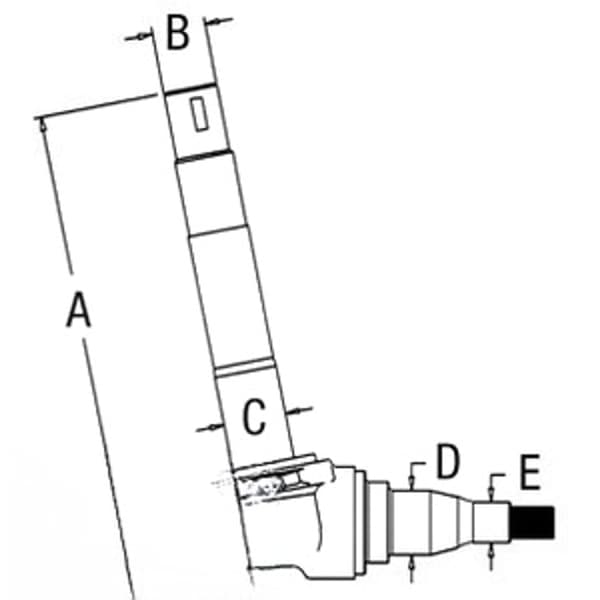
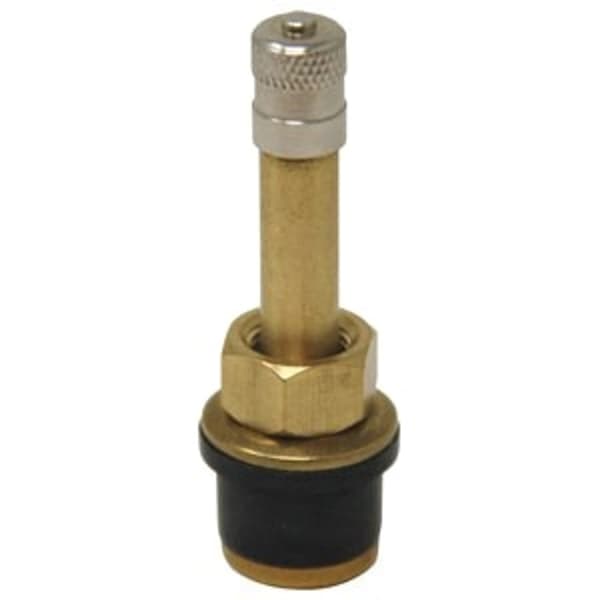
🔍 Looking for a specific part? Try our AI Part Finder — tell it your equipment and what you need, and it will find matching parts instantly.
Understanding Tractor Tire Size Markings
Decoding tractor tire sizes can seem daunting, but once you understand the components, it becomes straightforward. Let's break down the common sizing systems.
Section Width - Aspect Ratio - Rim Diameter (e.g., 18.4-38)
This is a traditional sizing system commonly found on older tractors. For example, in the size 18.4-38
- 18.4: Represents the tire's section width in inches. This is the width of the tire at its widest point when properly inflated.
- -: The hyphen separates the section width from the rim diameter.
- 38: Indicates the rim diameter in inches. This is the diameter of the wheel the tire is designed to fit.
This notation doesn't explicitly state the aspect ratio (the ratio of the tire's section height to its section width). A missing aspect ratio generally implies a high aspect ratio (close to 100%), meaning the tire's sidewall height is approximately equal to its section width.
Section Width/Aspect Ratio R Rim Diameter (e.g., 480/80R38)
This is a more modern and precise sizing system, providing more information. Using the example 480/80R38
- 480: Represents the tire's section width in millimeters.
- 80: Indicates the aspect ratio, expressed as a percentage. In this case, the tire's section height is 80% of its section width.
- R: Denotes that the tire has a radial construction.
- 38: Represents the rim diameter in inches.
Bias-ply vs. Radial Tires Bias-ply tires have a crisscross layered construction, while radial tires have cords running radially from bead to bead with stabilizing belts. Radial tires typically offer better traction, ride comfort fuel efficiency.
Numeric Size Designation (e.g., 8-16)
Primarily used for smaller tires, especially front tires or those on compact tractors. In the example 8-16
- 8: Indicates the approximate section width in inches.
- -: Separates the section width from the rim diameter.
- 16: Represents the rim diameter in inches.
For further details, see our article on tractor tire sizes explained, which covers this in much greater detail.
Finding the Right Replacement Tractor Tires
When replacing tractor tires, several factors come into play
1. Consult Your Tractor's Manual
Your tractor's owner's manual is the best resource for determining the original tire sizes specified by the manufacturer. This ensures proper fitment and maintains the tractor's intended performance characteristics. The manual will often list both front and rear tire sizes and may also suggest alternatives for specific applications.
2. Verify Wheel Compatibility
Ensure the replacement tire's rim diameter matches the diameter of your tractor's wheels. Using an incompatible rim diameter is extremely dangerous and can lead to tire failure or accidents. Consider the wheel width too. The tire manufacturer's specifications will indicate the acceptable range of rim widths for a given tire size.
3. Consider Load Capacity and Ply Rating
Tractor tires have a load capacity rating that indicates the maximum weight they can safely carry at a specific inflation pressure. Choose tires with a load capacity that meets or exceeds the requirements of your tractor and the implements you use. Ply rating (or load range) indicates the tire's strength and load-carrying capacity. Higher ply ratings generally mean a stronger tire.
4. Tire Type and Tread Pattern
The tread pattern of a tractor tire greatly affects its performance in different conditions. Common tread patterns
- R-1 (Ag) Designed for maximum traction in soil. These tires have deep, angled lugs for aggressive grip. R1 tires are ideal for plowing, tilling other field work.
- R-4 (Industrial) Suitable for hard surfaces and general-purpose use. These tires have a less aggressive tread pattern than R-1 tires, providing good traction on both soil and pavement. See our article about R4 tires for more.
- R-3 (Turf) Designed to minimize soil compaction and damage to turf. These tires have a shallow, wide tread pattern.
- F-2 (Front Tractor) Commonly used on the front of two-wheel-drive tractors. These tires have ribs that provide steering control. More info can be found in our article on tractor front tires.
5. Maintaining Proper Inflation Pressure
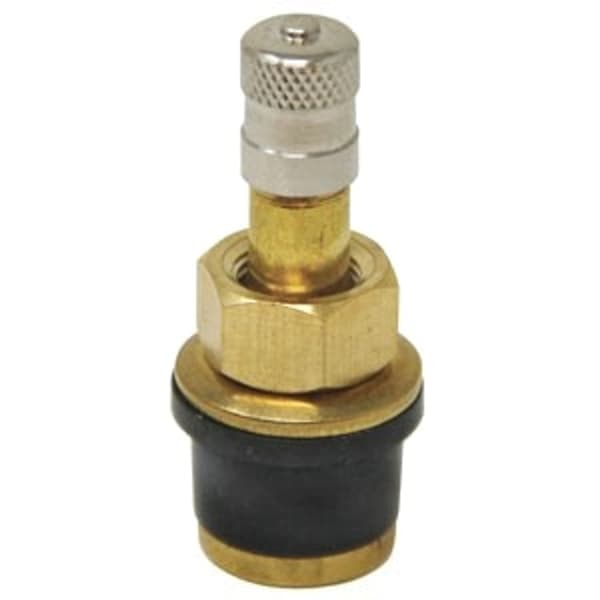
Always inflate your tractor tires to the recommended pressure specified in your owner's manual or on the tire sidewall. Proper inflation pressure is crucial for optimal traction, load-carrying capacity tire life. Regularly check and adjust tire pressure, especially when operating in different conditions or with varying loads. Consider using a calibrated tire pressure gauge for accurate measurements. Improper inflation leads to uneven wear and premature failure. Ensuring your tire valve stems are in good condition is also vital for leak prevention.
Comparing Tractor Tire Brands
Numerous brands offer tractor tires, each with its strengths and weaknesses. Here's a brief comparison of some popular options
- Firestone Known for their durable construction and long-lasting performance. Firestone offers a wide range of tires for various tractor sizes and applications.
- Goodyear Another reputable brand with a long history in the agricultural tire industry. Goodyear tires are known for their quality and reliability.
- Michelin Renowned for their advanced tire technology and superior performance. Michelin tractor tires often feature innovative tread patterns and construction techniques that enhance traction and fuel efficiency.
- Titan Offers a comprehensive range of tractor tires at competitive prices. Titan tires are a popular choice for farmers looking for a balance of performance and value.
- BKT Known for offering high-quality tires at a competitive price point. A strong choice for those looking to save without sacrificing reliability.
Specific Tractor Models and Tire Recommendations
Let's consider some specific tractor models and common tire sizes
- John Deere 4020 A popular vintage tractor often uses 18.4-34 rear tires and 7.50-16 front tires. If you need replacement parts for your 4020, consider checking your John Deere 4020 tractor parts. Common repairs include radiator replacement (check OEM part numbers like or ), water pump replacement starter replacement.
- Kubota L3901 A common compact tractor often uses 11.2-24 rear tires and 7-12 front tires. Compact tractor owners should see our article on compact tractor tires.
- Case IH Farmall 806 A classic tractor that typically utilizes 18.4-34 rear tires and 7.50-16 front tires. Keep your Farmall running smoothly with Case IH tractor parts.
- Ford 8N A very popular vintage tractor commonly found with 11.2-28 rear tires and 4.00-19 front tires. Be sure to check Ford tractor parts at Madison Tractor for any needed repairs.
- Massey Ferguson 135 Another very common model, often using 12.4-28 rear tires and 6.00-16 front tires.
tractor tire ballast: Enhancing Traction
Adding ballast to your tractor tires can significantly improve traction, especially when pulling heavy implements. Ballast increases the weight of the tractor, allowing the tires to grip the ground more effectively. Common ballast methods
- Liquid Ballast Filling tires with liquid, such as water, calcium chloride solution, or beet juice, is a common way to add weight. See our article on tractor tire ballast for more details on this.
- Wheel Weights Adding cast iron weights to the wheels is another effective way to increase weight. These weights are typically bolted directly to the wheel. See our article on tractor wheel weights for more.
Safety Warning When using liquid ballast, be aware of the added weight and its impact on the tractor's handling. Consult your tractor's manual for recommended ballast levels and safety precautions. Overfilling tires with liquid ballast can damage the tires and reduce their lifespan.
tractor tire chains: Maximizing Grip in Snow and Ice
When operating a tractor in snowy or icy conditions, tractor tire chains can provide essential traction. Tire chains wrap around the tires, providing a biting edge that grips the ice and snow. Choosing the correct chain size and type is crucial for safety and performance. Consult our tractor tire chains guide to learn more.
Common Tractor Tire Problems and Solutions
Several problems can affect tractor tire performance and lifespan. Here are some common issues and potential solutions
- Punctures Punctures are a common problem, especially when operating in fields with debris. Repair punctures promptly with a tire repair kit or by patching the tire. Consider using tractor tire tubes as a preventative measure, especially for older or more vulnerable tires.
- Sidewall Damage Sidewall damage can occur from impacts with rocks or other objects. If the damage is severe, the tire may need to be replaced.
- Uneven Wear Uneven wear can be caused by improper inflation pressure, misalignment, or worn suspension components. Check tire pressure regularly and address any mechanical issues promptly.
- Weather Cracking Exposure to sunlight and ozone can cause the tire rubber to crack over time. Store tires in a shaded area when not in use to minimize weather cracking.
Routine Tractor Maintenance
Regular maintenance extends the life of your tires and keeps your equipment running smoothly. For example, a well-maintained cooling system prevents overheating, protecting the tires and other vital parts. Madison Tractor Company carries a wide variety of maintenance parts, including radiators, water pumps, filtersbelts. Proper lubrication is also vital. Regularly check and change fluids such as engine oil, hydraulic fluid transmission fluid, using the correct type and viscosity recommended by the manufacturer. These fluids lubricate moving parts, prevent wear maintain optimal performance. Replace filters regularly to prevent contaminants from circulating through the system. A well-maintained machine improves operating performance extends the life of tractor components such as the engine, transmission, PTO hydraulics. Some of the most common components in need of repair are: radiators, water pumps, starters, alternators, hydraulic pumps, cylinders, clutch kits, PTO parts, fuel pumps, carburetors, injectors, gaskets, pistons, wheel bearings, seals, spindles, front wheel hubs (don't forget the matching hub cap!), beltschains.
Conclusion
Choosing the correct tractor tires is a significant investment in your farm's productivity and safety. By understanding tire size markings, considering your tractor's specific needs following proper maintenance practices, you can ensure optimal performance and longevity. Whether you need John Deere parts, Kubota parts, or parts for any other major brand, Madison Tractor Company is here to help. We offer a wide selection of tires, tractor tire tubes, wheels related parts to keep your equipment running smoothly.
Ready to find the perfect tractor tires and parts? Browse our extensive online catalog at Madison Tractor Company today! You can also use our AI-Powered Part Finder to search for parts by your specific make and model.
In This Guide
Shop Related Parts
Browse All PartsRelated Articles
Tractor Tire Sizes Explained: How to Read the Numbers
Understanding tractor tire sizes is crucial for optimal performance and safety. This guide breaks down tire codes, aspect ratios, and common types, helping you choose the right tires for your farm equipment.
Read ArticleCompact Tractor Tires: Best Options for Kubota, JD & More
Choosing the right compact tractor tires is crucial for performance and safety. This guide helps you navigate the options, including R1, R4, and turf tires, for brands like Kubota, John Deere, and more, ensuring optimal traction and longevity.
Read ArticleTractor Tire Chains: Sizing, Installation & Best Types
Maximize your tractor's traction in snow and ice with the right tire chains. This guide covers how to select the correct size, install them safely, and choose the best type for your needs. Ensure optimal performance and safety on your farm.
Read ArticleTractor Front Tire: Tri-Rib, R1 & Turf Options
Selecting the right front tire for your tractor is crucial for optimal performance and safety. This guide explores tri-rib, R1 agricultural, and turf tire options, helping you choose the best fit for your needs. Understand the pros and cons of each type to maximize your tractor's capabilities.
Read ArticleTractor Rear Tire: R1 Ag, R4 Industrial & Radial Options
Choosing the right tractor rear tire is crucial for performance and safety. This guide explains the differences between R1 agricultural, R4 industrial, and radial tires, helping you select the best option for your needs.
Read ArticleTractor Tire Inner Tube: Sizes & Valve Stem Types
Learn about tractor tire inner tube sizes, valve stem types, and how to choose the right tube for your agricultural tires. This guide covers everything from identifying your tube size to proper installation.
Read ArticleTractor Tire Ballast: Water, Calcium & Beet Juice Fill
Maximize your tractor's performance with proper tire ballast. This guide covers water, calcium chloride, and beet juice options, helping you choose the best solution for your needs and budget. Learn how to safely and effectively add ballast for improved traction and stability.
Read ArticleTractor Wheel Weights: Suitcase, Wheel & Front Weights
Tractor wheel weights are essential for improving traction, stability, and safety, especially when using heavy implements. Learn about the different types of weights and how to install them properly.
Read ArticleTractor Rim: Bolt Pattern, Offset & Size Chart
Choosing the right tractor rim is critical for proper tire fitment and safe operation. This guide covers everything you need to know, including bolt patterns, offset, and sizing charts, ensuring you select the correct rim for your tractor.
Read Article3-Point Hitch Attachments: Complete Guide for Tractors
Maximize your tractor's versatility with the right 3-point hitch attachments. This guide covers everything from selecting the right attachments to understanding hitch categories, offering practical advice for farmers and ranchers.
Read ArticleTractor Quick Hitch: Cat 1, Cat 2 & Pat's Easy Change
Tired of struggling to hook up implements to your tractor? A tractor quick hitch can save you time and frustration. This guide covers everything you need to know, from Category 1 and 2 hitches to Pat's Easy Change systems, helping you choose the right one for your farm.
Read ArticleTractor Top Link: Cat 1 & Cat 2 Sizing & Types
The tractor top link is a crucial part of your 3-point hitch system. This guide explains top link sizing, categories, and types, helping you select the right one for optimal implement performance on your John Deere, Kubota, or other tractor.
Read ArticleTractor Drawbar: Swinging & Fixed Drawbar Parts
Understanding your tractor drawbar is crucial for safe and efficient implement operation. This guide covers different drawbar types, maintenance best practices, and essential parts for brands like John Deere, Case IH, and Kubota.
Read Article3-Point Hitch Pins: Lower Link Pins & Stabilizer
Properly sized and maintained 3-point hitch pins are crucial for safe and efficient implement operation. This guide covers everything you need to know about lower link pins and stabilizers, ensuring secure attachment and optimal performance.
Read ArticleTractor Loader Bucket: Size Options & Bolt-On Teeth
Choosing the right tractor loader bucket is crucial for efficient work. This guide covers sizing considerations, bolt-on teeth options, and maintenance tips to help you maximize your tractor's performance.
Read ArticleTractor Bucket Cutting Edge: Bolt-On Steel & Rubber
Choosing the right tractor bucket cutting edge is crucial for efficiency and protecting your work surfaces. Learn the differences between steel and rubber edges, plus maintenance tips, from the experts at Madison Tractor.
Read ArticleSkid Steer Quick Attach Plate: Universal Mount Adapter
A skid steer quick attach plate can dramatically expand the capabilities of your tractor. This guide explains how these universal mounting adapters work, how to choose the right one, and how to install it safely.
Read ArticleTractor Front End Loader: Compatibility & Installation
Adding a tractor front end loader is a game-changer for many farmers and ranchers. This guide covers everything from compatibility to installation, helping you choose the right loader and install it safely and effectively. We'll also discuss essential hydraulic considerations.
Read ArticleTractor Box Blade: Sizing & 3-Point Hitch Requirements
Selecting the right tractor box blade is crucial for efficient grading, leveling, and backfilling. This guide from Madison Tractor Company covers sizing, 3-point hitch compatibility, and important considerations for various tractor models.
Read ArticleTractor Post Hole Digger: PTO Auger Sizing
Selecting the right PTO auger size for your tractor post hole digger is crucial for efficient and safe operation. This guide helps you match auger size to tractor horsepower and soil conditions. We'll cover everything you need to know, from PTO horsepower to auger diameter and depth.
Read ArticleTractor Rotary Cutter (Bush Hog): Blades & Gearbox Parts
Keep your tractor rotary cutter in top condition with this guide to blade types, gearbox maintenance, and essential parts. Learn how to diagnose problems and find the right replacement parts for your John Deere, Kubota, or other major brand mower.
Read ArticleBush Hog Blade Replacement: Rotary Cutter Knives
Replacing your bush hog blades, or rotary cutter knives, is crucial for maintaining efficient cutting and preventing damage. This guide covers everything you need to know about selecting the right blades, safely removing old ones, and installing new ones.
Read ArticleBush Hog Gearbox: Rotary Cutter Gearbox Replacement
A failing bush hog gearbox can halt your mowing operations. This guide provides step-by-step instructions for replacing your rotary cutter gearbox, ensuring you get back to work quickly and safely.
Read ArticleTractor Rear Blade: Grading & Snow Blade Attachments
Tractor rear blades are versatile implements for grading, snow removal, and landscaping. This guide helps you choose the right rear blade for your needs and tractor.
Read ArticleTractor Pallet Forks: Loader & 3-Point Mount Options
Tractor pallet forks are essential for moving materials around your farm or jobsite. This guide covers loader and 3-point hitch options, helping you choose the right forks for your tractor and tasks, with considerations for safety and compatibility.
Read ArticleTractor Grapple: Root Rake & Log Grapple Attachments
Tractor grapples are versatile attachments for moving logs, brush, rocks, and more. Learn about root rakes and log grapples, choosing the right size, and matching them to your tractor.
Read ArticleTractor Tire Pressure Chart: PSI by Size & Load
Maintaining the correct tractor tire pressure is crucial for maximizing performance, fuel efficiency, and tire lifespan. This guide provides a comprehensive tractor tire pressure chart and expert advice to help you optimize your tire settings for various conditions and implements.
Read ArticleTractor Duals: Hub Extensions, Clamps & Spacers
Tractor duals offer significant advantages in traction and stability. This guide covers hub extensions, clamps, and spacers, essential components for successful dual wheel setup. Improve your farm's efficiency with expert advice.
Read ArticleTractor Fender: Steel & Plastic Replacement Fenders
Tractor fenders protect you and your equipment from debris. This guide covers steel and plastic fenders, repair tips, and replacement options to keep your tractor safe and productive. Find the right fender for your tractor at Madison Tractor!
Read ArticleImplement Tire: Wagon, Planter & Manure Spreader Tires
Choosing the correct implement tire is vital for efficient and safe operation. This guide covers everything you need to know about wagon, planter, and spreader tires, ensuring optimal performance and longevity of your equipment. Learn how to select the right size, load rating, and tread pattern for your needs.
Read ArticleTractor Backhoe Attachment: 3-Point & Sub-Frame Mount
Choosing the right tractor backhoe attachment depends on your tractor and the type of work you'll be doing. Learn the difference between 3-point and subframe mounts to make the best choice.
Read ArticleTractor Snow Plow: Front Mount & Quick-Attach Plows
Choosing the right tractor snow plow can make winter chores significantly easier. This guide covers front mount and quick-attach options, helping you select the best plow for your needs and tractor model. We also explore safety, maintenance, and finding the right parts.
Read ArticleTractor Stabilizer Bar: 3-Point Sway Block & Chain
Tractor stabilizer bars, also known as sway blocks or chains, are crucial for controlling side-to-side movement of implements attached to your tractor's three-point hitch. This guide covers the types, adjustments, and troubleshooting to keep your implements safely in line.
Read ArticleSkid Steer Tire: Pneumatic, Foam-Filled & Solid Options
Choosing the right skid steer tire impacts performance, safety, and cost. This guide covers pneumatic, foam-filled, and solid tire options, helping you make the best choice for your needs. Explore the pros, cons, and maintenance tips for each type.
Read ArticleTractor Loader Joystick: Hydraulic Valve & Control Lever
A tractor loader joystick controls the hydraulic functions of your front-end loader. This guide covers hydraulic valves, control levers, troubleshooting tips, and maintenance to keep your loader working smoothly.
Read Article3-Point Hitch Categories Explained: Cat 0, 1, 2 & 3
A 3-point hitch is the backbone of many farm implements. Understanding the different hitch categories (Cat 0, 1, 2, and 3) is crucial for safely and effectively connecting your equipment. This guide explains the dimensions, pin sizes, and tractor horsepower ranges associated with each category, helping you choose the right implements for your tractor.
Read ArticleJohn Deere Loader Parts: Bucket, Cylinder & Pin Kit
Keep your John Deere loader working hard with the right parts. This guide covers common loader repairs, bucket selection, cylinder maintenance, and pin kit replacement to maximize your tractor's performance.
Read ArticleTractor Lift Link: Lower Link Arm & Ball Joint
Understanding your tractor's lift link system is crucial for efficient implement operation. This guide covers lower link arms, ball joints, types, maintenance, and troubleshooting, ensuring your equipment is always ready to work.
Read ArticleTractor R1 vs R4 Tires: Ag vs Industrial Tread Compare
Choosing between R1 agricultural and R4 industrial tractor tires can significantly impact your tractor's performance and longevity. This guide breaks down the differences, advantages, and disadvantages of each tread type to help you make the right decision for your operation.
Read ArticleTractor Turf Tires: Low-Impact Options for Lawns
Tractor turf tires are designed to minimize damage to lawns and delicate surfaces. This guide explains the benefits, sizes, and selection considerations for tractor turf tires, helping you choose the best option for your needs.
Read ArticleTractor Wheel Spacer: Adjustable Width & Bolt-On
Tractor wheel spacers are essential for improving stability, especially on uneven terrain. This guide covers adjustable and bolt-on types, helping you choose the right spacer for your John Deere, Kubota, or other brand of tractor.
Read ArticleTractor Tire Valve Stem: TR218, TR618 & Clamp-In
Understanding the different types of tractor valve stems, like TR218, TR618, and clamp-in, is crucial for maintaining proper tire pressure and ensuring safe operation. This guide explains each type and provides practical advice for replacement and maintenance.
Read ArticleTractor Land Plane: Leveling & Grading Attachment
A tractor land plane is a valuable tool for leveling ground, maintaining gravel roads, and preparing fields for planting. This guide covers choosing the right land plane, proper usage techniques, and essential maintenance tips to keep it working smoothly.
Read ArticleTractor Boom Pole: 3-Point Crane & Lifting Arm
A tractor boom pole transforms your tractor into a mobile lifting crane. This guide covers everything from selecting the right boom pole to safe operating procedures, helping you move heavy objects with ease on your farm or ranch.
Read ArticleTractor Tire Sealant: Slime & Flat Prevention Options
Flat tractor tires are a headache, costing you valuable time and money. Tractor tire sealant can be a lifesaver, but choosing the right type and applying it correctly is crucial. Learn about sealant options like Slime, application methods, and when professional repair is the best choice.
Read ArticleTractor 3-Point Spreader: Fertilizer & Seed Broadcast
A tractor 3-point spreader is an essential tool for even fertilizer and seed distribution. This guide covers everything from selecting the right spreader to proper operation and maintenance for top performance.
Read ArticleTractor Finish Mower: PTO-Driven for Smooth Cutting
Tractor finish mowers, powered by the PTO, deliver a smooth, lawn-quality cut. This guide covers selection, maintenance, and operation to keep your property looking its best. Understand the differences and benefits of using a finish mower versus other types.
Read ArticleTractor Disc Harrow: Disc Blades & Bearing Replacement
A well-maintained tractor disc harrow is crucial for effective seedbed preparation and weed control. This guide covers inspecting, maintaining, and replacing disc blades and bearings to keep your equipment running smoothly.
Read ArticleTractor Hitch Adapter: Cat 1 to Cat 2 Bushing Kit
Confused about tractor hitch sizes? This guide explains how Cat 1 to Cat 2 adapter kits allow you to use smaller implements on larger tractors. Learn about installation, safety, and finding the right parts for your machine.
Read Article