







Skid Steer Tire: Pneumatic, Foam-Filled & Solid Options
Choosing the right skid steer tire impacts performance, safety, and cost. This guide covers pneumatic, foam-filled, and solid tire options, helping you make the best choice for your needs. Explore the pros, cons, and maintenance tips for each type.
Skid Steer Tires: Choosing the Right Tire for the Job
Skid steers are incredibly versatile machines, used across a wide range of industries from agriculture to construction. One of the key factors affecting a skid steer's performance is its tires. The right skid steer tire can improve traction, stability, and overall productivity. This guide will cover the main types of skid steer tires available: pneumatic, foam-filled, and solid, helping you determine which is best suited for your applications. Remember to consult your skid steer's operator manual for recommended tire sizes and pressures.
Recommended Parts for This Guide
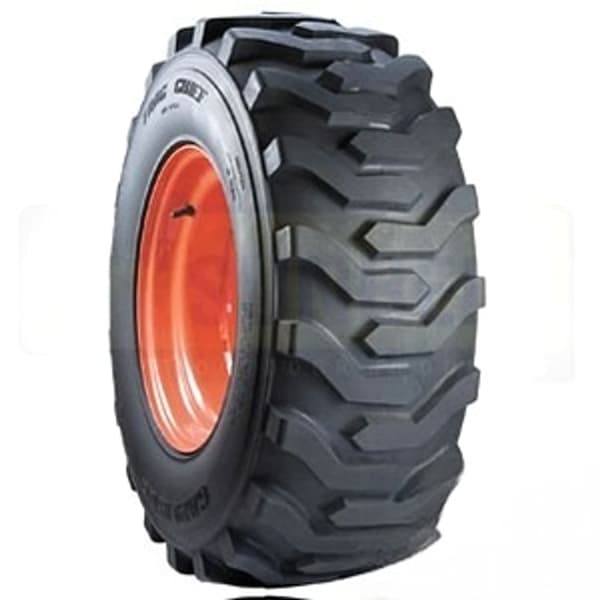
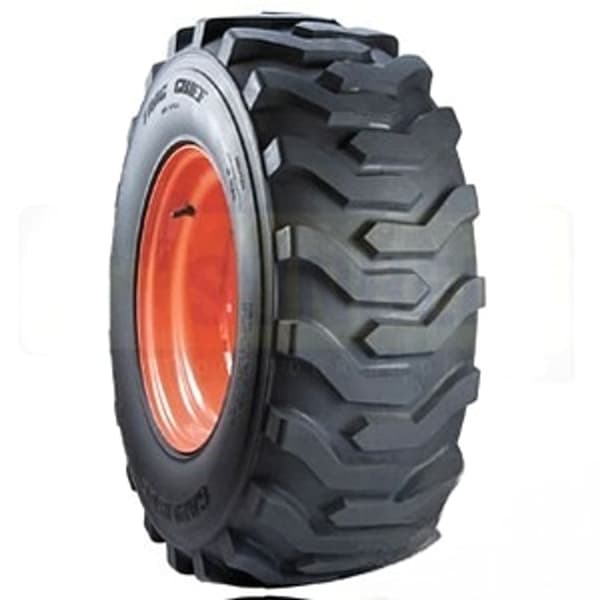
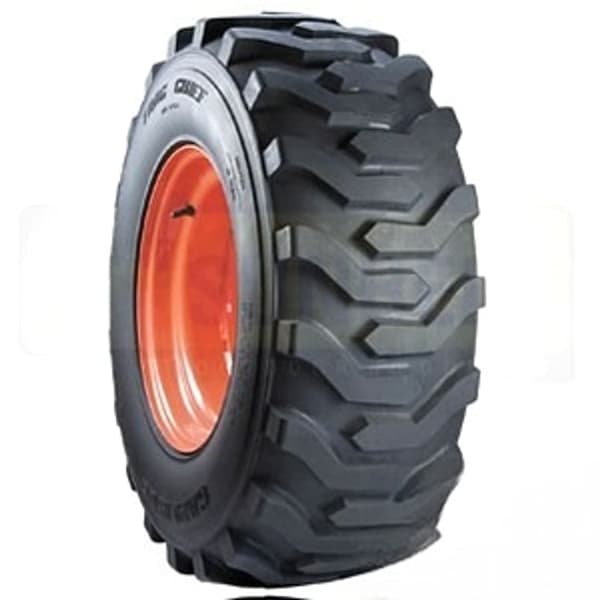
6 parts we recommend — in stock, ships fast, one-click add to cart.
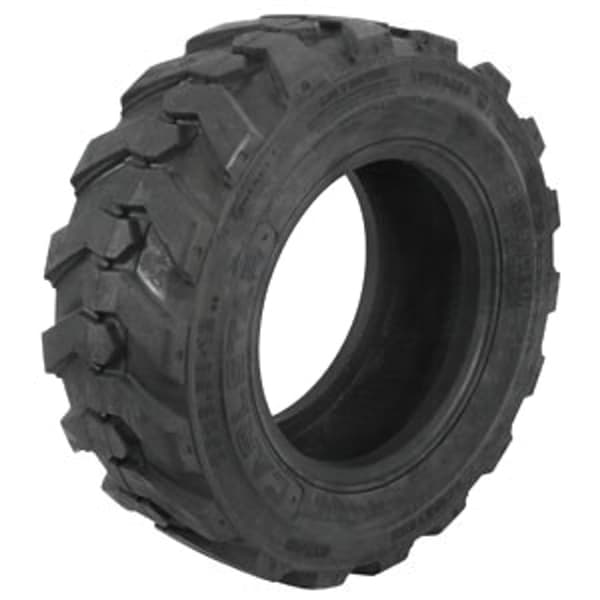
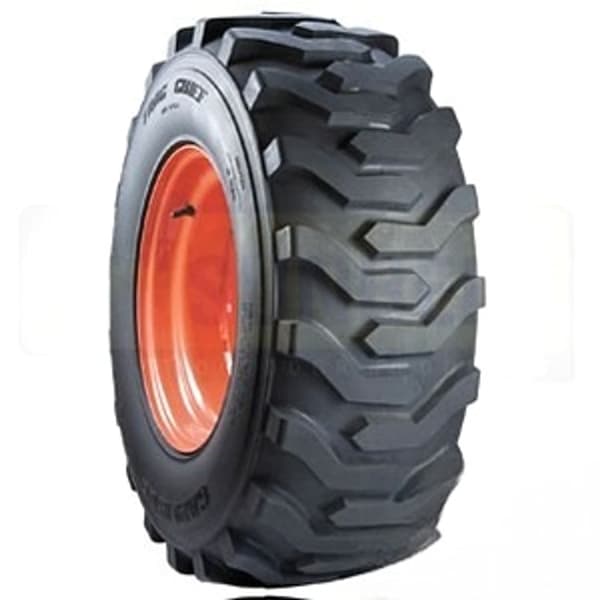
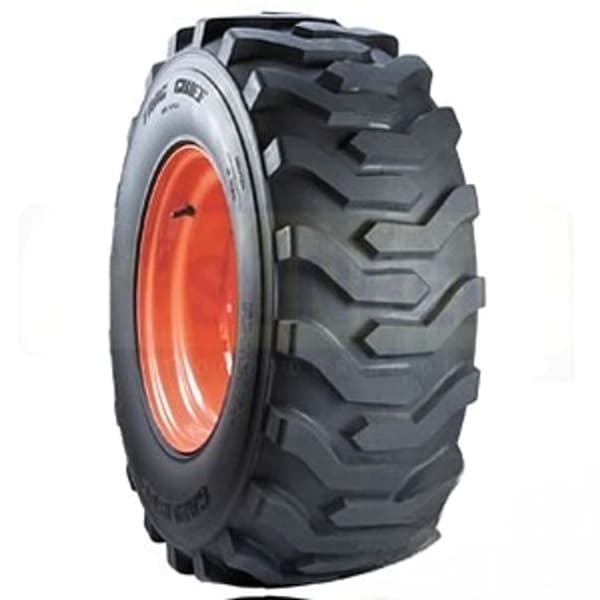
🔍 Looking for a specific part? Try our AI Part Finder — tell it your equipment and what you need, and it will find matching parts instantly.
And remember, for all your equipment needs including tires, Madison Tractor is here to help.
Pneumatic Skid Steer Tires
Pneumatic tires are the most common type of skid steer tire. They are air-filled, offering a comfortable ride and good traction on a variety of surfaces. They’re similar in concept to your tractor tire, but designed for the unique demands of a skid steer.
Advantages of Pneumatic Tires
- Ride Comfort: The air cushion provides a smoother ride, reducing operator fatigue, particularly on uneven terrain.
- Traction: Pneumatic tires conform to the ground, offering good traction in many conditions.
- Cost-Effective: Generally, pneumatic tires are less expensive than foam-filled or solid options.
Disadvantages of Pneumatic Tires
- Punctures: Prone to punctures from nails, rocks, and other debris. This can lead to downtime and costly repairs. A tractor tire tube is often a quick fix but not always a permanent solution.
- Sidewall Damage: Sidewalls are vulnerable to cuts and abrasions, especially when operating in rough environments.
- Air Pressure Maintenance: Requires regular monitoring and adjustment of air pressure. Improper inflation can affect performance and tire life.
Common Pneumatic Tire Tread Patterns
- All-Terrain: Versatile tread pattern suitable for a variety of surfaces, including dirt, gravel, and asphalt.
- Rock/Lug: Aggressive tread pattern designed for maximum traction in rocky and muddy conditions.
- Smooth/Industrial: Non-directional tread pattern for smooth surfaces like concrete, minimizing damage to the surface.
Pneumatic Tire Maintenance Tips
- Regularly check tire pressure: Use a reliable tire pressure gauge. Consult your operator's manual for the recommended pressure.
- Inspect for damage: Look for cuts, bulges, or embedded objects. Remove any debris lodged in the tread.
- Rotate tires: Rotate tires periodically to ensure even wear. This is especially important if you primarily operate on one type of surface.
- Proper Storage: Store tires in a cool, dry place away from direct sunlight and chemicals to prevent premature degradation.
For instance, if you're using a John Deere 317 skid steer on a farm, an all-terrain pneumatic tire might be a good general-purpose choice. However, for a Case IH 420 skid steer working in a construction site with lots of sharp debris, foam-filled tires might be a better option.
Foam-Filled Skid Steer Tires
Foam-filled tires are pneumatic tires that have been filled with a polyurethane foam. This eliminates the risk of punctures and flat tires, making them ideal for demanding environments. The foam adds significant weight, which is a similar concept to tractor tire ballast.
Advantages of Foam-Filled Tires
- Puncture-Proof: Eliminates flat tires, reducing downtime and repair costs.
- Consistent Tire Pressure: No need to monitor or adjust air pressure.
- Increased Stability: The added weight enhances stability, particularly when lifting heavy loads.
Disadvantages of Foam-Filled Tires
- Ride Hardness: The ride is firmer than pneumatic tires, which can increase operator fatigue.
- Cost: Foam-filled tires are more expensive than pneumatic tires.
- Limited Repair Options: Once the foam is damaged, the entire tire may need to be replaced.
- Weight: The added weight can reduce fuel efficiency and increase stress on the machine's drivetrain.
When to Consider Foam-Filled Tires
- Demolition Sites: Where sharp debris is common.
- Construction Sites: Similar to demolition sites.
- Land Clearing: Brush, stumps and other hazards.
- Recycling Plants: The risk of punctures is high due to metal and other sharp objects.
Foam-Filled Tire Maintenance Tips
- Inspect for Sidewall Damage: Regularly check for cuts or abrasions on the sidewalls.
- Monitor for Foam Degradation: Look for signs of foam leaking or deteriorating.
- Avoid Overloading: Adhere to the skid steer's load capacity to prevent excessive stress on the tires.
If you're operating a Kubota SVL95-2s in a scrap yard, foam-filled tires are almost a necessity. The constant threat of punctures from metal debris makes them a worthwhile investment. For a Ford skid steer used primarily for landscaping, pneumatic tires may be sufficient.
Solid Skid Steer Tires
Solid skid steer tires, also known as flat-proof tires, are made entirely of solid rubber. They are the most durable and puncture-resistant option available. While you may not see these on tractor rear tires, they are often used on skid steers. Their durability makes them a popular choice in harsh applications.
Advantages of Solid Tires
- Ultimate Puncture Resistance: Completely immune to punctures and flats.
- Long Lifespan: Solid tires typically last longer than pneumatic or foam-filled tires in harsh conditions.
- Minimal Maintenance: Requires virtually no maintenance.
Disadvantages of Solid Tires
- Harsh Ride: The ride is very rough, which can significantly increase operator fatigue.
- Reduced Traction: Solid tires offer less traction than pneumatic tires, especially on loose surfaces.
- High Cost: Solid tires are the most expensive option.
- Machine Stress: The lack of cushioning can put more stress on the skid steer's axles and other components.
When to Consider Solid Tires
- Severe Duty Applications: Scrap yards, demolition sites, and mining operations.
- Situations Where Downtime is Unacceptable: Where any downtime due to tire issues is critical.
- Extreme Environments: Where tire damage is a constant threat.
Solid Tire Maintenance Tips
- Inspect for Chunking: Check for large pieces of rubber missing from the tire.
- Monitor for Wear: Observe the overall wear of the tire and replace when the tread is worn down.
- Check for Rim Damage: Ensure the tire is properly mounted on the rim and that the rim is not damaged.
Choosing the Right Skid Steer Tire
Selecting the correct skid steer tire depends on your specific needs and operating environment. Here's a summary to help you decide:
- Pneumatic Tires: Best for general-purpose use where ride comfort and traction are important.
- Foam-Filled Tires: Ideal for environments with a high risk of punctures.
- Solid Tires: Suitable for the most demanding applications where puncture resistance and minimal maintenance are paramount.
Consider the following factors:
- Operating Surface: What type of terrain will the skid steer be operating on?
- Load Requirements: How heavy are the loads the skid steer will be lifting?
- Downtime Tolerance: How critical is it to avoid downtime due to tire issues?
- Budget: How much are you willing to spend on tires?
For instance, Vermeer hay balers and Hesston swathers often use pneumatic tires for field work, while Gleaner combines might benefit from foam-filled tires in rocky harvest conditions.
Shop Skid Steer Tires & Parts at Madison Tractor
At Madison Tractor Company, we offer a wide selection of skid steer tire options from leading brands. We also carry a comprehensive range of parts for your skid steer, including radiators, hydraulic pumps, filters, and more. Whether you need parts for a John Deere, Case IH, Ford, New Holland, Massey Ferguson, Kubota, Allis Chalmers, Deutz, International Harvester, Oliver, White, Gleaner, Vermeer, Hesston, Mahindra, or Zetor, we have you covered.
Browse our extensive inventory today and find the perfect tires and parts to keep your skid steer running smoothly! Contact our expert staff if you have any questions or need assistance with your order.
Explore our full selection of tractor tires, wheels, and implement attachments to keep your equipment operating at peak performance. You can also use our AI-Powered Part Finder to search for parts by your specific make and model.
Part of our comprehensive guide
Tractor Tire Size Guide: Read Sizes, Find Replacements & Compare Brands