







Tractor Rear Blade: Grading & Snow Blade Attachments
Tractor rear blades are versatile implements for grading, snow removal, and landscaping. This guide helps you choose the right rear blade for your needs and tractor.
Understanding Tractor Rear Blades
A tractor rear blade is a versatile implement used for a variety of tasks, including grading driveways, spreading gravel, removing snow general landscaping. Choosing the right blade depends on the size of your tractor, the type of work you'll be doing your budget. Madison Tractor Company carries a wide selection of rear blades compatible with most tractor brands, including John Deere, Case IH, Ford, New Holland, Massey Ferguson, Kubota, Allis Chalmers, Deutz, International Harvester, Oliver, White, Gleaner, Vermeer, Hesston, Mahindra and Zetor.
Recommended Parts for This Guide
10 parts we recommend — in stock, ships fast, one-click add to cart.
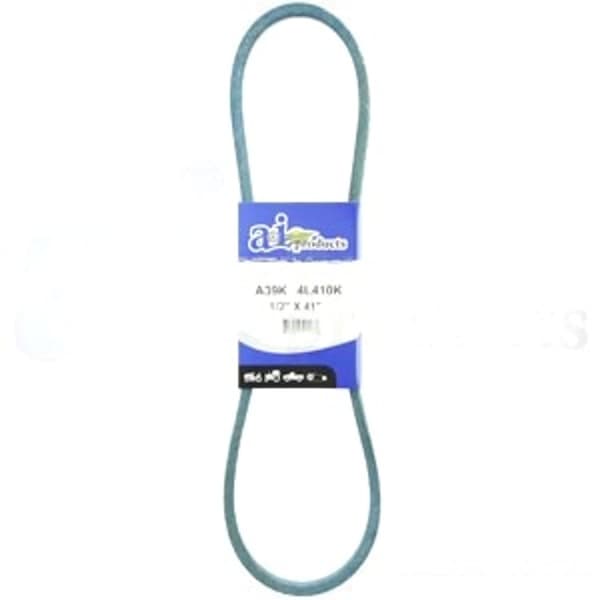
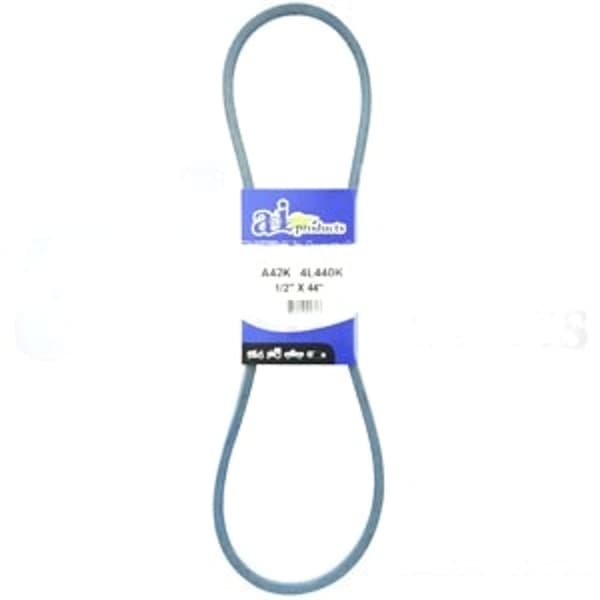
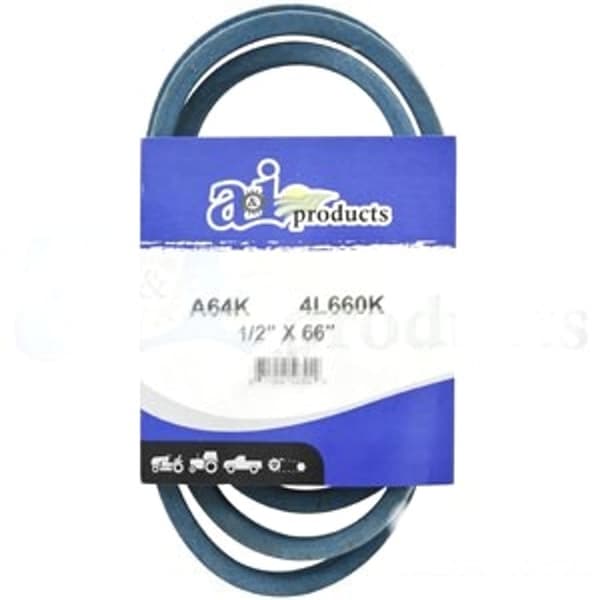
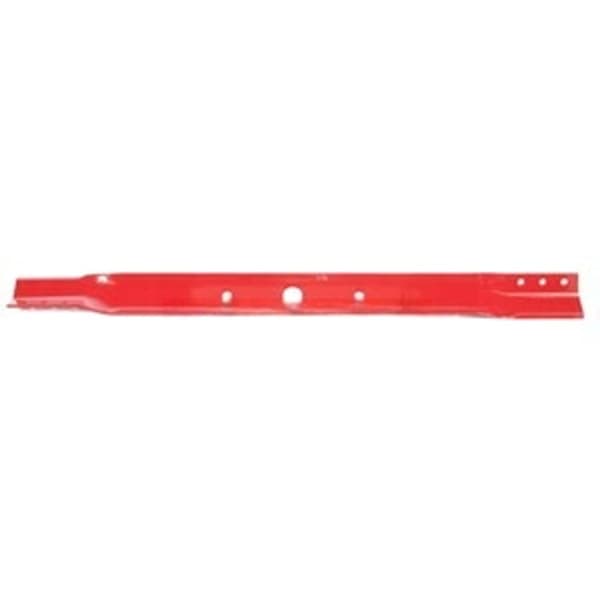
🔍 Looking for a specific part? Try our AI Part Finder — tell it your equipment and what you need, and it will find matching parts instantly.
Common Applications
- Grading Leveling surfaces, creating slopes for drainage maintaining gravel driveways.
- Snow Removal Clearing snow from roads, driveways parking areas.
- Landscaping Spreading topsoil, creating seedbeds shaping land contours.
- Ditching Creating shallow ditches for irrigation or drainage.
Types of Tractor Rear Blades
Rear blades come in various sizes and configurations. Here's a breakdown of the most common types
- Standard Rear Blades These are the most common type, offering basic grading and scraping capabilities. They typically have a reversible blade that can be angled and tilted.
- Box Blades Box blades are enclosed on three sides, allowing them to carry and spread material more efficiently than standard blades. They are excellent for leveling and grading large areas.
- Land Planes Land planes are designed for precise grading and leveling. They feature two blades set at slightly different heights, allowing them to cut high spots and fill low spots in a single pass. These are often used in agricultural operations for field preparation.
- Angle Blades (Also known as Snow Blades) These are designed specifically for pushing snow. While many standard rear blades can be angled for snow removal, dedicated snow blades often have a higher curvature to roll snow more effectively.
Factors to Consider When Choosing a Rear Blade
Selecting the right rear blade involves considering several factors to ensure optimal performance and compatibility with your tractor.
Tractor Horsepower and Size
The horsepower of your tractor is the most critical factor. A general rule of thumb is to choose a blade that's approximately the same width as your tractor's rear tires. Overloading a small tractor with a large blade can damage the 3-point hitch and reduce maneuverability. Refer to your tractor's manual for implement weight limitations. Speaking of tires, proper inflation is important for rear blade work. See our article on Tractor Rear Tire: R1 Ag, R4 Industrial & Radial Options for more information on tire selection and maintenance.
Blade Width
A wider blade covers more ground in a single pass, but it also requires more power. Consider the size of the area you'll be working on and the amount of material you need to move. A 6-foot blade is a good choice for smaller tractors (20-40 HP), while larger tractors (50+ HP) can handle 7-foot or even 8-foot blades.
Blade Angle and Tilt
Most rear blades offer adjustable angle and tilt. Angle adjustment allows you to windrow material to the side, while tilt adjustment allows you to create slopes for drainage. Look for a blade with a wide range of adjustment options to accommodate different tasks.
Blade Construction and Materials
The quality of construction and materials directly affects the blade's durability and longevity. Look for blades made from high-strength steel with reinforced cutting edges. Check the thickness of the blade and the frame for signs of sturdiness. A heavier blade will generally be more durable, but also require more horsepower.
3-Point Hitch Compatibility
Ensure the rear blade is compatible with your tractor's 3-point hitch. Most modern tractors use a Category 1 or Category 2 hitch. Check your tractor's manual for specifications. Madison Tractor carries a wide variety of 3-point hitch parts to ensure compatibility and proper function.
Operating a Tractor Rear Blade: Tips and Techniques
Proper operation of a rear blade can significantly improve your results. Here are some tips and techniques
- Start Slow Begin by making shallow passes and gradually increasing the depth of cut. This prevents overloading the blade and allows you to maintain better control.
- Adjust the Angle and Tilt Experiment with different angle and tilt settings to find the optimal configuration for each task. For example, when grading a driveway, angle the blade slightly to windrow material towards the edge.
- Use Down Pressure Apply down pressure to the blade using the tractor's 3-point hitch. This helps the blade cut into the ground and maintain a consistent depth.
- Overlap Passes Overlap each pass slightly to ensure complete coverage and eliminate ridges.
- Maintain Consistent Speed Maintain a consistent speed to avoid jerky movements and uneven grading.
Maintenance and Storage
Proper maintenance will extend the life of your rear blade and ensure optimal performance. Here are some maintenance tips
- Inspect Regularly Check the blade for signs of wear, such as cracks, bends, or excessive wear on the cutting edge. Replace worn or damaged parts promptly.
- Sharpen the Blade Sharpen the cutting edge regularly to maintain optimal cutting performance. A dull blade will require more force and may produce uneven results.
- Grease Regularly Grease all moving parts, such as pivot points and adjustment mechanisms, to prevent corrosion and ensure smooth operation.
- Store Properly Store the blade in a dry, sheltered location to protect it from the elements. Consider covering it with a tarp to prevent rust and corrosion.
Regularly check your tractor's hydraulic system, including the hydraulic pump and cylinders, to ensure proper operation of the 3-point hitch. Low hydraulic fluid levels or a failing pump can affect the performance of your rear blade.
Safety Precautions
Operating a tractor and rear blade can be dangerous if proper safety precautions are not followed.
- Read the Manual Always read and understand the operator's manuals for both the tractor and the rear blade before operating the equipment.
- Wear Safety Gear Wear appropriate safety gear, including safety glasses, hearing protection work gloves.
- Clear the Area Ensure the area is clear of people, pets obstacles before operating the blade.
- Stay Alert Stay alert and focused while operating the equipment. Avoid distractions and take breaks when needed.
- Never Exceed Limits Never exceed the tractor's weight limits or the blade's maximum capacity.
- Lower the Blade Always lower the blade to the ground when the tractor is parked or not in use.
Common Rear Blade Parts and Repairs
Over time, certain parts of your rear blade may require replacement due to wear and tear. Common replacement parts
- Cutting Edges The cutting edge is the most frequently replaced part. These are available in various materials, including high-carbon steel and carbide-tipped options for increased durability.
- Skid Shoes Skid shoes protect the blade from excessive wear and tear, especially when working on abrasive surfaces.
- Pivot Pins and Bushings Pivot pins and bushings can wear out over time, leading to sloppy movement and reduced performance.
- Hydraulic Cylinders If your blade has hydraulic adjustments, the cylinders may eventually need to be rebuilt or replaced.
- 3-Point Hitch Pins Ensure your 3-point hitch pins are in good condition. Madison Tractor carries a full line of replacement 3-point hitch pins.
For example, if you own a John Deere tractor and notice the cutting edge of your rear blade is severely worn, you might need to replace it with a new cutting edge, potentially looking for a part number similar to for specific models. When replacing hydraulic cylinders, consider OEM part numbers or reputable aftermarket alternatives. For older tractors like a Ford 8N, ensuring the correct category 1 hitch pins (typically 7/8" diameter) are used is crucial for safe operation.
Choosing the Right Size: An Example
Let's say you have a Kubota L3901 tractor, rated at approximately 37 horsepower. A good choice for a rear blade would be a 6-foot (72-inch) blade. This width allows you to effectively grade driveways and clear snow without overtaxing the tractor. A 7-foot blade might be manageable, but a 5-foot blade could be underutilized. Remember to consider the weight of the blade as well, as heavier blades require more horsepower and can affect the tractor's stability, especially on uneven terrain.
Shop Tractor Rear Blade Parts at Madison Tractor Company
Madison Tractor Company is your trusted source for high-quality tractor rear blades and replacement parts. We offer a wide selection of blades to fit most tractor models and sizes. Whether you need a new cutting edge for your Massey Ferguson, a replacement skid shoe for your Case IH, or hydraulic components for your New Holland, we have you covered. Browse our online catalog or contact our knowledgeable parts specialists for assistance in finding the right parts for your needs. We can help you find the parts you need, from radiators and water pumps to starters, alternators, hydraulic pumps, clutch kits, PTO parts, fuel pumps, carburetors, injectors, filters, gaskets, pistons, bearings, seals, belts, chains, concaves, sickle sections and everything in between. And for related information be sure to check out our articles on Tractor Wheel Weights: Suitcase, Wheel & Front WeightsTractor Tire Ballast: Water, Calcium & Beet Juice Fill.
🔍 Can't Find Your Part?
Use our AI-Powered Part Finder to search by your equipment's make, model, and what you need. It's the fastest way to find the exact part for your machine.
Try the Part Finder →Part of our comprehensive guide
Tractor Tire Size Guide: Read Sizes, Find Replacements & Compare Brands