








Tractor 3-Point Spreader: Fertilizer & Seed Broadcast
A tractor 3-point spreader is an essential tool for even fertilizer and seed distribution. This guide covers everything from selecting the right spreader to proper operation and maintenance for top performance.
A tractor 3-point spreader, also known as a broadcast spreader, is an invaluable piece of equipment for any farmer, rancher, or landowner looking to efficiently distribute fertilizer, seed, or other granular materials across a field. This implement attaches to the tractor's three-point hitch and utilizes a spinning disc to broadcast the material over a wide area. Choosing the right spreader and using it correctly can significantly impact crop yields and overall land management. Madison Tractor Company carries a wide selection of parts to keep your equipment in top shape including radiators, water pumps, starters, alternators, and hydraulic pumps. Whether you're maintaining a John Deere, Case IH, Ford, New Holland, or another brand, we've got you covered.
Recommended Parts for This Guide
10 parts we recommend — in stock, ships fast, one-click add to cart.
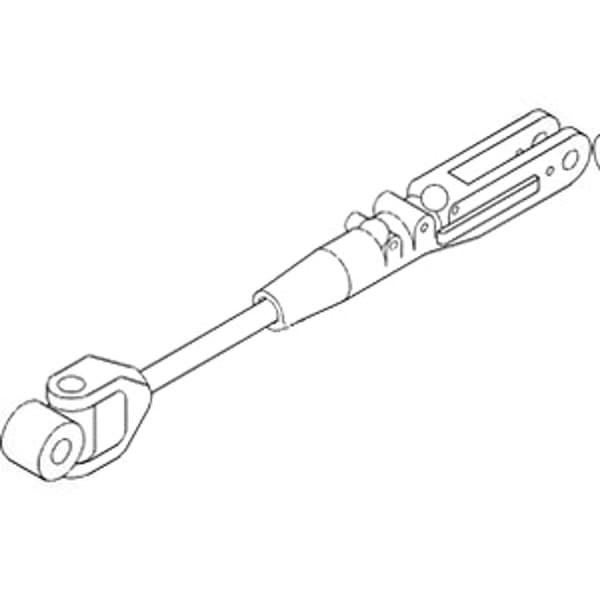
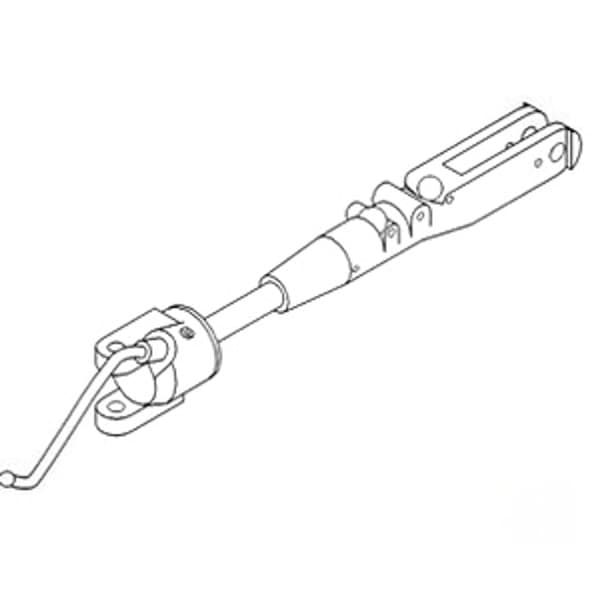
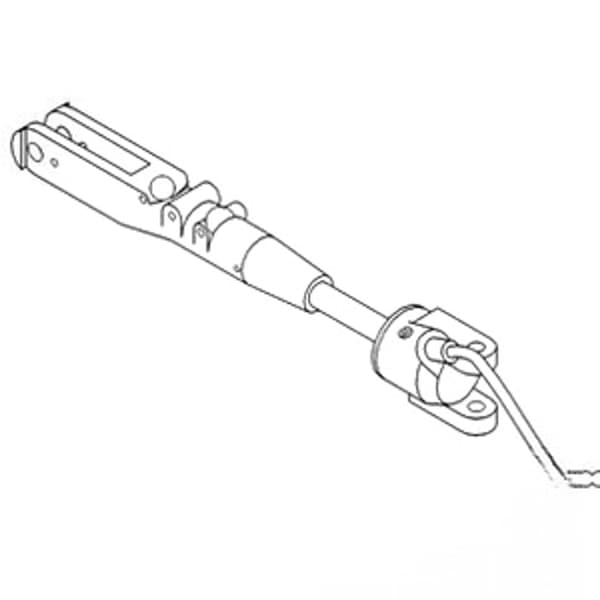
🔍 Looking for a specific part? Try our AI Part Finder — tell it your equipment and what you need, and it will find matching parts instantly.
Types of Tractor 3-Point Spreaders
Several types of tractor 3-point spreaders are available, each with its strengths and weaknesses:
- Gravity-Feed Spreaders: These are the most basic and affordable type. They rely on gravity to feed the material onto the spinning disc. They are generally suitable for smaller areas and lighter materials.
- Spinner Spreaders: These use a spinning disc to distribute material. They are very effective for broadcasting fertilizer and seed over wide areas.
- Drop Spreaders: Unlike broadcast spreaders, drop spreaders release material directly below the hopper. This offers more precise application, ideal for sensitive areas or row crops.
- Pendulum Spreaders: These spreaders use a pendulum-like arm that swings back and forth, distributing the material evenly. They're often favored for their consistent application and are suitable for various materials, including fertilizer and seed.
When deciding between broadcast or drop spreaders consider the use cases. Broadcast spreaders are better for wide open areas and applications where precise placement isn't critical. Drop spreaders excel when needing to target the spread to a specific width and location.
Selecting the Right Spreader for Your Needs
Choosing the right 3-point spreader depends on several factors:
- Hopper Capacity: Consider the size of the area you need to cover. Larger areas require larger hopper capacities to minimize refills. Common sizes range from 50 lbs to 1000+ lbs.
- Spreading Width: The desired spreading width will influence the type and size of spreader you choose. Wider spreading widths cover more ground in less time but may be less precise.
- Material Type: Different spreaders are designed for different materials. Some are better suited for granular fertilizers, while others can handle seeds or even lime. Check the manufacturer's specifications to ensure compatibility.
- Tractor Compatibility: Ensure the spreader is compatible with your tractor's three-point hitch category (Category 1, 2, or 3) and PTO horsepower. Most spreaders require a standard 540 RPM PTO.
- Build Quality: Look for durable construction with corrosion-resistant materials. Stainless steel hoppers and frames are ideal for longevity, especially when working with corrosive fertilizers.
For example, a small hobby farm using a Kubota compact tractor might opt for a 500-lb capacity gravity-feed spreader, while a larger operation using a John Deere tractor may need a 1000-lb capacity spinner spreader.
Installing Your 3-Point Spreader
Proper installation is crucial for safe and effective operation:
- Attach to the Three-Point Hitch: Connect the spreader to your tractor's three-point hitch, ensuring all pins and fasteners are securely in place.
- Connect the PTO shaft: Attach the PTO shaft to both the tractor's PTO output and the spreader's input shaft. Ensure the shaft is properly sized and shielded.
- Adjust Top Link: Adjust the top link to level the spreader and ensure proper material distribution.
- Test the Spreader: Before heading to the field, test the spreader in a safe area to ensure it's functioning correctly.
Safety Warning: Always disengage the PTO and turn off the tractor engine before attempting to install or adjust the spreader.
Operating Your 3-Point Spreader
Effective operation ensures even and accurate material distribution:
- Calibrate the Spreader: Calibration is essential for applying the correct amount of material. Consult the spreader's manual for instructions on how to calibrate based on the material type and desired application rate. Often this involves adjusting a gate or slide opening.
- Set the Spreading Width: Adjust the deflector shields or vanes to achieve the desired spreading width.
- Maintain a Consistent Speed: Maintain a consistent tractor speed while spreading to ensure even distribution. Typically, a speed of 3-5 mph is recommended.
- Overlap Passes: Overlap each pass slightly (approximately 10-15%) to prevent striping and ensure uniform coverage.
- Monitor Material Flow: Regularly check the hopper to ensure the material is flowing smoothly and not clogging.
Refer to your spreader's manual for the most accurate calibration and operation instructions. Different models from manufacturers like Massey Ferguson or Case IH may have unique adjustment mechanisms.
Maintaining Your 3-Point Spreader
Regular maintenance extends the life of your spreader and ensures optimal performance:
- Clean After Each Use: Thoroughly clean the spreader after each use to remove any residual fertilizer or seed. This prevents corrosion and clogging. A pressure washer can be helpful for this task.
- Lubricate Moving Parts: Regularly lubricate all moving parts, including bearings, gears, and PTO shaft components. Use a high-quality grease designed for agricultural equipment. Madison Tractor carries a wide variety of PTO parts, including PTO shafts and bearings to keep your spreader running smoothly.
- Inspect for Wear and Damage: Regularly inspect the spreader for signs of wear or damage, such as worn discs, bent vanes, or cracked hoppers. Replace any damaged parts promptly.
- Check the PTO Shaft: Inspect the PTO shaft for wear and damage. Ensure the shield is intact and the slip clutch (if equipped) is functioning correctly.
- Store Properly: Store the spreader in a dry, sheltered location when not in use to protect it from the elements.
For specific maintenance schedules and procedures, consult your spreader's owner's manual. Regularly inspect common wear items such as bearings and discs. If your spreader uses a gearbox, check the oil level regularly and change the oil according to the manufacturer's recommendations. We carry belts, chains, and bearings to fit a wide variety of Ford, New Holland, Massey Ferguson, and Case IH tractors.
Troubleshooting Common Issues
Here are some common issues and their solutions:
- Uneven Distribution: This can be caused by improper calibration, uneven ground speed, or clogged outlets. Recalibrate the spreader, maintain a consistent speed, and clear any obstructions.
- Material Clogging: Clogging can occur if the material is wet or compacted. Use dry material and ensure the spreader is clean.
- PTO Shaft Problems: PTO shaft issues can range from slippage to complete failure. Ensure the shaft is properly lubricated and the slip clutch (if equipped) is functioning correctly. Replace any worn or damaged components.
- Spreader Not Spreading: Make sure the PTO is engaged, and the spreader is properly connected to the tractor. Inspect the drive mechanism for any broken or disconnected parts.
For example, if you own an older Allis Chalmers or International Harvester tractor and the spreader isn't engaging, check the PTO lever linkage and the condition of the PTO clutch. Common issues include worn clutch plates or a broken linkage. Replacing the clutch kit or linkage components can restore functionality. If the PTO is engaging but the spreader still isn't turning, check the spreader's gearbox for damage or a lack of lubrication. Madison Tractor Company carries clutch kits, PTO parts, and gearbox components for many classic tractor models.
Don't forget to check your tractor tire sizes explained to ensure you're running the right tires for optimal traction and efficiency when using your spreader. Correct tire pressure is important. Also, if you're working on uneven terrain, consider using tractor tire ballast to improve stability.
Brands We Support
At Madison Tractor Company, we offer a comprehensive selection of parts for a wide range of tractor and implement brands, including:
- John Deere
- Case IH
- Ford
- New Holland
- Massey Ferguson
- Kubota
- Allis Chalmers
- Deutz
- International Harvester
- Oliver
- White
- Gleaner
- Vermeer
- Hesston
- Mahindra
- Zetor
We also carry parts for many other brands and models. If you are unsure about a part number, our knowledgeable staff are here to help you cross-reference parts and find the right fit for your machine.
Properly selecting, operating, and maintaining your tractor 3 point spreader will ensure efficient and accurate material distribution, leading to improved crop yields and healthier land. Remember to consult your operator's manual for specific instructions and safety precautions. For all your tractor parts needs, including radiators, fuel pumps, injectors, and filters, visit Madison Tractor Company today!
Our selection extends to other related areas like compact tractor tires, tractor tire chains, tractor front tires, and tractor rear tires.
Shop Tractor Parts at Madison Tractor Company
Madison Tractor Company is your trusted source for high-quality tractor parts and accessories. We offer a wide selection of parts for all major brands, competitive prices, and expert customer support. Browse our online catalog today and find the parts you need to keep your tractor running smoothly. Visit our tractor parts section to get started! You can also use our AI-Powered Part Finder to search for parts by your specific make and model.
Part of our comprehensive guide
Tractor Tire Size Guide: Read Sizes, Find Replacements & Compare Brands