







3-Point Hitch Pins: Lower Link Pins & Stabilizer
Properly sized and maintained 3-point hitch pins are crucial for safe and efficient implement operation. This guide covers everything you need to know about lower link pins and stabilizers, ensuring secure attachment and optimal performance.
Introduction to 3-point hitch Pins
The 3-point hitch is the backbone of agricultural implement attachment. It allows you to connect a wide range of tools to your tractor, from plows and mowers to tillers and sprayers. Critical to the secure and effective operation of this system are the 3 point hitch pins, specifically the lower link pins and stabilizer pins. These seemingly simple components ensure that your implements stay connected, level, and operate as intended. At Madison Tractor Company, we understand the importance of these parts and offer a wide selection of high-quality pins for various tractor brands, including John Deere, Case IH, Ford, New Holland, Massey Ferguson, Kubota, Allis Chalmers, Deutz, International Harvester, Oliver, White, Gleaner, Vermeer, Hesston, Mahindra, and Zetor.
Recommended Parts for This Guide
8 parts we recommend — in stock, ships fast, one-click add to cart.
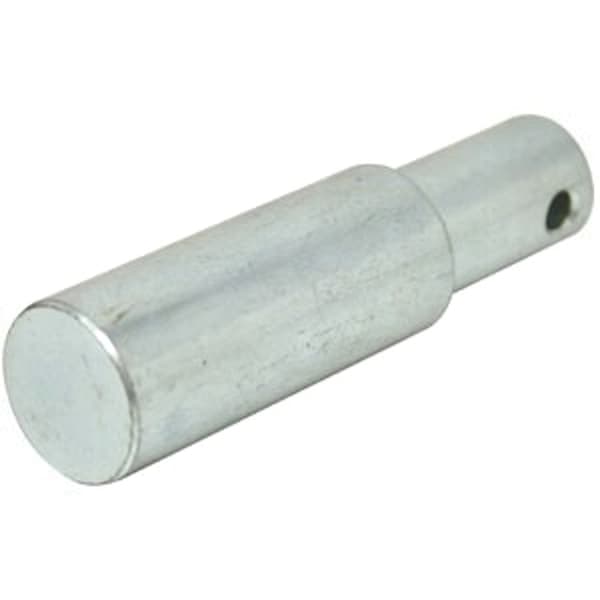
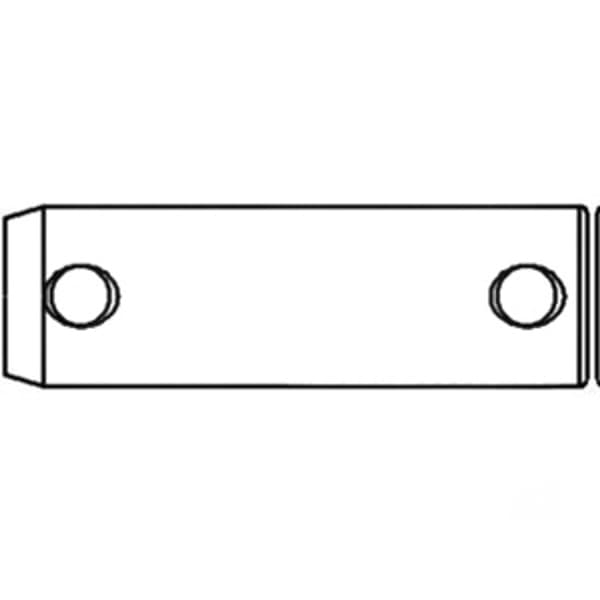
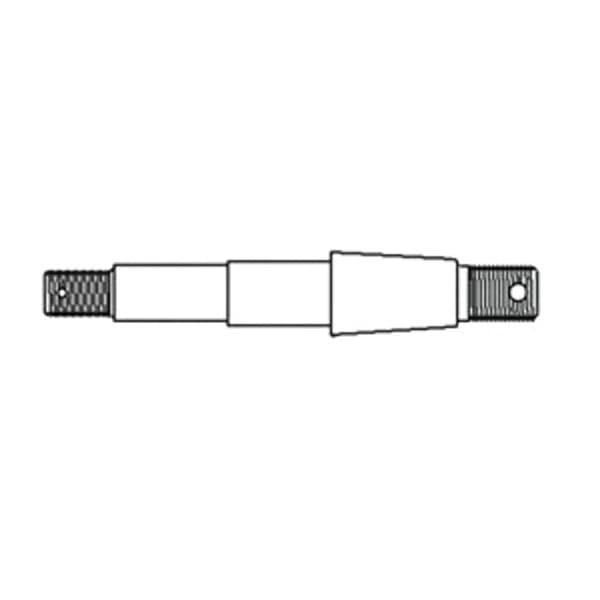
🔍 Looking for a specific part? Try our AI Part Finder — tell it your equipment and what you need, and it will find matching parts instantly.
This guide will walk you through the different types of 3-point hitch pins, how to choose the right size and material, and best practices for maintenance and safety. Remember, a properly functioning 3-point hitch is essential for safe and efficient farm operations. Don't overlook the small but vital role that hitch pins play.
Lower Link Pins: The Foundation
The lower link pins are the primary connection point between the tractor's lower link arms and the implement. They bear the brunt of the implement's weight and the forces generated during operation. Therefore, selecting the correct lower link pins is crucial.
Sizing Lower Link Pins
Lower link pins come in various sizes, dictated by the category of your 3-point hitch. The category is determined by the tractor's horsepower and the size of the implement it is designed to handle. The most common categories are:
- Category 0: Typically found on subcompact tractors (under 20 HP). Pin diameter is usually 5/8 inch.
- Category 1: Common on compact tractors (20-45 HP). Pin diameter is 3/4 inch.
- Category 2: Used on larger tractors (40-100 HP). Pin diameter is 1 inch.
- Category 3: Found on large agricultural tractors (80-225 HP). Pin diameter is 1 1/4 inch.
- Category 4: For very large tractors (over 180 HP). Pin diameter is 1 3/4 inch.
Always refer to your tractor's and implement's owner's manuals to determine the correct category and pin size. Using the wrong size can lead to implement instability, damage, and potential safety hazards. Madison Tractor Company offers implement parts for all common hitch categories.
Material and Strength
Lower link pins are typically made from high-strength steel to withstand the significant forces they endure. Look for pins that meet or exceed OEM specifications. Pins made from lower-grade materials can bend or break under stress, leading to implement detachment. For example, a Category 2 lower link pin for a John Deere 4020 should be made from hardened steel with a high tensile strength. Using a mild steel pin could result in failure.
Always inspect your lower link pins for signs of wear, such as bending, cracking, or excessive rust. Replace them immediately if any damage is detected. At Madison Tractor, we stock a full range of lower link pins designed to meet or exceed OEM standards for brands like John Deere, Case IH, and New Holland.
Installation and Securing
Proper installation and securing of lower link pins are essential. Here's a step-by-step guide:
- Align the Implement: Position the implement so that the lower link arms can be easily attached.
- Insert the Pin: Slide the lower link pin through the holes in the lower link arm and the implement's hitch point.
- Secure the Pin: Use a linchpin, retaining clip, or lynch lock to secure the pin in place. Ensure the securing device is properly seated to prevent the pin from working its way out during operation.
Safety Warning: Always disengage the PTO and turn off the tractor before attaching or detaching any implement. Use gloves to protect your hands and wear appropriate safety eyewear.
Stabilizer Pins: Maintaining Lateral Stability
Stabilizer pins, often used in conjunction with sway chains or adjustable stabilizer bars, prevent the implement from swaying excessively from side to side. This is particularly important when working on uneven terrain or with wide implements. Stabilizer bars, chains, and pins all work together to maintain stability. Pins are often used to connect the sway chains to the tractor or implement. These pins, while smaller than lower link pins, are still critical for safe operation.
Types of Stabilizers and Pins
There are several types of stabilizers, each requiring specific types of pins:
- Sway Chains: These chains connect from the tractor to the implement and use pins to secure the chain links at the desired length. Often these pins will be clevis pins with a cotter pin to retain them.
- Telescoping Stabilizer Bars: These bars extend and retract to adjust the implement's lateral movement. Pins are used to lock the bars at the desired length. These often use spring-loaded pins for easy length adjustment.
- Adjustable Stabilizer Links: Similar to telescoping bars, these links use a threaded rod to fine-tune the implement's position. Pins are used to connect the links to the tractor and implement.
Selecting the Right Stabilizer Pins
The size and type of stabilizer pin you need will depend on the type of stabilizer system your tractor and implement use. Consult your owner's manuals for specific recommendations. When choosing stabilizer pins, consider the following:
- Diameter: Ensure the pin diameter matches the hole size in the stabilizer bar, chain, or link.
- Length: The pin should be long enough to pass completely through the stabilizer and be securely retained by a clip or pin.
- Material: Stabilizer pins should be made from durable steel to withstand the stresses of lateral movement.
For example, a Massey Ferguson 135 using sway chains might require a 3/8-inch clevis pin with a cotter pin to secure the chain to the tractor. A New Holland TN75 with telescoping stabilizer bars could use a spring-loaded pin with a 1/2-inch diameter.
Maintenance and Inspection
Regularly inspect your stabilizer pins for wear, bending, or corrosion. Replace any damaged pins immediately. Ensure that all securing devices, such as clips, cotter pins, and lynch pins, are in good condition and properly installed. A missing or damaged securing device can lead to stabilizer failure and implement instability.
General Tips for 3-Point Hitch Pin Safety
- Always use the correct size and type of pin for your tractor and implement. Refer to your owner's manuals for guidance.
- Inspect pins regularly for wear and damage. Replace any damaged pins immediately.
- Ensure all pins are properly secured with clips, cotter pins, or lynch pins.
- Never use makeshift pins or substitute materials.
- Keep pins clean and lubricated to prevent corrosion and wear.
- Disengage the PTO and turn off the tractor before attaching or detaching any implement.
When working with heavy implements, consider using a quick hitch system. These systems allow you to attach and detach implements without the need for manual pin alignment, making the process faster and safer. See our related article about tractor wheel weights for additional safety information regarding tractor stability. Also see our articles on tractor tire ballast to understand how fluid-filled tires can impact hitch capacity.
Find Your 3-Point Hitch Pins at Madison Tractor Company
At Madison Tractor Company, we're committed to providing you with the highest quality tractor parts and accessories. We carry a wide selection of 3 point hitch pins, including lower link pins and stabilizer pins, for all major tractor brands. Whether you need a pin for a John Deere, Case IH, Ford, New Holland, Massey Ferguson, or Kubota, we have you covered. We also stock a complete range of tractor parts, including radiators, water pumps, starters, hydraulic pumps, and more. Shop our selection today and keep your tractor running smoothly and safely. You can also use our AI-Powered Part Finder to search for parts by your specific make and model.
Part of our comprehensive guide
Tractor Tire Size Guide: Read Sizes, Find Replacements & Compare Brands