







Tractor Drawbar: Swinging & Fixed Drawbar Parts
Understanding your tractor drawbar is crucial for safe and efficient implement operation. This guide covers different drawbar types, maintenance best practices, and essential parts for brands like John Deere, Case IH, and Kubota.
The tractor drawbar is the unsung hero of your farm equipment, connecting your tractor to a wide array of implements. It's a critical link, so understanding its types, maintenance needs, and available parts is essential for safe and efficient operation. This guide from Madison Tractor Company will walk you through everything you need to know about your tractor's drawbar.
Recommended Parts for This Guide
9 parts we recommend — in stock, ships fast, one-click add to cart.
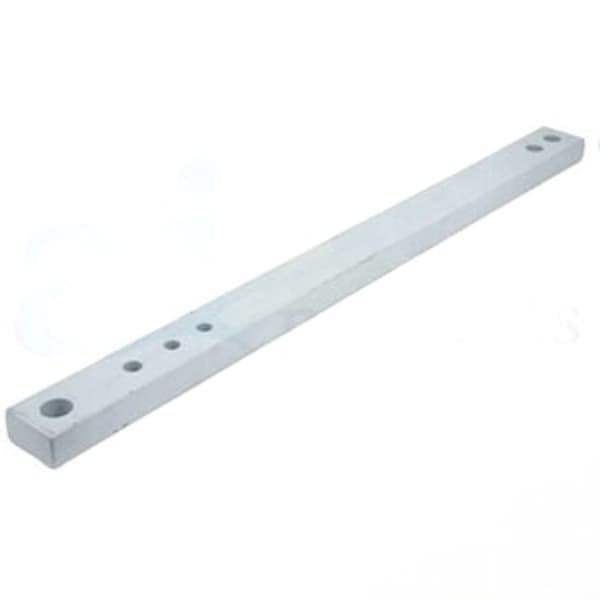
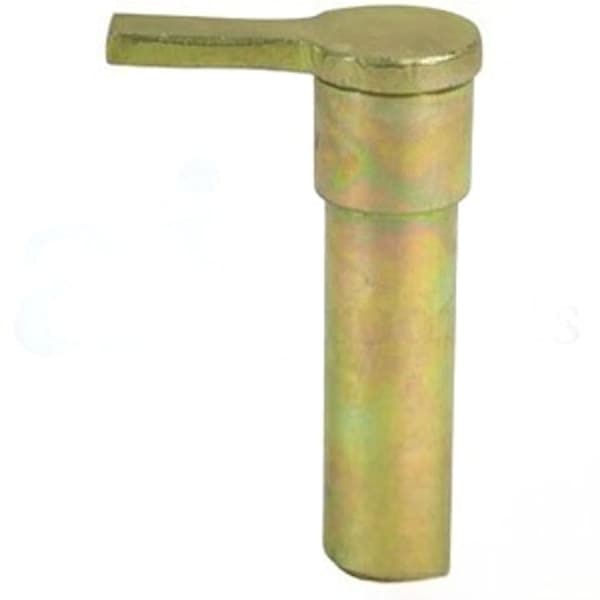
🔍 Looking for a specific part? Try our AI Part Finder — tell it your equipment and what you need, and it will find matching parts instantly.
Drawbar Types: Swinging vs. Fixed
There are two primary types of drawbars: swinging and fixed. Each has its advantages and is better suited for certain applications.
swinging drawbars
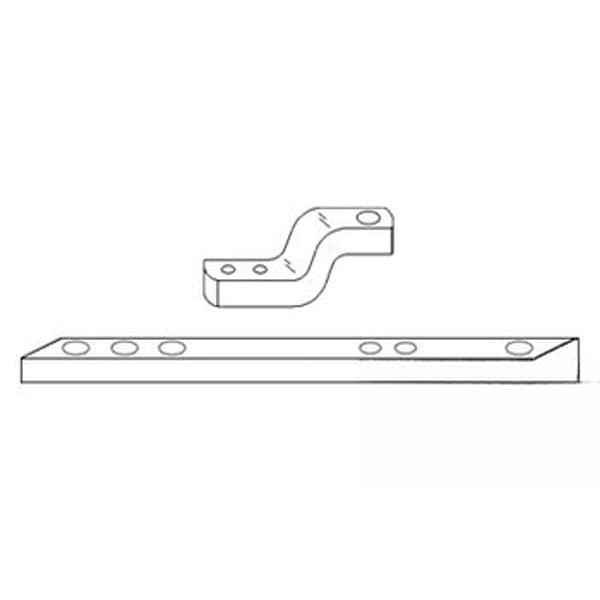
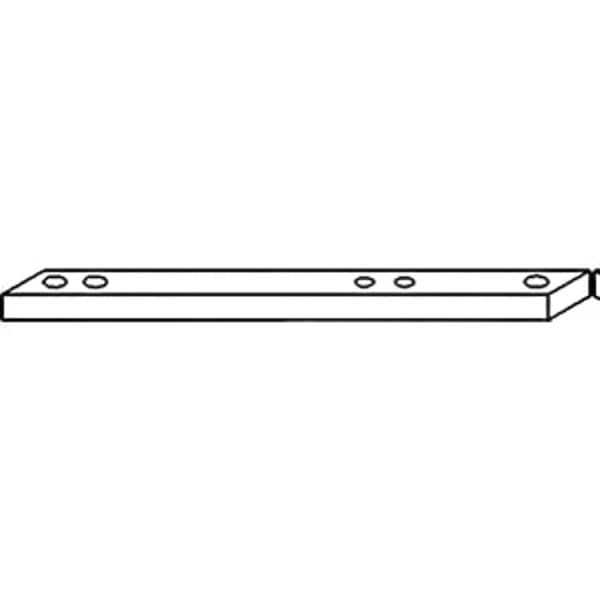
Swinging drawbars, also known as pivoting drawbars, allow for lateral movement. This is particularly useful when turning with implements like mowers, balers, or wagons. The swinging action reduces stress on the tractor and implement, preventing binding and improving maneuverability. A swinging drawbar is beneficial when you need a tighter turning radius. We offer various High Capacity, Cat. III Swinging Drawbars and standard Swinging Drawbars. Look for aftermarket swinging drawbars for tractors like the John Deere 4020 or the Ford 8N.
Advantages of Swinging Drawbars:
- Increased maneuverability, especially in tight spaces
- Reduced stress on the tractor and implement during turns
- Improved safety by preventing implements from contacting the tractor's tires
Disadvantages of Swinging Drawbars:
- Can introduce some sway or instability with certain implements, especially at higher speeds
- May require locking mechanisms for certain operations requiring a fixed position
Fixed Drawbars
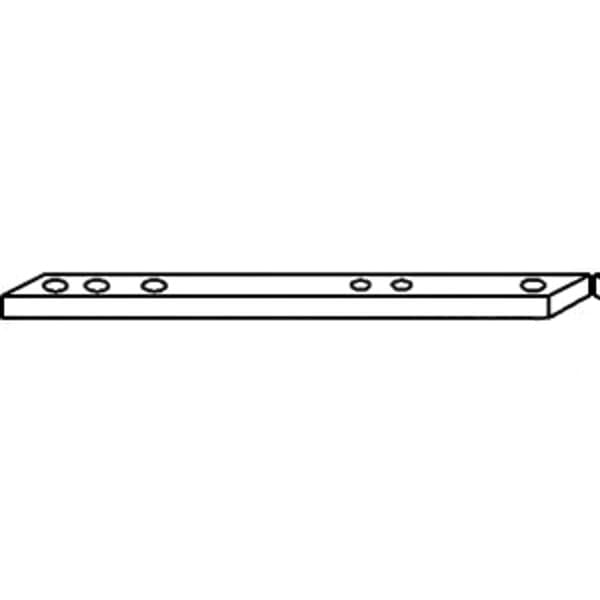
Fixed drawbars are rigidly mounted to the tractor, providing a stable and direct connection. They are typically used for implements that require precise tracking or heavy pulling, such as plows, disks, and some types of cultivators. Consider a fixed drawbar for a Case IH tractor when pulling a heavy chisel plow. Fixed drawbars are usually simpler in design and require less maintenance than swinging drawbars. Explore our range of fixed drawbars to find the right fit for your application.
Advantages of Fixed Drawbars:
- Superior stability and control for heavy-duty applications
- Simpler design and fewer moving parts, leading to less maintenance
- Ideal for implements requiring precise tracking
Disadvantages of Fixed Drawbars:
- Limited maneuverability, especially when turning
- Increased stress on the tractor and implement during sharp turns
Essential Drawbar Components and Parts
Regardless of the type, a drawbar consists of several key components. Keeping these parts in good condition is critical for safe and effective operation. Madison Tractor Company carries a wide selection of drawbar parts for various makes and models, including John Deere, Case IH, Ford, New Holland, Massey Ferguson, Kubota, Allis Chalmers, Deutz, International Harvester, Oliver, White, Gleaner, Vermeer, Hesston, Mahindra, and Zetor.
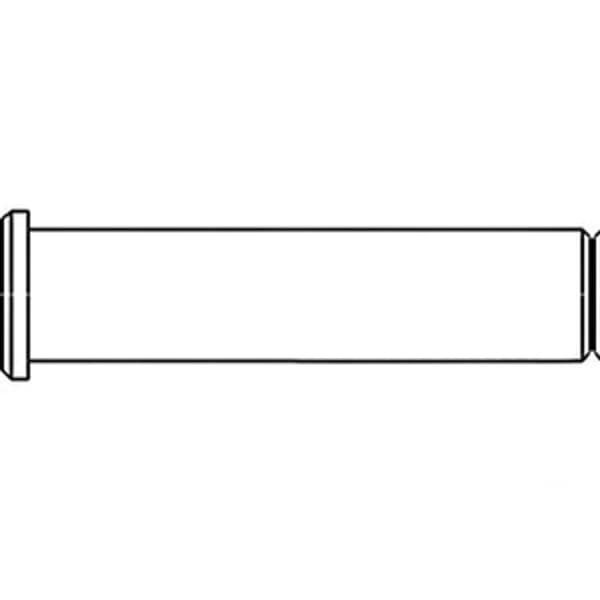
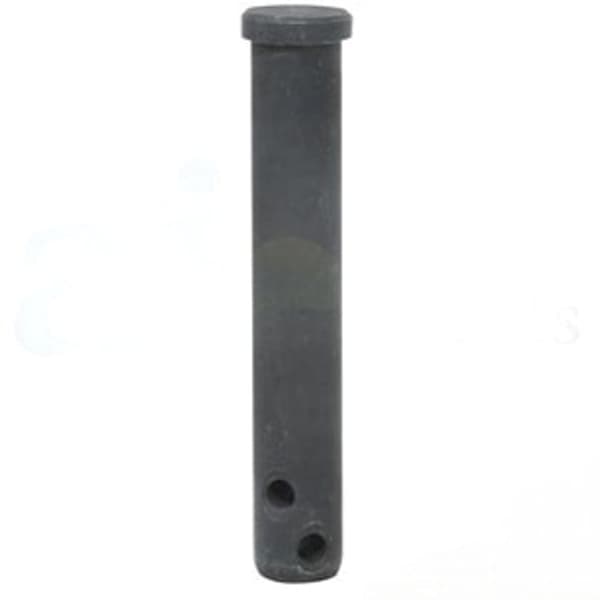
- Drawbar Pin: Connects the implement to the drawbar. Ensure you are using the correct diameter pin for your implement. A common size is a 1-inch Drawbar Pin (check your implement's manual for the correct size).
- Drawbar Clevis: The U-shaped fitting on the implement that receives the drawbar and pin.
- Locking Mechanisms (for swinging drawbars): These pins or latches secure the drawbar in a fixed position when needed. For stabilizing a swinging drawbar, consider a Rear Drawbar Support Pin.
- Safety Chains: A crucial safety feature that provides a secondary connection between the tractor and implement in case the drawbar fails.
Common replacement parts include drawbar pins, clevises, safety chain links, and the drawbar itself if it becomes bent or damaged. Regularly inspect these parts for wear and tear, and replace them as needed. Worn drawbar pins can lead to implement detachment, posing a serious safety hazard.
Drawbar Maintenance and Inspection
Proper maintenance is key to ensuring your tractor drawbar operates safely and efficiently. Here's a checklist of essential maintenance tasks:
- Regular Inspection: Before each use, visually inspect the drawbar, pin, clevis, and safety chains for signs of wear, cracks, or damage. Pay close attention to areas around welds and stress points.
- Lubrication: Lubricate the drawbar pin and any moving parts regularly with a high-quality grease. This reduces friction and prevents premature wear.
- Tighten Fasteners: Check and tighten all bolts and nuts that secure the drawbar to the tractor. Loose fasteners can compromise the drawbar's strength and stability. Use a torque wrench and consult your tractor's service manual for the proper torque specifications. For example, drawbar mounting bolts might require a torque of 250-300 ft-lbs on a John Deere 4440.
- Replace Worn Parts: Don't wait until a part breaks completely. Replace worn or damaged parts immediately to prevent accidents and costly repairs. Madison Tractor Company carries a wide range of replacement parts for your convenience.
- Proper Storage: When not in use, store the drawbar in a dry place to prevent rust and corrosion.
Safety Warning: Always use safety chains when towing implements. Ensure the chains are properly connected and of adequate strength to handle the implement's weight. Never exceed the tractor's maximum drawbar load capacity.
Troubleshooting Common Drawbar Problems
Here are some common drawbar problems and how to address them:
- Difficulty Attaching Implements: This can be caused by a bent drawbar, a misaligned clevis, or a seized drawbar pin. Inspect the drawbar for damage and use penetrating oil to loosen a stuck pin.
- Excessive Wear on Drawbar Pin: This is often due to a loose fit between the pin and the clevis. Use a pin of the correct diameter and consider replacing the clevis if it's excessively worn.
- Swinging Drawbar Won't Lock: Check the locking mechanism for damage or debris. Lubricate the mechanism and replace any broken parts. A Rear Drawbar Support Pin is often used to stabilize swinging drawbars.
- Drawbar Frame Cracks: This indicates excessive stress or overloading. Repair the cracks by welding (if qualified) or replace the entire drawbar.
Related Components and Systems
The drawbar is just one part of your tractor's overall implement attachment system. Other important components include:
- Three-Point Hitch: Used for mounting implements directly to the tractor's rear.
- PTO (Power Take-Off): Provides power to implements such as mowers and balers. We carry a variety of PTO parts, including shafts, bearings, and seals.
- Hydraulic System: Powers hydraulic cylinders on implements for lifting, lowering, and other functions. We stock hydraulic pumps, cylinders, and hoses for most tractor models.
- Tractor Tires and Wheels: Proper tractor rear tire selection is crucial for traction and stability when pulling implements. Make sure you choose the correct size and type of tire for your application. Consider adding tractor tire ballast to improve traction. Also, don't forget to check your tractor tire sizes explained to ensure proper fitment.
Choosing the Right Drawbar for Your Needs
Selecting the correct drawbar for your tractor and implements is crucial for safe and efficient operation. Consider the following factors:
- Tractor Horsepower: Choose a drawbar rated for your tractor's horsepower. Exceeding the drawbar's capacity can lead to failure.
- Implement Weight: Ensure the drawbar is strong enough to handle the weight of your heaviest implements.
- Type of Implements: Select a swinging or fixed drawbar based on the type of implements you'll be using and the maneuverability you require.
- Drawbar Category: Drawbars are categorized by size and strength. Choose a category that matches your tractor and implements.
Consult your tractor's owner's manual or a qualified mechanic for guidance on selecting the appropriate drawbar for your specific needs. Many older tractors like the Ford 9N or the International Harvester Farmall Cub might benefit from an upgraded drawbar for modern implements. For combine parts, we can also help with concaves, sickle sections, and other components for brands like Gleaner and John Deere.
Remember to check other key parts as well. For example, a radiator issue can cause major problems if your engine overheats under heavy load. We stock radiators and water pumps for many makes and models. It is always a good idea to check your starters, alternators, filters and fuel pumps to be sure they're in good operating condition!
By understanding the different types of drawbars, performing regular maintenance, and choosing the right components, you can ensure safe and efficient operation of your tractor and implements. Madison Tractor Company is your trusted source for all your tractor drawbar needs.
Shop Tractor Drawbar Parts at Madison Tractor
Madison Tractor Company is your trusted partner for all your tractor parts needs. We carry a wide selection of tractor parts, including drawbars, pins, clevises, and more, for all major brands like John Deere, Case IH, Ford, New Holland, and Kubota. Browse our online catalog or contact our knowledgeable staff for assistance finding the right parts for your tractor. We offer fast shipping and competitive prices to keep you running smoothly all season long! You can also use our AI-Powered Part Finder to search for parts by your specific make and model.
Part of our comprehensive guide
Tractor Tire Size Guide: Read Sizes, Find Replacements & Compare Brands