








Tractor Tire Inner Tube: Sizes & Valve Stem Types
Learn about tractor tire inner tube sizes, valve stem types, and how to choose the right tube for your agricultural tires. This guide covers everything from identifying your tube size to proper installation.
When it comes to keeping your tractor rolling, a good set of tires is essential. But even the best tires can sometimes fall victim to punctures or leaks. That's where a reliable tractor tire tube comes in. At Madison Tractor Company, we understand the importance of having the right parts to keep your equipment running smoothly. This guide will cover everything you need to know about tractor tire tubes, from understanding sizes to selecting the correct valve stem and ensuring proper installation.
Recommended Parts for This Guide
8 parts we recommend — in stock, ships fast, one-click add to cart.
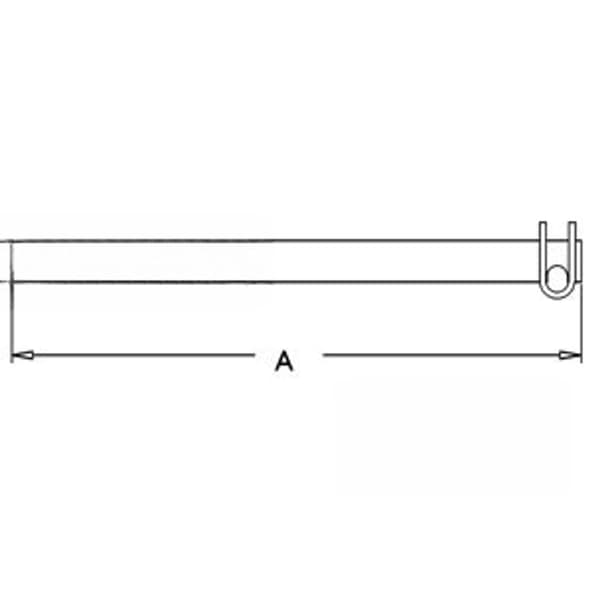
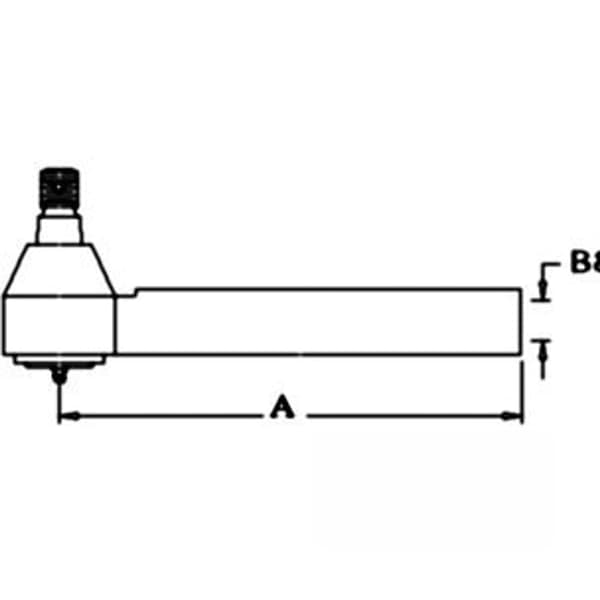
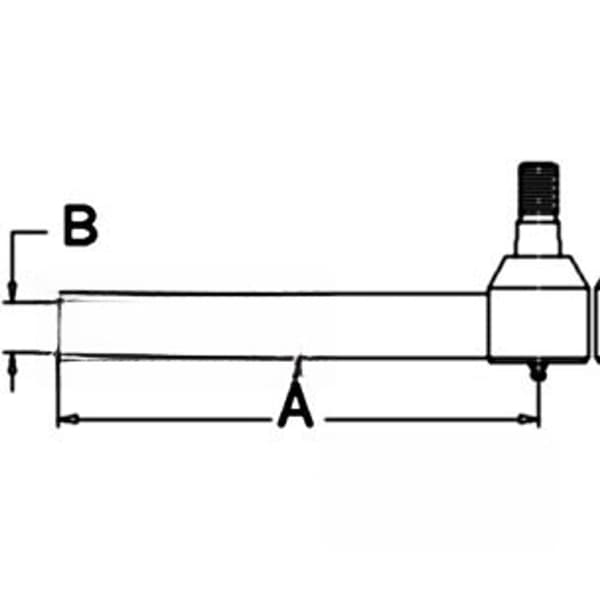
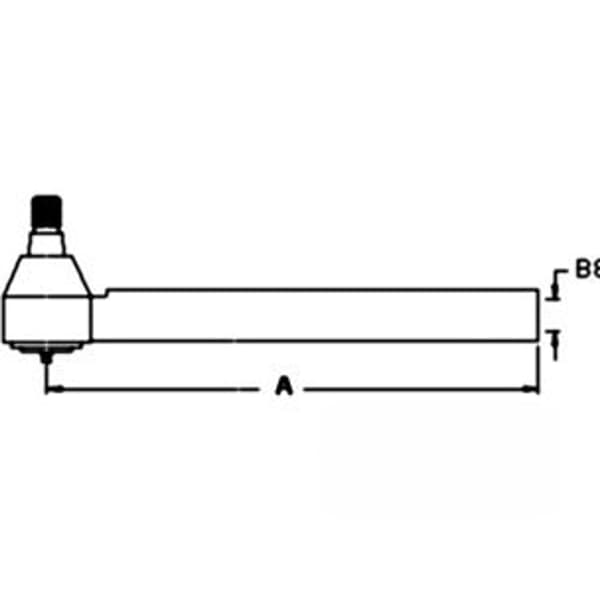
🔍 Looking for a specific part? Try our AI Part Finder — tell it your equipment and what you need, and it will find matching parts instantly.
Don't forget to check out our main Tractor Tires, Wheels & Implement Attachments guide for more information on related topics.
Understanding Tractor Tire Tube Sizes
Just like tires, tractor tire tubes are sized according to the tire they're designed to fit. The markings on your tire will give you all the information you need. If you need a refresher on tire markings, check out our article Tractor Tire Sizes Explained: How to Read the Numbers.
For example, if your tire size is 13.6-28, you'll need a tube designed for a 13.6-28 tire. It's crucial to match the tube size to the tire size. Using an incorrectly sized tube can lead to premature failure due to overstretching or bunching.
Common Tractor Tire Tube Sizes
- Front Tires 4.00-12, 5.00-15, 6.00-16, 7.50-16, 7.50-20
- Rear Tires 11.2-24, 12.4-28, 13.6-28, 14.9-28, 16.9-30, 18.4-34, 20.8-38
- compact tractor tires (See our Compact Tractor Tires: Best Options for Kubota, JD & More guide for tire sizing info)
We carry tubes for various brands, including John Deere, Case IH, Ford/New Holland, Massey Ferguson, Kubota more. When searching for a tube, you might see OEM part numbers like John Deere's (often used in front tires) or Case IH's 3133714R1. Using these OEM numbers or cross-reference numbers ensures you're getting a tube that meets the manufacturer's specifications.
Tractor Tire Tube Valve Stem Types
Valve stems are another critical consideration when selecting a tractor tire tube. The valve stem allows you to inflate and deflate the tire. There are several types of valve stems commonly used in agricultural tires
- TR-13 This is a straight rubber valve stem and a very common style for tractor tires.
- TR-15 Similar to the TR-13, but with a slightly larger base and higher pressure rating.
- TR-218A A straight metal valve stem often found on larger or heavier-duty tires. It's welded to the tube for added strength.
- TR-75A/TR-77A These are angled metal valve stems, typically bent at a 75-degree or 77-degree angle, respectively. They are often used when wheel clearance is an issue or to provide easier access for inflation.
- TR-J A jumbo valve stem for high-flow inflation and deflation, often used in large agricultural tires.
When replacing a tube, it's best to use the same type of valve stem as the original. If you're unsure, consult your tire and wheel specifications or ask one of our experts at Madison Tractor Company. Using the wrong valve stem can lead to leaks or difficulty inflating the tire. Make sure the valve stem core (the inner part that allows air to flow) is tight and in good condition. These cores are replaceable and readily available.
Choosing the Right Tractor Tire Tube
Beyond size and valve stem, several other factors can influence your choice of tractor tire tube
- Ply Rating While tubes themselves don't have a ply rating, they should be compatible with the tire's ply rating. Using a tube designed for a lower-ply tire in a higher-ply tire can lead to premature failure.
- Butyl Rubber vs. Natural Rubber Butyl rubber tubes offer better air retention and resistance to heat and aging compared to natural rubber tubes. However, natural rubber tubes are often more puncture-resistant.
- Heavy-Duty Tubes For demanding applications or rocky terrain, consider using heavy-duty tubes, which are thicker and more resistant to punctures and abrasions.
Consider the operating conditions of your tractor. If you frequently work in fields with sharp stubble or rocks, a heavy-duty tube is a worthwhile investment. Also, consider if you plan to use Tractor Tire Ballast: Water, Calcium & Beet Juice Fill. If so, ensure your tube is compatible with the chosen ballast material. Calcium chloride, in particular, can corrode some tube materials over time.
Installing a Tractor Tire Tube: Step-by-Step
Installing a tractor tire tube requires care and attention to detail. Here's a general guide, but always consult your tractor's service manual for specific instructions.
- Safety First Always deflate the tire completely before attempting to remove it from the rim. Use proper lifting equipment to handle heavy tires and wheels. Never stand directly in front of a tire while inflating it, as a blowout can be extremely dangerous.
- Remove the Wheel Safely jack up the tractor and remove the wheel according to the manufacturer's instructions.
- Deflate and Remove the Old Tire Using tire irons or a tire machine, carefully break the bead of the tire from the rim. Remove the old tube (if present).
- Inspect the Tire and Rim Thoroughly inspect the inside of the tire for any sharp objects, debris, or damage. Clean the rim and check for rust or damage that could puncture the new tube. Wire brush any rust from the rim and apply a thin coat of rubber lubricant.
- Install the New Tube Lightly inflate the new tube just enough to give it some shape. Insert the valve stem through the hole in the rim. Carefully work the tire back onto the rim, ensuring the tube isn't pinched or twisted. Use tire irons or a tire machine to seat the tire bead properly.
- Inflate the Tire Inflate the tire to the recommended pressure, as specified in your tractor's operator manual or on the tire sidewall. Check the bead seating as you inflate. If the bead doesn't seat properly, deflate the tire, reposition it try again.
- Check for Leaks After inflating, check for leaks around the valve stem and the tire bead. Use soapy water to identify any leaks.
- Reinstall the Wheel Reinstall the wheel on the tractor, tightening the lug nuts to the specified torque. Refer to your tractor's service manual for the correct torque specifications.
Safety Warning Always use a tire cage when inflating large tractor tires. A tire cage provides a barrier in case of a tire blowout, preventing serious injury.
Tractor Maintenance and Tire Care
Proper maintenance is crucial for extending the life of your tractor tires and tubes. Regularly check your tire pressure and adjust as needed. Inspect your tires for signs of wear, damage, or cracking. Keep your tires clean and free of debris. Store your tractor in a covered area to protect the tires from sun and weather damage. Consider using Tractor Tire Chains: Sizing, Installation & Best Types in icy or snowy conditions. Also, make sure you're using the right Tractor Wheel Weights: Suitcase, Wheel & Front Weights for your applications, as improper weight distribution can cause uneven tire wear.
While you're at it, regular maintenance on other parts of your tractor is essential. Madison Tractor Company carries a wide range of parts for John Deere, Case IH, Ford, New Holland, Massey Ferguson, Kubota, Allis Chalmers, Deutz, International Harvester, Oliver, White, Gleaner, Vermeer, Hesston, Mahindra Zetor tractors. We have radiators, water pumps, starters, alternators, hydraulic pumps, cylinders, clutch kits, PTO parts, fuel pumps, carburetors, injectors, filters, gaskets, pistons, bearings, seals, belts, chains, concaves sickle sections.
Where to Buy Tractor Tire Tubes and Parts
At Madison Tractor Company, we're committed to providing high-quality parts and excellent customer service. We offer a wide selection of tractor tire tubes to fit various tire sizes and valve stem configurations. Our knowledgeable staff can help you choose the right tube for your specific needs. Visit our website or contact us today to find the perfect tractor tire tube for your machine!
When you need replacement parts for your John Deere 4020, Case IH 7140, Ford 8N, or any other make and model, think of Madison Tractor. We stock parts for tractors, combines, hay equipment other farm machinery, ensuring you have what you need to keep your operation running smoothly.
Browse our online catalog or contact our team today to find the right parts for your tractor!
Shop Tractor Tire Tubes Shop Tractor Tire Tubes You can also use our AI-Powered Part Finder to search for parts by your specific make and model.
Part of our comprehensive guide
Tractor Tire Size Guide: Read Sizes, Find Replacements & Compare Brands