







Bush Hog Blade Replacement: Rotary Cutter Knives
Replacing your bush hog blades, or rotary cutter knives, is crucial for maintaining efficient cutting and preventing damage. This guide covers everything you need to know about selecting the right blades, safely removing old ones, and installing new ones.
Introduction to bush hog blades: rotary cutter knives
The terms “bush hog” and “rotary cutter” are often used interchangeably. Regardless of what you call it, this implement is an indispensable tool for farmers, ranchers, and property owners alike. Regular maintenance is crucial for optimal performance and safety. One of the most critical maintenance tasks is replacing your bush hog blades, also known as rotary cutter knives.
Recommended Parts for This Guide
10 parts we recommend — in stock, ships fast, one-click add to cart.
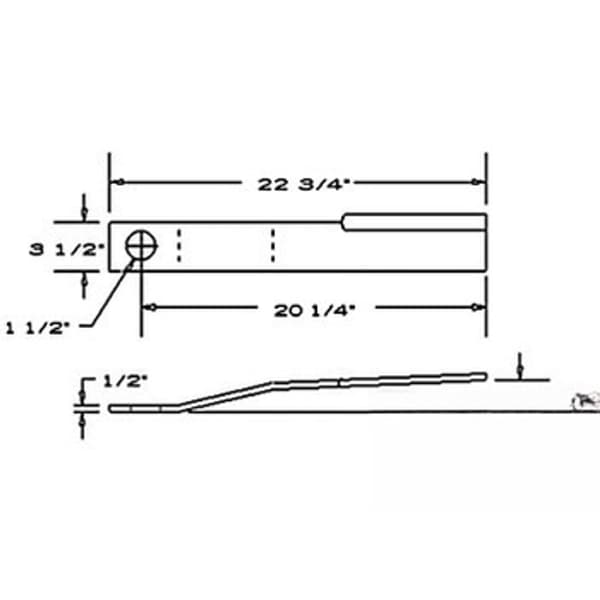
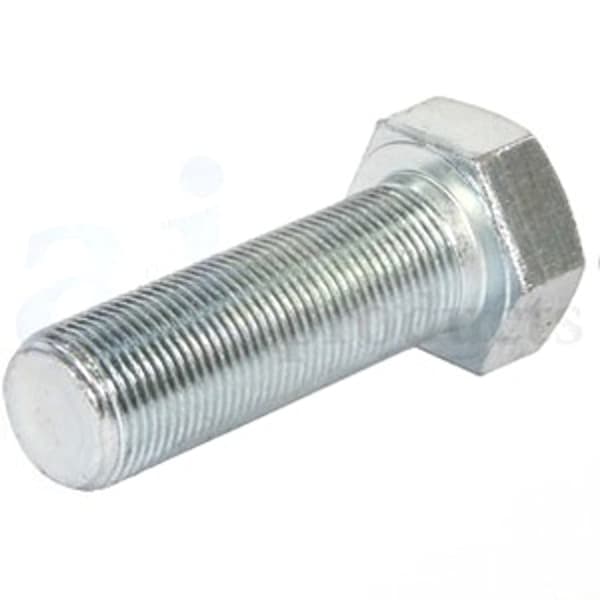
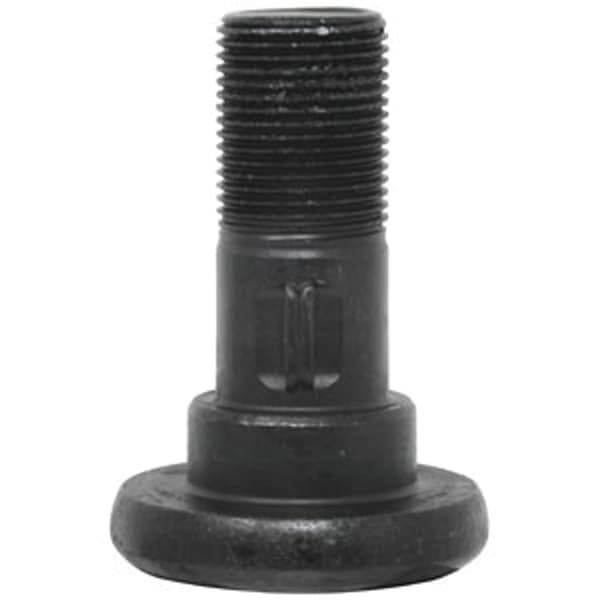
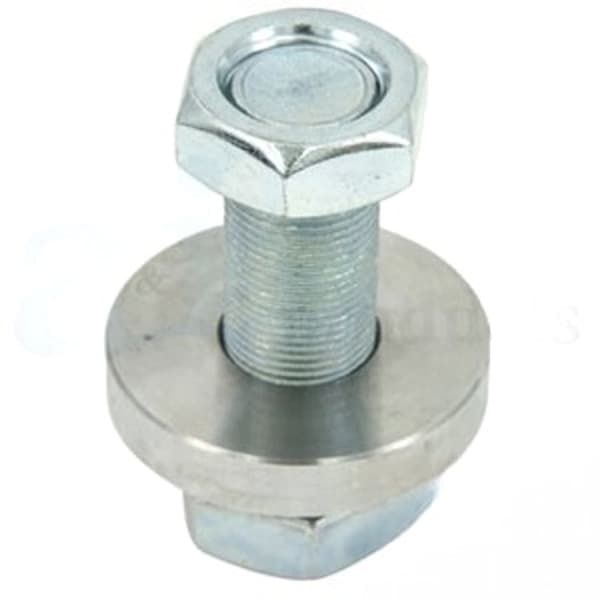
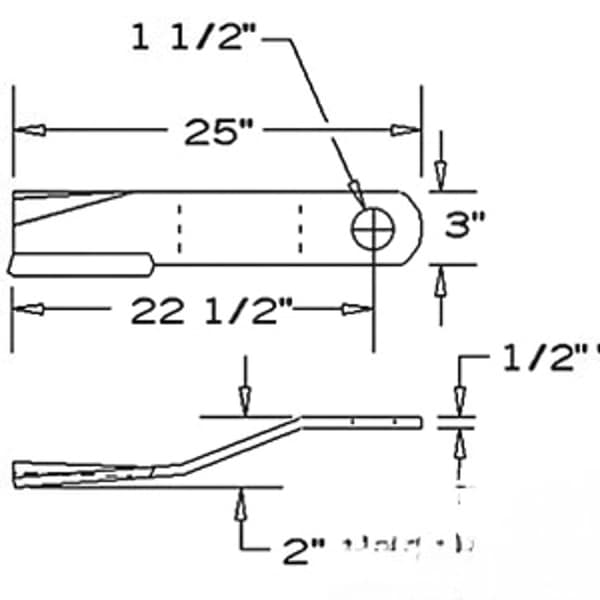
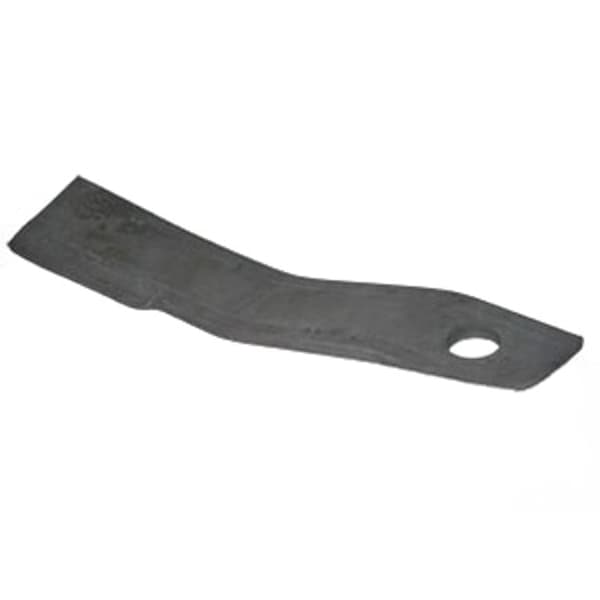
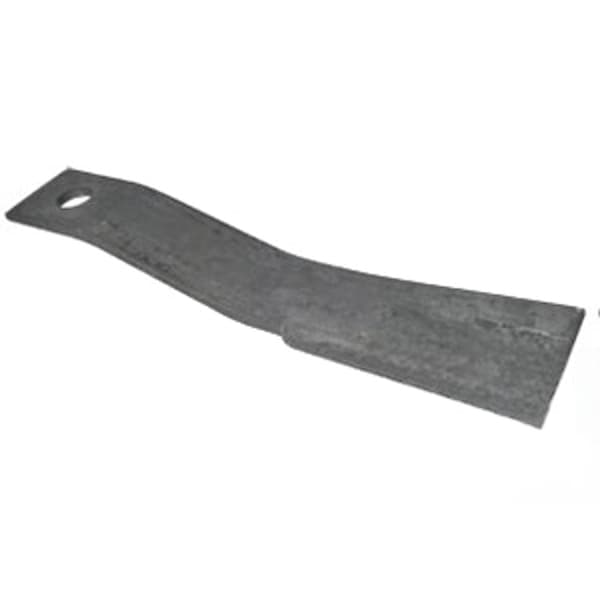
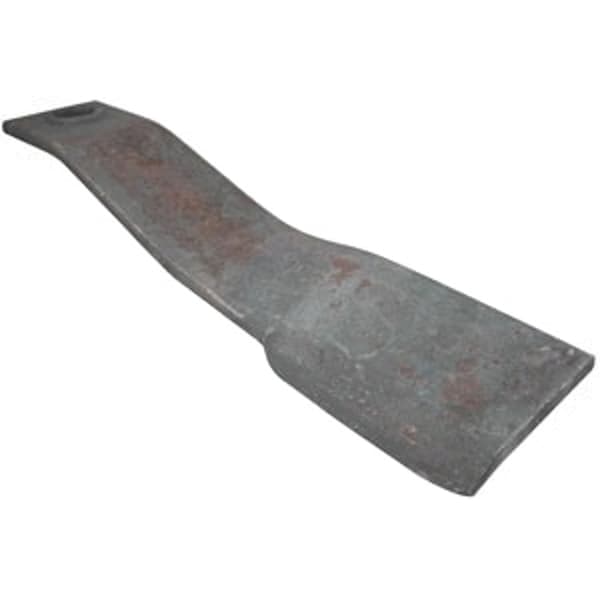
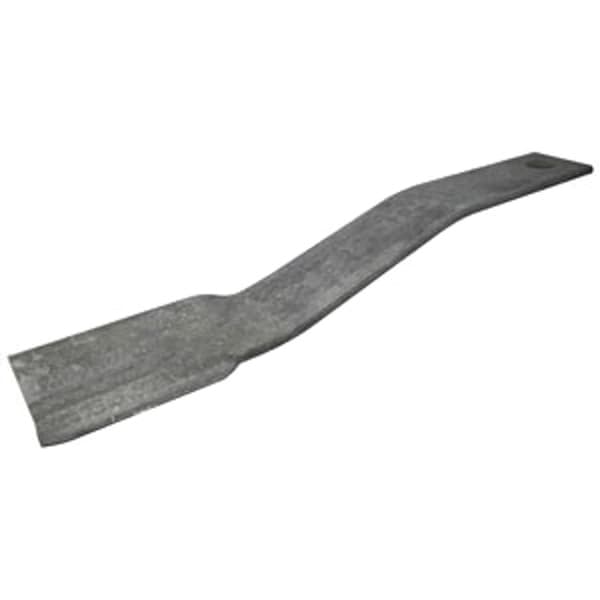
🔍 Looking for a specific part? Try our AI Part Finder — tell it your equipment and what you need, and it will find matching parts instantly.
Dull, damaged, or unbalanced blades can significantly reduce cutting efficiency, increase fuel consumption, and even damage the gearbox and other components. This guide will walk you through the process of selecting the right blades, safely removing the old ones, and installing the new ones. We'll also cover some essential maintenance tips to keep your rotary cutter running smoothly.
Why Replace Your Bush Hog Blades?
Several factors indicate it's time to replace your bush hog blades:
- Dullness: Over time, blades become dull, requiring more power to cut through vegetation. This leads to increased fuel consumption and slower cutting speeds.
- Damage: Impacts with rocks, stumps, or other debris can cause bending, cracking, or chipping of the blades.
- Unbalance: Damaged or unevenly worn blades can cause vibrations that can damage the gearbox and other components.
- Excessive Wear: Even without visible damage, blades will wear down over time, reducing their effectiveness.
Ignoring these issues can lead to:
- Reduced Cutting Performance: You'll spend more time and fuel to cover the same amount of ground.
- Increased Strain on Tractor: A dull or unbalanced rotary cutter puts unnecessary strain on your tractor's engine and PTO system.
- Potential Damage to Equipment: Vibrations from unbalanced blades can damage the gearbox, bearings, and other components, leading to costly repairs. You don't want to replace a PTO parts if you can avoid it!
- Safety Hazards: Damaged blades can break apart during operation, posing a serious safety risk.
Choosing the Right Bush Hog Blades
Selecting the correct replacement blades is crucial for optimal performance and longevity. Consider the following factors:
- Blade Type: There are primarily two types of bush hog blades:
- Standard Blades: These are the most common type and are suitable for general-purpose cutting of grass, weeds, and light brush.
- Heavy-Duty Blades: These blades are thicker and more durable, designed for tougher cutting conditions, such as heavy brush, small trees, and rocky terrain.
- Blade Length: The blade length must match the original blades to ensure proper balance and cutting performance. Measure the length of your old blades or consult your rotary cutter's manual.
- Blade Width and Thickness: These dimensions affect the blade's strength and durability. Heavy-duty blades are typically wider and thicker than standard blades.
- Mounting Hole Size and Pattern: The mounting holes must match the spindle on your rotary cutter. Ensure the hole size and pattern are correct before purchasing.
- Material: Blades are typically made from hardened steel for strength and durability. Look for blades made from high-quality steel for longer life.
When selecting blades, consider the type of vegetation you'll be cutting and the terrain you'll be operating in. For example, if you're primarily cutting grass and weeds on relatively flat terrain, standard blades will likely suffice. However, if you're cutting heavy brush and small trees on rocky terrain, heavy-duty blades are a better choice. Check your filters regularly if you work in dusty environments!
Always consult your rotary cutter's manual for specific blade recommendations. You can also find replacement blades by searching for parts for your specific machine, for example a John Deere or Kubota tractor and implement on our website. Madison Tractor carries a wide selection of bush hog blades for all major brands, including John Deere, Case IH, Ford, New Holland, Massey Ferguson, Kubota, Allis Chalmers, Deutz, International Harvester, Oliver, White, Gleaner, Vermeer, Hesston, Mahindra, and Zetor. If you are working on older equipment, we also carry parts for All Makes!
Tools and Materials Needed
Before you begin, gather the necessary tools and materials:
- New Bush Hog Blades
- Wrench or Socket Set (matching the blade mounting hardware)
- Torque Wrench
- Penetrating Oil (such as WD-40)
- Gloves
- Safety Glasses
- Wheel Chocks (for added safety)
- Jack (if needed to access the blades)
- Wooden blocks or sturdy supports
- Wire brush (for cleaning spindles)
Safety First!
Safety is paramount when working with any machinery. Follow these precautions:
- Disconnect the PTO: Before starting any maintenance, ensure the PTO shaft is completely disconnected from the tractor.
- Engage the Parking Brake: Always engage the tractor's parking brake and chock the wheels to prevent accidental movement.
- Lower the Rotary Cutter: Lower the rotary cutter to the ground or support it securely with wooden blocks or a jack.
- Wear Safety Gear: Always wear safety glasses and gloves to protect your eyes and hands.
- Work on a Level Surface: Ensure the tractor and rotary cutter are on a level surface to prevent tipping or rolling.
- Never Work Alone: It's always a good idea to have someone nearby in case of an emergency.
Step-by-Step Blade Replacement Guide
Follow these steps to safely and effectively replace your bush hog blades:
- Prepare the Rotary Cutter: Disconnect the PTO, engage the parking brake, and lower the rotary cutter to the ground or support it securely.
- Apply Penetrating Oil: Apply penetrating oil to the blade mounting bolts or nuts to loosen them. Let it soak for several minutes.
- Loosen the Mounting Hardware: Use a wrench or socket to loosen the blade mounting bolts or nuts. Be prepared for some resistance, especially if they haven't been removed in a while. If you are also working on your tractor, now is a good time to inspect the tractor tire chains if you use them.
- Remove the Old Blades: Once the mounting hardware is loose, carefully remove the old blades. Note the orientation of the blades and hardware for reinstallation.
- Clean the Spindles: Use a wire brush to clean the spindles and remove any rust or debris.
- Install the New Blades: Install the new blades, ensuring they are oriented correctly. Refer to your rotary cutter's manual or the orientation of the old blades.
- Tighten the Mounting Hardware: Tighten the blade mounting bolts or nuts to the manufacturer's specified torque. Use a torque wrench to ensure proper tightening. Over-tightening can damage the bolts or spindles, while under-tightening can cause the blades to loosen during operation. A common torque specification is between 150-200 ft-lbs, but refer to your manual for the correct value.
- Double-Check: Double-check that all bolts and nuts are securely tightened.
- Test Run: Before putting the rotary cutter back into service, perform a test run in a safe area to ensure the blades are properly installed and balanced.
Example: Replacing blades on a John Deere MX6 rotary cutter. First, ensure the mower is disconnected from the PTO shaft. Use a 1 1/8" socket to loosen the blade bolts. New blades should be installed with the cupped side facing upward. Torque the bolts to 180 ft-lbs.
Blade Maintenance Tips
Regular maintenance can extend the life of your bush hog blades and ensure optimal performance:
- Inspect Blades Regularly: Check the blades regularly for damage, wear, and tightness.
- Sharpen Blades: Sharpen dull blades to improve cutting performance. You can use a grinder or file to sharpen the blades.
- Balance Blades: If you sharpen your blades, balance them afterwards to prevent vibrations.
- Lubricate Moving Parts: Lubricate the gearbox and other moving parts according to the manufacturer's recommendations. Check the hydraulic pumps and hydraulic cylinders too!
- Store Properly: When not in use, store the rotary cutter in a dry place to prevent rust and corrosion.
Proper blade maintenance is also affected by tire condition and ballast. Uneven wear can contribute to vibration. Make sure your tractor front tire and tractor rear tire pressure is at the proper PSI and consider adding tractor tire ballast if needed.
Troubleshooting Common Problems
- Vibrations: Vibrations can be caused by unbalanced blades, loose mounting hardware, or damage to the gearbox. Inspect the blades and hardware, and check the gearbox for damage.
- Poor Cutting Performance: Poor cutting performance can be caused by dull blades, incorrect blade height, or a clogged discharge chute. Sharpen the blades, adjust the blade height, and clear the discharge chute.
- Blade Breakage: Blade breakage can be caused by impacts with rocks or other debris, or by using the wrong type of blades for the cutting conditions. Use heavy-duty blades for tougher cutting conditions and avoid hitting obstacles.
Remember to consult your rotary cutter's manual for specific troubleshooting tips.
Find Your Bush Hog Blades at Madison Tractor!
Replacing your bush hog blades is a crucial part of maintaining your rotary cutter and ensuring optimal performance and safety. By following the steps outlined in this guide, you can safely and effectively replace your blades and keep your rotary cutter running smoothly for years to come.
At Madison Tractor Company, we carry a wide selection of high-quality bush hog blades and blade bolt kits for all major brands, including John Deere, Case IH, Ford, New Holland, Massey Ferguson, Kubota, and more. We also stock a comprehensive range of other tractor parts, including radiators, water pumps, starters, alternators, hydraulic pumps, cylinders, clutch kits, PTO parts, fuel pumps, carburetors, injectors, filters, gaskets, pistons, bearings, seals, belts, chains, concaves, and sickle sections. Our experienced team is always available to help you find the right parts for your needs. Shop our online store today or contact us for assistance!
Don't forget to check out our other guides on tractor tire sizes explained, compact tractor tires, and tractor wheel weights!
🔍 Can't Find Your Part?
Use our AI-Powered Part Finder to search by your equipment's make, model, and what you need. It's the fastest way to find the exact part for your machine.
Try the Part Finder →Part of our comprehensive guide
Tractor Tire Size Guide: Read Sizes, Find Replacements & Compare Brands