







Tractor Loader Bucket: Size Options & Bolt-On Teeth
Choosing the right tractor loader bucket is crucial for efficient work. This guide covers sizing considerations, bolt-on teeth options, and maintenance tips to help you maximize your tractor's performance.
Introduction to Tractor Loader Buckets
A tractor loader bucket is an indispensable attachment for any farm, ranch, or construction site. From moving gravel and loading manure to handling hay bales and clearing snow, a versatile bucket significantly enhances your tractor's utility. But with so many options available, selecting the right bucket size and features can feel overwhelming. This guide will walk you through the key considerations for choosing a tractor loader bucket that meets your specific needs.
Recommended Parts for This Guide
5 parts we recommend — in stock, ships fast, one-click add to cart.
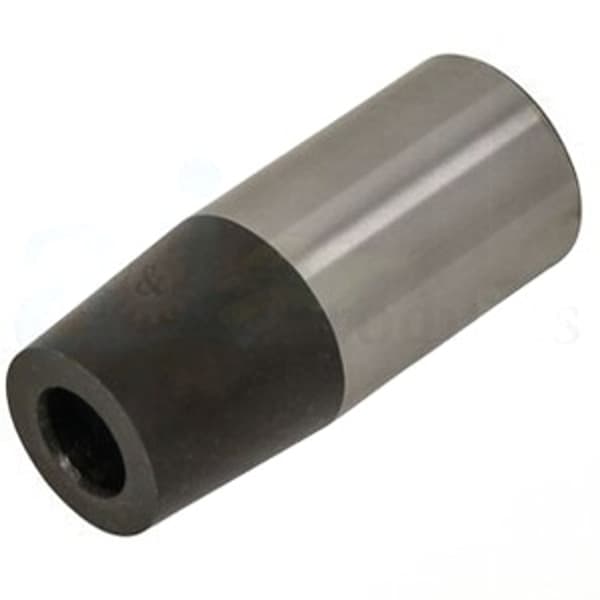
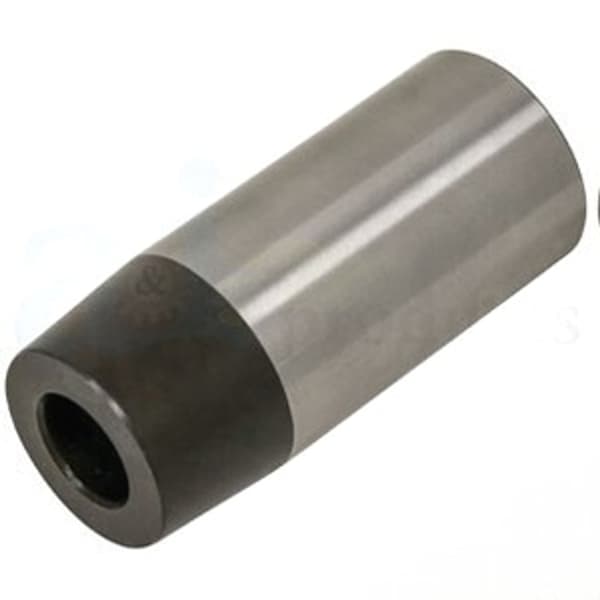
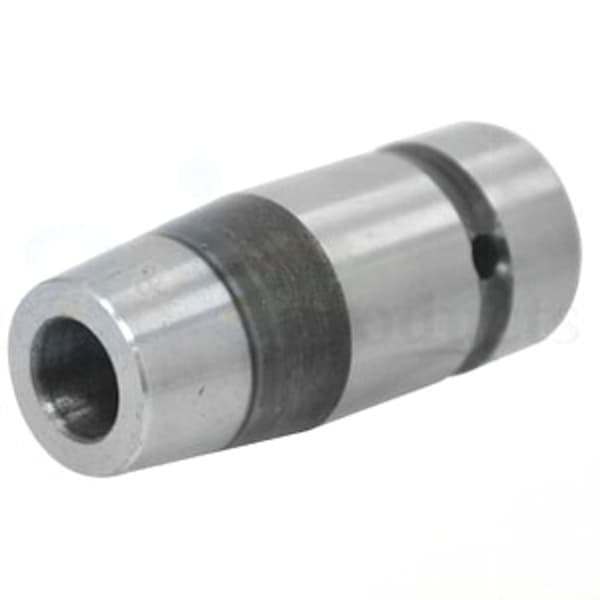
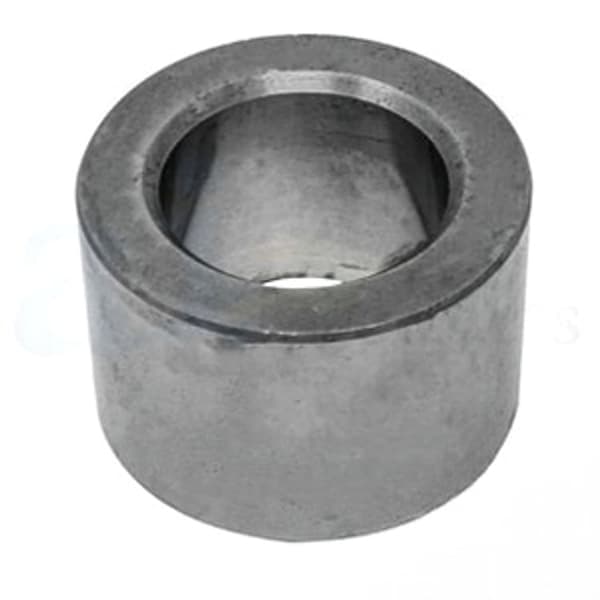
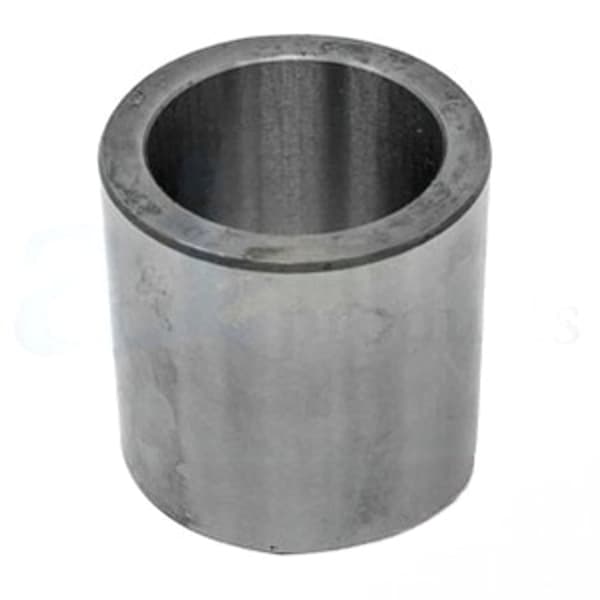
🔍 Looking for a specific part? Try our AI Part Finder — tell it your equipment and what you need, and it will find matching parts instantly.
Understanding Tractor Loader Bucket Sizes
Bucket size is typically measured in cubic feet or cubic yards, indicating the bucket's volumetric capacity. The appropriate size depends primarily on two factors: your tractor's horsepower and the material you'll be handling.
Matching Bucket Size to Tractor Horsepower
Overloading a bucket can strain your tractor's hydraulic system and potentially damage the front axle and frame. A good rule of thumb is to consult your tractor's operator manual for recommended bucket sizes. Here's a general guideline
- Sub-compact tractors (under 30 HP) Typically compatible with buckets ranging from 4 to 6 cubic feet.
- Compact tractors (30-50 HP) Can handle buckets from 6 to 12 cubic feet.
- Utility tractors (50-80 HP) Suitable for buckets from 12 to 20 cubic feet.
- Agricultural tractors (80+ HP) Capable of using larger buckets exceeding 20 cubic feet.
For example, a Kubota L3901 (around 37 HP) is generally paired with a bucket in the 6-8 cubic foot range. Similarly, a John Deere 5075E (75 HP) can effectively utilize a 16-20 cubic foot bucket.
Keep in mind that these are just guidelines. Factors such as material density and the tractor's front-end loader model also play a role. Always prioritize safety and avoid exceeding your tractor's lifting capacity.
Considering Material Density
The weight of the material you'll be handling is another crucial factor. Heavy materials like gravel, wet soil, or sand require smaller buckets to avoid overloading. Lighter materials like mulch, snow, or wood chips can be handled with larger buckets. Here's a general guide
- Light Materials (Mulch, Snow) Larger buckets are acceptable, potentially exceeding recommended HP range.
- Medium Materials (Dry Soil, Manure) Stick to the HP-recommended bucket size.
- Heavy Materials (Gravel, Wet Soil, Sand) Consider a smaller bucket than your tractor's HP would normally allow.
Types of Tractor Loader Buckets
Beyond size, different types of buckets are designed for specific tasks
- General Purpose Buckets The most common type, suitable for a wide range of tasks.
- Light Material Buckets Larger capacity for handling materials like snow or wood chips.
- Rock Buckets Feature tines or teeth for sifting through rocks and debris.
- Manure Buckets Designed for handling manure with a higher back for spillage control.
- Grapple Buckets Feature a grapple arm for gripping and lifting irregular objects like logs or brush.
Madison Tractor Company carries a wide range of tractor attachments, including buckets from leading manufacturers like John Deere, Case IH, Ford/New HollandMassey Ferguson. We also stock replacement parts for your existing buckets, including pins and bushings.
The Advantages of Bolt-On Bucket Teeth
Bolt-on bucket teeth are a valuable addition for many applications, particularly those involving digging or scraping. Here's why you might consider them
Improved Digging Performance
Teeth concentrate the bucket's force onto a smaller area, making it easier to penetrate hard-packed soil, gravel, or even frozen ground. This is especially helpful when digging trenches, excavating foundations, or removing stumps.
Increased Bucket Protection
bolt-on teeth act as a sacrificial layer, protecting the leading edge of your bucket from wear and tear. This can significantly extend the life of your bucket, saving you money in the long run.
Enhanced Material Handling
Teeth provide a better grip on materials like rocks, logs demolition debris, making it easier to load and transport them.
Choosing the Right Bolt-On Teeth
When selecting bolt-on teeth, consider the following factors
- Tooth Style Different tooth styles are designed for specific applications. Common options include:
- Tiger Teeth Aggressive teeth for penetrating hard materials.
- Chisel Teeth Durable teeth for general-purpose digging.
- Spade Teeth Wide teeth for scooping and leveling.
- Tooth Material Look for teeth made from high-strength steel alloys for maximum durability.
- Compatibility Ensure the teeth are compatible with your specific bucket model.
Many Ford/New Holland tractor buckets utilize bolt-on teeth with a common bolt pattern. Similarly, John Deere buckets often use a standardized system. Check your bucket's specifications or consult with a Madison Tractor Company parts expert to confirm compatibility. We can often cross-reference OEM part numbers like John Deere or New Holland 86517864 to find the correct teeth for your bucket.
Installing Bolt-On Bucket Teeth
Installing bolt-on teeth is a relatively straightforward process that can be done with basic tools.
- Prepare the Bucket Clean the bucket's leading edge and remove any debris.
- Position the Teeth Align the teeth with the pre-drilled holes in the bucket.
- Install the Bolts Insert the bolts through the teeth and the bucket tighten them securely with a wrench.
Safety Warning Always wear safety glasses and gloves when working with tools and equipment. Ensure the tractor is turned off and the bucket is properly supported before beginning installation.
Typical torque specifications for bucket teeth bolts range from 50-75 ft-lbs, but always refer to the manufacturer's recommendations for your specific teeth and bucket.
Maintaining Your Tractor Loader Bucket
Proper maintenance is essential for extending the life of your tractor loader bucket. Here are some tips
- Regular Inspection Inspect the bucket for signs of wear, cracks, or damage.
- Lubrication Grease all pivot points regularly to prevent wear and ensure smooth operation.
- Tighten Bolts Check the tightness of all bolts, including those on the bolt-on teeth, periodically.
- Repair Damage Repair any damage promptly to prevent further deterioration. This may involve welding cracks, replacing worn cutting edges, or replacing damaged teeth.
- Protect from Rust Keep your bucket clean and dry apply a coat of paint or rust inhibitor to prevent corrosion.
Madison Tractor Company stocks a wide range of replacement parts for tractor loader buckets, including cutting edges, wear plates hardware. We also carry essential tractor maintenance items like hydraulic fluid, filtersgrease to keep your entire machine running smoothly.
Hydraulic Considerations
Your tractor's hydraulic system is critical for loader bucket operation. Ensure your hydraulic fluid is at the correct level and is the proper type for your tractor. Low fluid levels can cause sluggish performance the wrong type of fluid can damage seals and other components. Consult your tractor's operator manual for hydraulic fluid specifications and capacity. We stock hydraulic pumps, cylinders other hydraulic components for brands like Allis Chalmers, Deutz, International Harvester, OliverWhite.
Conclusion
Choosing the right tractor loader bucket is a crucial decision that can significantly impact your productivity and efficiency. By considering your tractor's horsepower, the materials you'll be handling the specific tasks you need to perform, you can select a bucket that meets your needs and provides years of reliable service. Don't forget to check out our other articles in the Tractor Tires, Wheels & Implement Attachments series, including tractor tire sizes explained and tractor wheel weights.
Shop Tractor Parts at Madison Tractor Company
At Madison Tractor Company, we're committed to providing our customers with the highest quality parts and expert advice. Whether you need a new radiator, a water pump, a starter, or a complete clutch kit, we have the parts you need to keep your tractor running smoothly. Browse our extensive online catalog or contact our knowledgeable staff for assistance. We carry parts for Gleaner, Vermeer, Hesston, MahindraZetor tractors, as well as a wide selection of combine parts, hay equipment parts other agricultural essentials. Shop Madison Tractor Company today and experience the difference! You can also use our AI-Powered Part Finder to search for parts by your specific make and model.
Part of our comprehensive guide
Tractor Tire Size Guide: Read Sizes, Find Replacements & Compare Brands