








Tractor Fender: Steel & Plastic Replacement Fenders
Tractor fenders protect you and your equipment from debris. This guide covers steel and plastic fenders, repair tips, and replacement options to keep your tractor safe and productive. Find the right fender for your tractor at Madison Tractor!
Introduction to Tractor Fenders
Tractor fenders are more than just aesthetic additions to your machine; they're crucial for safety and functionality. They shield the operator, tractor tires surrounding environment from mud, stones other debris kicked up during operation. Damaged or missing fenders can lead to safety hazards and increased wear and tear on other tractor components. Understanding the types of fenders available, how to maintain them when to replace them is essential for any tractor owner.
Recommended Parts for This Guide
8 parts we recommend — in stock, ships fast, one-click add to cart.
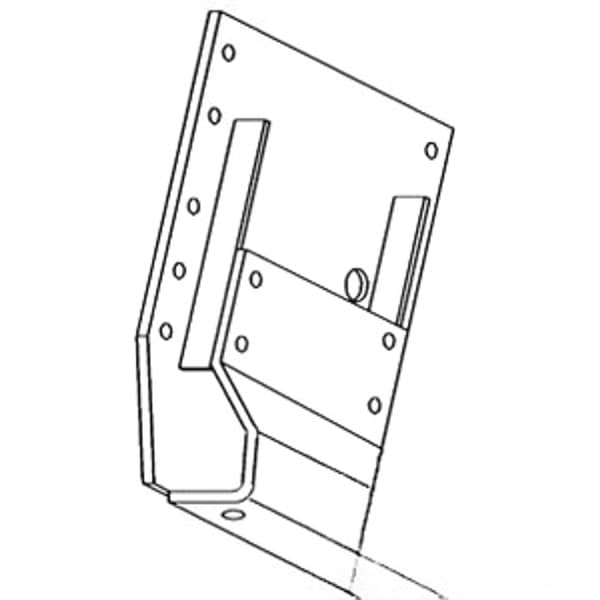
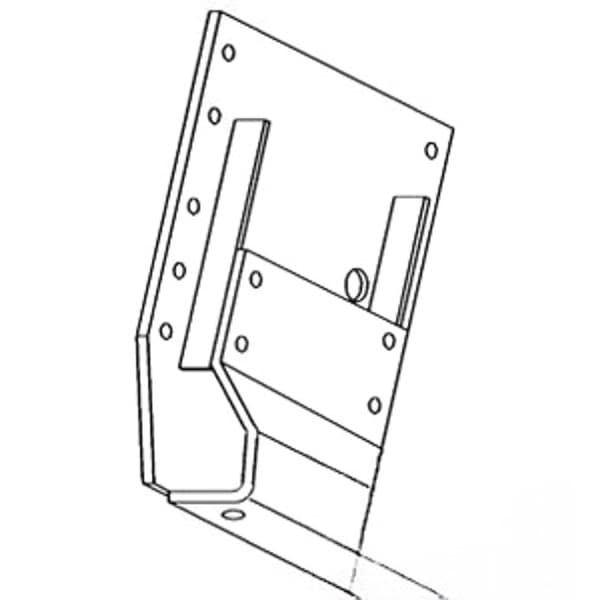
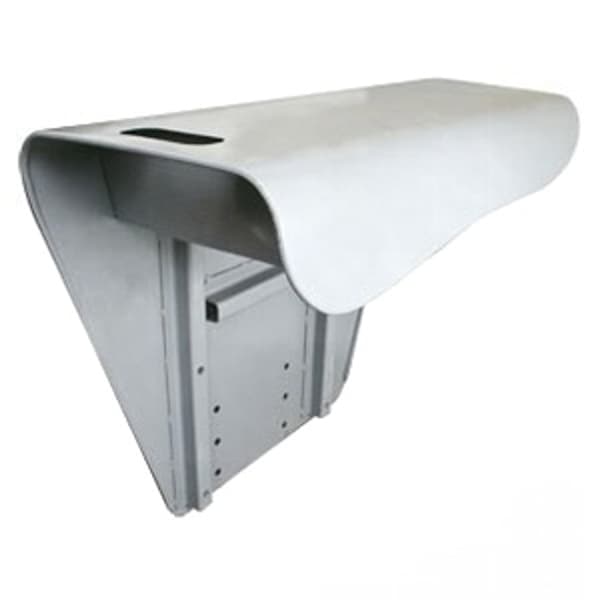
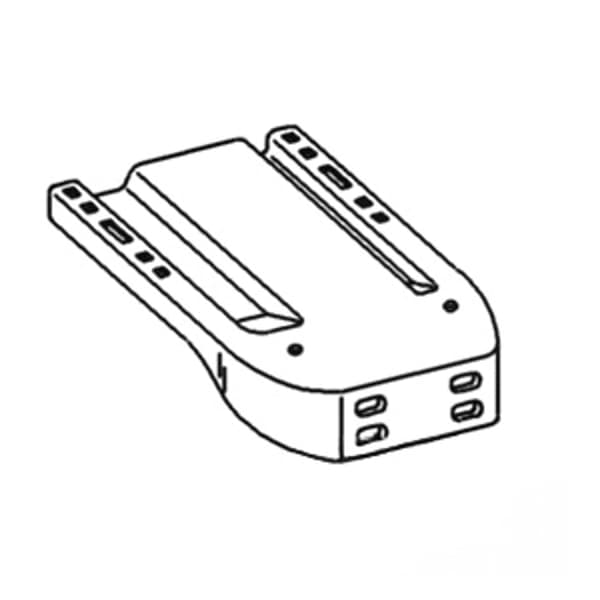
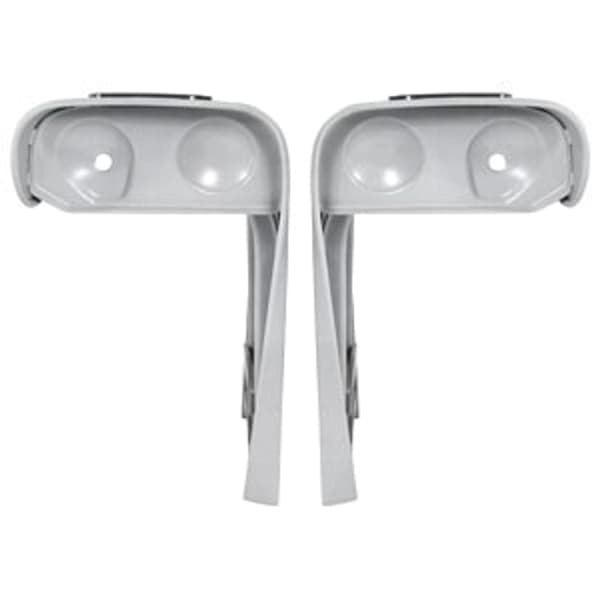
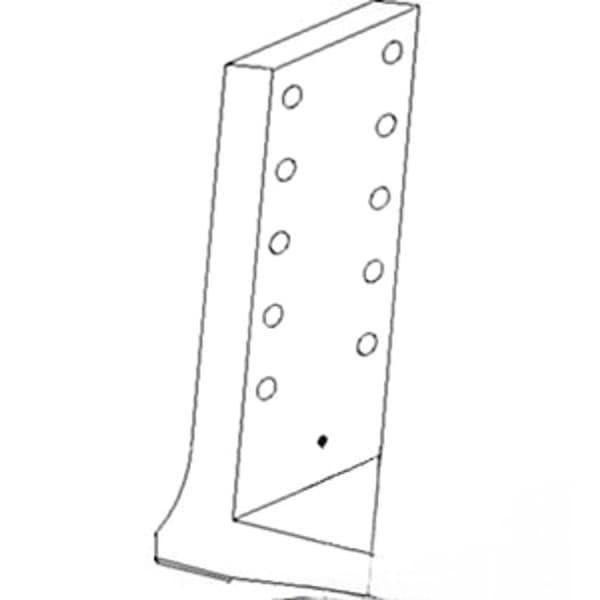
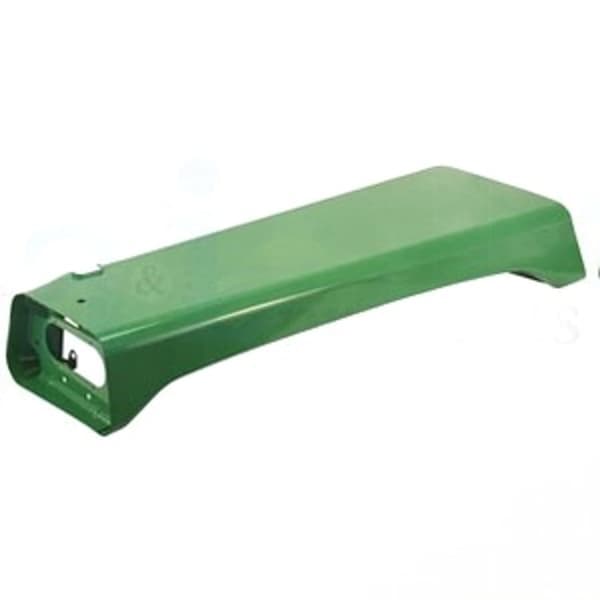
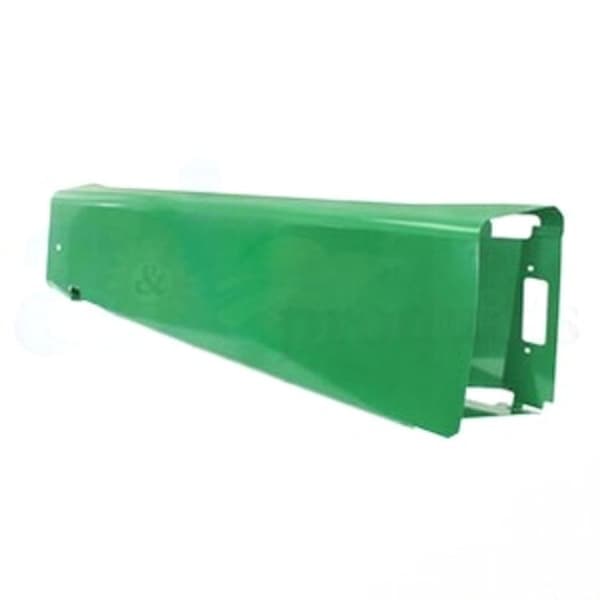
🔍 Looking for a specific part? Try our AI Part Finder — tell it your equipment and what you need, and it will find matching parts instantly.
Whether you own a John Deere, Case IH, Ford, New Holland, Massey Ferguson, Kubota, Allis Chalmers, Deutz, International Harvester, Oliver, White, Gleaner, Vermeer, Hesston, Mahindra, or Zetor, maintaining proper fender condition will contribute to the longevity and safe operation of your tractor.
Types of Tractor Fenders
Tractor fenders come in various styles and materials, each with its own advantages and disadvantages.
Steel Fenders
Steel fenders are known for their durability and strength. They can withstand significant impacts and are less prone to cracking than plastic fenders. They are commonly found on older tractors and heavy-duty agricultural equipment.
Pros
- High durability and resistance to impact
- Easier to repair (welding, patching)
- Often more readily available for older tractor models
Cons
- Heavier than plastic fenders
- Susceptible to rust and corrosion if not properly maintained
- Can dent or bend upon impact
When repairing steel fenders, welding is a common solution for cracks and tears. Rust removal and painting are essential for preventing further corrosion. Common part replacements associated with fender repair might include new LH fender mounting brackets, RH fender mounting brackets, universal fender brackets, U-bolts, fender support brackets and washers.
Plastic Fenders
Plastic fenders are increasingly common on newer tractors due to their lighter weight and resistance to corrosion. They are typically made from high-density polyethylene (HDPE) or similar durable plastics.
Pros
- Lighter weight, reducing overall tractor weight
- Resistant to rust and corrosion
- Generally less expensive than steel fenders
Cons
- More prone to cracking and breaking upon impact
- More difficult to repair effectively
- Can fade or become brittle with prolonged UV exposure
Repairing plastic fenders can be challenging. Specialized plastic welding techniques or patching with epoxy resins may be necessary. Replacing a cracked or broken plastic fender is often the most practical solution.
Assessing Fender Damage
Regularly inspect your tractor fenders for signs of damage. Early detection can prevent minor issues from escalating into major problems.
Common Types of Damage
- Cracks Caused by impacts, stress, or UV exposure (especially in plastic fenders).
- Dents Typically occur in steel fenders from impacts.
- Rust and Corrosion A common issue with steel fenders, especially in areas with high humidity or salt exposure.
- Broken Mounting Points Mounting points can weaken or break due to vibrations or impacts, causing the fender to become loose or detach.
- Fading or Brittleness Plastic fenders can become faded and brittle with prolonged exposure to sunlight.
Inspection Checklist
- Visually inspect the entire fender surface for cracks, dents, rust, or other damage.
- Check the mounting points for looseness or damage.
- Inspect the edges of the fender for signs of wear or chipping.
- Look for any signs of corrosion, especially around bolt holes and seams on steel fenders.
Repairing vs. Replacing Your Tractor Fender
The decision to repair or replace a tractor fender depends on the extent of the damage, the material of the fender your budget.
When to Repair
- Minor cracks in steel fenders that can be welded.
- Small dents in steel fenders that can be hammered out.
- Surface rust that can be removed and repainted.
- Loose mounting points that can be tightened or reinforced.
When to Replace
- Large cracks or breaks in plastic fenders.
- Extensive rust or corrosion that has weakened the steel.
- Severely damaged mounting points that cannot be repaired.
- When the cost of repair exceeds the cost of a new fender.
Replacing a Tractor Fender: Step-by-Step
Replacing a tractor fender is a straightforward process that can be completed with basic tools. Remember to always consult your tractor's service manual for specific instructions and torque specifications.
Safety First Before starting any work, ensure the tractor is parked on a level surface, the engine is turned off the parking brake is engaged. Disconnect the battery to prevent accidental starts.
Tools You'll Need
- Socket set and wrenches
- Screwdrivers (Phillips and flathead)
- Pry bar (if needed)
- Penetrating oil
- New fender and mounting hardware
- Torque wrench
- Safety glasses and gloves
Step-by-Step Instructions
- Preparation Gather your tools and new fender. Spray penetrating oil on any rusted or stubborn bolts.
- Remove the Old Fender Locate the mounting bolts or screws that secure the old fender to the tractor. Use the appropriate socket or wrench to remove them. You may need to use a pry bar to gently loosen the fender if it is stuck.
- Clean the Mounting Surface Once the old fender is removed, clean the mounting surface on the tractor. Remove any rust, dirt, or debris that could interfere with the new fender.
- Install the New Fender Position the new fender onto the mounting surface. Align the mounting holes and insert the new bolts or screws.
- Tighten the Mounting Hardware Use a torque wrench to tighten the mounting bolts to the manufacturer's specified torque. Refer to your tractor's service manual for the correct torque specifications. For example, a John Deere 4020 might have different torque specs than a Kubota B2650. Using the wrong torque can damage the fender or the tractor frame.
- Verify Alignment Double-check that the fender is properly aligned and securely attached. Ensure that it does not interfere with the movement of the tractor tire or other components.
- Reconnect the Battery Once the fender is securely installed, reconnect the tractor battery.
Finding the Right Replacement Fender at Madison Tractor
At Madison Tractor Company, we understand the importance of having functional and durable fenders for your tractor. We carry a wide selection of replacement fenders for all major brands, including John Deere, Case IH, Ford, New Holland, Massey Ferguson, Kubota, Allis Chalmers, Deutz, International Harvester, Oliver, White, Gleaner, Vermeer, Hesston, Mahindra Zetor. Whether you need a steel fender for a classic International Harvester 806 or a plastic fender for a modern John Deere 5075E, we have you covered, including options like a fender with 1 light (LH) for specific models.
When searching for a replacement fender, be sure to have your tractor's model number and year of manufacture handy. This will help you find the correct fender that fits your specific tractor. Many fenders are available with OEM part numbers, making it easier to ensure a perfect fit. For example, a replacement fender (LH) painted green or a fender (RH) painted green might be listed with an OEM part number like RE11220 or RE11219.
We also offer a variety of tractor parts to keep your machine running smoothly, including radiators, water pumps, starters, alternators, hydraulic pumps, cylinders, clutch kits, PTO parts, fuel pumps, carburetors, injectors, filters, gaskets, pistons, bearings, seals, belts, chains, concaves sickle sections.
Maintaining Your Tractor Fenders
Proper maintenance can extend the life of your tractor fenders and prevent costly repairs or replacements. Here are some tips for maintaining your fenders
- Regular Cleaning Wash your fenders regularly to remove mud, dirt debris. Use a mild soap and water solution and a soft brush.
- Rust Prevention For steel fenders, apply a rust inhibitor or protective coating to prevent corrosion. Regularly inspect for signs of rust and address them promptly.
- UV Protection For plastic fenders, apply a UV protectant to prevent fading and brittleness. Park your tractor in a shaded area when possible.
- Inspect Mounting Hardware Regularly check the mounting bolts and screws to ensure they are tight. Replace any damaged or worn hardware.
- Avoid Impacts Be mindful of your surroundings and avoid hitting obstacles that could damage your fenders.
While working on your tractor tires and fenders, it's worth checking other related components. Consider this article on tractor tire chains for increased traction in challenging conditions. And if you are having tire issues, you may need to read up on tractor tire tube options.
Safety Considerations
Working on tractor fenders involves certain safety risks. Always follow these guidelines to protect yourself
- Wear Safety Glasses and Gloves Protect your eyes and hands from debris and sharp edges.
- Disconnect the Battery Prevent accidental starts by disconnecting the battery before working on the tractor.
- Use Proper Lifting Techniques If you need to lift or move heavy fenders, use proper lifting techniques to avoid back injuries.
- Work in a Well-Ventilated Area If you are welding or using chemicals, work in a well-ventilated area to avoid inhaling harmful fumes.
- Consult the Service Manual Always refer to your tractor's service manual for specific instructions and safety precautions.
Conclusion
Maintaining your tractor fenders is crucial for safety and the longevity of your equipment. By understanding the types of fenders available, assessing damage following proper repair or replacement procedures, you can keep your tractor in top condition. Remember to prioritize safety and consult your tractor's service manual for specific instructions.
Ready to find the perfect replacement tractor fender? Shop our selection of tractor fenders at Madison Tractor today! We have the parts you need to keep your tractor running smoothly. Don't forget to check out our other tractor front tire and tractor rear tire guides, as well as information about tractor wheel weights and tractor tire ballast.
🔍 Can't Find Your Part?
Use our AI-Powered Part Finder to search by your equipment's make, model, and what you need. It's the fastest way to find the exact part for your machine.
Try the Part Finder →Part of our comprehensive guide
Tractor Tire Size Guide: Read Sizes, Find Replacements & Compare Brands