







Bush Hog Gearbox: Rotary Cutter Gearbox Replacement
A failing bush hog gearbox can halt your mowing operations. This guide provides step-by-step instructions for replacing your rotary cutter gearbox, ensuring you get back to work quickly and safely.
Rotary cutters, often called bush hogs, are essential tools for maintaining pastures, fields, and roadsides. At the heart of your bush hog lies the gearbox, responsible for transferring power from your tractor's PTO to the cutter blades. When this gearbox fails, your mowing comes to a screeching halt. This guide will walk you through the process of diagnosing, removing, and replacing your bush hog gearbox, helping you get back in the field.
Recommended Parts for This Guide
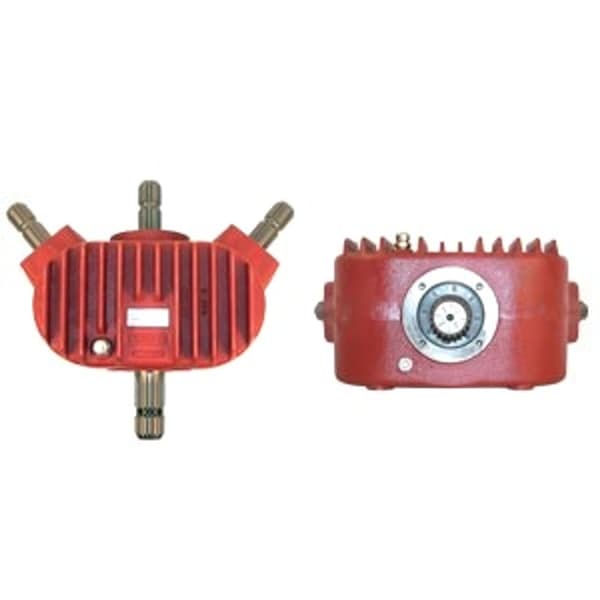
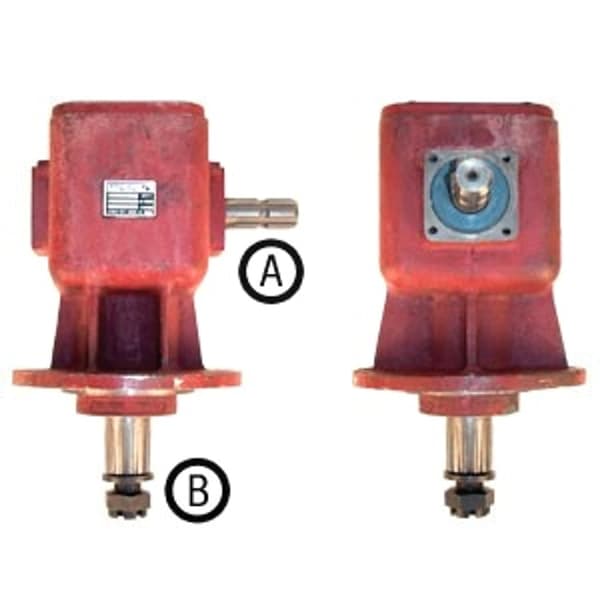
9 parts we recommend — in stock, ships fast, one-click add to cart.
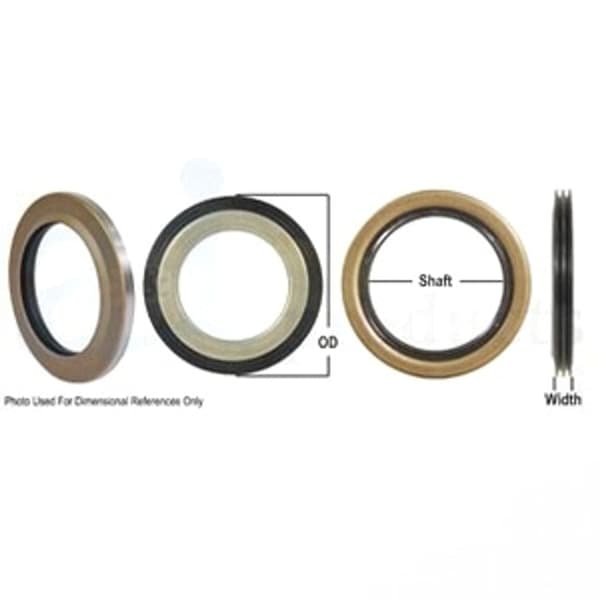
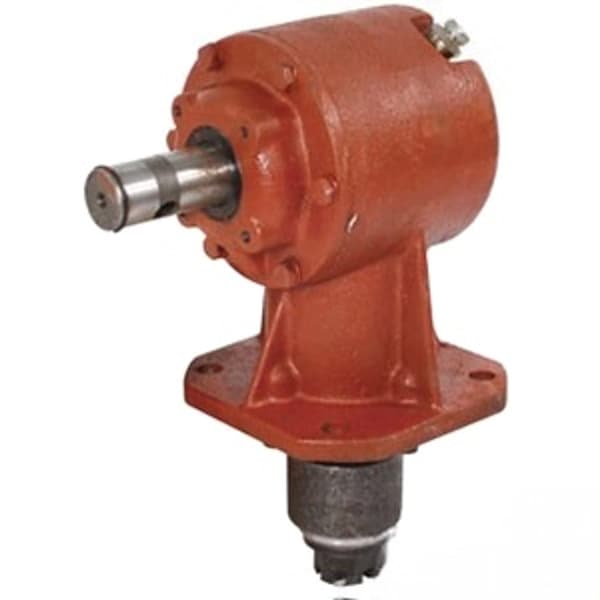
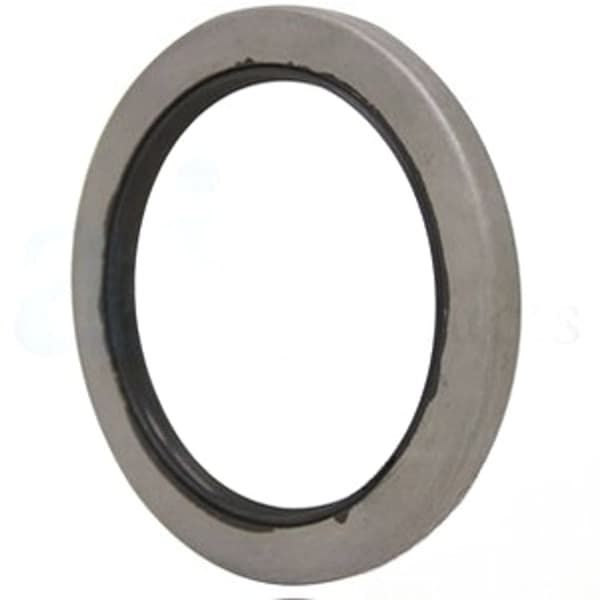
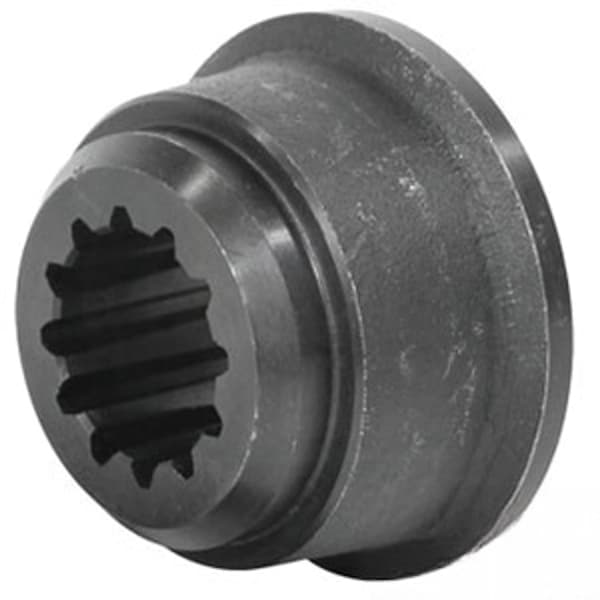
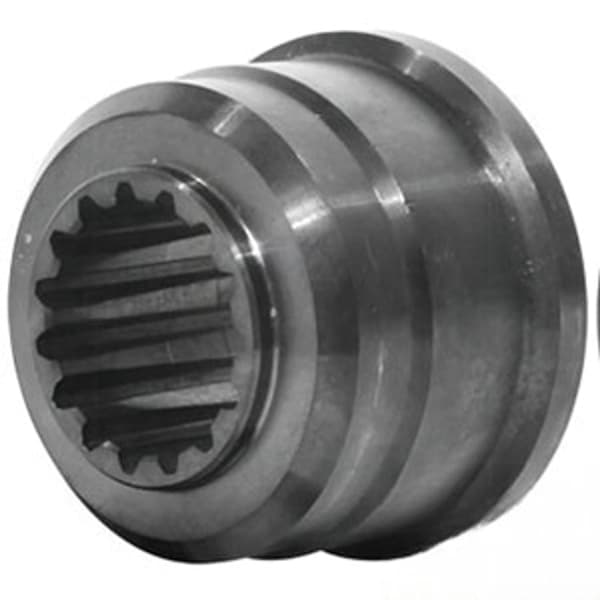
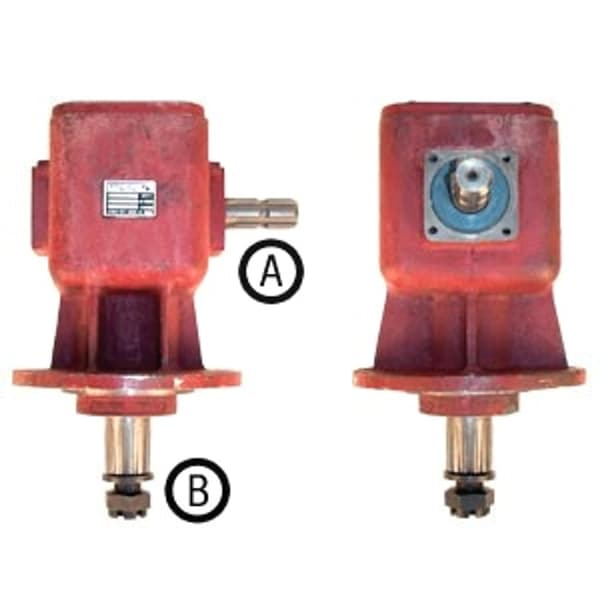
🔍 Looking for a specific part? Try our AI Part Finder — tell it your equipment and what you need, and it will find matching parts instantly.
Diagnosing bush hog gearbox Problems
Before you start tearing things apart, it's important to accurately diagnose the problem. Here are some common signs of a failing bush hog gearbox:
- Unusual Noises: Grinding, squealing, or knocking sounds emanating from the gearbox are often early warning signs.
- Excessive Vibration: More vibration than usual could indicate worn bearings or damaged gears.
- Oil Leaks: Leaks from the seals around the input or output shafts are a sign of seal failure, which can lead to further damage if not addressed.
- Overheating: A gearbox that becomes excessively hot to the touch suggests internal friction and potential component failure.
- Blade Hesitation or Stoppage: If the blades are not spinning smoothly or stop altogether, the gearbox may be failing to transmit power properly.
If you notice any of these symptoms, it's time to investigate further. Check the oil level and condition in the gearbox. Low or contaminated oil is a common cause of gearbox failure. If the oil is milky or has metal shavings, it indicates significant internal damage.
Gathering Your Tools and Parts
Before you begin, make sure you have all the necessary tools and replacement parts on hand. This will save you time and frustration. Here's a checklist:
- New Bush Hog Gearbox: Ensure you have the correct replacement gearbox for your specific bush hog model. Note the horsepower rating, shaft size, and mounting pattern. We carry a wide selection of gearboxes compatible with popular brands like John Deere, Case IH, Ford, New Holland, Massey Ferguson, Kubota, and more.
- Socket Set and Wrenches: You'll need a variety of sizes to remove bolts and fasteners.
- Impact Wrench: This can be helpful for stubborn bolts, especially on older machines.
- Torque Wrench: Essential for tightening bolts to the correct specifications during reassembly.
- Hammer and Punches: For removing stubborn parts.
- Pry Bar: For separating components that may be stuck together.
- Grease Gun: To lubricate bearings and seals.
- Gear Oil: Use the correct type and weight of gear oil as specified by the manufacturer (usually SAE 90 or 80W-90).
- Sealant or Gasket: Depending on the gearbox design, you may need sealant or a new gasket for the mounting surface.
- Drain Pan: To catch any oil that spills during the process.
- Safety Glasses and Gloves: Protect your eyes and hands.
- Parts Cleaner: For cleaning components before reassembly.
- Penetrating Oil: Helpful for loosening rusted bolts.
- Shop Rags: For cleaning up spills and wiping down parts.
You may also need to replace other parts, such as seals or gearbox seals or bearings if they are damaged. Madison Tractor Company carries a comprehensive range of parts for all major brands, including radiators, water pumps, starters, alternators, hydraulic pumps, cylinders, clutch kits, PTO parts, fuel pumps, carburetors, injectors, filters, gaskets, pistons, bearings, seals, belts, chains, concaves, and sickle sections.
Step-by-Step Bush Hog Gearbox Replacement
Safety First:
- Before starting any work, ensure the tractor is turned off, the PTO is disengaged, and the parking brake is set.
- Disconnect the PTO shaft from both the tractor and the bush hog.
- If possible, raise the bush hog using a tractor loader or forklift to make access easier. Secure it properly to prevent it from falling.
- Drain the Old Gearbox Oil: Place a drain pan under the gearbox and remove the drain plug. Allow the oil to drain completely. Dispose of the old oil properly according to local regulations.
- Remove the Blades: Disconnect the blades from the gearbox output shaft. This typically involves removing a large nut or bolt. You may need to use an strong>impact wrench. Note the orientation of the blades for reassembly. Be cautious, as the blades can be heavy and sharp.
- Disconnect the Driveline (if applicable): Some bush hogs have a driveline connecting the gearbox to a secondary blade carrier. Disconnect this driveline by removing the appropriate fasteners.
- Remove the Gearbox Mounting Bolts: Locate the bolts that secure the gearbox to the deck of the bush hog. These can be quite tight, so penetrating oil and an impact wrench may be necessary. Carefully remove all mounting bolts.
- Remove the Old Gearbox: With the mounting bolts removed, the gearbox should now be free. You may need to use a pry bar to gently separate it from the deck if it's stuck. Be prepared for some resistance.
- Clean the Mounting Surface: Thoroughly clean the mounting surface on the bush hog deck. Remove any old gasket material or sealant. A clean surface is essential for a good seal.
- Install the New Gearbox: Carefully position the new gearbox onto the mounting surface. Align the bolt holes.
- Install the Mounting Bolts: Insert the mounting bolts and tighten them to the torque specifications recommended by the manufacturer. A common torque spec is around 70-90 ft-lbs for 1/2" bolts, but always verify for your specific application. Use a cross pattern to ensure even tightening.
- Reconnect the Driveline (if applicable): Reconnect the driveline, ensuring proper alignment and secure fasteners.
- Reinstall the Blades: Reattach the blades to the gearbox output shaft, tightening the nut or bolt to the specified torque. Consider inspecting the gearbox hub for wear during this step.
- Fill the Gearbox with Oil: Remove the fill plug and add the correct type and amount of gear oil as specified by the manufacturer. The fill level is typically to the bottom of the fill plug opening. For example, a Bush Hog 286 rotary cutter gearbox typically requires about 2 quarts of 80W-90 gear oil.
- Check for Leaks: After filling the gearbox, check for any leaks around the seals and mounting surface. If you find any leaks, tighten the bolts further or apply sealant as needed.
- Test the Bush Hog: Carefully reconnect the PTO shaft and test the bush hog at a low RPM. Listen for any unusual noises or vibrations. Gradually increase the RPM to full operating speed and continue to monitor for any issues.
Important Considerations and Common Problems
- Gearbox Compatibility: Always verify that the replacement gearbox is compatible with your specific bush hog model. Check the horsepower rating, shaft size, and mounting pattern. Using the wrong gearbox can lead to premature failure or damage to your equipment.
- PTO Shaft Length: When reattaching the PTO shaft, ensure it is the correct length. Too short, and it may disengage under load. Too long, and it could cause damage to the tractor's PTO or the bush hog gearbox.
- Blade Maintenance: Regularly inspect your blades for damage or wear. Sharpen or replace them as needed to maintain optimal cutting performance and reduce stress on the gearbox. Also, review our articles on tractor tire sizes explained and tractor rear tire options, as proper tire selection affects the implement's performance.
- Gearbox Oil Changes: Regularly change the gear oil according to the manufacturer's recommendations. This will help extend the life of the gearbox and prevent premature failure.
If you're working on older equipment like an Allis Chalmers, Deutz, International Harvester, Oliver, White, Gleaner, Vermeer, Hesston, Mahindra, or Zetor, finding the correct replacement parts can sometimes be challenging. Madison Tractor Company specializes in hard-to-find parts and can help you locate the components you need.
Gearbox Ratios: Understanding the Options
The gearbox ratio is a crucial factor in determining the blade tip speed and overall cutting performance of your bush hog. A higher ratio (e.g., 1:1.4) will result in faster blade speeds, while a lower ratio (e.g., 1:1) will provide more torque. The ideal ratio depends on the type of vegetation you're cutting and the horsepower of your tractor. For example, the 826-384C Gearbox has a ratio of 1:1.47, ideal for efficient rotary cutting.
For light-duty mowing, a higher ratio may be preferable for faster cutting speeds. For heavy-duty brush clearing, a lower ratio will provide more torque to power through tough vegetation.
Preventative Maintenance
The best way to avoid a costly gearbox replacement is through preventative maintenance. Regularly inspect the gearbox for leaks, check the oil level and condition, and lubricate all moving parts. By taking care of your bush hog, you can extend its life and avoid unexpected downtime. Don't forget to check the tractor tire chains if you operate in challenging conditions.
Remember to consult your equipment's service manual for the most accurate information and specific recommendations for your model.
Replacing a bush hog gearbox can seem daunting, but with the right tools, parts, and information, it's a manageable task. By following these steps and taking the necessary precautions, you can get your bush hog back in operation and keep your fields and pastures looking their best.
At Madison Tractor Company, we understand the importance of reliable equipment. That's why we offer a wide selection of high-quality bush hog gearboxes and replacement parts at competitive prices. Whether you need a new bush hog gearbox, PTO shaft, or other tractor parts, we have you covered. Browse our online catalog or contact our experienced team for assistance in finding the right parts for your needs. Let us help you keep your equipment running smoothly! You can also use our AI-Powered Part Finder to search for parts by your specific make and model.
Part of our comprehensive guide
Tractor Tire Size Guide: Read Sizes, Find Replacements & Compare Brands