







Tractor Grapple: Root Rake & Log Grapple Attachments
Tractor grapples are versatile attachments for moving logs, brush, rocks, and more. Learn about root rakes and log grapples, choosing the right size, and matching them to your tractor.
What is a Tractor Grapple?
A tractor grapple is a versatile attachment mounted to the front of a tractor, typically using a quick-attach system. These attachments are designed for gripping and moving bulky materials such as logs, brush, rocks, and construction debris. Grapples significantly increase a tractor's utility, making tasks like land clearing, forestry work, and general farm cleanup much easier and faster than manual labor.
Recommended Parts for This Guide
8 parts we recommend — in stock, ships fast, one-click add to cart.
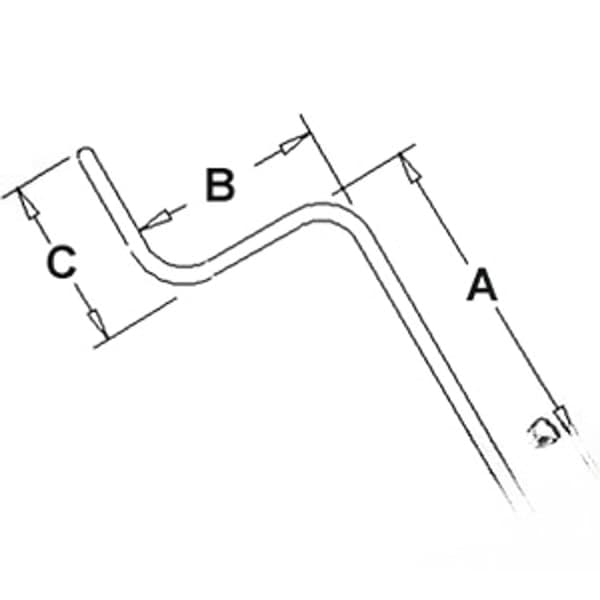
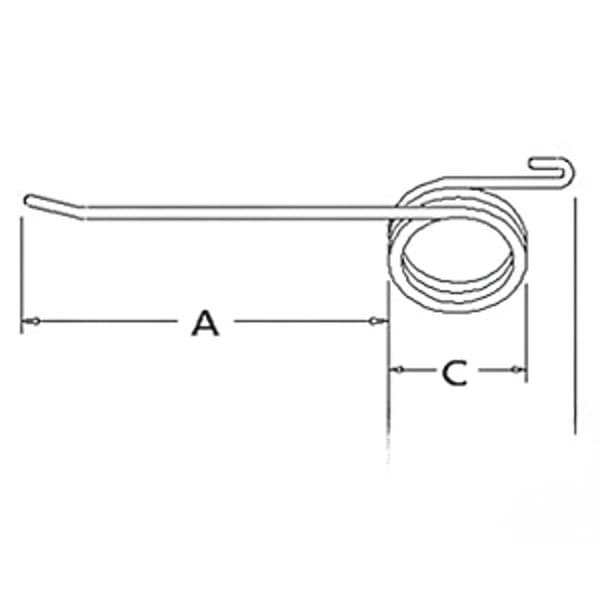
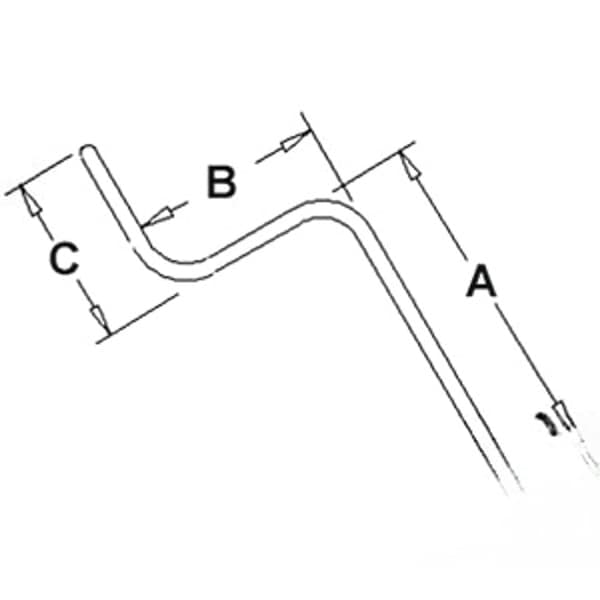
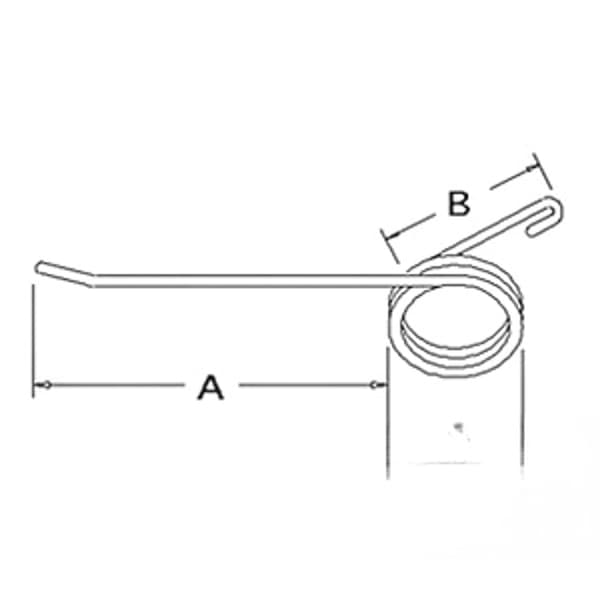
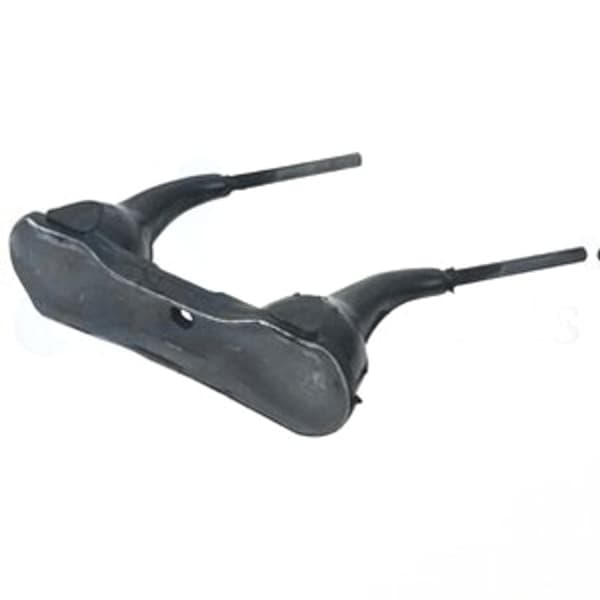
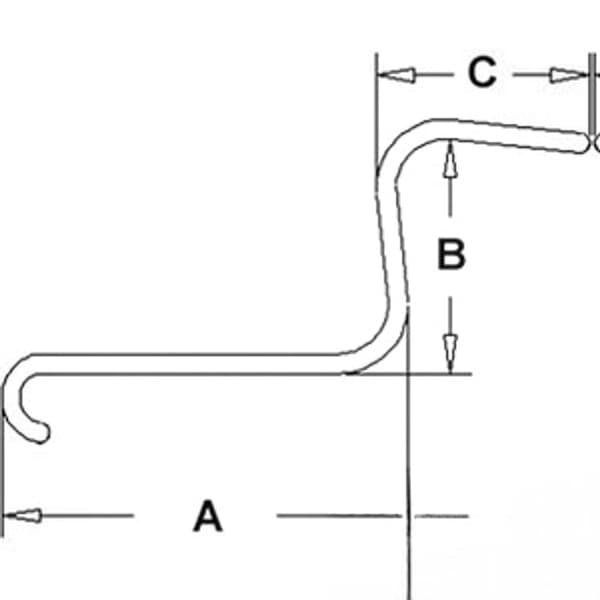
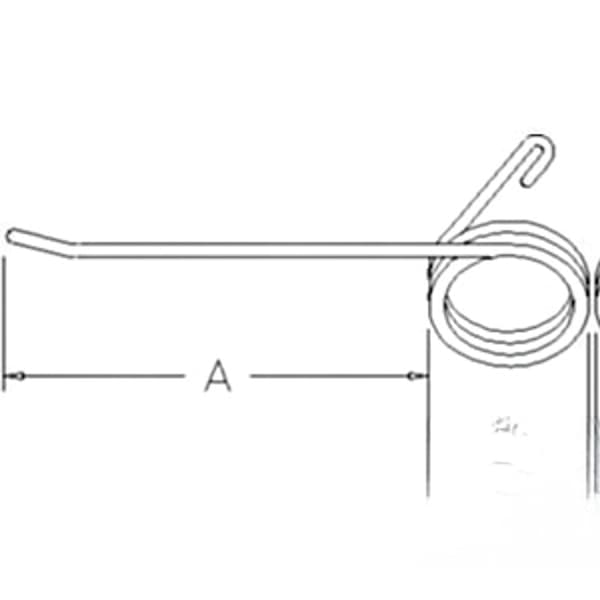
🔍 Looking for a specific part? Try our AI Part Finder — tell it your equipment and what you need, and it will find matching parts instantly.
Unlike a bucket, which scoops materials, a grapple uses one or more independently controlled arms (tines) to clamp onto the load. This clamping action provides a secure grip, preventing materials from slipping during transport. Grapples are available in various configurations, each designed for specific applications. At Madison Tractor, we understand the importance of selecting the right attachment for your needs. That's why we offer a wide selection of grapples compatible with various tractor brands, including John Deere, Kubota, Case IH, Ford, and New Holland, among others.
Types of Tractor Grapples
Choosing the right grapple depends on the materials you'll be handling. Here's a breakdown of common grapple types:
Root Rake Grapples
Root rake grapples feature a series of curved tines designed to sift through soil and debris, picking up roots, rocks, and brush while leaving the soil behind. They are ideal for land clearing, preparing seedbeds, and removing unwanted vegetation. The open design allows dirt and small materials to fall through, making them efficient for cleaning up wooded areas and construction sites.
Look for models with high-strength steel construction and replaceable tines for increased durability. Some root rake grapples also feature a hinged top clamp to secure larger items. When working with root rake grapples, be sure to inspect your tractor front tires for damage from sharp objects. Properly inflated tires are crucial for safe and efficient operation.
Log Grapples
Log grapples are designed specifically for handling logs and timber. They typically feature a larger, more robust clamping mechanism than root rakes, capable of securely gripping heavy logs of varying sizes. Log grapples often have a single, powerful arm that pivots to grasp the log. These are often used with hydraulic cylinders, which are available at Madison Tractor. If you need to replace hydraulic cylinders or need hydraulic cylinder seals, we carry top-quality replacements.
Consider a log grapple if you regularly move logs for firewood, sawmill operations, or forestry management. Make sure the grapple's capacity matches the size and weight of the logs you intend to handle. Safety is paramount when working with heavy logs, so always use caution and follow proper lifting techniques. A properly functioning hydraulic system is critical; inspect hydraulic hoses and fittings regularly for leaks.
Brush Grapples
Brush grapples offer a versatile solution for handling brush piles, tree limbs, and other bulky, lightweight materials. They typically feature a wider opening than log grapples, allowing them to scoop up large volumes of material. Brush grapples often have multiple tines that provide a secure grip on irregular-shaped items. For optimal performance, keep your hydraulic system in good condition by replacing hydraulic filters as needed. Clogged filters can reduce hydraulic pressure and impact grapple performance.
Grapple Buckets
Grapple buckets combine the functionality of a standard bucket with the clamping action of a grapple. They are useful for a wide range of tasks, including scooping materials, leveling ground, and grabbing bulky items. Grapple buckets are a good all-around option for users who need versatility. When using a grapple bucket for digging, be sure to maintain your tractor's cooling system. Overheating can occur under heavy load. Inspect your radiator and water pump regularly.
Choosing the Right Size and Capacity
Selecting the right grapple size and capacity is crucial for safe and efficient operation. Consider the following factors:
- Tractor Size and Horsepower: The grapple should be appropriately sized for your tractor's horsepower and lifting capacity. Using a grapple that is too large or heavy can overload your tractor, leading to reduced performance and potential damage. Refer to your tractor's operator manual for maximum lift capacity specifications.
- Material Type and Weight: Consider the type of materials you'll be handling. Heavy materials like logs require a robust grapple with a higher weight capacity. Lighter materials like brush can be handled with a smaller, lighter grapple.
- Working Conditions: The terrain and working conditions can also influence your grapple selection. If you'll be working on uneven terrain, choose a grapple with a wider base for increased stability.
As a general rule, match the grapple width to your tractor's overall width for optimal stability and maneuverability. For example, a Kubota B2601 might be well-suited for a 48-inch grapple, while a John Deere 5075E could handle a 72-inch model. Always consult your tractor's specifications and a Madison Tractor expert to ensure proper compatibility.
Connecting and Operating a Tractor Grapple
Most modern tractors use a quick-attach system for implement changes. This allows for easy and fast attachment and detachment of grapples. Here's a general overview of the process:
- Prepare the Tractor: Ensure the tractor is on a level surface and the engine is turned off. Engage the parking brake.
- Align the Grapple: Position the grapple in front of the tractor's loader arms.
- Attach the Quick-Attach: Align the loader arms with the quick-attach plate on the grapple. Engage the locking levers or pins to secure the grapple to the loader arms.
- Connect Hydraulics: Connect the hydraulic hoses from the grapple to the tractor's hydraulic outlets. Ensure the connections are tight and secure to prevent leaks.
- Test Operation: Start the tractor and test the grapple's operation, ensuring the tines open and close smoothly.
Safety Warning: Always disengage the engine and set the parking brake before connecting or disconnecting any hydraulic lines. Hydraulic fluid under pressure can cause serious injury.
Proper hydraulic pressure is essential for grapple operation. If you experience slow or weak grapple movement, check your hydraulic fluid level and filter. You might need a new hydraulic pump. Many older tractors, such as Ford 8N or Massey Ferguson 135 models, may require aftermarket hydraulic upgrades to properly power a grapple attachment.
Maintenance and Repair
Regular maintenance is essential for keeping your tractor grapple in top condition. Here are some key maintenance tasks:
- Greasing: Grease all pivot points and moving parts regularly to prevent wear and corrosion. Use a high-quality grease specifically designed for agricultural equipment.
- Hydraulic System: Inspect hydraulic hoses, fittings, and cylinders for leaks or damage. Replace worn or damaged components promptly. Check the hydraulic fluid level and quality regularly.
- Tine Inspection: Inspect the grapple tines for wear, bending, or damage. Replace damaged tines to ensure optimal performance. Many grapples use replaceable tines that are bolted on.
- Bolt Tightness: Periodically check the tightness of all bolts and fasteners. Tighten any loose bolts to the manufacturer's specified torque.
At Madison Tractor, we carry a wide range of replacement parts for tractor grapples, including hydraulic cylinder seals, hydraulic hoses, grease fittings, and bolts. We also offer expert advice and support to help you keep your grapple running smoothly.
Consider also the impact of a grapple on your tractor tire ballast. The additional weight on the front end will affect traction and stability. Adjusting ballast accordingly will maximize performance and safety.
Tractor Grapples and Related Attachments
A tractor grapple is just one of many valuable implements that can be used on your tractor to maximize its functionality. Other essential tractor equipment related to land management and material handling include:
- Tractor Buckets: For scooping and moving loose materials like dirt, gravel, and snow.
- Pallet Forks: For lifting and moving pallets and other materials on skids.
- Box Blades: For leveling ground, grading roads, and spreading materials.
- Landscape Rakes: For removing debris, smoothing soil, and preparing seedbeds.
Understanding your tractor tire sizes explained also becomes more important when adding attachments like a tractor grapple. Proper tire pressure and condition is necessary for safe and effective operation.
Find Your Tractor Grapple Parts at Madison Tractor
Whether you need a complete grapple attachment or replacement parts for your existing grapple, Madison Tractor Company is your trusted source. We offer a wide selection of grapples and parts for all major tractor brands, including Allis Chalmers, Deutz, International Harvester, Oliver, and White tractors. We also stock a complete line of filters, bearings, seals, and other maintenance items. Shop our online catalog today and experience the Madison Tractor difference! If you need parts for combines or hay equipment, we also carry parts for Gleaner combines, Vermeer hay equipment, and Hesston hay equipment. Contact our expert parts team today with any questions! We also carry parts for Mahindra and Zetor tractors. You can also use our AI-Powered Part Finder to search for parts by your specific make and model.
Part of our comprehensive guide
Tractor Tire Size Guide: Read Sizes, Find Replacements & Compare Brands