







Tractor Turf Tires: Low-Impact Options for Lawns
Tractor turf tires are designed to minimize damage to lawns and delicate surfaces. This guide explains the benefits, sizes, and selection considerations for tractor turf tires, helping you choose the best option for your needs.
For many homeowners and groundskeepers, a tractor is an essential tool for maintaining large properties. However, standard agricultural (R1) tires can wreak havoc on lawns, leaving deep ruts and compacting the soil. This is where tractor turf tires come in. These tires are specifically designed to minimize soil disturbance while providing adequate traction for a variety of tasks.
Recommended Parts for This Guide
8 parts we recommend — in stock, ships fast, one-click add to cart.
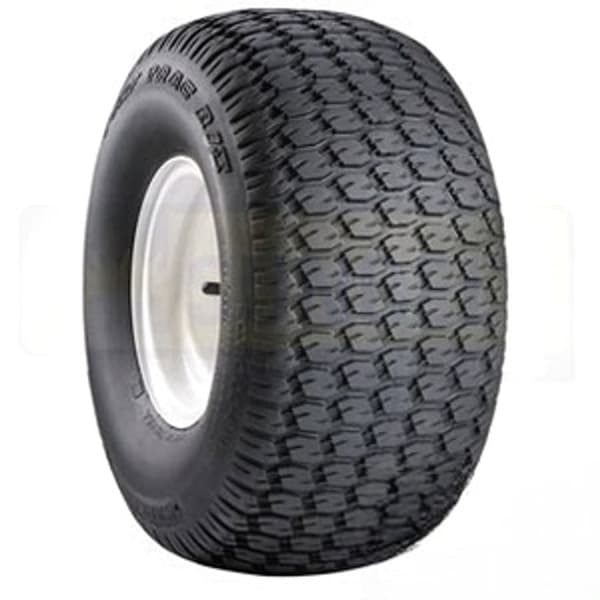
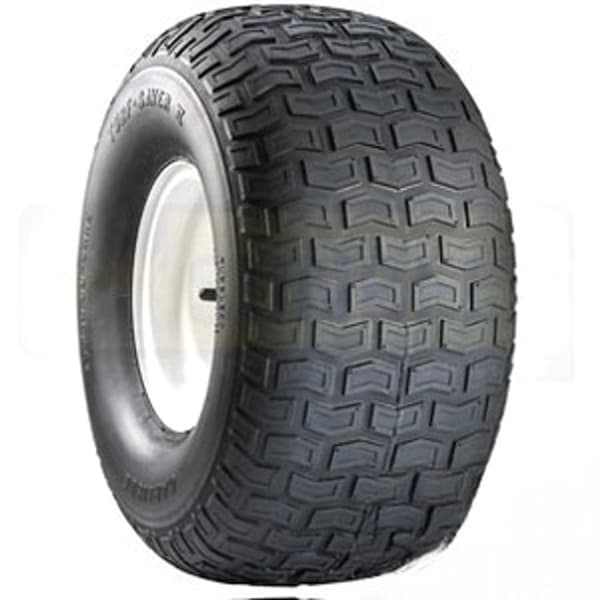
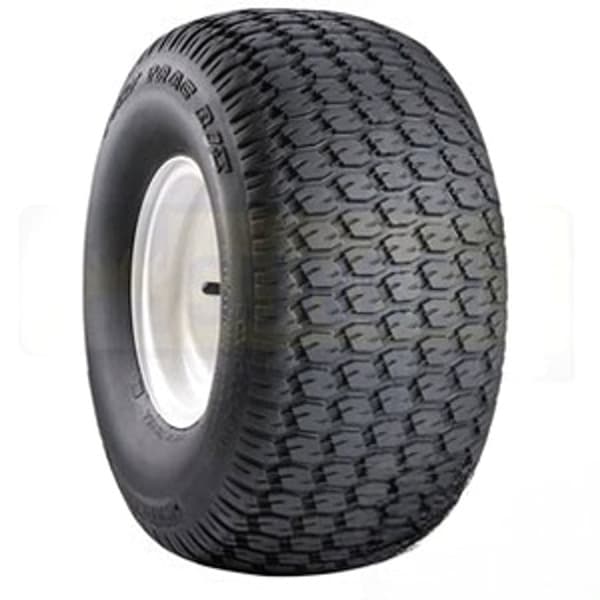
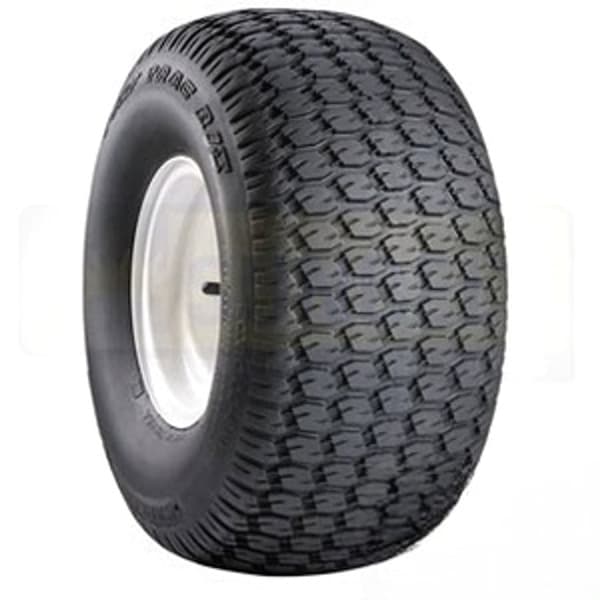
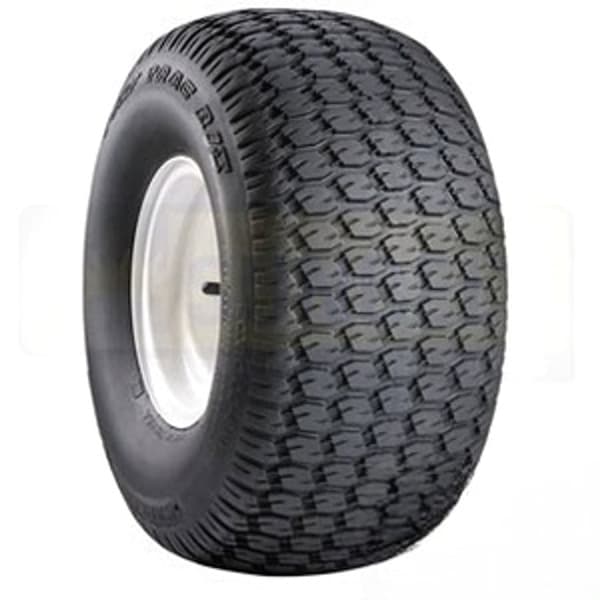
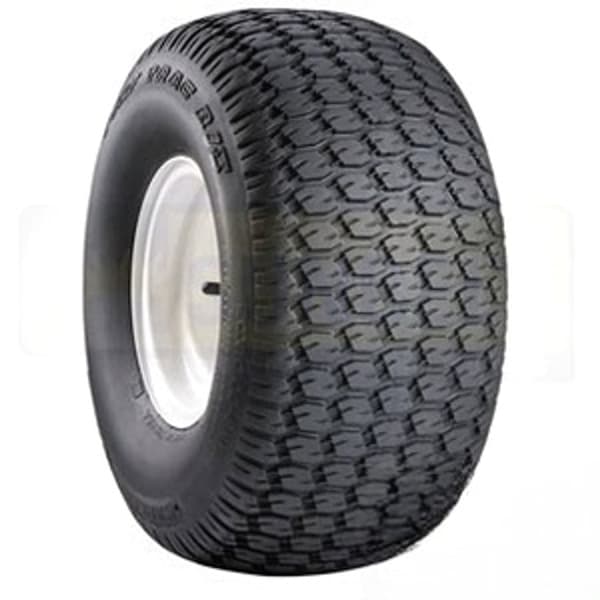
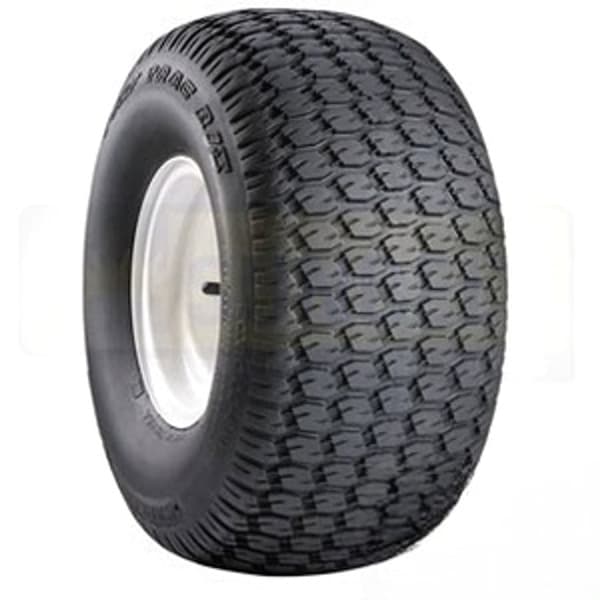
🔍 Looking for a specific part? Try our AI Part Finder — tell it your equipment and what you need, and it will find matching parts instantly.
What Are Tractor Turf Tires?
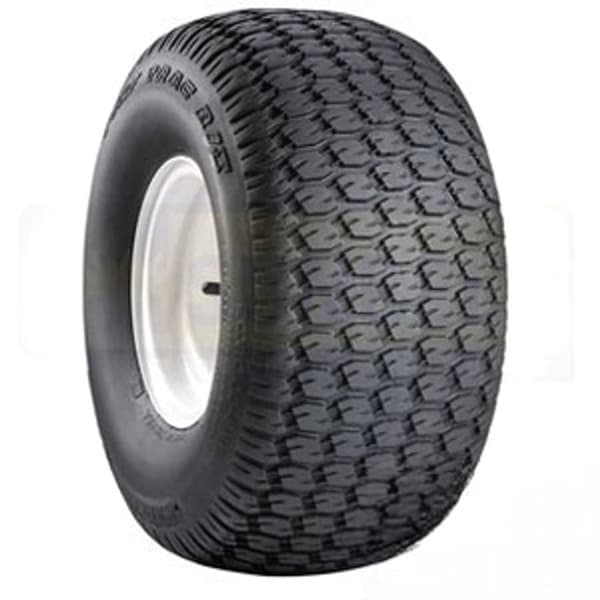
Tractor turf tires are characterized by their wide, flat profile and shallow, closely spaced tread patterns. Unlike aggressive R1 tires designed to bite into the soil for maximum traction in fields, turf tires prioritize minimizing ground pressure and surface disruption. This makes them ideal for use on lawns, golf courses, sports fields, and other sensitive areas where maintaining a smooth, healthy surface is paramount.
Think of it this way: R1 tires are like cleats on a football shoe, designed for maximum grip, while turf tires are more like the soles of a running shoe, distributing weight evenly to avoid digging in. They are also commonly seen as tractor front tires on tractors equipped with rear R1 or R4 tires.
Benefits of Using Tractor Turf Tires
- Reduced Soil Compaction: The wide profile distributes the tractor's weight over a larger area, minimizing soil compaction and allowing for better water and nutrient absorption.
- Minimal Ground Disturbance: The shallow tread pattern prevents the tires from digging into the turf, reducing ruts and tears.
- Improved Ride Comfort: Compared to aggressive tread patterns, turf tires offer a smoother and quieter ride, especially on hard surfaces.
- Versatility: While designed for turf, these tires can still handle light-duty tasks on other surfaces, such as gravel driveways and paved areas.
Understanding Tractor Turf Tire Sizes
Like all tractor tires, turf tires are marked with a size designation that indicates their dimensions. Understanding these numbers is crucial for selecting the correct replacement tires for your tractor. Refer to our comprehensive guide on tractor tire sizes explained for a detailed breakdown. Here's a brief overview:
A typical turf tire size might look like this: 23x10.50-12
- 23: This is the overall tire diameter in inches.
- 10.50: This is the tire width in inches.
- 12: This is the wheel rim diameter in inches.
Always consult your tractor's owner's manual or the sidewall of your existing tires to determine the correct size. Using the wrong size can affect the tractor's performance, handling, and safety. Madison Tractor Company carries a wide range of turf tire sizes, like the Carlisle Turf Trac R/S 16x6.5x8 (4 Ply) or the Carlisle Turf Trac R/S 11x4x5 (2 Ply), to fit tractors from all major brands, including John Deere, Case IH, Ford, New Holland, Massey Ferguson, and Kubota.
Choosing the Right Tractor Turf Tires
Selecting the right turf tires involves considering several factors:
- Tractor Size and Weight: Match the tire's load capacity to the weight of your tractor and any implements you plan to use.
- Application: Consider the types of surfaces you'll be operating on. For extremely delicate turf, opt for tires with a very shallow tread pattern and a wide profile.
- Terrain: If you'll be encountering hills or uneven terrain, choose tires with a slightly more aggressive tread pattern for better traction, while still minimizing turf damage.
- Budget: Turf tires are available in a range of price points. Consider your budget and prioritize the features that are most important to you.
Also, ensure you are selecting the correct tire construction – radial vs. bias ply. Radial tires generally offer better performance and ride quality, but they are typically more expensive.
When replacing your tires, consider also inspecting other components such as tractor wheel weights, which can affect traction and stability, and potentially require adjustment when changing tire types.
Tire Pressure
Maintaining the correct tire pressure is critical for optimal performance and to prevent damage to your turf and the tires themselves. Consult your tractor's owner's manual or the tire manufacturer's recommendations for the correct pressure. Check the pressure regularly using a reliable tire gauge. Remember that proper tractor tire ballast, whether liquid or wheel weights, also affects pressure requirements.
Common Applications for Tractor Turf Tires
- Lawn Care: Mowing, aerating, and fertilizing large lawns.
- Golf Course Maintenance: Maintaining fairways, greens, and roughs.
- Sports Field Maintenance: Preparing and maintaining baseball fields, soccer fields, and other athletic surfaces.
- Cemetery Maintenance: Maintaining a respectful and well-kept appearance.
- Groundskeeping: General maintenance of parks, estates, and other large properties.
Maintaining Your Tractor Turf Tires
Proper maintenance will extend the life of your turf tires and ensure optimal performance:
- Regular Inspections: Check for cuts, bulges, and other damage. Replace damaged tires immediately.
- Proper Inflation: Maintain the correct tire pressure as specified in your owner's manual.
- Avoid Overloading: Do not exceed the tire's load capacity.
- Proper Storage: When storing your tractor for extended periods, protect the tires from direct sunlight and extreme temperatures.
- Regular Cleaning: Remove debris and dirt from the tires to prevent damage and maintain optimal traction.
While working on your tires, remember to check other wear items on your tractor, such as belts and filters. Regular preventative maintenance will ensure your machine is ready when you are.
Safety Precautions When Working with Tractor Tires
Working with tractor tires can be dangerous. Always follow these safety precautions:
- Use Proper Tools: Use the correct tools for removing and installing tires.
- Deflate Tires Before Removing: Always deflate tires completely before removing them from the rim.
- Secure the Tractor: Ensure the tractor is properly supported and secured before working on the tires. Use jack stands.
- Wear Safety Gear: Wear safety glasses and gloves to protect yourself from injury.
- Seek Professional Help: If you are not comfortable working with tires, seek assistance from a qualified mechanic.
WARNING: Improper tire handling can result in serious injury or death. If you have any doubts about your ability to safely perform tire maintenance, consult a professional.
If you need to replace a tractor tire tube, be sure to select one of the correct size and valve stem type.
Brands We Carry
Madison Tractor Company is proud to offer a wide selection of tractor turf tires from leading manufacturers. We carry tires for all major tractor brands, including John Deere, Case IH, Ford, New Holland, Massey Ferguson, Kubota, Allis Chalmers, Deutz, International Harvester, Oliver, White, Gleaner, Vermeer, Hesston, Mahindra, and Zetor. We stock common parts for these tractors as well, including radiators, water pumps, starters, and hydraulic pumps.
Whether you're maintaining a pristine lawn, managing a golf course, or caring for sports fields, tractor turf tires are an essential investment. By choosing the right tires and following proper maintenance practices, you can protect your turf while maximizing the versatility of your tractor. Consider exploring options for compact tractor tires as well, to ensure you have the best tire for your specific machine.
Need help finding the right turf tires for your tractor? Contact our knowledgeable parts experts at Madison Tractor Company today!
Ready to upgrade your tractor tires? Shop our extensive selection of tractor turf tires at Madison Tractor Company and keep your equipment running smoothly! You can also use our AI-Powered Part Finder to search for parts by your specific make and model.
Part of our comprehensive guide
Tractor Tire Size Guide: Read Sizes, Find Replacements & Compare Brands