








Tractor Wheel Spacer: Adjustable Width & Bolt-On
Tractor wheel spacers are essential for improving stability, especially on uneven terrain. This guide covers adjustable and bolt-on types, helping you choose the right spacer for your John Deere, Kubota, or other brand of tractor.
Introduction to Tractor wheel spacers
Tractor wheel spacers are valuable additions for any farmer or rancher looking to improve the stability and versatility of their machinery. By increasing the track width of your tractor, wheel spacers enhance stability, reduce the risk of rollovers on uneven terrain, and provide better clearance for tires when using implements. Whether you're operating a John Deere, Case IH, Ford, New Holland, Massey Ferguson, Kubota, or another brand, understanding the benefits and types of wheel spacers is crucial for optimizing your tractor's performance. As a part of tractor tires, wheels & implements, wheel spacers play a significant role in overall tractor operation.
Recommended Parts for This Guide
10 parts we recommend — in stock, ships fast, one-click add to cart.
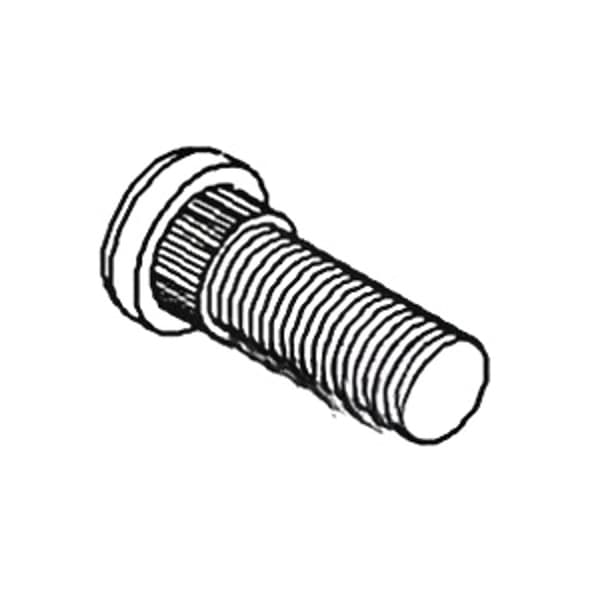
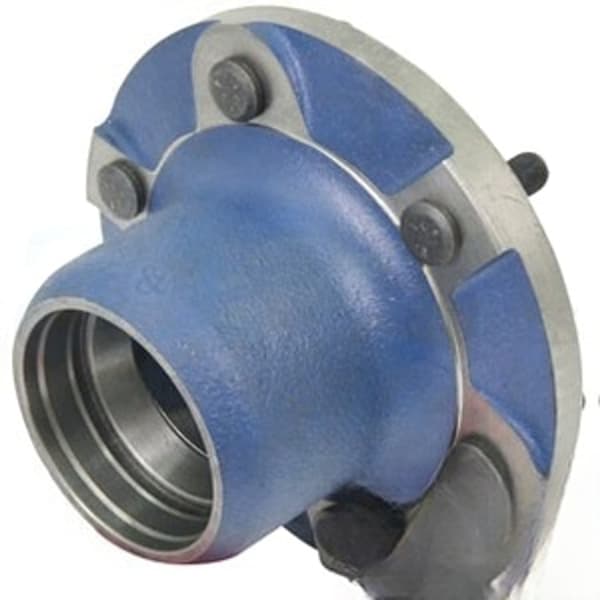
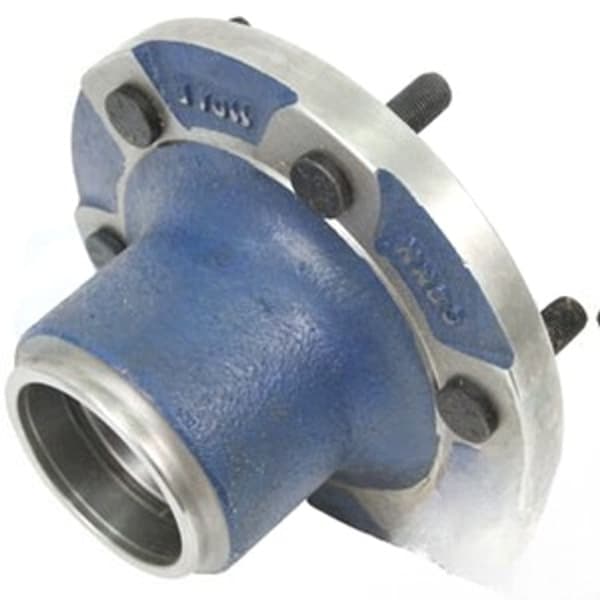
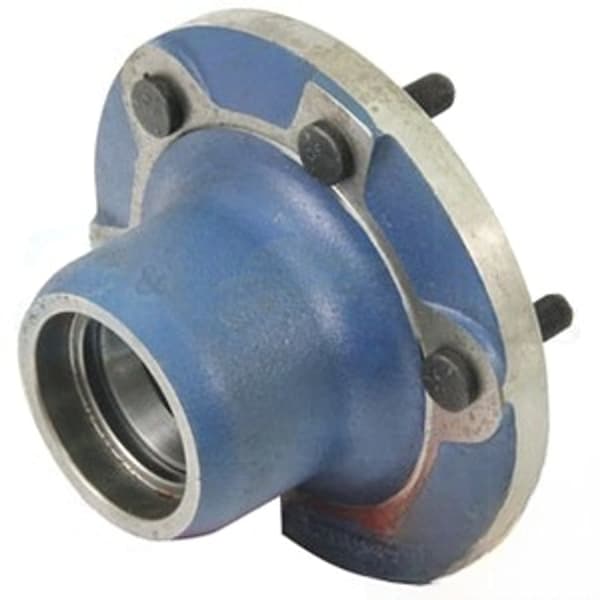
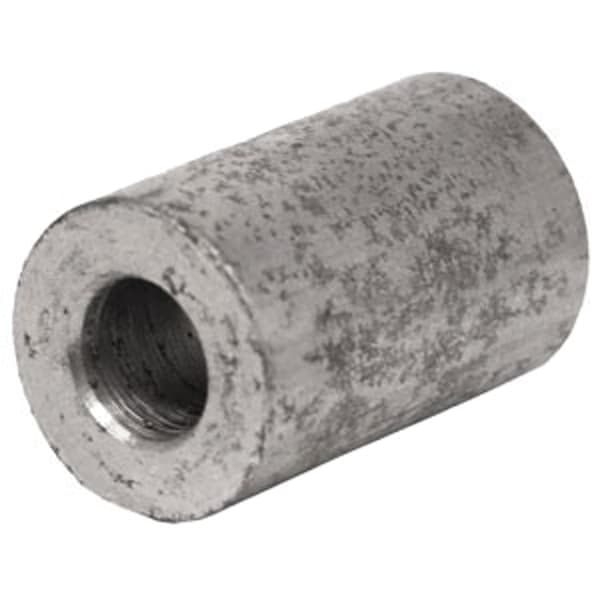
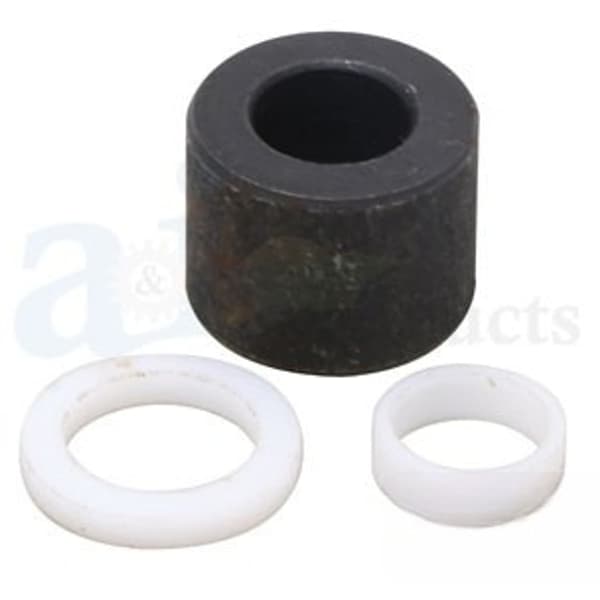
🔍 Looking for a specific part? Try our AI Part Finder — tell it your equipment and what you need, and it will find matching parts instantly.
Benefits of Using Tractor Wheel Spacers
Installing tractor wheel spacers offers several key advantages:
- Improved Stability: Wider track width lowers the center of gravity, significantly improving stability, especially when working on slopes or with heavy loads. This is particularly beneficial for tractors like the Kubota B-series or John Deere compact models that may have a narrower factory stance.
- Enhanced Implement Clearance: Spacers provide additional clearance between the tires and implements, preventing rubbing or damage. This is especially helpful when using wide implements or dual wheel setups.
- Reduced Soil Compaction: While seemingly counterintuitive, increasing the tire footprint slightly can help distribute the tractor's weight over a larger area, reducing compaction in specific zones. Consider this in combination with recommendations from the tractor tire ballast article.
- Improved Traction: A wider stance can sometimes improve traction, particularly in soft or muddy conditions, by distributing weight more effectively. This is particularly true when combined with the right tractor rear tire options.
However, it's important to note that excessive widening can put added stress on axles and wheel bearings. Always consult your tractor's manual and follow manufacturer recommendations regarding maximum track width.
Types of Tractor Wheel Spacers
There are two main types of tractor wheel spacers:
Bolt-On Wheel Spacers
These spacers bolt directly to the tractor's axle hub, and the wheel then bolts to the spacer. Bolt-on spacers are available in various thicknesses and bolt patterns to fit different tractor models. They are generally easier to install compared to adjustable spacers. They add a fixed amount of width per side, so ensure you choose the correct size for your needs. Bolt-on spacers are ideal for applications where a consistent, reliable increase in track width is desired.
Installation Steps (Bolt-On):
- Safety First: Park the tractor on a level surface, engage the parking brake, and chock the wheels.
- Remove Wheel: Loosen the lug nuts on the wheel you're working on. Use a jack to lift the tractor and remove the wheel completely.
- Clean Hub: Thoroughly clean the tractor's axle hub to remove any dirt, rust, or debris. This ensures proper seating of the spacer.
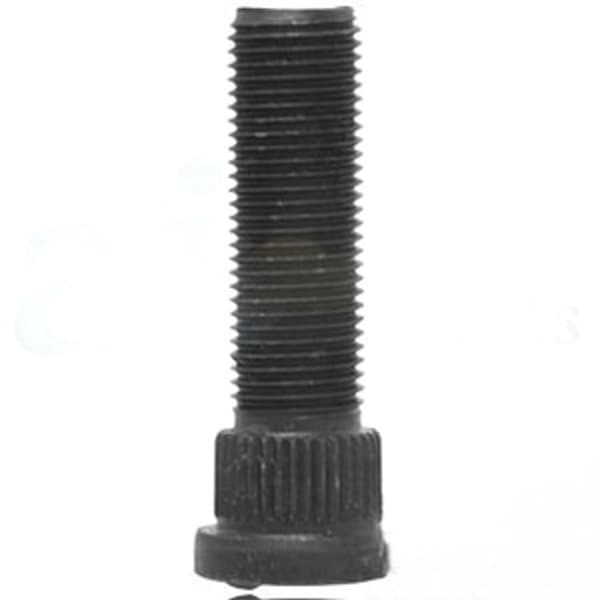
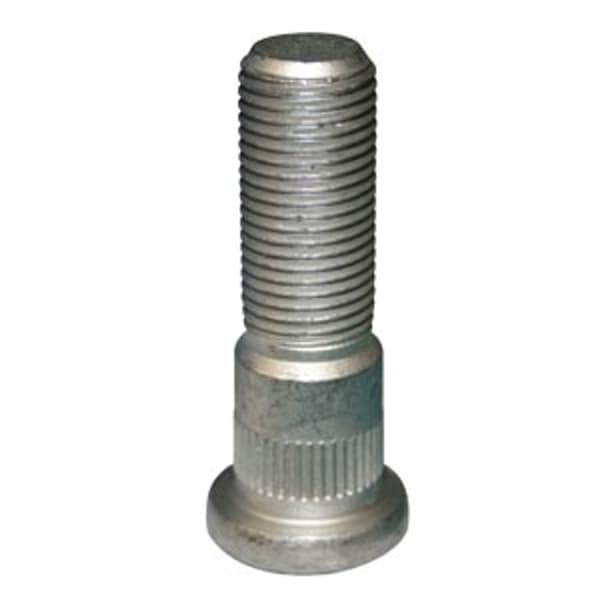
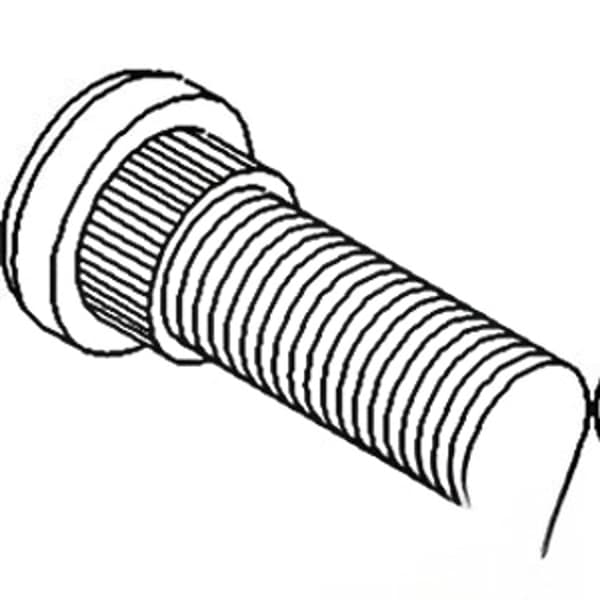
- Attach Spacer: Align the bolt holes of the spacer with the bolt holes on the axle hub. Bolt the spacer securely to the hub using the provided hardware. Torque the bolts to the manufacturer's specifications. Often, this is between 70-90 ft-lbs, but consult your manual. You can find compatible lug nuts and wheel studs here.
- Mount Wheel: Carefully mount the wheel onto the spacer, aligning the bolt holes. Tighten the lug nuts in a star pattern to ensure even pressure. Torque the lug nuts to the tractor's specified torque.
- Lower Tractor: Lower the tractor and remove the jack and chocks.
- Re-torque: After a few hours of operation, re-torque the lug nuts and spacer bolts to ensure they remain properly tightened.
Adjustable Wheel Spacers
Adjustable wheel spacers allow you to fine-tune the track width of your tractor. They typically consist of two plates connected by adjustable bars or a sliding mechanism. This allows for a range of width adjustments to suit different working conditions and implement requirements. While offering more flexibility, adjustable spacers can be more complex to install and may require more maintenance to ensure proper alignment and tightness.
Installation Steps (Adjustable):
- Safety First: Park the tractor on a level surface, engage the parking brake, and chock the wheels.
- Remove Wheel: Loosen the lug nuts on the wheel you're working on. Use a jack to lift the tractor and remove the wheel completely.
- Clean Hub: Thoroughly clean the tractor's axle hub to remove any dirt, rust, or debris. This ensures proper seating of the spacer.
- Attach Inner Plate: Attach the inner plate of the adjustable spacer to the axle hub, ensuring it is properly aligned and secured with bolts. Torque the bolts to the manufacturer's specifications.
- Adjust Width: Adjust the width of the spacer to the desired setting according to the manufacturer's instructions. Ensure both sides are adjusted equally to maintain proper alignment.
- Attach Outer Plate: Attach the outer plate to the inner plate using the provided hardware. Ensure all bolts are tightened securely.
- Mount Wheel: Carefully mount the wheel onto the spacer, aligning the bolt holes. Tighten the lug nuts in a star pattern to ensure even pressure. Torque the lug nuts to the tractor's specified torque.
- Lower Tractor: Lower the tractor and remove the jack and chocks.
- Re-torque: After a few hours of operation, re-torque all bolts (both spacer and lug nuts) to ensure they remain properly tightened. Regularly check the adjustment and tightness of the spacer.
Choosing the Right Wheel Spacer
When selecting a tractor wheel spacer, consider the following factors:
- Tractor Model: Ensure the spacer is compatible with your specific tractor model and bolt pattern. Check the bolt pattern of your wheels to ensure the spacer you select will fit. For example, a John Deere 4020 may require a different bolt pattern than a John Deere 5075E.
- Desired Width: Determine the amount of additional width you need to achieve the desired stability and clearance.
- Load Capacity: Choose a spacer with a load capacity that matches or exceeds the weight and operating conditions of your tractor.
- Material and Construction: Look for spacers made from high-quality materials, such as steel or aluminum, with robust construction to withstand the demands of agricultural use.
- Ease of Installation: Consider your mechanical skills and the complexity of the installation process when choosing between bolt-on and adjustable spacers.
Safety Precautions
Always follow these safety precautions when installing and using tractor wheel spacers:
- Read the Instructions: Carefully read and understand the manufacturer's instructions before installing any wheel spacers.
- Use Proper Tools: Use the correct tools for the job, including a torque wrench to ensure proper tightening of bolts and lug nuts.
- Torque Specifications: Always torque bolts and lug nuts to the manufacturer's specified torque values.
- Regular Inspections: Regularly inspect the spacers and hardware for any signs of wear, damage, or loosening.
- Professional Installation: If you are not comfortable installing wheel spacers yourself, seek professional assistance from a qualified mechanic.
Brands and Compatibility
Madison Tractor Company carries wheel spacers compatible with a wide range of tractor brands and models, including:
- John Deere
- Case IH
- Ford / New Holland
- Massey Ferguson
- Kubota
- Allis Chalmers
- Deutz
- International Harvester
- Oliver
- White
- Mahindra
- Zetor
We also offer a variety of other parts for these brands, including radiators, water pumps, starters, and hydraulic pumps. When selecting a spacer, make sure to match the bolt pattern and center bore to your tractor's specifications. Many older International Harvester tractors, like the Farmall H, M, or Super M, may require a specific adapter plate in addition to the wheel spacer itself.
Troubleshooting Common Issues
- Vibration After Installation: This is often due to improper torqueing of the bolts. Double-check and re-torque according to the manufacturer's specifications. Ensure the wheels are properly balanced as well.
- Spacer Loosening: Regularly inspect the spacer bolts and lug nuts, re-torquing as needed. Use thread locker on the bolts for added security.
- Incorrect Bolt Pattern: Always double-check the bolt pattern of the spacer against your tractor's axle hub before installation. Using an incorrect bolt pattern can damage the hub and wheels.
Conclusion
Tractor wheel spacers are a simple yet effective way to enhance the stability, versatility, and performance of your tractor. By choosing the right type of spacer and following proper installation and maintenance procedures, you can optimize your machinery for a wide range of agricultural tasks. Remember to consult your tractor's manual and follow all safety precautions to ensure safe and reliable operation.
Ready to enhance your tractor's performance? Browse our wide selection of tractor wheel components and other essential parts at Madison Tractor Company. We carry parts for all major brands, including John Deere, Case IH, Ford, New Holland, and more. Whether you need a fuel pump for your John Deere or a clutch kit for your Case IH, we have the parts you need to keep your tractor running smoothly. Don't forget to check out our articles on tractor tire sizes explained and tractor wheel weights for more information on optimizing your tractor's performance!
🔍 Can't Find Your Part?
Use our AI-Powered Part Finder to search by your equipment's make, model, and what you need. It's the fastest way to find the exact part for your machine.
Try the Part Finder →Part of our comprehensive guide
Tractor Tire Size Guide: Read Sizes, Find Replacements & Compare Brands