







Tractor Rim: Bolt Pattern, Offset & Size Chart
Choosing the right tractor rim is critical for proper tire fitment and safe operation. This guide covers everything you need to know, including bolt patterns, offset, and sizing charts, ensuring you select the correct rim for your tractor.
Introduction to Tractor Rims
The tractor rim, also known as the wheel, is the crucial interface between your tractor tire and the tractor itself. It's more than just a place to mount your tire; it plays a significant role in weight distribution, stability, and overall performance. Understanding the different types of tractor rims, their dimensions, and how they interact with your tractor is essential for safe and efficient operation. At Madison Tractor Company, we understand the importance of having the right rim for your machine, whether you have a John Deere, Case IH, Ford, New Holland, Massey Ferguson, Kubota, Allis Chalmers, Deutz, International Harvester, Oliver, White, Gleaner, Vermeer, Hesston, Mahindra, or Zetor. We offer a wide selection of rims to suit your needs.
Recommended Parts for This Guide
8 parts we recommend — in stock, ships fast, one-click add to cart.
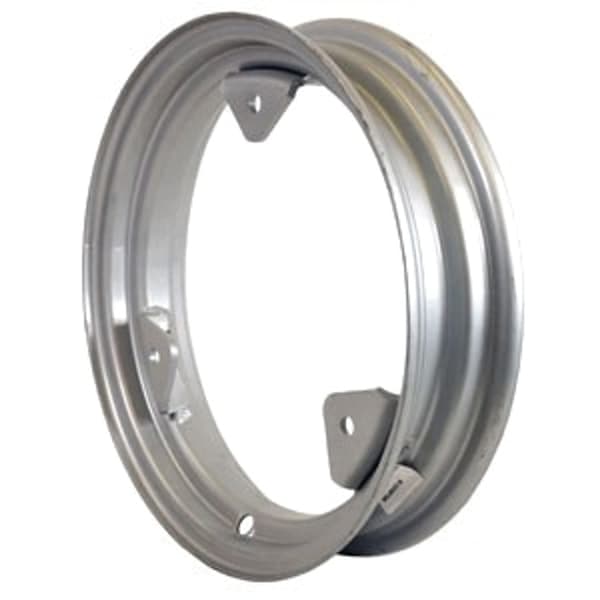
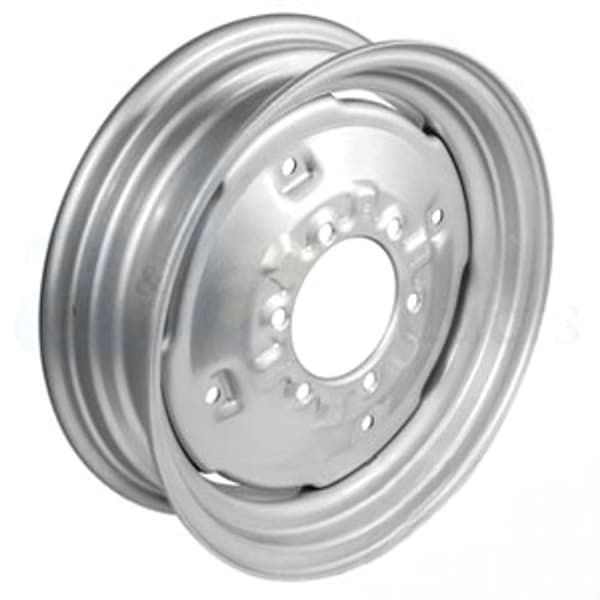
🔍 Looking for a specific part? Try our AI Part Finder — tell it your equipment and what you need, and it will find matching parts instantly.
Key Tractor Rim Measurements & Terminology
Before you start shopping for a tractor rim, it's vital to understand the key measurements and terms. These include:
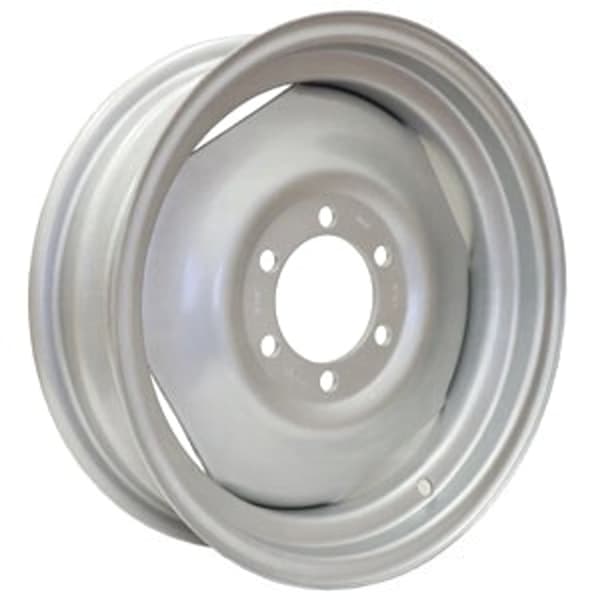
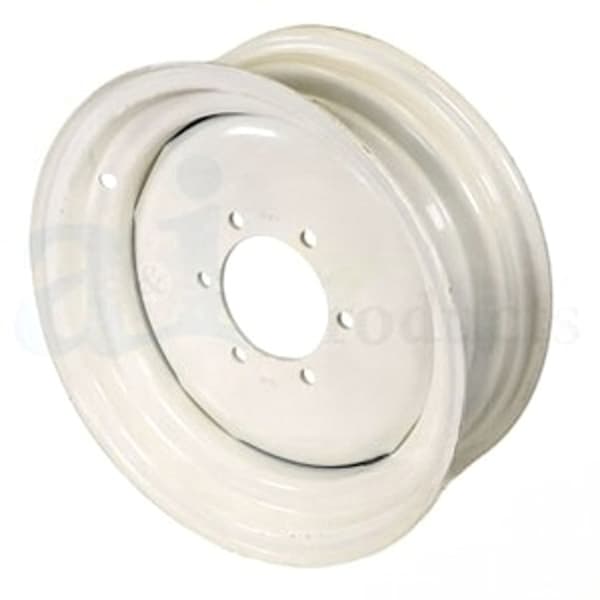
- Rim Diameter: The diameter of the rim where the tire bead sits, measured in inches. We offer a selection of adjustable front wheel rims and standard front wheel rims, including specific sizes like the 4.5" X 16" front wheel rim and the 5.5" x 18" front wheel rim, to fit various tire diameters.
- Rim Width: The distance between the inside edges of the rim flanges, also measured in inches.
- Bolt Pattern: The number of bolts and the diameter of the circle they are arranged on (bolt circle diameter or BCD). For example, a 6x6 bolt pattern indicates 6 bolts on a 6-inch diameter circle.
- Offset: The distance from the centerline of the rim to the mounting surface (where the rim bolts to the axle). Offset can be positive, negative, or zero.
- Center Hole Diameter: The diameter of the center hole in the rim, which fits over the hub.
Understanding Tractor Rim Bolt Patterns
The bolt pattern is one of the most critical aspects of selecting a compatible tractor rim. A mismatched bolt pattern will prevent you from properly mounting the rim to your tractor. Common bolt patterns include 6x6, 8x8, 10x8, and variations thereof. Here's how to determine your tractor's bolt pattern:
- Count the number of bolts. This gives you the first number in the bolt pattern (e.g., 6 for six bolts).
- Measure the bolt circle diameter (BCD). This is the diameter of the imaginary circle that passes through the center of each bolt hole. A precise measurement is crucial.
Measuring the Bolt Circle Diameter (BCD):
- Odd Number of Bolts (e.g., 5-bolt): Measure from the center of one bolt to the farthest edge of the *second* bolt from it. Then, use a BCD chart online to convert this measurement to the actual BCD.
- Even Number of Bolts (e.g., 6-bolt): Measure from the center of one bolt to the center of the bolt directly across from it.
For example, many older Ford tractors, like the 8N, often use a 6x6 bolt pattern on the rear wheels. Some Kubota models, especially compact compact tractor tires, may use a smaller 4-bolt pattern.
Decoding Tractor Rim Offset
Offset refers to the distance between the rim's centerline and its mounting surface. Understanding offset is important because it affects the tractor's track width, stability, and tire clearance. There are three types of offset:
- Positive Offset: The mounting surface is closer to the outside of the rim. This moves the wheel inward, decreasing track width.
- Negative Offset: The mounting surface is closer to the inside of the rim. This moves the wheel outward, increasing track width.
- Zero Offset: The mounting surface is centered on the rim's centerline.
Changing the offset can significantly impact your tractor's handling and stability. Increasing track width (using negative offset) can improve stability, especially on slopes. Consider options like the adjustable front wheel rim which can be reversed for wider wheel width. However, it can also increase stress on the axles and wheel bearings. Always consult your tractor's owner's manual for recommended offset ranges.
Tractor Rim Size Chart (General Guidelines)
While specific rim sizes vary widely depending on the tractor model and tire size, here's a general guide to common rim sizes based on tractor horsepower and application. Keep in mind that these are approximate and you should always verify the correct size for your specific tractor using your owner's manual or by contacting a Madison Tractor Company parts expert.
| Tractor Horsepower | Typical Front Rim Size (Diameter x Width, in inches) | Typical Rear Rim Size (Diameter x Width, in inches) |
|---|---|---|
| Under 30 HP (e.g., Compact Tractors) | 8x3.0, 12x4.0 | 24x8.0, 28x9.0 |
| 30-50 HP | 15x5.0, 16x6.0 | 28x10.0, 30x12.0 |
| 50-75 HP | 16x7.0, 18x8.0 | 34x12.0, 38x13.0 |
| 75-100 HP | 18x9.0, 20x10.0 | 38x14.0, 42x15.0 |
| Over 100 HP | 20x12.0, 24x14.0 | 42x16.0, 46x18.0 |
Note: These are just examples. Always refer to your tractor's manual or consult with a qualified technician to determine the correct rim size for your specific application and tractor tire sizes explained.
Finding the Right Tractor Rim for Your Machine
When selecting a new tractor rim, consider the following:
- Tractor Model and Year: Knowing the specific model and year of your tractor is essential for finding compatible rims.
- Tire Size: The rim must be compatible with the tire size you intend to use.
- Application: The type of work you'll be doing (e.g., plowing, mowing, hauling) can influence the ideal rim size and offset.
- Load Rating: Ensure the rim's load rating meets or exceeds the maximum load your tractor will carry.
- Material: Steel rims are generally more durable and cost-effective, while aluminum rims are lighter and offer better heat dissipation.
Many manufacturers offer specific rim recommendations for their tractors. For example, if you're looking for front wheel rims for a John Deere 4020, you'll want to search for rims specifically designed for that model. We also carry popular front wheel rims compatible with many Ford tractor models. Similarly, if you have a Massey Ferguson 135, you'll need to find rims that are compatible with its bolt pattern and tire size. Don't forget to check associated components like rim stops for securing tires on the rim.
Installing Your New Tractor Rim
Proper installation is crucial for safety and performance. Here's a general guide:
- Ensure the Rim and Hub are Clean: Remove any rust, dirt, or debris from the rim and hub surfaces.
- Align the Bolt Pattern: Carefully align the rim's bolt holes with the studs on the axle, ensuring any power adjust rim clamps or rear rim wheel clamps are properly positioned.
- Install the Lug Nuts: Hand-tighten the lug nuts in a star pattern (opposite nuts) to ensure even pressure.
- Torque to Specifications: Use a torque wrench to tighten the lug nuts to the manufacturer's recommended torque specifications. This information can usually be found in your tractor's service manual. A common torque spec for tractor wheel lug nuts is between 250-350 ft-lbs, but this can vary GREATLY.
- Re-torque After Initial Use: After a few hours of operation, re-torque the lug nuts to ensure they haven't loosened.
Maintaining Your Tractor Rims
Proper maintenance can extend the life of your tractor rims. Here are some tips:
- Regularly Inspect for Damage: Check for cracks, dents, or corrosion on the rim itself, and ensure components like power adjust rim clamps are in good condition. Replace damaged rims immediately.
- Keep Lug Nuts Tight: Periodically check and re-torque the lug nuts to prevent loosening.
- Clean Your Rims: Wash your rims regularly to remove dirt, mud, and chemicals.
- Protect Against Corrosion: Apply a rust-inhibiting coating to prevent corrosion, especially in harsh environments.
- Consider Tractor Tire Chains: In snowy or icy conditions, using tractor tire chains can improve traction. Ensure the chains are properly sized for your tires and rims to avoid damage.
Common Issues and Troubleshooting
- Rim Slippage: If the tire is slipping on the rim, it could be due to low tire pressure or an improperly sized rim. Increase tire pressure to the recommended level or replace the rim with a compatible size.
- Loose Lug Nuts: Loose lug nuts can cause wheel wobble and even wheel separation. Regularly check and re-torque the lug nuts.
- Rim Corrosion: Corrosion can weaken the rim and lead to failure. Clean and protect your rims regularly to prevent corrosion.
Madison Tractor Company: Your Source for Tractor Rims and Parts
At Madison Tractor Company, we offer a wide selection of tractor rims for all major brands, including John Deere, Case IH, Ford, New Holland, Massey Ferguson, Kubota, and more. We also stock a comprehensive inventory of other tractor parts, including radiators, water pumps, starters, alternators, hydraulic pumps, clutch kits, and filters. Our knowledgeable staff is here to help you find the right parts for your tractor and keep it running smoothly. Whether you're maintaining a classic International Harvester or repairing a modern Mahindra, we have the parts you need. Contact us today for expert advice and fast shipping!
🔍 Can't Find Your Part?
Use our AI-Powered Part Finder to search by your equipment's make, model, and what you need. It's the fastest way to find the exact part for your machine.
Try the Part Finder →Part of our comprehensive guide
Tractor Tire Size Guide: Read Sizes, Find Replacements & Compare Brands