







Tractor Lift Link: Lower Link Arm & Ball Joint
Understanding your tractor's lift link system is crucial for efficient implement operation. This guide covers lower link arms, ball joints, types, maintenance, and troubleshooting, ensuring your equipment is always ready to work.
Introduction to Tractor Lift Links
The tractor lift link system, particularly the lower link arms and ball joints, is a critical component for attaching and operating implements. A properly functioning lift link ensures accurate implement positioning and efficient power transfer. Whether you're plowing fields, mowing lawns, or moving materials, the lift link is the backbone of many tractor operations. This guide will cover the essential aspects of tractor lift links, including their types, maintenance troubleshooting. As part of the larger system of Tractor Tires, Wheels & Implement Attachments, understanding your lift links is just as crucial as knowing your tractor tire sizes explained.
Recommended Parts for This Guide
10 parts we recommend — in stock, ships fast, one-click add to cart.
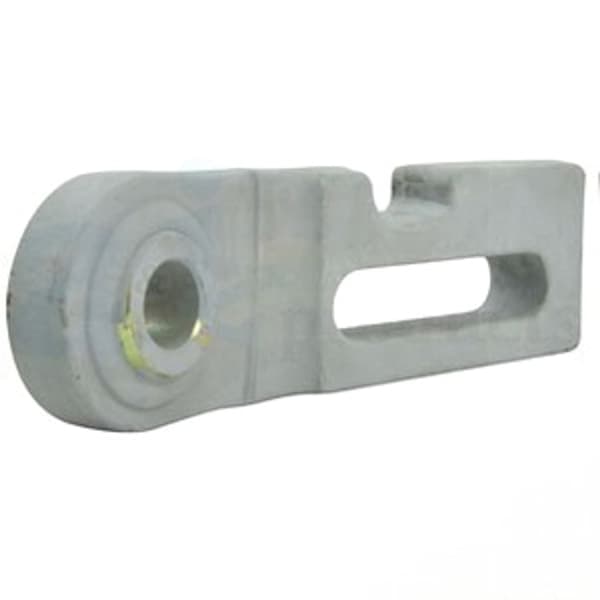
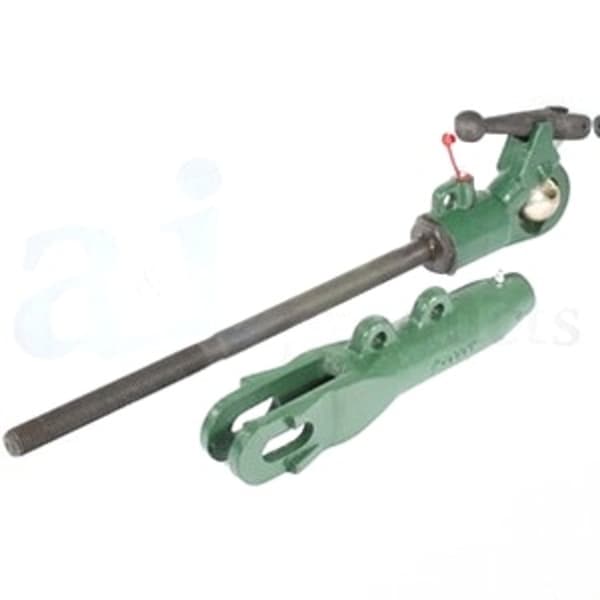
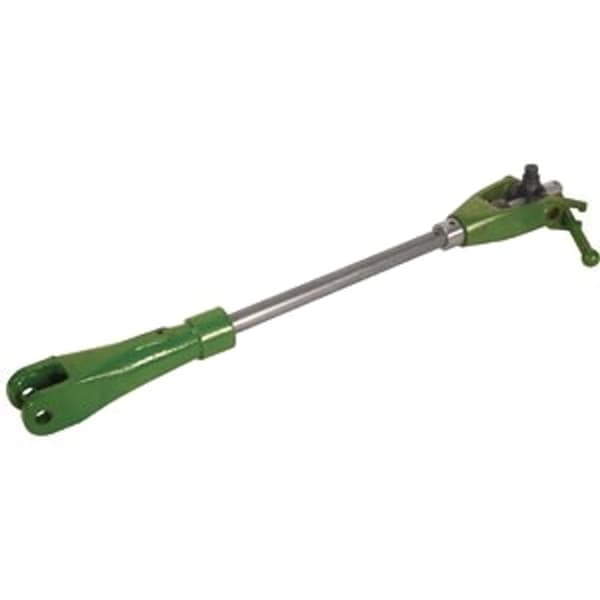
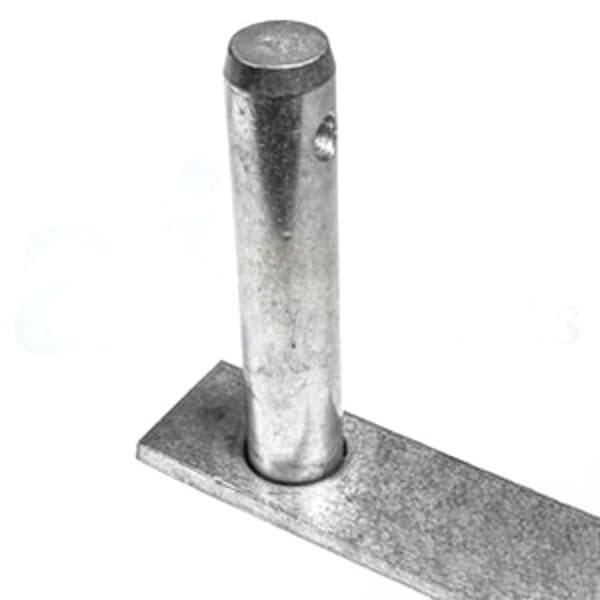
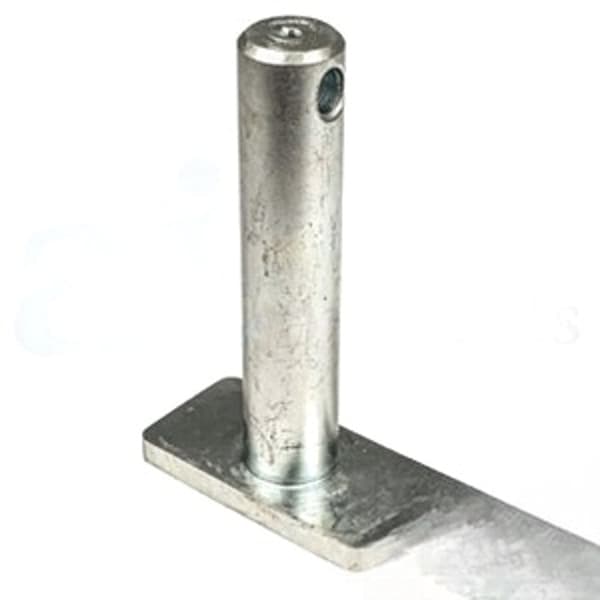
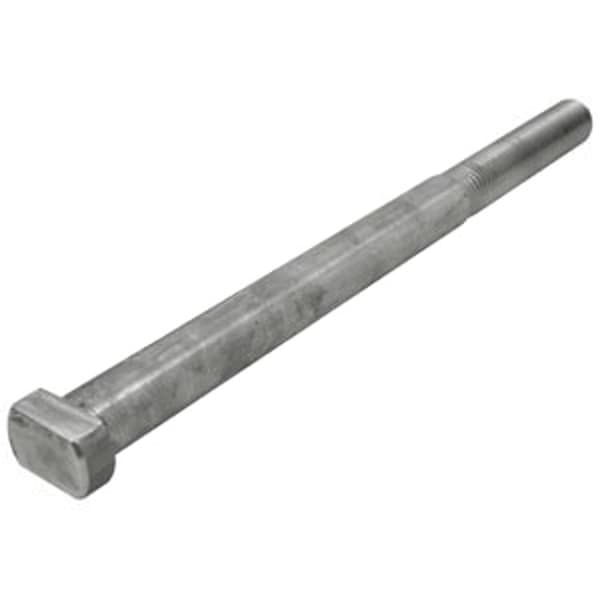
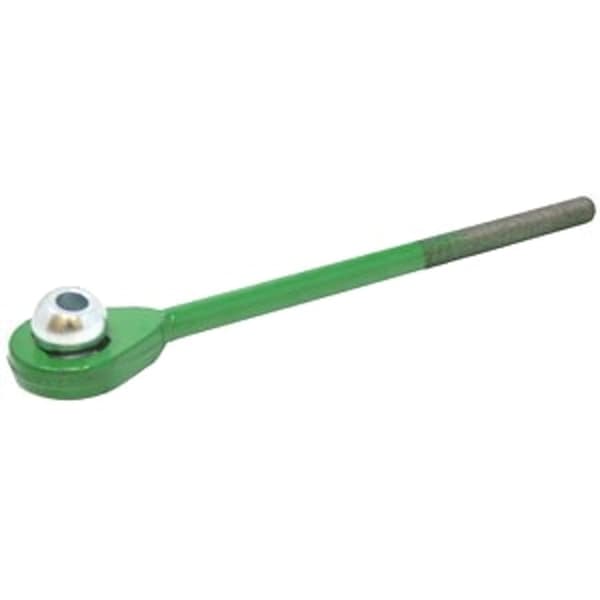
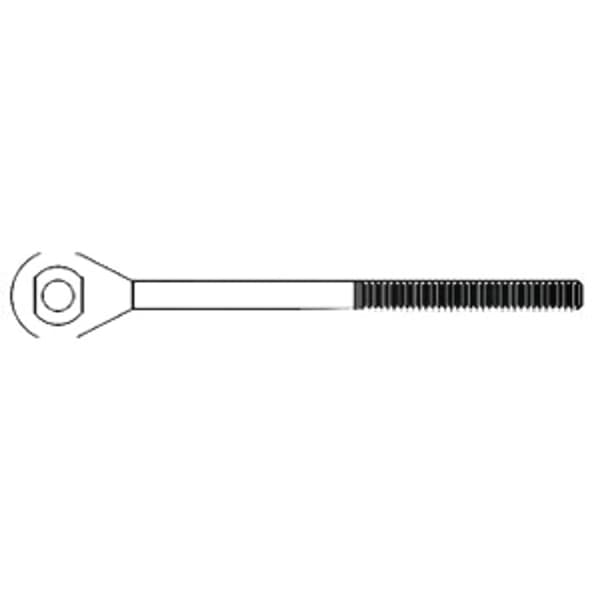
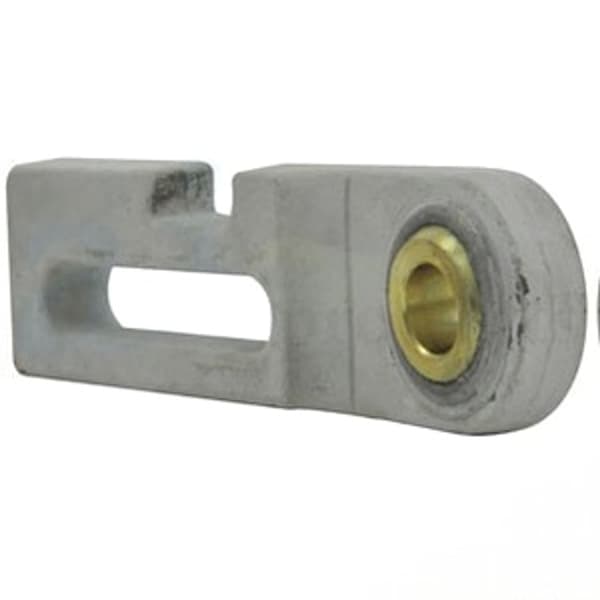
🔍 Looking for a specific part? Try our AI Part Finder — tell it your equipment and what you need, and it will find matching parts instantly.
Understanding Lower link arms
Lower link arms, also known as draft arms, are the primary connection points between the tractor and the implement. They are typically made of heavy-duty steel and designed to withstand significant stress. These arms connect to the tractor's hitch and extend rearward to attach to the implement using ball joints or other connection hardware.
Types of Lower Link Arms
- Fixed Lower Link Arms These are a simple and robust design where the length of the arm is not adjustable.
- Adjustable Lower Link Arms These arms allow you to adjust the length, providing flexibility for different implement sizes and working conditions. This is particularly useful when working with various implements on a single tractor.
- Telescopic Lower Link Arms Offering the most flexibility, these arms can be extended or retracted to fine-tune the implement position. Many modern tractors, including John Deere and Kubota models, come standard with telescopic lower link arms.
Common Issues with Lower Link Arms
- Bending or Twisting Overloading the implement or hitting obstructions can bend or twist the lower link arms.
- Wear and Tear Constant use and exposure to the elements can cause wear, especially at the connection points.
- Corrosion Rust can weaken the arms, especially in humid or coastal environments.
The Role of Ball Joints
Ball joints are crucial components that connect the lower link arms to the implement. They allow for a degree of movement, accommodating the implement's angle and preventing binding or stress on the linkage system. Ball joints consist of a ball-shaped stud that fits into a socket, allowing for rotational movement.
Types of Ball Joints
- Standard Ball Joints These are the most common type, used in a wide range of implements.
- Heavy-Duty Ball Joints Designed for high-stress applications, these ball joints are more robust and durable.
- Quick-Hitch Compatible Ball Joints These ball joints are specifically designed to work with quick-hitch systems, allowing for fast and easy implement changes.
Signs of Ball Joint Failure
- Looseness Excessive play in the ball joint indicates wear and potential failure.
- Noise Squeaking or clunking sounds during operation suggest a worn or damaged ball joint.
- Visual Inspection Cracks, damage to the rubber boot (if equipped), or excessive rust are all signs of a failing ball joint.
Maintenance and Inspection
Regular maintenance and inspection are essential for ensuring the longevity and reliability of your tractor lift link system.
Inspection Checklist
- Visual Inspection Check the lower link arms and ball joints for any signs of damage, wear, or corrosion.
- Movement Check Manually check the ball joints for excessive play or looseness.
- Lubrication Grease the ball joints regularly to reduce friction and prevent wear. Use a high-quality grease that is compatible with the ball joint's materials.
- Hardware Check Inspect the bolts, pins, retainers, and straps, and other hardware that secure the lower link arms and ball joints. Ensure they are tight and in good condition.
Lubrication Recommendations
Proper lubrication is critical for extending the life of your ball joints. Use a grease gun to apply grease to the ball joint fittings until fresh grease appears. The frequency of lubrication depends on the usage and environmental conditions, but a general guideline is to lubricate every 50 hours of operation. For heavy-duty applications or dusty environments, more frequent lubrication may be necessary. Consider using a lithium-based grease for general-purpose applications or a synthetic grease for high-stress or extreme temperature conditions.
Troubleshooting Common Issues
Addressing problems promptly can prevent further damage and downtime.
Implement Swaying or Wandering
- Cause Loose ball joints or worn lower link arms.
- Solution Replace worn ball joints and tighten any loose hardware. If the lower link arms are bent or twisted, they may need to be straightened or replaced.
Difficulty Attaching Implements
- Cause Misalignment of the lower link arms or damaged ball joints.
- Solution Adjust the lower link arms to the correct position. Ensure the ball joints are properly aligned and in good condition. Consider using a quick-hitch system for easier implement attachment.
Implement Not Lifting Properly
- Cause Hydraulic issues, bent lift arms, or binding in the linkage system.
- Solution Check the hydraulic fluid level and pressure. Inspect the lift arms for damage. Lubricate all moving parts in the linkage system. Make sure to inspect the hydraulic cylinders potentially replace seals. We carry hydraulic cylinders and seal kits for many tractor models including John Deere, Case IH and Kubota.
Replacement and Repair
When components are beyond repair, replacement is necessary. Madison Tractor Company offers a wide selection of replacement parts for various tractor brands, including John Deere, Case IH, Ford, New Holland, Massey Ferguson, Kubota, Allis Chalmers, Deutz, International Harvester, Oliver, White, Gleaner, Vermeer, Hesston, Mahindra Zetor.
Selecting Replacement Parts
- OEM vs. Aftermarket Original Equipment Manufacturer (OEM) parts are made by the tractor manufacturer and are designed to meet the exact specifications of the original part. Aftermarket parts are made by third-party manufacturers and may offer a more cost-effective alternative. Consider your budget and the importance of maintaining the original performance of your tractor when choosing between OEM and aftermarket parts.
- Part Numbers Use the correct part number when ordering replacement parts to ensure compatibility. Refer to your tractor's service manual or consult with a qualified technician to identify the correct part number.
- Quality Choose high-quality replacement parts from reputable manufacturers to ensure durability and reliability.
Example OEM Part Numbers and Cross-References
Note: Part numbers can vary widely based on tractor model and year. Always verify the correct part number for your specific machine.
- Case IH Ball Joint (Example) Part Number 3123456R1 (verify with your specific model)
Safety Precautions
WARNING When working on your tractor's lift link system, always disconnect the battery to prevent accidental starting. Use jack stands to support the tractor and implement safely. Wear safety glasses and gloves to protect yourself from injury. Refer to your tractor's service manual for specific safety instructions.
Beyond Lift Links: Maintaining Your Tractor
While lift links are important, comprehensive maintenance covers many areas. Regular checks and maintenance of other systems is also critical for your tractor's reliability. This includes
- Engine Check and replace filters (oil, fuel, air), inspect radiators and water pumps monitor fluid levels.
- Hydraulics Inspect hoses, cylinders the hydraulic pump for leaks or damage. Maintaining clean hydraulic fluid is critical.
- Transmission Check fluid levels and look for leaks. Changing the transmission fluid at the recommended intervals is crucial for preventing wear.
- Electrical Inspect wiring, connectors components like the starter and alternator.
And don't forget about proper care of your compact tractor tires, which can include using tractor tire chains in the winter, or adding tractor tire ballast for improved traction.
Conclusion
Understanding and maintaining your tractor's lift link system is essential for efficient and safe implement operation. By following the guidelines outlined in this article, you can ensure that your tractor is always ready to tackle the tasks at hand. Whether you need to replace worn ball joints, adjust lower link arms, or troubleshoot implement issues, this guide provides the information you need to keep your equipment running smoothly.
Shop Tractor Parts at Madison Tractor Company
Madison Tractor Company is your trusted source for high-quality tractor parts and accessories. We carry a wide selection of parts for all major brands, including John Deere, Case IH, Ford, New Holland, Massey Ferguson, Kubota more. Browse our online catalog or contact our knowledgeable staff for assistance in finding the right parts for your needs. We offer competitive pricing, fast shipping exceptional customer service. Visit our website today to explore our extensive inventory of John Deere tractor parts, Case IH tractor parts more! You can also use our AI-Powered Part Finder to search for parts by your specific make and model.
Part of our comprehensive guide
Tractor Tire Size Guide: Read Sizes, Find Replacements & Compare Brands