







Tractor Quick Hitch: Cat 1, Cat 2 & Pat's Easy Change
Tired of struggling to hook up implements to your tractor? A tractor quick hitch can save you time and frustration. This guide covers everything you need to know, from Category 1 and 2 hitches to Pat's Easy Change systems, helping you choose the right one for your farm.
Introduction to Tractor Quick Hitches
For farmers and ranchers, time is money. Spending unnecessary minutes (or even hours) wrestling with implement attachments can significantly impact productivity. A tractor quick hitch offers a faster, easier, and safer way to connect and disconnect implements to your tractor's three-point hitch system. This guide will walk you through the different types of tractor quick hitches, helping you choose the best option for your specific needs and tractor model.
Recommended Parts for This Guide
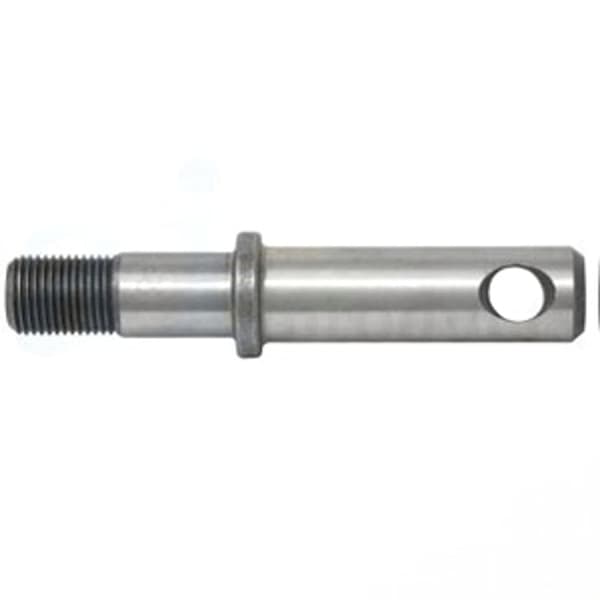
4 parts we recommend — in stock, ships fast, one-click add to cart.
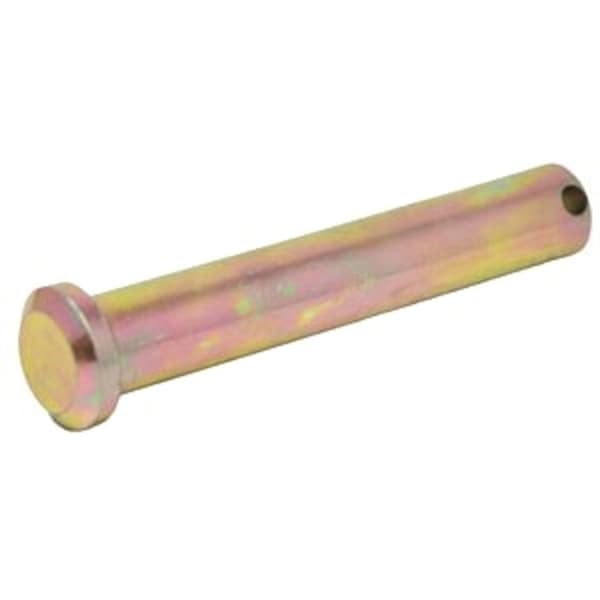
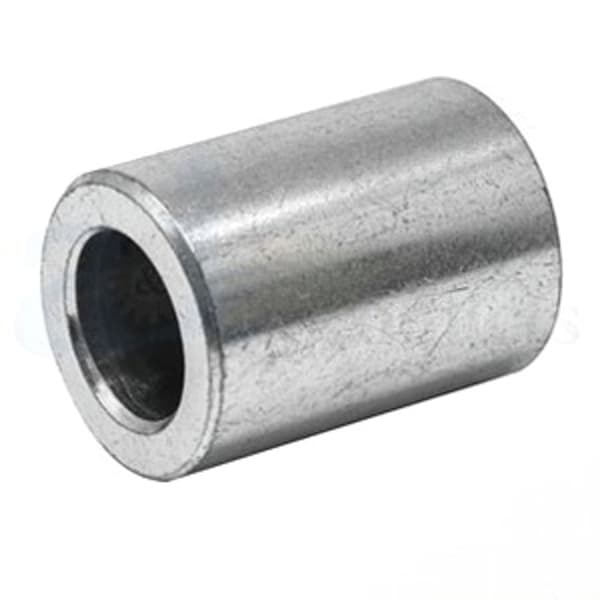
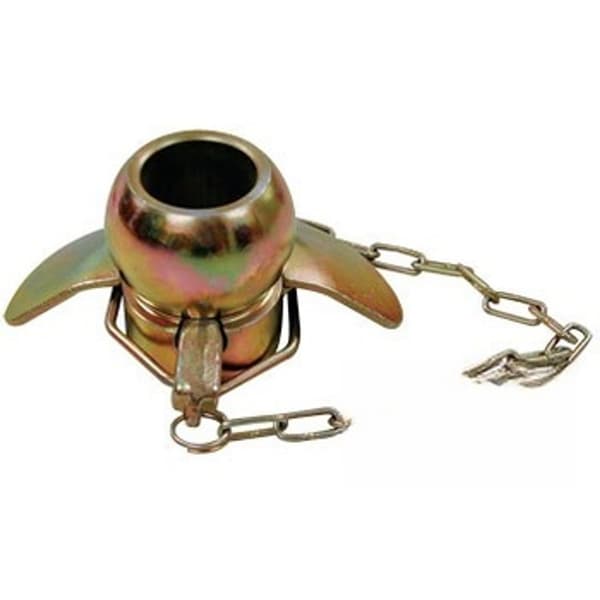
🔍 Looking for a specific part? Try our AI Part Finder — tell it your equipment and what you need, and it will find matching parts instantly.
At Madison Tractor, we understand the importance of efficiency in your operations. We carry a wide range of tractor parts and accessories, including quick hitches, to help you maximize your productivity. Whether you operate a John Deere, Case IH, Ford, New Holland, Massey Ferguson, Kubota, Allis Chalmers, Deutz, International Harvester, Oliver, White, Gleaner, Vermeer, Hesston, Mahindra, or Zetor, we can help you find the right parts to keep your equipment running smoothly. And don't forget to inspect your existing tractor tire tube for damage while you are working on the hitch!
Understanding Three-Point Hitch Categories
Before diving into quick hitches, it's essential to understand the different categories of three-point hitches. These categories are defined by the Society of Automotive Engineers (SAE) and are based on the horsepower range of the tractor and the size of the hitch components. The two most common categories are Category 1 and Category 2.
Category 1 Hitches
Category 1 hitches are typically found on smaller tractors, generally ranging from 20 to 45 horsepower. The lift arm pins are 7/8 inch in diameter, and the top link pin is 3/4 inch in diameter. The spacing between the lift arms is 26 inches.
Category 2 Hitches
Category 2 hitches are designed for larger tractors, typically ranging from 40 to 100 horsepower. The lift arm pins are 1 1/8 inch in diameter, and the top link pin is 1 inch in diameter. The spacing between the lift arms is 32 inches.
Important Note: Never attempt to use an implement designed for a higher category hitch on a lower category tractor. This can cause damage to both the tractor and the implement. It is also important to make sure your tractor front tire pressures are within spec to ensure safe operation. Consult your tractor's owner's manual for specific three-point hitch category information.
Types of Tractor Quick Hitches
Now that you understand the three-point hitch categories, let's explore the different types of quick hitches available.
Standard Quick Hitches
Standard quick hitches are the most common type and are designed to fit specific three-point hitch categories (Cat 1 or Cat 2). They consist of a frame that attaches to the tractor's three-point hitch and has hooks that latch onto the implement's attachment pins. To attach an implement, you simply back the tractor up to the implement, raise the three-point hitch, and the hooks will automatically latch onto the pins. To detach, you release the latches and lower the three-point hitch.
Pros:
- Relatively inexpensive.
- Durable and reliable.
- Wide availability.
Cons:
- May require some adjustment to fit different implements.
- Not compatible with all implements (some implements may require modification).
When installing a standard quick hitch, ensure all bolts are tightened to the manufacturer's specifications. For example, the bolts securing the quick hitch frame to the tractor's lower lift arms should be torqued according to your tractor's service manual. A common torque specification for 3/4" Grade 5 bolts is around 150 ft-lbs. Always refer to the specific instructions for your quick hitch model.
Pat's Easy Change System
Pat's Easy Change System is a simpler alternative to standard quick hitches. It consists of two extendable lower link adapters that attach to the tractor's lower lift arms. These adapters have a ball-and-socket design that allows for easier alignment and connection to implements. They also provide a small amount of lateral movement, which can be helpful when attaching implements on uneven ground.
Pros:
- Easy to install and use.
- More forgiving of misaligned implements.
- Can be used with a wider range of implements without modification.
Cons:
- May not be as durable as standard quick hitches in heavy-duty applications.
- Reduces lift capacity of 3-point hitch.
Adjustable Quick Hitches
Adjustable quick hitches offer greater flexibility and compatibility with a wider range of implements. These hitches typically feature adjustable hooks and top link brackets, allowing you to fine-tune the fit to accommodate different implement sizes and shapes. They are a good option if you frequently use implements from different manufacturers or if you have implements that are not perfectly compatible with standard quick hitches.
Pros:
- Highly versatile and adaptable.
- Can be used with a wide range of implements.
Cons:
- More expensive than standard quick hitches.
- May require more time and effort to adjust for different implements.
Choosing the Right Quick Hitch
Selecting the right tractor quick hitch depends on several factors, including:
- Tractor Horsepower and Three-Point Hitch Category: Ensure the quick hitch is compatible with your tractor's three-point hitch category (Cat 1 or Cat 2).
- Type of Implements Used: Consider the types of implements you will be using with the quick hitch. If you primarily use standard implements from a single manufacturer, a standard quick hitch may be sufficient. If you use a variety of implements from different manufacturers or have implements that are not perfectly compatible, an adjustable quick hitch or Pat's Easy Change System may be a better choice.
- Budget: Quick hitches range in price, so consider your budget when making your selection. Standard quick hitches are generally the most affordable, while adjustable quick hitches are typically more expensive.
- Ease of Use: Consider how easy the quick hitch is to install and use. Pat's Easy Change System is generally considered the easiest to install and use, while adjustable quick hitches may require more time and effort to adjust.
For example, if you own a Kubota B2650 (approximately 26 horsepower) and primarily use Category 1 implements like a rotary cutter and box blade, a standard Category 1 quick hitch would likely be a good choice. Conversely, if you own a John Deere 5075E (approximately 75 horsepower) and use both Category 1 and Category 2 implements, you might consider an adjustable quick hitch to accommodate both sizes.
Safety Considerations
When using a tractor quick hitch, always follow these safety precautions:
- Read and understand the quick hitch's operating manual before use.
- Ensure the quick hitch is properly installed and all connections are secure.
- Never exceed the quick hitch's weight capacity.
- Be aware of your surroundings and avoid operating the quick hitch near people or obstacles.
- Never attempt to modify the quick hitch.
- Always lower the implement to the ground before disconnecting the quick hitch.
- Wear appropriate personal protective equipment (PPE), such as safety glasses and gloves.
Warning: Improper use of a tractor quick hitch can result in serious injury or death. Always follow safety precautions and use common sense.
Maintaining Your Quick Hitch
Regular maintenance will help ensure your quick hitch operates smoothly and reliably for years to come. Here are some tips:
- Inspect the quick hitch and its components, like a lower link ball, regularly for signs of wear or damage.
- Lubricate all moving parts regularly with a high-quality grease. Use a grease gun to apply grease to the pivot points and latches. This will help prevent corrosion and ensure smooth operation.
- Tighten any loose bolts or fasteners. Periodically check the tightness of all bolts and fasteners on the quick hitch. Loose fasteners can cause excessive wear and tear and can even lead to failure.
- Store the quick hitch in a dry place when not in use. This will help prevent corrosion and extend its lifespan.
If you notice any damage to your quick hitch, such as bent hooks or cracked welds, repair or replace it immediately. Do not use a damaged quick hitch, as it could be unsafe.
Parts and Repairs at Madison Tractor Company
Madison Tractor Company is your one-stop shop for all your tractor parts and implement needs. We carry a wide selection of quick hitches, as well as replacement parts for most major brands, including John Deere, Case IH, Ford, New Holland, Massey Ferguson, Kubota, and more. We also stock a comprehensive inventory of other tractor parts, such as radiators, water pumps, starters, and hydraulic pumps. Whether you need a new PTO shaft for your mower or a complete engine overhaul kit for your International Harvester, we've got you covered.
If you need assistance selecting the right quick hitch or finding a specific part, our knowledgeable team is here to help. Contact us today, and we'll be happy to assist you.
While you're upgrading your implement connections, be sure to check out our article on tractor wheel weights to optimize traction and stability, and our guide to understanding tractor tire sizes explained, ensuring you have the correct tires for your tasks.
Shop Tractor Parts at Madison Tractor!
Ready to make your implement connections easier and more efficient? Browse our selection of tractor parts and quick hitches at Madison Tractor Company today! We're committed to providing high-quality parts at competitive prices, with fast shipping and exceptional customer service. Let us help you keep your farm equipment running smoothly. You can also use our AI-Powered Part Finder to search for parts by your specific make and model.
Part of our comprehensive guide
Tractor Tire Size Guide: Read Sizes, Find Replacements & Compare Brands