







Tractor Front Tire: Tri-Rib, R1 & Turf Options
Selecting the right front tire for your tractor is crucial for optimal performance and safety. This guide explores tri-rib, R1 agricultural, and turf tire options, helping you choose the best fit for your needs. Understand the pros and cons of each type to maximize your tractor's capabilities.
Introduction to Tractor Front Tires
Your tractor's front tires play a critical role in steering, stability, and overall performance. Unlike rear tires, which primarily focus on traction, front tires are designed to guide the tractor and support its weight. Selecting the correct tractor front tire type is essential for efficient operation in various terrains and applications.
Recommended Parts for This Guide
10 parts we recommend — in stock, ships fast, one-click add to cart.
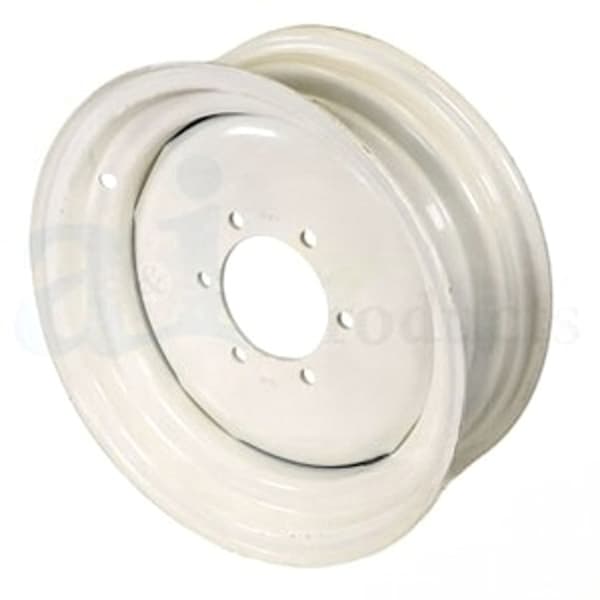
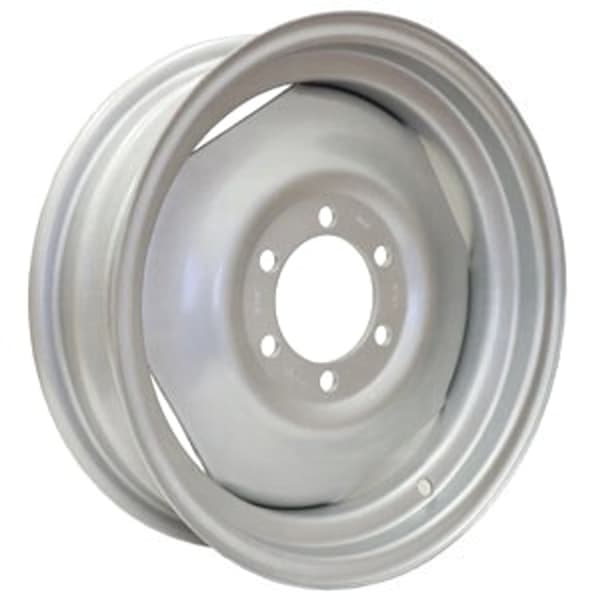
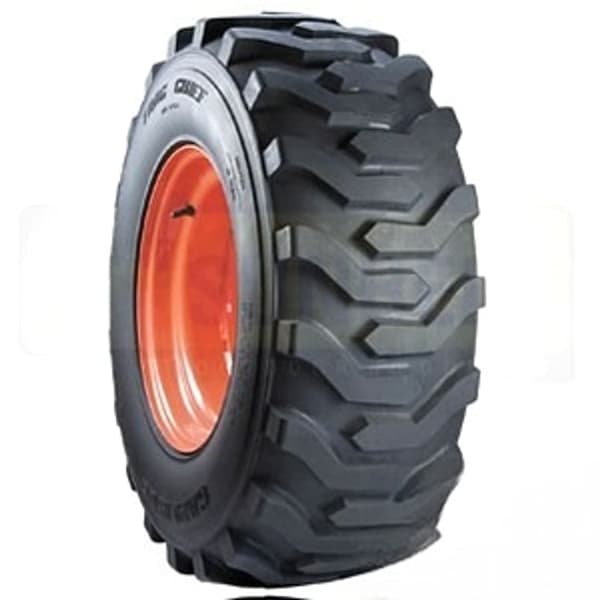
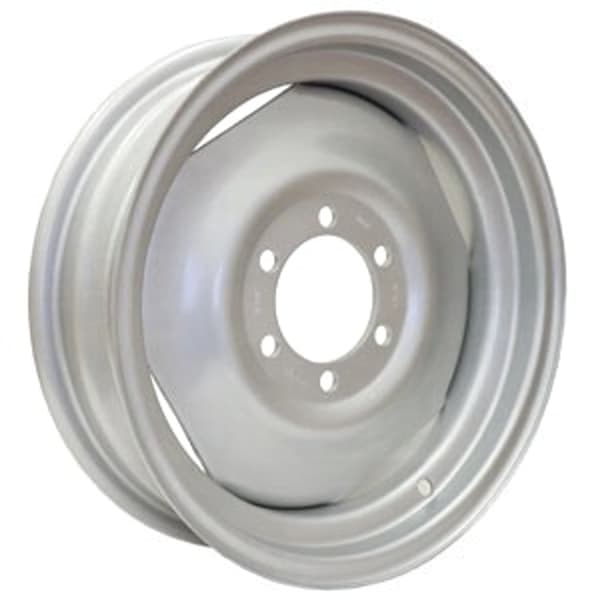
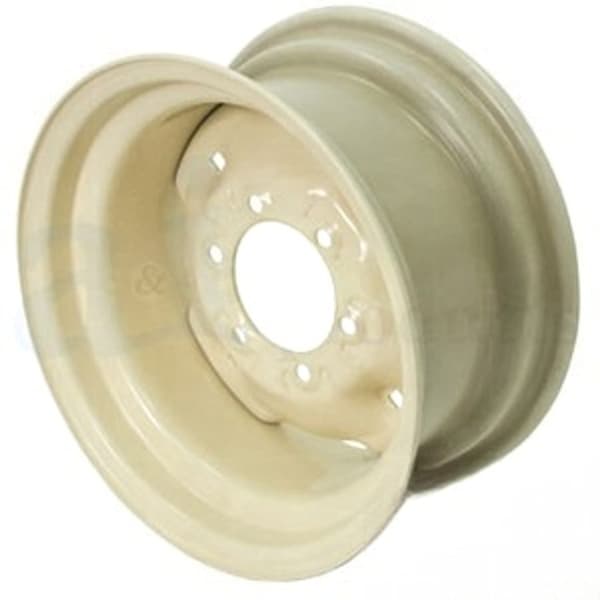
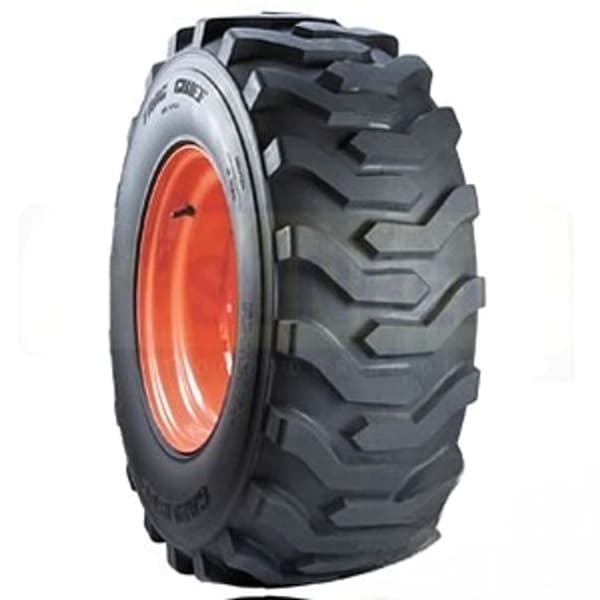
🔍 Looking for a specific part? Try our AI Part Finder — tell it your equipment and what you need, and it will find matching parts instantly.
This article will delve into the three most common types of tractor front tires: tri-rib, R1 agricultural, and Turf tires. We'll discuss their characteristics, advantages, disadvantages, and ideal applications to help you make an informed decision for your John Deere, Case IH, Ford, New Holland, Massey Ferguson, Kubota, or other tractor. At Madison Tractor Company, we stock a wide variety of front tires and offer expert advice to help you keep your machine running smoothly. If you're also considering rear tire options, be sure to check out our article on Tractor Rear Tire: R1 Ag, R4 Industrial & Radial Options.
Safety First: Always consult your tractor's operator manual for recommended tire sizes and inflation pressures. Improperly sized or inflated tires can lead to instability and potential accidents.
Tri-Rib Tractor Front Tires
Tri-rib tires, also known as three-rib or steer tires, are the most common type of front tire found on farm tractors. Their defining feature is the distinctive three raised ribs that run circumferentially around the tire. These ribs provide excellent steering control and minimize soil disturbance.
Advantages of Tri-Rib Tires:
- Superior Steering: The ribs effectively grip the soil, providing precise steering control, especially in soft or uneven terrain.
- Reduced Soil Compaction: The narrow profile and ribs minimize soil compaction compared to other tire types.
- Good Floatation: Offers good floatation in muddy conditions due to wider overall tire structure.
- Affordable: Typically, tri-rib tires are the most cost-effective option for front tractor tires.
Disadvantages of Tri-Rib Tires:
- Limited Traction: Not designed for heavy pulling or high-traction applications.
- Poor Performance on Hard Surfaces: Can wear quickly and provide a rough ride on paved roads.
Ideal Applications for Tri-Rib Tires:
- General farming operations (plowing, planting, cultivating)
- Mowing and light loader work
- Tractors primarily used in fields and pastures
Examples:
A common tri-rib tire size for a John Deere 2030 tractor might be 6.00-16. For older Ford tractors like the 8N, 5.00-15 was a typical front tire size. When replacing your tires, always double-check the existing size or consult your tractor's manual for the recommended specifications.
Maintenance Tip: Regularly check the tire pressure of your tri-rib tires. Underinflation can lead to uneven wear and reduced steering performance. Recommended pressure is usually between 28-36 PSI depending on the tire size. You can find suitable tire pressure gauges at Madison Tractor.
R1 Agricultural Tractor Front Tires
R1 agricultural tires, also known as lug tires, are designed for maximum traction in soft soil. These tires feature deep, aggressive lugs that dig into the ground, providing excellent pulling power. While typically used as rear tractor tires, R1 tires can also be used on the front for specific applications.
Advantages of R1 Tires:
- Maximum Traction: Provides the best possible traction in loose soil.
- Enhanced Pulling Power: Ideal for heavy-duty applications like tillage and plowing.
- Self-Cleaning: The lug design helps to shed mud and debris, maintaining traction.
Disadvantages of R1 Tires:
- Significant Soil Disturbance: The aggressive lugs can damage delicate crops and compact the soil.
- Poor Steering on Hard Surfaces: Can be difficult to steer on paved roads.
- Rough Ride: Provides a bumpy and uncomfortable ride on hard surfaces.
- Increased Wear: Can wear quickly when used on hard surfaces.
Ideal Applications for R1 Tires:
- Heavy tillage operations
- Tractors used primarily for pulling implements
- Applications where maximum traction is required
Important Considerations:
Using R1 tires on the front of your tractor can significantly increase steering effort, especially on hard surfaces. It can also put extra strain on your tractor's steering components. Make sure your tractor is designed to handle the increased load and consider adding tractor wheel weights to the rear for improved balance and stability. Madison Tractor carries steering cylinders, tie rod ends, and other steering components for John Deere, Kubota, and many other brands if you need to replace worn parts.
For example, if you're using a Massey Ferguson 135 primarily for plowing, you might consider R1 tires on the front for added traction. Ensure you have adequate front-end loader support if applicable and check your steering system for any signs of wear. Common parts to inspect include the tie rod ends and steering cylinder.
Turf Tractor Front Tires
Turf tires are designed to minimize damage to delicate surfaces like lawns, golf courses, and sports fields. They feature a wide, flat profile with shallow treads that distribute the tractor's weight over a larger area, reducing soil compaction and preventing tearing.
Advantages of Turf Tires:
- Minimal Soil Disturbance: Protects delicate surfaces from damage.
- Excellent Floatation: Prevents sinking in soft or wet ground.
- Smooth Ride: Provides a comfortable ride on paved surfaces.
Disadvantages of Turf Tires:
- Limited Traction: Not suitable for heavy pulling or working in loose soil.
- Poor Steering in Mud: Can be difficult to steer in muddy conditions.
Ideal Applications for Turf Tires:
- Mowing lawns and maintaining golf courses
- Light-duty tasks on sensitive surfaces
- Tractors used primarily for landscaping and grounds maintenance
Choosing Turf Tires:
If you have a compact tractor like a Kubota BX series or a John Deere 1025R and primarily use it for mowing, turf tires are an excellent choice. Common front tire sizes for these tractors are 18x8.50-8 or 18x8.50-10. You can also refer to our article on Compact Tractor Tires: Best Options for Kubota, JD & More for more information.
Important Note: Never operate a tractor with turf tires on steep slopes, as they offer limited traction and can be dangerous.
Other Factors to Consider
Beyond the tire type, several other factors can influence your choice of tractor front tires:
- Tire Size: Always use the recommended tire size for your tractor model. Refer to your operator's manual or check our guide on tractor tire sizes explained.
- Tire Ply Rating: Higher ply ratings indicate stronger tires that can handle heavier loads.
- Tire Pressure: Maintain the correct tire pressure for optimal performance and tire life.
- Load Capacity: Ensure the tires can handle the weight of your tractor and any attached implements.
- Brand Reputation: Choose reputable tire brands known for quality and durability.
For older tractors like Allis Chalmers, Deutz, International Harvester, Oliver, White, Gleaner, Vermeer, Hesston, Mahindra, and Zetor, finding the exact original tire may be difficult. Consult with a tire specialist at Madison Tractor to find suitable replacements that meet the specifications of your tractor.
Conclusion
Selecting the right tractor front tire is crucial for maximizing your tractor's performance and ensuring safe operation. By understanding the characteristics, advantages, and disadvantages of tri-rib, R1 agricultural, and turf tires, you can make an informed decision that suits your specific needs and applications. Remember to always consult your tractor's operator manual for recommended tire sizes and inflation pressures.
Shop Tractor Parts at Madison Tractor Company
At Madison Tractor Company, we carry a wide selection of tractor front tires, along with all the parts you need to keep your tractor running smoothly, including John Deere parts, Case IH parts, Ford parts, New Holland parts and Kubota parts. We offer competitive prices, fast shipping, and expert customer support. Browse our online catalog today or contact us for assistance with your parts needs. We stock radiators, water pumps, starters, alternators, hydraulic pumps, cylinders, clutch kits, PTO parts, fuel pumps, carburetors, injectors, filters, gaskets, pistons, bearings, seals, belts, chains, concaves, sickle sections, and more! You can also use our AI-Powered Part Finder to search for parts by your specific make and model.
Part of our comprehensive guide
Tractor Tire Size Guide: Read Sizes, Find Replacements & Compare Brands