







Tractor Loader Joystick: Hydraulic Valve & Control Lever
A tractor loader joystick controls the hydraulic functions of your front-end loader. This guide covers hydraulic valves, control levers, troubleshooting tips, and maintenance to keep your loader working smoothly.
The tractor loader joystick is the command center for your front-end loader, allowing you to effortlessly lift, lower tilt buckets, grapples other implements. But what happens when your joystick becomes stiff, unresponsive, or stops working altogether? This comprehensive guide from Madison Tractor Company will help you understand the inner workings of your tractor loader joystick, diagnose common problems perform basic repairs to keep your machine operating at peak performance.
Recommended Parts for This Guide
7 parts we recommend — in stock, ships fast, one-click add to cart.
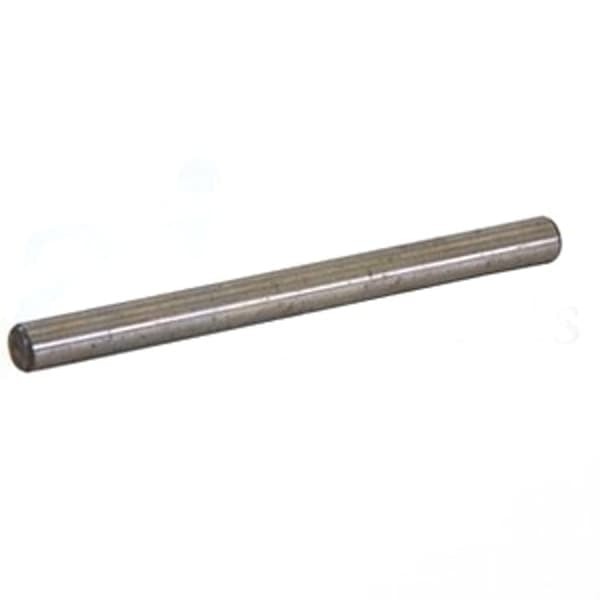
🔍 Looking for a specific part? Try our AI Part Finder — tell it your equipment and what you need, and it will find matching parts instantly.
Understanding the Tractor Loader Joystick
At its core, a tractor loader joystick is a mechanical control connected to a hydraulic valve. When you move the joystick, it actuates the valve, directing pressurized hydraulic fluid to the appropriate cylinders that control the loader's movements. There are generally two main types of loader control valves: monoblock and sectional. Monoblock valves are a single, solid casting, while sectional valves are made up of individual sections bolted together, each controlling a specific function.
The joystick lever itself is typically a 4-way valve controller, providing control for lift, lower, tilt back dump functions. Some joysticks also incorporate additional buttons or levers for auxiliary hydraulic functions, such as controlling a grapple.
Components of the Joystick System
- Joystick Lever The primary control interface for the operator.
- Linkage Connects the joystick lever to the Hydraulic Control Valve.
- Hydraulic Control Valve Directs hydraulic fluid to the loader cylinders.
- Hydraulic Cylinders Convert hydraulic pressure into linear motion to lift, lower tilt the loader.
- Hydraulic Hoses and Fittings Transport hydraulic fluid between the pump, valve cylinders.
- Hydraulic Pump Provides the pressurized hydraulic fluid for the system. A failing hydraulic pump can certainly cause loader issues.
Troubleshooting Common Joystick Problems
Here are some common issues you might encounter with your tractor loader joystick and how to troubleshoot them
Stiff or Difficult Joystick Movement
- Cause Lack of lubrication in the linkage, corrosion, or a binding cable.
- Solution
Slow or Weak Loader Performance
- Cause Low hydraulic fluid level, a worn hydraulic pump, internal leakage in the hydraulic valve or cylinders, or a clogged hydraulic filter.
- Solution
- Check the hydraulic fluid level and top off as needed. Refer to your tractor's operator manual for the correct fluid type and capacity.
- Inspect hydraulic hoses and fittings for leaks. Replace any damaged components.
- Replace the hydraulic filter. A clogged filter can restrict flow and reduce pressure. We stock filters for many brands, including John Deere, Case IH Kubota.
- Test the hydraulic pump pressure. Refer to your tractor's service manual for the correct testing procedure and pressure specifications. A worn pump may need to be rebuilt or replaced.
- Check for internal leakage in the hydraulic cylinders by observing if the loader drifts downward or tilts on its own. Cylinders can be rebuilt with new seals if leaking internally.
Joystick Moves, But Loader Doesn't Respond
- Cause Disconnected linkage, a jammed or faulty hydraulic valve, or a broken hydraulic hose.
- Solution
- Inspect the linkage between the joystick and the hydraulic valve to ensure it is properly connected and moving freely.
- Check for any obvious damage to the hydraulic valve.
- Inspect hydraulic hoses for breaks or kinks.
- If possible, check for pressure at the valve to confirm it is receiving hydraulic fluid.
Erratic Joystick Operation
- Cause Air in the hydraulic system, a faulty hydraulic valve, or electrical issues (if the joystick controls an electro-hydraulic valve).
- Solution
- Bleed the air from the hydraulic system. Consult your tractor's service manual for the correct bleeding procedure.
- Inspect the hydraulic valve for damage or contamination.
- If your joystick controls an electro-hydraulic valve, check the wiring and connections for any issues.
Repairing or Replacing the Joystick Valve
Depending on the severity of the problem, you may be able to repair the hydraulic control valve or need to replace it altogether.
Hydraulic Valve Repair
If the valve is leaking or not functioning properly, it may be possible to rebuild it with new seals and o-rings. Rebuild kits are often available for common valve models. Here's the general process
- Disassembly Carefully disassemble the valve, taking note of the location of each component.
- Cleaning Clean all parts thoroughly with a solvent.
- Inspection Inspect all parts for wear or damage. Pay special attention to components like the valve guide, hydraulic valve chamber inlet, hydraulic valve chamber outlet, and hydraulic valve chamber inlet spring. Replace any damaged components.
- Reassembly Reassemble the valve with new seals and o-rings, following the manufacturer's instructions.
- Testing Test the valve to ensure it is functioning properly.
Safety Warning Hydraulic systems operate under high pressure. Before working on any hydraulic component, relieve the pressure in the system and disconnect the hydraulic pump.
Hydraulic Valve Replacement
If the valve is severely damaged or worn, it may be necessary to replace it. When replacing the valve, be sure to use the correct replacement part for your tractor model. Madison Tractor Company carries a wide selection of hydraulic control valves, including solenoid control valves and hydraulic valve assemblies, for John Deere, Case IH, Ford, New Holland, Massey Ferguson, Kubota, Allis Chalmers, Deutz, International Harvester, Oliver, White, Gleaner, Vermeer, Hesston, Mahindra Zetor tractors. When searching for a replacement, be sure to have your tractor's model and serial number handy to ensure you get the correct part. Sometimes, even specific production dates matter. Reference your parts manual and look for OEM part numbers, such as for John Deere or 87302465 for New Holland, or cross-reference numbers to ensure a perfect fit.
Joystick Linkage Adjustments
Proper adjustment of the joystick linkage is crucial for smooth and precise loader operation. Here's how to check and adjust the linkage
- Inspect Inspect the linkage for wear, damage, or looseness.
- Adjust Adjust the linkage to eliminate any slack or play. Refer to your tractor's service manual for the correct adjustment procedure.
- Lubricate Lubricate all moving parts of the linkage.
For example, on some older Ford tractors, the linkage rods connecting the joystick to the valve have adjustable clevises. Loosening the jam nuts on the clevises allows you to shorten or lengthen the rod, which can fine-tune the valve's response to joystick movement.
Don't forget the importance of your tractor tires, too. Properly inflated tires, especially the front tires, are crucial for optimal loader operation and stability.
Preventative Maintenance for Long Joystick Life
Regular maintenance is key to extending the life of your tractor loader joystick and hydraulic system
- Regularly lubricate all moving parts of the linkage.
- Check the hydraulic fluid level and condition regularly. Change the fluid and filter according to the manufacturer's recommendations.
- Inspect hydraulic hoses and fittings for leaks or damage. Replace any worn or damaged components promptly.
- Protect the joystick from the elements when the tractor is not in use. Consider a joystick cover.
Other Related Tractor Parts
Remember to maintain the other vital systems of your tractor. We also stock replacement parts for
- Cooling: Radiators, water pumps, thermostats
- Electrical: Starters, alternators, batteries
- Engine: Pistons, rings, bearings, seals
- Fuel System: Fuel pumps, carburetors, injectors
- Clutch & PTO: Clutch kits, PTO shafts, PTO bearings
By following these guidelines, you can keep your tractor loader joystick functioning smoothly and efficiently, allowing you to get the most out of your machine.
Need parts for your John Deere, Case IH, or any other brand of tractor? Madison Tractor Company has you covered! Browse our extensive online catalog of tractor parts and get your machine back in top shape today! You can also use our AI-Powered Part Finder to search for parts by your specific make and model.
Part of our comprehensive guide
Tractor Tire Size Guide: Read Sizes, Find Replacements & Compare Brands