








Tractor Tire Chains: Sizing, Installation & Best Types
Maximize your tractor's traction in snow and ice with the right tire chains. This guide covers how to select the correct size, install them safely, and choose the best type for your needs. Ensure optimal performance and safety on your farm.
Introduction to Tractor tire chains
When winter hits, or you're working in muddy conditions, standard tractor tires sometimes aren't enough. Tractor tire chains are an essential tool for improving traction and safety, especially on icy, snowy, or muddy terrain. They wrap around your tractor rear tires (and sometimes front tires) providing a biting surface that dramatically increases grip. Choosing the right chains and installing them correctly is crucial for both performance and safety. At Madison Tractor, we understand the importance of having the right equipment to keep your operation running smoothly. We carry a wide selection of tire chains to fit tractors from John Deere to Kubota, Case IH to Massey Ferguson, and many more.
Recommended Parts for This Guide
3 parts we recommend — in stock, ships fast, one-click add to cart.
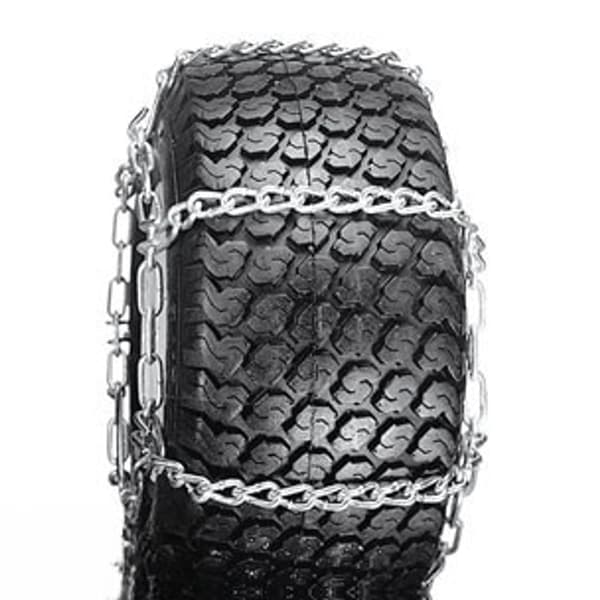
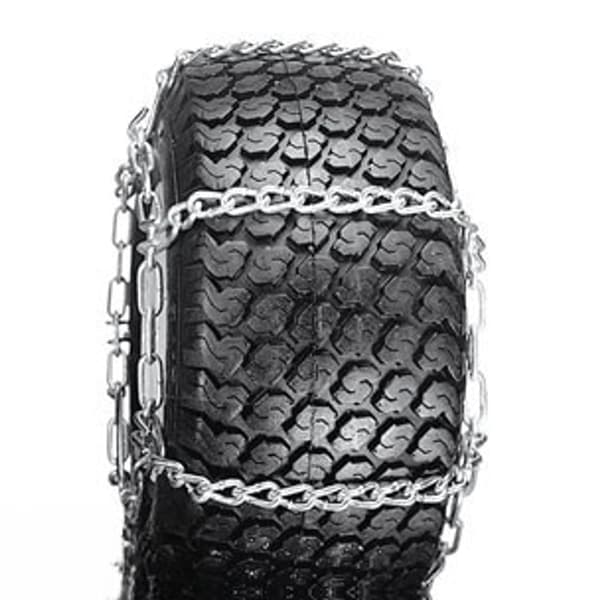
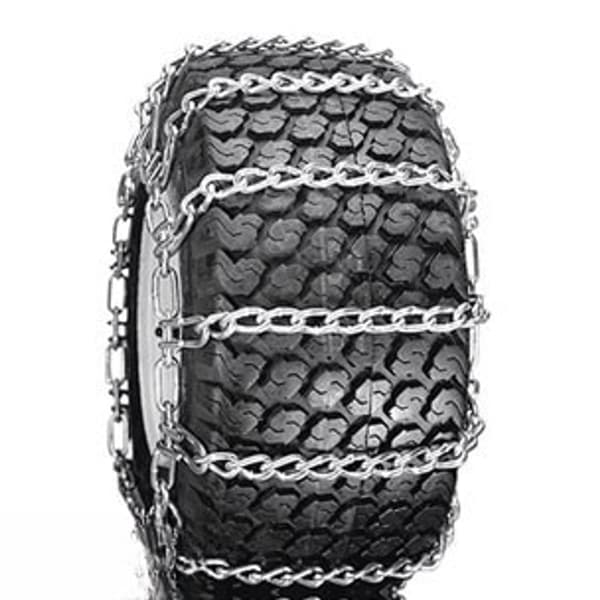
🔍 Looking for a specific part? Try our AI Part Finder — tell it your equipment and what you need, and it will find matching parts instantly.
Understanding Tire Chain Types
Several types of tractor tire chains are available, each designed for specific conditions and uses. Here's a breakdown of some common options:
- Ladder Chains: These are the most basic and affordable type. They consist of cross chains connected by side chains, forming a ladder-like pattern. They provide good traction in general snow and ice conditions.
- Diamond Pattern Chains: Offering improved grip over ladder chains, diamond pattern chains have a continuous diamond-shaped pattern that provides more contact points with the ground. They're excellent for plowing snow or working on icy slopes.
- Twisted Link Chains: These chains feature twisted links that dig deeper into the snow or ice. They offer superior traction in severe conditions and are often preferred for heavy-duty applications.
- Studded Chains: Studded chains have small metal studs embedded in the cross chains for maximum grip on ice. These are ideal for extremely icy conditions but may cause damage to paved surfaces, so use them with caution.
- Ring Chains: Offer improved longevity and smoother ride than standard link chains.
Consider your typical operating conditions when choosing a chain type. For most general farm use, ladder or diamond pattern chains are sufficient. For icy conditions or steep slopes, twisted link or studded chains may be necessary. Remember that using the wrong type of chain can be less effective and potentially damage your tires.
Sizing Tractor Tire Chains Correctly
Proper sizing is crucial for the effectiveness and safety of your tractor tire chains. Chains that are too loose can slip and damage your tires or tractor, while chains that are too tight may break or be impossible to install. Here's how to determine the correct size:
- Locate Your Tire Size: Find the tire size marked on the sidewall of your tractor tires. This will be a series of numbers and letters, such as 13.6-28 or 16.9R30. Refer to our guide on tractor tire sizes explained if you need assistance interpreting the code.
- Consult a Tire Chain Sizing Chart: Use a tire chain sizing chart provided by the chain manufacturer or retailer. These charts correlate tire sizes with the corresponding chain sizes. Madison Tractor provides sizing charts for all the chains we sell.
- Consider Tire Wear: If your tires are significantly worn, the actual diameter may be slightly smaller than the original size. In this case, you might need a slightly smaller chain size.
- Check for Clearance: Ensure that there is adequate clearance between the tire and the tractor fenders, frame, and other components. Chains can add extra bulk, so ensure sufficient space to prevent rubbing or damage.
Example: If your tractor uses 18.4-34 tires (common on John Deere 4020 and similar sized tractors), consult the chain sizing chart to find the corresponding chain size. A common cross-reference number for a chain that will fit this tire would be a Durabilt 3128DT.
Installing Tractor Tire Chains: A Step-by-Step Guide
Installing tire chains can be challenging, but following these steps will help you do it safely and effectively:
- Safety First: Park your tractor on a level surface, engage the parking brake, and turn off the engine. Wear heavy gloves to protect your hands.
- Lay Out the Chains: Spread the chains on the ground in front of the tire you'll be installing them on. Ensure the cross chains are properly oriented and not tangled. Make sure the adjusters are accessible.
- Drape the Chains Over the Tire: Drape the chains over the top of the tire, ensuring that they are evenly distributed. The cross chains should run perpendicular to the tire tread.
- Join the Inside Fasteners: Reach behind the tire and connect the inside fasteners (usually hooks or links). Start with the fastener closest to the tire and work your way out.
- Roll the Tractor Forward: Slowly roll the tractor forward a short distance (about half a tire revolution) to bring the rest of the chains around the tire.
- Join the Outside Fasteners: Connect the outside fasteners, ensuring a snug but not overly tight fit.
- Adjust the Chains: Use chain tighteners (often rubber or spring) to take up any slack and ensure a secure fit. Distribute the tighteners evenly around the tire. This helps to keep chains snug and centered and prevents chain breakage.
- Re-tighten After Use: After driving a short distance (e.g., 50-100 yards), stop and re-tighten the chains. They tend to loosen slightly as they settle into place.
Important Safety Tip: Never drive at high speeds with tire chains installed. Excessive speed can cause the chains to break, damage your tires, or even cause an accident. Always adhere to the manufacturer's recommended speed limit for chain use.
Maintenance and Storage of Tractor Tire Chains
Proper maintenance and storage will extend the life of your tractor tire chains and ensure they are ready when you need them:
- Cleaning: After each use, clean the chains with water to remove mud, dirt, and salt. Salt can cause corrosion and weaken the chains.
- Inspection: Regularly inspect the chains for wear, damage, and broken links. Replace any damaged links or sections of chain to prevent failure.
- Lubrication: Apply a lubricant, such as penetrating oil or chain lubricant, to the chains to prevent rust and corrosion.
- Storage: Store the chains in a dry place, away from direct sunlight and extreme temperatures. Consider using a container or bag to keep them organized and prevent them from tangling.
Consider replacing parts like filters, belts, or performing maintenance on your radiator at the end of the season or when you are storing your equipment. It's always best to be proactive to prevent breakdowns during the work season.
Choosing the Right Chains for Your Tractor Brand
Madison Tractor Company carries tire chains designed to fit a wide variety of tractor brands and models. Here are a few examples:
- John Deere: We offer chains for popular John Deere models like the 1025R, 3032E, 4020, and 5075E.
- Kubota: Find chains for Kubota tractors such as the BX2380, L2501, and MX5400. Be sure to also check out our resource on compact tractor tires to optimize your compact tractor's performance.
- Case IH: We stock chains for Case IH tractors, including Farmall models and larger Magnum series.
- New Holland: Choose from a selection of chains designed for New Holland tractors, from compact Boomer models to larger T-series tractors.
- Massey Ferguson: Get the right chains for your Massey Ferguson tractor, from the 1700M series to the larger 5700 series.
- Ford/New Holland: Many older Ford tractors are still in service. We stock tire chains for common models like the 8N, 9N, and 8000 series.
We also carry chains for Allis Chalmers, Deutz, International Harvester, Oliver, White, Gleaner, Vermeer, Hesston, Mahindra, and Zetor tractors. No matter what brand you operate, we have a solution for you.
Tire Chains and Other Implements
Tractor tire chains can work in conjunction with other implements to enhance your tractor's capabilities. For example, adding tractor wheel weights in addition to chains can improve stability and traction even further. Ballasting tires with fluid, as detailed in our guide to tractor tire ballast, can also significantly improve traction, especially in challenging conditions. Also, be sure to check your tractor front tire type and condition, as it affects overall handling in snow and mud.
Conclusion
Tractor tire chains are an invaluable tool for improving traction and safety in challenging conditions. By understanding the different types of chains, sizing them correctly, installing them properly, and performing regular maintenance, you can maximize their effectiveness and extend their lifespan. At Madison Tractor Company, we're committed to providing you with the best quality parts and expert advice to keep your farm running smoothly.
Ready to improve your tractor's traction? Browse our selection of tractor tire chains and other tractor parts today! We carry a wide range of John Deere parts, Case IH parts, Ford parts, and parts for many other brands. Contact our expert team for assistance with finding the right chains for your specific tractor model. We also offer a wide array of other parts to keep your tractor running smoothly, from water pumps to clutch kits. You can also use our AI-Powered Part Finder to search for parts by your specific make and model.
Part of our comprehensive guide
Tractor Tire Size Guide: Read Sizes, Find Replacements & Compare Brands