








Tractor Tire Valve Stem: TR218, TR618 & Clamp-In
Understanding the different types of tractor valve stems, like TR218, TR618, and clamp-in, is crucial for maintaining proper tire pressure and ensuring safe operation. This guide explains each type and provides practical advice for replacement and maintenance.
Understanding Tractor Valve Stems
Tractor tires endure significant stress, and a properly functioning valve stem is essential for maintaining correct tire pressure. This article will cover the common types of tractor valve stems: TR218, TR618, and clamp-in valve stems. Whether you're working on a vintage International Harvester or a modern John Deere, understanding these components is key for safe and efficient operation. Remember to consult your tractor's operator manual for specific recommendations. Refer to our guide Tractor Tire Sizes Explained: How to Read the Numbers for more information about matching valve stems to your tire size.
Recommended Parts for This Guide
10 parts we recommend — in stock, ships fast, one-click add to cart.
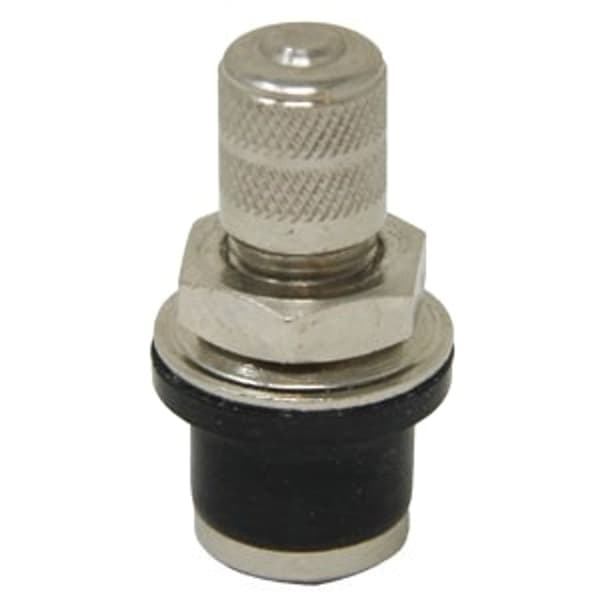
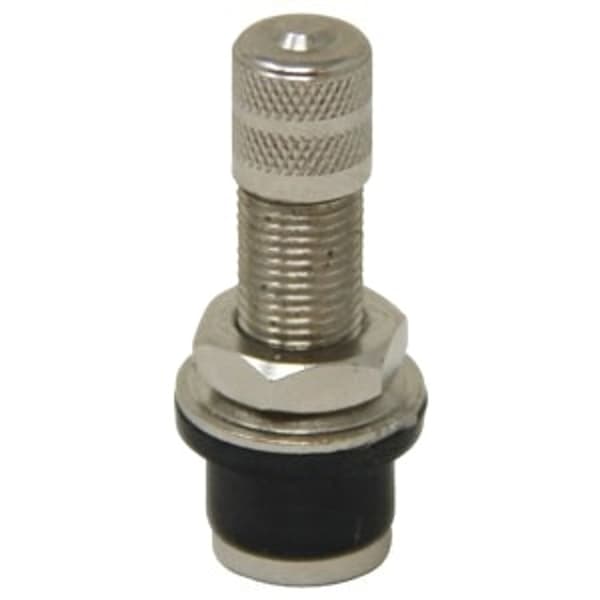
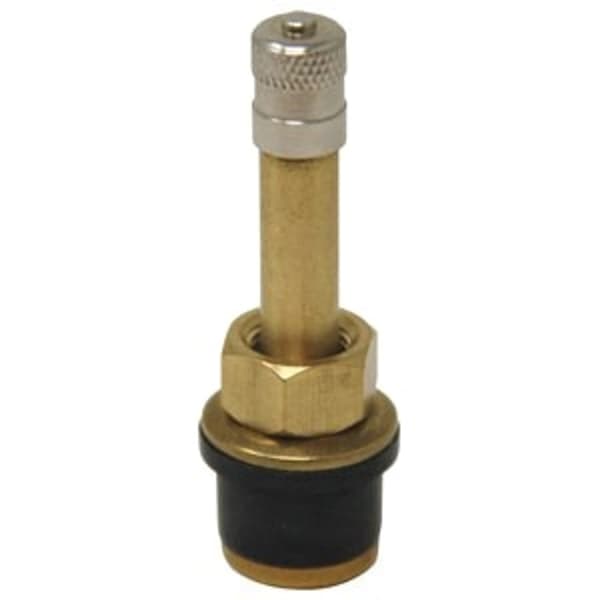
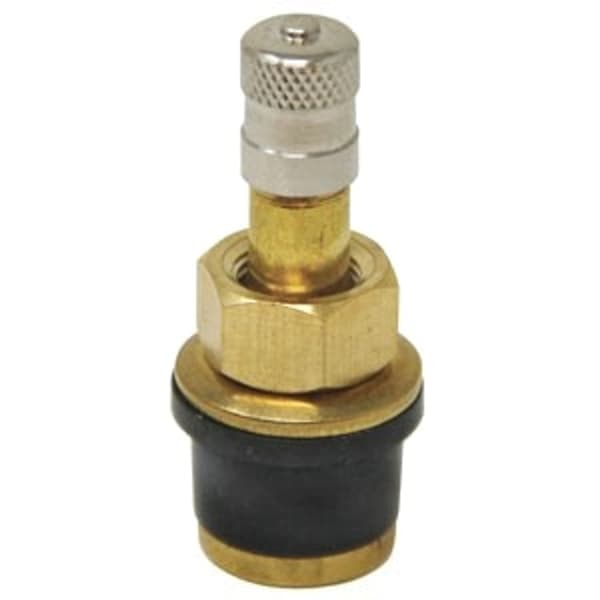
🔍 Looking for a specific part? Try our AI Part Finder — tell it your equipment and what you need, and it will find matching parts instantly.
TR218 Tractor Valve Stems
The TR218 valve stem is a common type found on many older and some newer tractors. It's designed for tube-type tires and features a rubber base that is vulcanized to the inner tube during manufacturing.
Identifying TR218 Valve Stems
Key characteristics of a TR218 valve stem:
- Tube-Type Specific: Designed exclusively for use with inner tubes. Consider our article Tractor Tire Inner Tube: Sizes & Valve Stem Types for more information.
- Rubber Base: The stem is permanently bonded to the inner tube.
- Angled Design: Often found with a slight angle to ease inflation access.
Replacing a TR218 Valve Stem
Since the TR218 is vulcanized to the tube, you cannot replace just the valve stem. You must replace the entire inner tube. Here's a simplified process:
- Deflate the tire completely. Always use a valve core removal tool for safety.
- Loosen the tire from the rim. Use tire irons or a tire machine if available.
- Remove the old inner tube. Be careful not to pinch the new tube during installation.
- Insert the new inner tube with the TR218 valve stem. Ensure the stem is properly aligned with the rim hole.
- Inflate the tire to the recommended pressure. Consult your tractor's manual or the tire sidewall for correct PSI. For advice on ballasting, see Tractor Tire Ballast: Water, Calcium & Beet Juice Fill.
Safety Warning: Always deflate tires completely before attempting to remove them from the rim. High-pressure tires can be extremely dangerous if not handled properly.
TR618 Tractor Valve Stems
The TR618 valve stem is another common type designed for tube-type tires, often found on larger agricultural equipment. It’s similar to the TR218 but is typically larger and more robust to handle higher pressures.
Identifying TR618 Valve Stems
Key characteristics of a TR618 valve stem:
- Tube-Type Specific: Like the TR218, designed for use with inner tubes.
- Larger Size: Noticeably larger in diameter and length compared to the TR218.
- Rubber Base: Vulcanized to the inner tube.
- Applications: Typically used on larger tractors and implements like combines and hay balers.
Replacing a TR618 Valve Stem
The replacement process for a TR618 valve stem is identical to that of a TR218: you must replace the entire inner tube. Follow the same steps outlined above for TR218 replacement. For implements like combines (e.g., Gleaner, Case IH), hay balers (e.g., Vermeer, Hesston) or other equipment, be sure to check your owner's manual for recommended tire pressures and tube sizes.
Clamp-In Tractor Valve Stems
Clamp-in valve stems are designed for tubeless tires. Unlike the TR218 and TR618, these stems are not vulcanized to a tube. Instead, they are secured to the rim using a clamping mechanism.
Identifying Clamp-In Valve Stems
Key characteristics of clamp-in valve stems:
- Tubeless Tire Compatible: Designed for use with tubeless tractor tires.
- Clamp Mechanism: Features a rubber grommet and a nut that tightens to create an airtight seal against the rim.
- Replaceable: Can be replaced without replacing the entire tire or tube (since there is no tube).
- Various Lengths: Available in different lengths to accommodate varying rim thicknesses.
Replacing a Clamp-In Valve Stem
Replacing a clamp-in valve stem is a relatively straightforward process:
- Deflate the tire completely. Use a valve core removal tool.
- Remove the old valve stem. Unscrew the nut on the valve stem and push the stem inward, allowing you to pull it out from inside the rim.
- Clean the rim surface. Ensure the area around the valve stem hole is clean and free of debris.
- Install the new valve stem. Insert the new stem through the hole from the inside of the rim. (We offer a range of QuikStem clamp-in valve stems, including short .625" and long .625" versions.)
- Install the washer and nut. Tighten the nut to the manufacturer's recommended torque specification. If no specific torque is available, tighten until the rubber grommet is compressed and forms an airtight seal.
- Inflate the tire to the recommended pressure. Check for leaks around the valve stem.
Torque Specifications: While specific torque values vary, a general guideline for tightening a clamp-in valve stem nut is between 35-53 inch-pounds (4-6 Nm). Over-tightening can damage the rubber grommet and cause leaks.
Common Problems and Troubleshooting
- Slow Leaks: Often caused by a damaged valve core or a loose valve stem. Tighten the valve core with a valve core tool and check the stem nut. For clamp-in stems, re-torque the nut.
- Cracked or Dry-Rotted Rubber: Indicates the valve stem is old and needs replacement. This is more common with TR218 and TR618 stems, necessitating tube replacement.
- Bent Valve Stems: Can occur from impacts or improper handling. Replace immediately.
Valve Stem Maintenance Tips
- Regular Inspections: Check valve stems regularly for cracks, leaks, and damage.
- Valve Caps: Always use valve caps to protect the valve core from dirt and moisture.
- Proper Inflation: Maintain proper tire pressure to reduce stress on the valve stems and tires. Consult Tractor Rear Tire: R1 Ag, R4 Industrial & Radial Options to understand tire types.
Choosing the Right Valve Stem
Selecting the correct valve stem is vital for optimal performance and safety. Here’s a quick guide:
- Tube vs. Tubeless: Determine if your tire requires an inner tube. If so, use TR218 or TR618 (inner tubes with these stems). If tubeless, use a clamp-in valve stem.
- Tire Size and Pressure: Larger tires and higher pressures require more robust valve stems.
- Rim Thickness: For clamp-in valve stems, ensure the stem length is appropriate for your rim thickness.
Valve Stems for Specific Tractor Brands
While the principles remain the same, certain tractor brands might have specific valve stem requirements. Here are a few examples:
- John Deere: Common models like the John Deere 3020 or John Deere 4020 may use either TR218 or TR618 stems if they have tube-type tires. Newer models might use tubeless tires with clamp-in stems. You can find replacement John Deere tractor parts including inner tubes and tires here.
- Kubota: Compact tractors like the Kubota B2650 often use smaller tires that may be tube-type with TR218 stems. Reference Compact Tractor Tires: Best Options for Kubota, JD & More for more information.
- Case IH: Larger Case IH tractors, such as the Magnum series, often utilize tubeless tires with clamp-in valve stems due to the higher operating pressures.
- Ford/New Holland: Similar to John Deere, older Ford and New Holland models (e.g., Ford 8N, New Holland 5610) typically use tube-type tires and TR218 or TR618 stems.
- Massey Ferguson: Depending on the model year and tire type, Massey Ferguson tractors (e.g., Massey Ferguson 135, Massey Ferguson 265) can use either tube-type or tubeless tires.
Always consult your tractor's operator manual or a qualified mechanic to confirm the correct valve stem type for your specific application.
Conclusion
Understanding the different types of tractor valve stems – TR218, TR618, and clamp-in – is crucial for maintaining proper tire pressure and ensuring safe operation. Regular inspections and timely replacements can prevent costly downtime and extend the life of your tires. Remember to consult your tractor's manual for specific recommendations and always prioritize safety when working with tires.
Madison Tractor Company offers a wide selection of tractor parts, including tires, inner tubes, and valve stems for John Deere, Case IH, Ford, New Holland, Massey Ferguson, Kubota, and more. We also carry a wide range of other parts such as radiators, water pumps, and filters. Shop our online catalog today for all your tractor maintenance and repair needs! You can also use our AI-Powered Part Finder to search for parts by your specific make and model.
Part of our comprehensive guide
Tractor Tire Size Guide: Read Sizes, Find Replacements & Compare Brands