








Tractor Duals: Hub Extensions, Clamps & Spacers
Tractor duals offer significant advantages in traction and stability. This guide covers hub extensions, clamps, and spacers, essential components for successful dual wheel setup. Improve your farm's efficiency with expert advice.
Understanding Tractor Duals and Their Benefits
Adding dual wheels to your tractor can dramatically improve traction, reduce soil compaction, and enhance overall stability. This is especially beneficial in challenging field conditions, such as wet soil or steep slopes. Choosing the right components – hub extensions, clamps, and spacers – is crucial for a safe and effective dual wheel setup. At Madison Tractor Company, we understand the importance of proper equipment. We carry a wide selection of parts for John Deere, Case IH, Ford, New Holland, Massey Ferguson, Kubota, Allis Chalmers, Deutz, International Harvester, Oliver, White, Gleaner, Vermeer, Hesston, Mahindra, and Zetor tractors, ensuring you find exactly what you need.
Recommended Parts for This Guide
3 parts we recommend — in stock, ships fast, one-click add to cart.
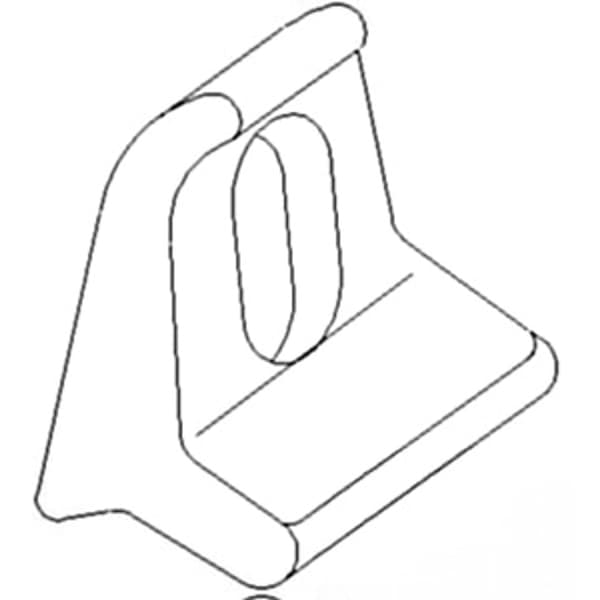
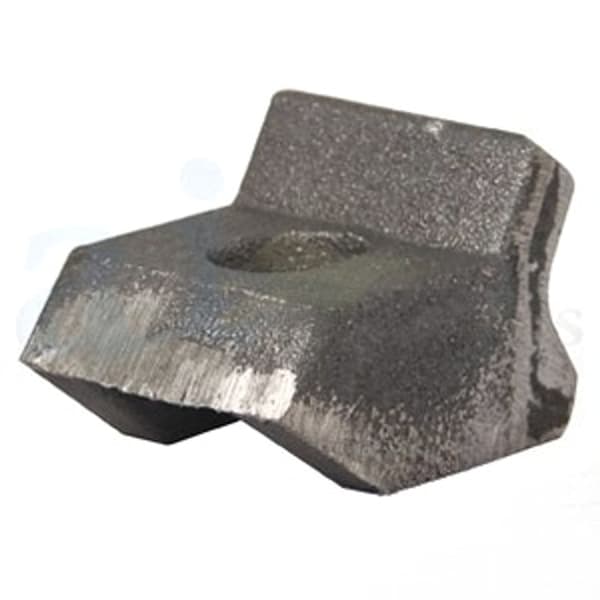
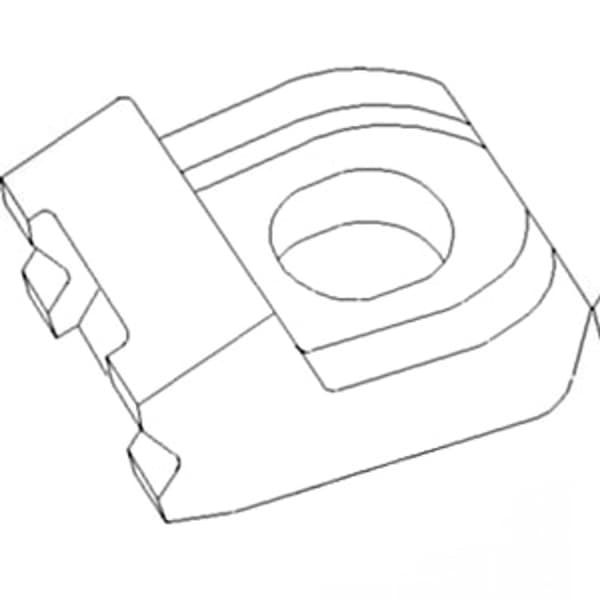
🔍 Looking for a specific part? Try our AI Part Finder — tell it your equipment and what you need, and it will find matching parts instantly.
When to Consider Tractor Duals
Several situations warrant the investment in tractor duals:
- Increased Traction: When pulling heavy implements like plows, discs, or planters, duals distribute the load and prevent wheel slippage.
- Reduced Soil Compaction: Wider tire footprint minimizes pressure on the soil, promoting better crop growth. Refer to our guide Tractor Tire Ballast: Water, Calcium & Beet Juice Fill to learn how ballast influences compaction, too.
- Improved Stability: On slopes or uneven terrain, duals provide added stability, reducing the risk of rollovers.
- Higher Productivity: By minimizing slippage and maximizing power transfer, duals allow you to cover more ground in less time.
Hub Extensions: The Foundation of Your Dual System
Hub extensions are the key components that allow you to mount the outer dual wheel to your tractor's existing axle. They effectively lengthen the hub, providing a secure mounting point. Here's what you need to consider:
- Bolt Pattern: Match the hub extension's bolt pattern to your tractor's wheel hubs and the dual wheel rims. Common patterns include 8-bolt, 10-bolt, and even larger patterns for heavy-duty tractors. Incorrect fitment is a major safety hazard.
- Extension Length: The length of the extension determines the spacing between the inner and outer wheels. Consider the overall width you desire and the type of implement you'll be using. Too much space can make maneuvering difficult, while too little space can cause interference.
- Load Capacity: Ensure the hub extension is rated for the weight and horsepower of your tractor. Overloading can lead to failure and potential accidents.
- Material and Construction: Look for hub extensions made from high-strength steel or other durable materials. Quality welds and precise machining are essential for reliable performance.
Example: For a John Deere 4020 (model years 1964-1972) with a 10-bolt wheel pattern, you'll need hub extensions specifically designed for that model. Refer to your John Deere parts catalog or consult with our experts at Madison Tractor to find the correct part numbers.
Always consult your tractor's operator manual for recommendations on dual wheel spacing and load limits.
Clamps: Securing the Connection
Clamps are used to firmly attach the outer dual wheel to the inner wheel. We offer a variety, such as the E9NN1043BB11G - Clamp, Rear Rim Wheel. They provide the necessary clamping force to prevent slippage between the two wheels. There are several types of clamps available:
- Over-Center Clamps: These clamps use a lever action to apply clamping force. They are easy to install and remove, making them a popular choice for many applications.
- Bolt-On Clamps: These clamps are bolted directly to the wheels, providing a more secure and permanent connection. They are often used for heavier-duty applications.
- Adjustable Clamps: Allow some adjustability, allowing for minor variations in tire size and wear.
When selecting clamps, consider the following:
- Wheel Size: Choose clamps that are designed for the specific wheel size you are using.
- Clamp Style: Select a clamp style that is appropriate for your application and personal preference.
- Material: Opt for clamps made from durable materials that can withstand the stresses of field use.
Safety Warning: Always inspect clamps regularly for wear or damage. Replace worn or damaged clamps immediately to prevent wheel separation.
We stock a wide range of clamps suitable for various wheel sizes and tractor models, including those for Case IH, Ford/New Holland, and Massey Ferguson tractors. Check out our selection of tractor wheels and rims.
Spacers: Fine-Tuning the Width
Spacers are used to adjust the spacing between the inner and outer dual wheels. For specialized applications, such as those involving dual blades, the W38679 - Spacer, Blade can be particularly useful. Spacers are typically made from steel or aluminum and come in various thicknesses.
Here are some considerations when using spacers:
- Thickness: Choose the correct thickness spacer to achieve the desired spacing. Too much or too little spacing can affect stability and handling.
- Material: Opt for spacers made from high-quality materials that can withstand the load and stresses of field use.
- Wheel Stud Length: Ensure that the wheel studs are long enough to accommodate the spacer and still provide adequate thread engagement for the wheel nuts. You may need to install longer wheel studs.
Torque Specifications: Always tighten wheel nuts to the manufacturer's specified torque. Improperly torqued wheel nuts can lead to wheel separation and accidents. Refer to your tractor's service manual or consult with a qualified mechanic for the correct torque specifications. Typical torque specifications for wheel nuts range from 300-600 ft-lbs, depending on the stud size and tractor model. For hydraulic components like hydraulic cylinders, also consult torque specifications.
Example: If you're adding duals to a Kubota M7040 and need to clear a specific implement, spacers might be necessary to achieve the optimal track width. Make sure to check the Compact Tractor Tires: Best Options for Kubota, JD & More guide to ensure proper tire selection before spacing the tires.
Installation Tips for Tractor Duals
- Preparation: Ensure all parts are clean and in good condition. Inspect hub extensions, clamps, and spacers for any signs of wear or damage.
- Mounting the Hub Extension: Attach the hub extension to the tractor's wheel hub, ensuring proper alignment and tightening the bolts to the specified torque.
- Mounting the Dual Wheel: Carefully lift the dual wheel onto the hub extension, aligning the bolt holes.
- Installing the Clamps: Install the clamps, ensuring they are properly positioned and tightened to the specified torque.
- Checking and Adjusting: After a few hours of operation, re-check the torque on all bolts and clamps. Adjust as needed.
Important Note: Always use a calibrated torque wrench when tightening bolts and nuts. Over-tightening can damage the threads, while under-tightening can lead to loosening and failure. It's always a good idea to have spare parts on hand for emergencies, such as water pumps or alternators.
Choosing the Right Tires for Your Duals
Selecting the right tires for your duals is just as crucial as choosing the right hardware. Consider the type of terrain you'll be working on, the weight of your implements, and the overall performance you desire. As explained in Tractor Rear Tire: R1 Ag, R4 Industrial & Radial Options, tire type (R1, R4, etc.) greatly impacts traction. Ensure that the tires on both wheels (inner and outer) are of the same size and type to maintain consistent performance and prevent uneven wear. Also consider adding Tractor Tire Chains: Sizing, Installation & Best Types in icy conditions.
Maintaining Your Tractor Duals
Regular maintenance is essential for ensuring the longevity and performance of your tractor duals. This includes:
- Inspecting Clamps: Regularly check the clamps for wear, damage, or loosening. Replace worn or damaged clamps immediately.
- Checking Tire Pressure: Maintain the correct tire pressure in both the inner and outer tires. Uneven tire pressure can lead to uneven wear and reduced performance.
- Lubricating Moving Parts: Lubricate any moving parts, such as the clamps and hub extensions, to prevent corrosion and ensure smooth operation.
- Tightening Bolts: Periodically check the torque on all bolts and nuts, especially after initial installation and after periods of heavy use.
Properly installed and maintained tractor duals can significantly enhance your farm's efficiency and productivity. Remember to prioritize safety and always consult with a qualified mechanic if you have any questions or concerns.
Shop Tractor Dual Parts at Madison Tractor Company
At Madison Tractor Company, we're committed to providing you with the highest quality tractor parts and accessories. We have a wide selection of hub extensions, clamps, spacers, and tires to meet your specific needs. Whether you need a new radiator, fuel pump, or filters, we have you covered. Browse our online catalog or contact our knowledgeable staff for assistance. We're here to help you keep your tractor running smoothly and efficiently for years to come.
🔍 Can't Find Your Part?
Use our AI-Powered Part Finder to search by your equipment's make, model, and what you need. It's the fastest way to find the exact part for your machine.
Try the Part Finder →Part of our comprehensive guide
Tractor Tire Size Guide: Read Sizes, Find Replacements & Compare Brands