







Tractor Tire Sizes Explained: How to Read the Numbers
Understanding tractor tire sizes is crucial for optimal performance and safety. This guide breaks down tire codes, aspect ratios, and common types, helping you choose the right tires for your farm equipment.
Choosing the right tires for your tractor is essential for maximizing performance, efficiency safety. But deciphering those seemingly cryptic numbers and letters on the sidewall can be daunting. At Madison Tractor Company, we understand the importance of getting it right. This guide will walk you through the process of understanding tractor tire sizes, helping you choose the best tires for your John Deere, Case IH, Ford, New Holland, Massey Ferguson, Kubota, or other brand of tractor. Don't forget to check out our selection of tractor tires.
Recommended Parts for This Guide
2 parts we recommend — in stock, ships fast, one-click add to cart.
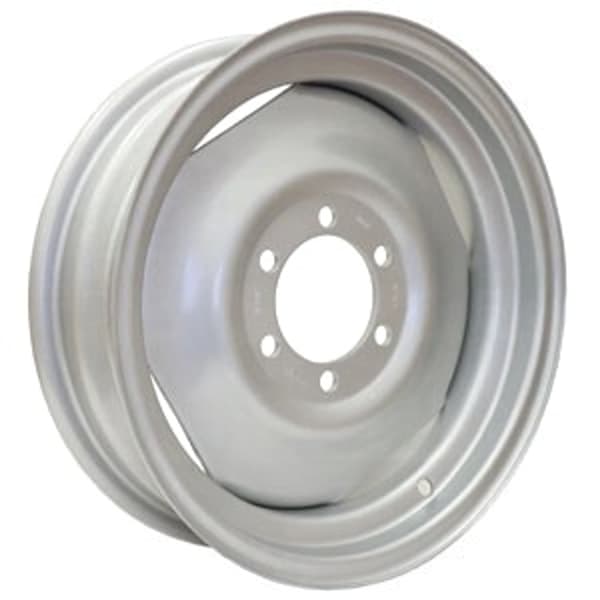
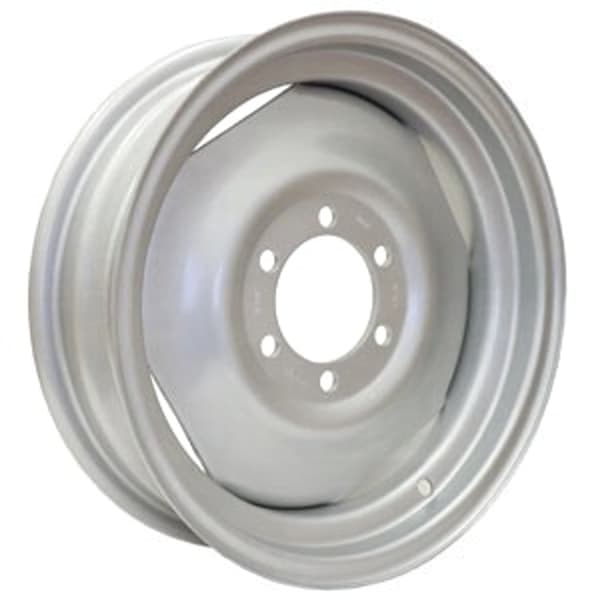
🔍 Looking for a specific part? Try our AI Part Finder — tell it your equipment and what you need, and it will find matching parts instantly.
Understanding Tractor Tire Codes
Tractor tire sizes are typically expressed in one of two main formats: section width/aspect ratio – rim diameter (e.g., 18.4-38) or overall diameter x section width – rim diameter (e.g., 42x16-20). Let's break down each part
Imperial System (Section Width/Aspect Ratio - Rim Diameter)
This is the most common system, particularly for older tractors. Consider a tire marked 18.4-38.
- 18.4: This represents the section width, or the width of the tire in inches, at its widest point when mounted on the correct rim and inflated.
- -: The dash separates the section width from the rim diameter. It implies a full profile or aspect ratio. (More on Aspect Ratio below)
- 38: This is the rim diameter in inches, indicating the size of the wheel the tire is designed to fit.
Example A 18.4-38 tire is 18.4 inches wide and fits a 38-inch diameter rim. You'll often find this size on the rear of larger tractors like John Deere 4020s or Massey Ferguson 275s. Always consult your tractor's operator manual for recommended tire sizes. And when you are done, remember to browse Massey Ferguson 275 parts at Madison Tractor for all your maintenance needs!
Imperial System (Overall Diameter x Section Width - Rim Diameter)
This system, while still in inches, presents the overall tire diameter first. Consider a tire marked 42x16-20.
- 42: This is the approximate overall diameter of the tire in inches.
- 16: This is the section width of the tire in inches.
- -: The dash separates the section width from the rim diameter.
- 20: This is the rim diameter in inches.
Example A 42x16-20 tire is approximately 42 inches in overall diameter, 16 inches wide fits a 20-inch rim. This is commonly found on the front of tractors, especially those used for loader work. These often have rib patterns. See our article on Tractor Front Tire: Tri-Rib, R1 & Turf Options to learn more about front tire options.
Metric System (Section Width/Aspect Ratio R Rim Diameter)
Increasingly common, especially on newer tractors, the metric system uses millimeters for section width and a ratio to define the tire height. Consider a tire marked 480/70R34.
- 480: This is the section width of the tire in millimeters.
- 70: This is the aspect ratio, expressed as a percentage. It represents the height of the tire sidewall as a percentage of the section width. In this case, the sidewall height is 70% of 480mm.
- R: This indicates a radial tire construction.
- 34: This is the rim diameter in inches.
Example A 480/70R34 tire has a section width of 480mm, a sidewall height that is 70% of that width, is of radial construction fits a 34-inch rim. This size is common on mid-sized tractors. When replacing tires, be sure to check the condition of your tractor rims. If your rim is damaged, check out our Tractor Rim: Bolt Pattern, Offset & Size Chart for assistance in finding the right replacement.
Understanding Aspect Ratio
The aspect ratio is crucial for determining the overall height and volume of the tire. It is the relationship between the tire's section height (sidewall) and its section width.
Calculating Sidewall Height (Metric) In the 480/70R34 example, calculate the sidewall height: 480mm x 0.70 = 336mm. Since there are two sidewalls (top and bottom of the tire), this value is important for calculating the total diameter.
Calculating Tire Diameter (Metric) To get the total tire diameter, you need to convert the rim diameter to millimeters and add it to twice the sidewall height. Remember that 1 inch = 25.4mm. In our example
- Rim diameter in mm: 34 inches * 25.4 mm/inch = 863.6 mm
- Total tire diameter: 863.6 mm + (2 * 336 mm) = 1535.6 mm
Understanding these calculations allows you to compare tire sizes even when they're presented in different formats. Incorrect aspect ratio can affect your tractor's gearing and performance. The correct tires are critical for many functions, including efficient PTO use. If you need to repair or replace PTO components, we carry a wide range of PTO parts for various tractor models.
Tire Construction: Bias Ply vs. Radial
Tractor tires come in two main construction types: bias ply and radial. Each has its own advantages and disadvantages.
Bias Ply Tires
Bias ply tires have a simpler construction, with layers of cords running diagonally across the tire carcass. They are generally more affordable and have stiffer sidewalls, making them more resistant to punctures in harsh conditions. Bias tires are suitable for utility tractors performing general work, such as those made by Allis Chalmers, Deutz, International Harvester, Oliver White. We carry many filters, gaskets bearings for these tractor lines. Click here to find Allis Chalmers tractor parts.
Radial Tires
Radial tires have cords running perpendicular to the direction of travel, with additional belts stabilizing the tread area. This construction allows the sidewalls to flex more independently of the tread, resulting in a larger, more consistent contact patch, improved traction, a smoother ride reduced soil compaction. Radial tires are preferred for higher horsepower tractors and operations requiring optimal traction and fuel efficiency, such as those used on larger fields. The "R" in tire sizes like 480/70R34 indicates a radial tire.
For maintaining optimal performance, be sure to monitor your tire pressure. Incorrect pressure will affect soil compaction and tire wear. You can also explore using Tractor Tire Ballast: Water, Calcium & Beet Juice Fill to optimize traction.
Common Tractor Tire Types
Different tractor applications call for different tire tread patterns. Here's a brief overview
- R-1 (Ag) The most common type, featuring deep lugs for maximum traction in fields. See our article on Tractor Rear Tire: R1 Ag, R4 Industrial & Radial Options for more information.
- R-1W (Ag - Wet Traction) Similar to R-1 but with even deeper lugs for improved performance in wet or muddy conditions.
- R-3 (Turf) Designed for minimal soil disturbance on lawns and golf courses.
- R-4 (Industrial) A compromise between traction and smooth operation on hard surfaces, often found on loader tractors.
- F-2 (Front Tractor) Ribbed tires designed for steering and stability on the front of two-wheel-drive tractors. These are commonly used with hay equipment from brands like Vermeer and Hesston. And if you are working on hay equipment, we can supply concaves and sickle sections.
Finding the Right Tire Size for Your Tractor
The best place to find the correct tire size for your tractor is in your operator's manual. If you don't have a manual, you can often find it online from the manufacturer or through a parts retailer like Madison Tractor Company. The manual will specify the recommended tire sizes for both the front and rear axles, as well as the recommended tire pressure.
You can also often find the original tire size listed on a sticker on the tractor itself, typically located near the operator's seat or on the inside of a fender.
Important Considerations
- Load Capacity Ensure the tires you choose have a load capacity that meets or exceeds the maximum weight your tractor will carry.
- Tire Pressure Maintaining proper tire pressure is crucial for performance, fuel efficiency tire life. Refer to your operator's manual or the tire sidewall for recommended pressures.
- Matching Front and Rear Tires On four-wheel-drive tractors, it's essential to maintain the correct rolling circumference ratio between the front and rear tires to prevent drivetrain damage.
Example For a John Deere 3020, the operator's manual may recommend 15.5-38 tires for the rear and 7.50-16 for the front (on a 2WD model). The John Deere 3020 radiator part number is often we stock a variety of John Deere 3020 parts.
For a Kubota compact tractor, like a B2650, consult the manual for the correct compact tractor tires.
Safety Precautions
- Always deflate tires completely before removing them from the rim. Tire explosions can be deadly.
- Use a tire cage when inflating tires. This provides a barrier in case of a tire rupture.
- Wear safety glasses when working with tires.
- Consult a qualified tire technician for any tire repairs or replacements if you are not comfortable performing the work yourself.
If you are replacing your tires, consider installing new Tractor Tire Inner Tube: Sizes & Valve Stem Types. Often, valve stems leak and contribute to low tire pressure over time.
Troubleshooting Common Tire Problems
Here are some common tire problems and potential solutions
- Uneven Wear Check for proper inflation, alignment issues, or worn suspension components.
- Rapid Wear Could be caused by overinflation, underinflation, aggressive driving, or using the wrong type of tire for the application.
- Punctures Repair with a patch or plug, or replace the tire if the damage is too severe. Consider using tire sealant as a preventative measure.
- Sidewall Cracking Indicates dry rot and the tire should be replaced.
Remember to regularly inspect your tires for any signs of damage or wear. Promptly addressing these issues can prevent more serious problems and extend the life of your tires.
Shop Tractor Parts at Madison Tractor Company
At Madison Tractor Company, we're committed to providing you with the highest quality tractor parts and expert advice. We carry a wide selection of tires, wheels related components for all major brands, including John Deere, Case IH, Ford, New Holland, Massey Ferguson, Kubota more. Whether you need a new set of tires, a replacement rim, or just some advice on choosing the right size, our knowledgeable team is here to help. We also carry a full line of repair parts including radiators, water pumps, startershydraulic pumps. Browse our online catalog or contact us today to find the parts you need to keep your tractor running smoothly. We appreciate your business! You can also use our AI-Powered Part Finder to search for parts by your specific make and model.
Part of our comprehensive guide
Tractor Tire Size Guide: Read Sizes, Find Replacements & Compare Brands