







Tractor Rear Tire: R1 Ag, R4 Industrial & Radial Options
Choosing the right tractor rear tire is crucial for performance and safety. This guide explains the differences between R1 agricultural, R4 industrial, and radial tires, helping you select the best option for your needs.
Understanding Tractor Rear Tire Options
The tractor rear tire plays a crucial role in transferring power to the ground, impacting traction, stability, and overall efficiency. Selecting the right type of rear tire is essential for optimizing performance in various applications. This guide will walk you through the most common types of tractor rear tires: R1 agricultural tires, R4 industrial tires, and radial options. We'll also touch on factors like tire sizing, ballast, maintenance, and the importance of a sturdy rear wheel rim.
Recommended Parts for This Guide
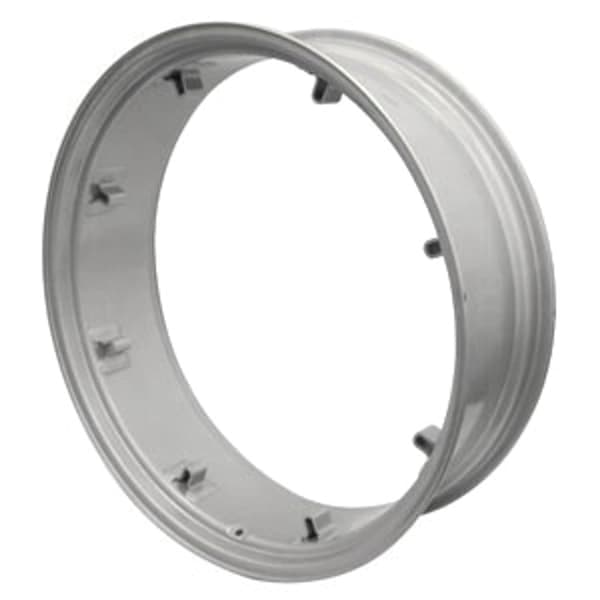
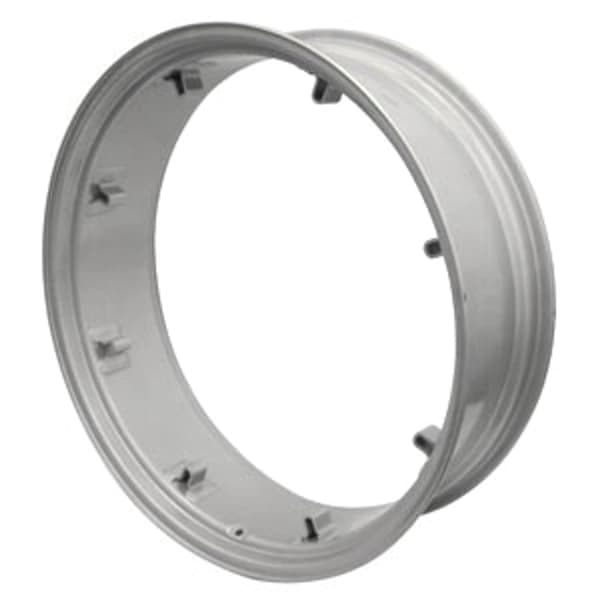
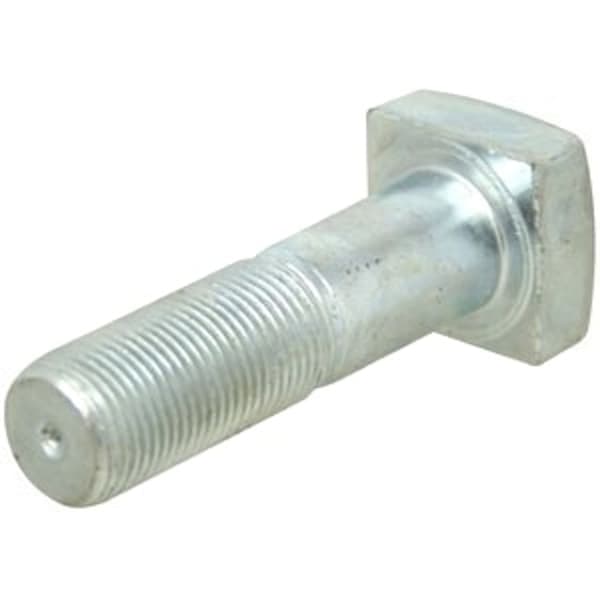
8 parts we recommend — in stock, ships fast, one-click add to cart.
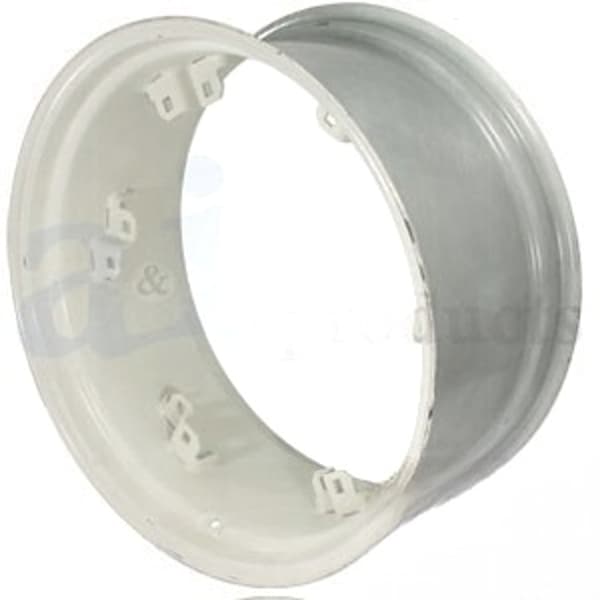
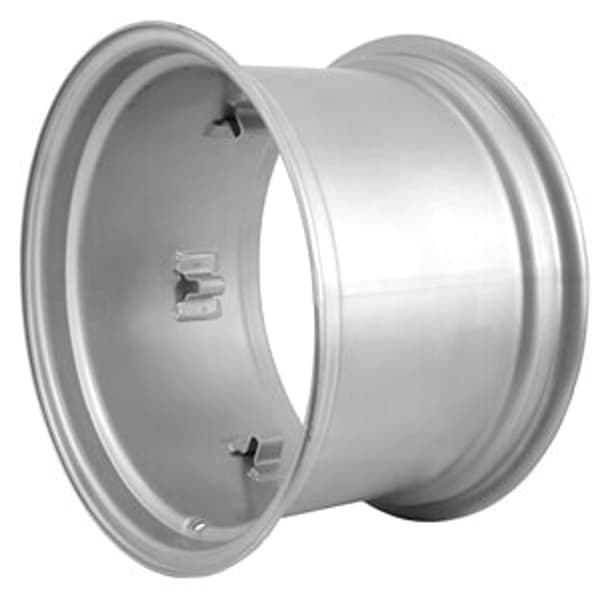
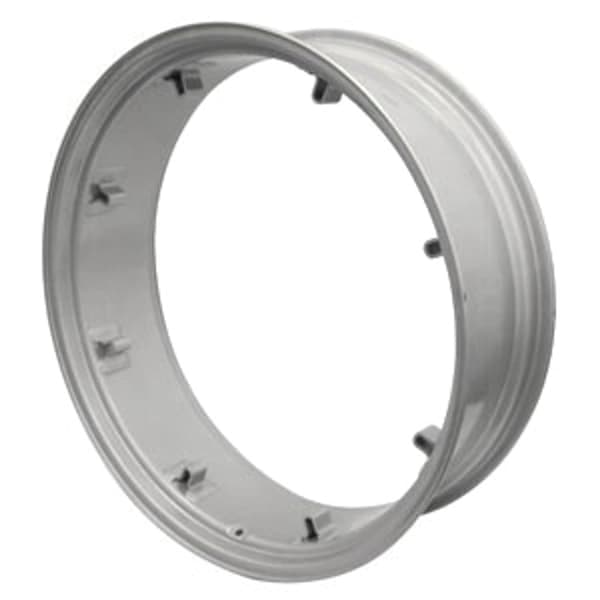
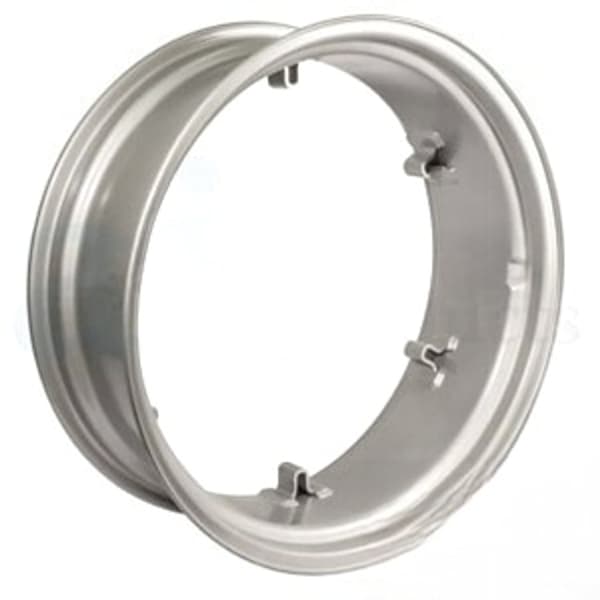
🔍 Looking for a specific part? Try our AI Part Finder — tell it your equipment and what you need, and it will find matching parts instantly.
Here at Madison Tractor Company, we understand the importance of having the right equipment. Whether you're operating a John Deere, Case IH, Ford, New Holland, Massey Ferguson, Kubota, Allis Chalmers, Deutz, International Harvester, Oliver, White, Gleaner, Vermeer, Hesston, Mahindra, or Zetor, we've got the parts and expertise to keep you running. From radiators to fuel pumps, we're your one-stop shop.
Remember to consult your tractor's operator manual for specific tire recommendations and safety guidelines.
R1 Agricultural Tires: Maximum Traction in the Field
R1 tires, often called "ag" tires or "bar" tires, are the most common type of tractor rear tire for general farming applications. Their defining feature is their deep, angled tread bars, which provide excellent traction in soft soil. These tires are designed to dig into the ground, maximizing pulling power and minimizing slippage. They are ideal for plowing, tilling, discing, and other field operations.
Advantages of R1 Tires:
- Superior Traction: The aggressive tread pattern provides maximum grip in loose soil.
- Efficient Power Transfer: Reduces wheel slippage, translating to more efficient use of horsepower.
- Self-Cleaning: The tread design helps to shed mud and debris, maintaining traction.
Disadvantages of R1 Tires:
- Rough Ride on Hard Surfaces: The deep tread bars can cause a bumpy ride on roads and paved surfaces.
- Potential for Soil Compaction: The aggressive tread can contribute to soil compaction, especially in wet conditions.
- Faster Wear on Roads: The tread wears down more quickly when used on paved roads.
Considerations for R1 Tires:
- Soil Type: R1 tires perform best in loose, uncompacted soil.
- Operating Conditions: Avoid excessive use on paved surfaces.
- Tire Pressure: Maintain proper tire pressure to optimize performance and minimize soil compaction. Refer to your tractor's manual for recommended pressures.
For example, a John Deere 4020 (1964-1972) typically used R1 tires. If you're looking to replace the clutch on your 4020 while you're at it, we have a wide selection.
R4 Industrial Tires: Versatility and Durability
R4 industrial tires are designed for versatility and durability. They feature a less aggressive tread pattern than R1 tires, making them suitable for both on- and off-road use. R4 tires are commonly found on compact tractors, loader backhoes, and other equipment used in construction, landscaping, and material handling.
Advantages of R4 Tires:
- Versatile Performance: Suitable for both soft soil and hard surfaces.
- Improved Ride Quality: Less aggressive tread provides a smoother ride on roads.
- Increased Durability: Designed to withstand the rigors of industrial applications.
Disadvantages of R4 Tires:
- Reduced Traction in Soft Soil: Less traction than R1 tires in loose or muddy conditions.
- Higher Cost: Typically more expensive than R1 tires.
Considerations for R4 Tires:
- Application: Ideal for tasks requiring both on- and off-road operation.
- Surface Conditions: Performs well on a variety of surfaces, including pavement, gravel, and moderately soft soil.
- Tire Pressure: Maintaining proper tire pressure is critical for even wear and optimal performance.
If you own a Kubota compact tractor, such as the B2601, it likely came equipped with R4 tires. Need a new water pump? Madison Tractor Company has you covered.
Radial Tractor Tires: Enhanced Performance and Efficiency
Radial tractor tires are a more advanced option, offering several advantages over traditional bias-ply tires. Radial tires have a different internal construction, with the cords running radially (from bead to bead) rather than diagonally. This design allows the tire to flex more independently, resulting in a larger, more consistent contact patch with the ground.
Advantages of Radial Tires:
- Improved Traction: The larger contact patch provides better traction and reduces slippage.
- Reduced Soil Compaction: The flexible sidewalls allow the tire to conform to the ground, distributing weight more evenly.
- Enhanced Fuel Efficiency: Reduced rolling resistance can improve fuel economy.
- Longer Tire Life: The more even wear pattern can extend tire life.
- Smoother Ride: Radial construction provides a more comfortable ride, especially on roads.
Disadvantages of Radial Tires:
- Higher Initial Cost: Radial tires are typically more expensive than bias-ply tires.
- Sidewall Vulnerability: Sidewalls can be more susceptible to damage from punctures or impacts.
Considerations for Radial Tires:
- Budget: Evaluate the long-term benefits against the higher initial cost.
- Application: Ideal for large-acreage operations where fuel efficiency and soil compaction are major concerns.
- Maintenance: Proper inflation and regular inspections are crucial for maximizing tire life.
Many newer tractors, such as the Case IH Magnum series, come standard with radial tires. If you're replacing the fuel injectors on your Magnum, consider upgrading to radials at the same time for improved performance.
Understanding Tire Size and Ballast
Selecting the correct tractor tire sizes explained and using proper ballast are crucial for maximizing performance and safety. Tractor Tire Sizes Explained goes in depth on this topic. Always consult your tractor's operator manual for recommended tire sizes and ballast levels. Incorrect tire sizes can affect ground speed, PTO speed, and overall performance. Ballast, such as Tractor Tire Ballast (water, calcium chloride, or beet juice fill) or Tractor Wheel Weights, adds weight to the tractor, improving traction and stability. Over-ballasting can lead to increased soil compaction and reduced fuel efficiency, while under-ballasting can cause wheel slippage and reduced pulling power.
Tire Maintenance and Safety
Proper tire maintenance is essential for maximizing tire life and ensuring safe operation. Regularly inspect your tires for signs of wear, damage, or improper inflation. Maintain the recommended tire pressure to optimize performance and prevent premature wear. When inflating tires, use a calibrated tire gauge and follow all safety precautions. Never exceed the maximum inflation pressure specified on the tire sidewall.
SAFETY WARNING: Improper tire inflation can lead to tire failure and serious injury. Always use a tire cage when inflating tires and stand clear of the tire during inflation. If you suspect a tire is damaged, have it inspected by a qualified tire professional.
If your tires are in good shape but you need enhanced traction for winter conditions, consider Tractor Tire Chains.
Common Tractor Rear Tire Problems and Solutions
Tractor rear tires can experience several common problems, including:
- Punctures: Caused by sharp objects like nails, rocks, or debris.
- Sidewall Damage: Resulting from impacts with rocks, stumps, or other obstacles.
- Uneven Wear: Often caused by improper inflation, misalignment, or worn suspension components.
- Dry Rot: Occurs when tires are exposed to prolonged sunlight and ozone, causing the rubber to crack and deteriorate.
Addressing these issues promptly can prevent further damage and extend tire life. For punctures, consider using a tire repair kit or having the tire professionally patched. Sidewall damage may require tire replacement. Regularly check your tractor's wheel bearings and alignment to prevent uneven wear. Store your tractor indoors or cover the tires to protect them from sunlight and ozone.
Shop Tractor Parts at Madison Tractor Company
At Madison Tractor Company, we are committed to providing you with the highest quality parts and service. Whether you need a new tractor rear tire, a robust rear wheel rim, a replacement PTO shaft for your John Deere, or concaves for your Case IH combine, we have the parts you need to keep your equipment running smoothly. Beyond just tires, we also stock essential hardware like rear rim wheel bolts and rear rim wheel clamps for secure tire mounting. We carry a wide selection of parts for all major brands, including John Deere, Case IH, Ford, New Holland, Massey Ferguson, Kubota, and more.
Browse our extensive online catalog or contact our knowledgeable sales team for assistance. We are here to help you find the right parts at the right price. With fast shipping and excellent customer service, Madison Tractor Company is your trusted partner for all your agricultural and outdoor power equipment needs. Don't forget to check out our other guides in the Tractor Tires, Wheels & Implement Attachments cluster for more helpful information. You can also use our AI-Powered Part Finder to search for parts by your specific make and model.
Part of our comprehensive guide
Tractor Tire Size Guide: Read Sizes, Find Replacements & Compare Brands