








Tractor Front End Loader: Compatibility & Installation
Adding a tractor front end loader is a game-changer for many farmers and ranchers. This guide covers everything from compatibility to installation, helping you choose the right loader and install it safely and effectively. We'll also discuss essential hydraulic considerations.
Understanding Tractor Front End Loaders
A tractor front end loader (FEL) is an invaluable attachment for a wide range of tasks, from moving materials to digging and grading. However, selecting and installing a FEL requires careful consideration of your tractor's capabilities and the specific requirements of the loader itself. At Madison Tractor, we understand these complexities and are here to guide you through the process. We carry parts for a wide range of tractors from brands such as John Deere, Case IH, Ford, New Holland, Massey Ferguson, Kubota, Allis Chalmers, Deutz, International Harvester, Oliver, White, Gleaner, Vermeer, Hesston, Mahindra, and Zetor, so we can help you get the right components for a successful installation.
Recommended Parts for This Guide
10 parts we recommend — in stock, ships fast, one-click add to cart.

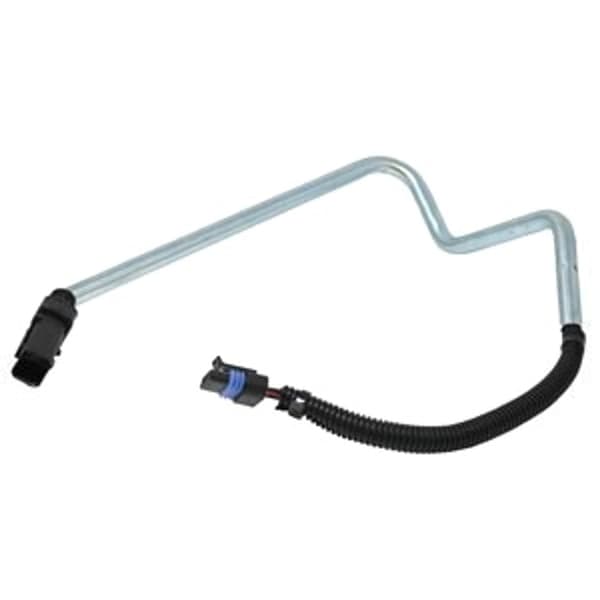
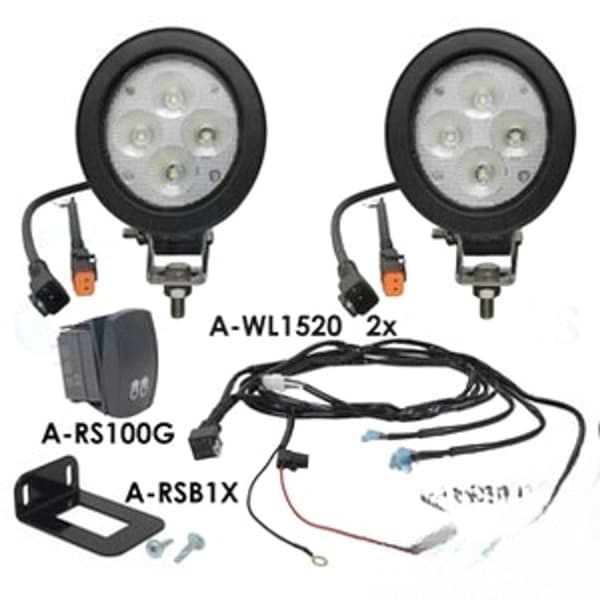
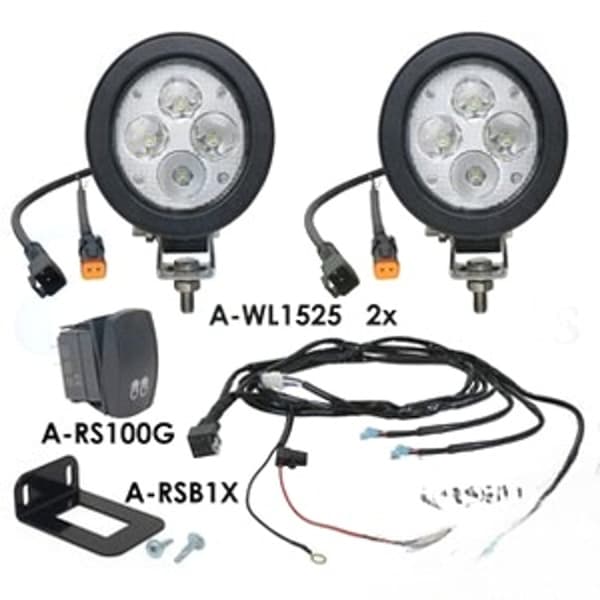
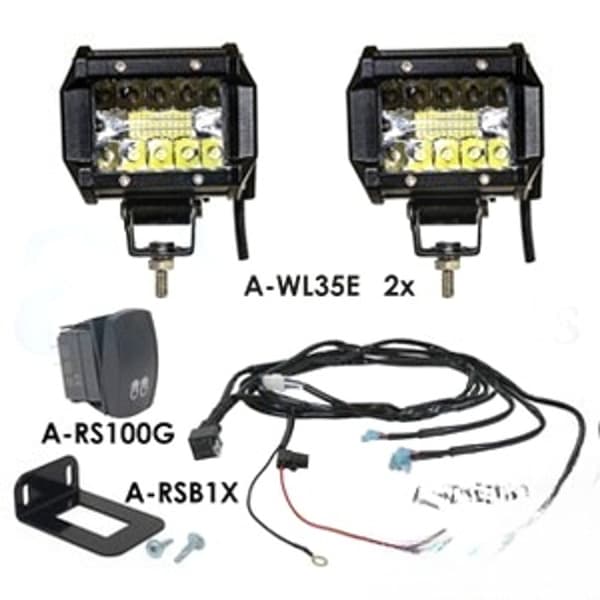
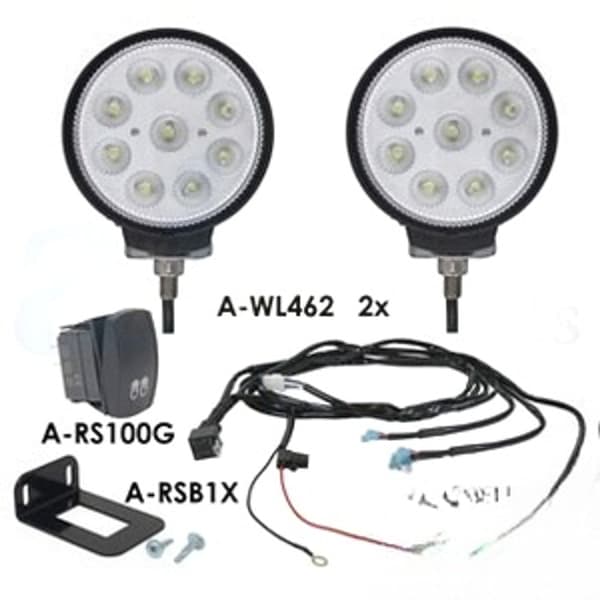
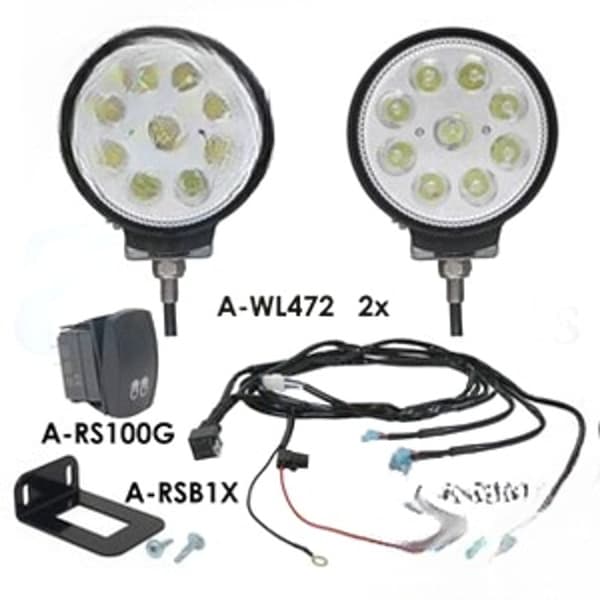
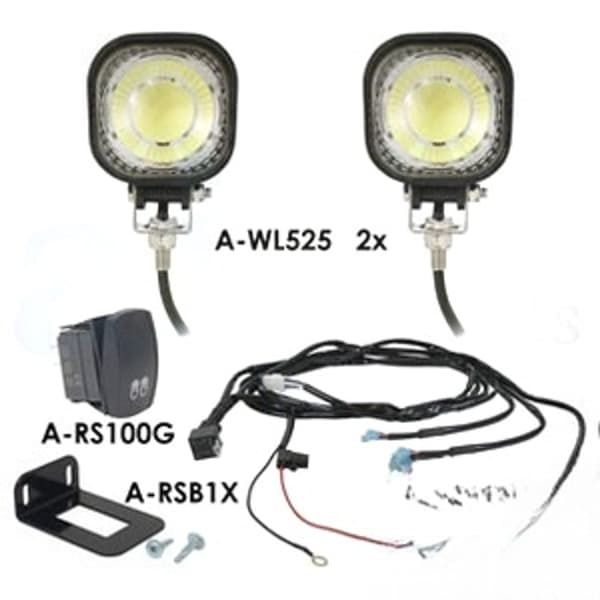
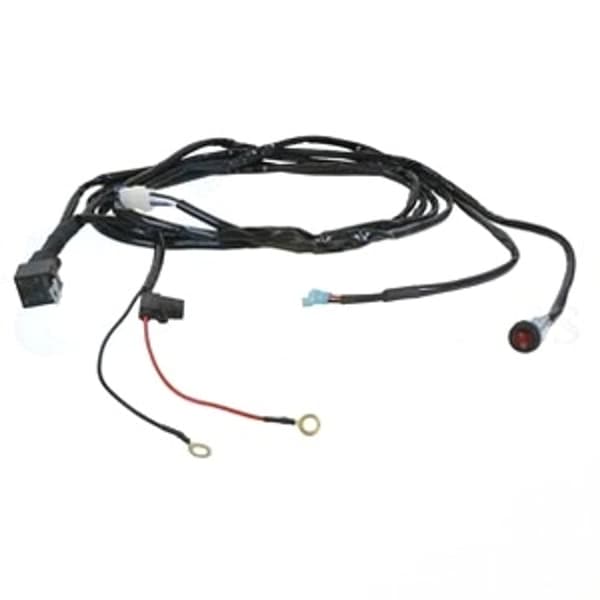
🔍 Looking for a specific part? Try our AI Part Finder — tell it your equipment and what you need, and it will find matching parts instantly.
Determining Compatibility
The most crucial step is ensuring the FEL is compatible with your tractor. Here's what to consider:
1. Tractor Model and Year
FELs are often designed for specific tractor models or series. Check the loader manufacturer's compatibility charts. For example, a John Deere 440 loader is typically found on John Deere tractors like the models 820, 830, 920, 930, 1020, 1030, 1120, 1130, 1520, 1530, 1630, 1830, 2020, 2030, 2120, and 2130. Using a loader designed for a different tractor can lead to improper fitment, structural damage, and safety hazards. Always verify compatibility with the loader manufacturer's documentation.
2. Horsepower and Weight
Your tractor needs sufficient horsepower to operate the loader effectively. Too little power can result in sluggish performance and difficulty lifting heavy loads. Also, the tractor's weight is crucial for stability. Overloading a lightweight tractor can cause it to tip, especially on uneven terrain. Consider using tractor wheel weights to increase stability and traction. Consult your tractor's manual for recommended loader weight and horsepower limits.
3. Hydraulic System
The FEL relies on your tractor's hydraulic system. Ensure your tractor has adequate hydraulic flow (gallons per minute or GPM) and pressure (PSI) to operate the loader. Most loaders require at least 8-10 GPM for reasonable performance. Insufficient hydraulic flow will result in slow loader operation. You may need to upgrade your tractor's hydraulic pump if it doesn't meet the loader's requirements. We offer a variety of hydraulic pumps to suit different tractor models.
4. Mounting Points
The loader must securely attach to the tractor's frame. Check for existing mounting points or if you need to install a subframe. A subframe distributes the loader's weight and stress across the tractor's frame, preventing damage. Proper mounting is critical for safety and loader performance. If installing a subframe, ensure it is compatible with your tractor model. Many older tractors will require a custom subframe installation, typically done by a welding shop specializing in agricultural equipment.
Essential Parts for FEL Installation
Beyond the loader itself, several parts are typically required for a successful installation:
- Hydraulic Hoses and Fittings: Ensure you have hoses of the correct length and pressure rating to connect the loader to the tractor's hydraulic system. Check the hydraulic fittings for compatibility with your tractor.
- Hydraulic Control Valve: This valve allows you to control the loader's movements (lift, tilt, etc.). It may be included with the loader or purchased separately.
- Mounting Hardware: Bolts, nuts, washers, and pins are essential for securing the loader to the tractor. Use grade 8 hardware for maximum strength and safety.
- Subframe (if required): As mentioned earlier, a subframe provides additional support and distributes the loader's weight.
- PTO Shaft (if required): Some loaders use a PTO-driven hydraulic pump. Ensure you have a compatible PTO shaft.
Don't forget to inspect and potentially replace other components that might be affected by the added stress of the loader. This might include checking the condition of your radiator, water pump, and alternator, or a main wiring harness to ensure they can handle the increased workload.
Step-by-Step Installation Guide (General)
WARNING: Tractor front end loader installation can be dangerous. Always disconnect the battery, use proper lifting equipment, and consult the loader's installation manual for specific instructions. If you are not comfortable with the installation process, seek assistance from a qualified mechanic.
- Preparation: Park the tractor on a level surface, engage the parking brake, and disconnect the battery. Gather all necessary tools, parts, and the loader's installation manual.
- Subframe Installation (if applicable): Follow the manufacturer's instructions for installing the subframe. This typically involves bolting it to the tractor's frame. Torque all bolts to the specified torque values (refer to the manual).
- Mounting the Loader: Carefully position the loader near the tractor. Use lifting equipment (e.g., a chain hoist or forklift) to lift the loader arms and align them with the mounting points on the tractor or subframe.
- Securing the Loader: Insert the mounting pins and secure them with cotter pins or other fasteners. Ensure the loader is securely attached before proceeding.
- Hydraulic Connections: Connect the hydraulic hoses to the tractor's hydraulic system and the loader's control valve. Ensure the hoses are properly routed to avoid kinks or chafing. Use thread sealant on all fittings to prevent leaks.
- Control Valve Installation: Mount the control valve in a convenient location within reach of the operator. Connect the control valve to the hydraulic hoses.
- Testing: Reconnect the battery. Start the tractor and test the loader's operation. Check for hydraulic leaks and adjust the control valve linkage as needed.
Hydraulic Considerations
A properly functioning hydraulic system is essential for safe and efficient loader operation. Here are some important considerations:
- Hydraulic Fluid: Use the correct type of hydraulic fluid recommended by your tractor manufacturer. Mixing different types of fluid can damage the hydraulic system. Many tractors will use a universal tractor hydraulic fluid. Double-check the specifications in your operator's manual.
- Hydraulic Pressure: Verify that the hydraulic pressure is within the loader's specified range. Too much pressure can damage the loader, while too little pressure can result in poor performance. A Case IH 585, for example, typically operates around 2300 PSI.
- Hydraulic Leaks: Regularly inspect the hydraulic hoses and fittings for leaks. Repair any leaks immediately to prevent fluid loss and potential damage to the hydraulic system. We stock a wide range of hydraulic cylinders and seal kits to help with repairs.
Safety Tips
Operating a tractor with a front end loader requires caution. Here are some essential safety tips:
- Read the Operator's Manual: Familiarize yourself with the loader's operating instructions and safety precautions.
- Wear Seatbelt: Always wear your seatbelt when operating the tractor.
- Lower the Loader When Parked: When not in use, lower the loader to the ground to prevent accidental falls.
- Be Aware of Overhead Obstacles: Watch out for power lines, trees, and other overhead obstacles.
- Avoid Steep Slopes: Operating on steep slopes can increase the risk of tipping.
- Use Caution When Lifting Loads: Ensure the load is balanced and within the loader's weight capacity.
- Regular Maintenance: Inspect the loader regularly for wear and tear. Lubricate moving parts and tighten loose bolts.
Remember to also maintain your tractor's engine. Keep an eye on your filters, injectors (if diesel), and carburetors (if gasoline). Ensuring your engine runs smoothly is crucial for hydraulic performance.
Maintenance and Troubleshooting
Regular maintenance will prolong the life of your tractor front end loader. Key maintenance tasks include:
- Greasing: Regularly grease all pivot points and moving parts. Use a high-quality grease specifically designed for agricultural equipment.
- Inspecting Hoses and Fittings: Check for leaks, cracks, and wear. Replace damaged hoses and fittings immediately.
- Checking Hydraulic Fluid Level: Maintain the proper hydraulic fluid level.
- Tightening Bolts: Periodically check and tighten all bolts and fasteners.
Common troubleshooting issues include slow loader operation (usually due to low hydraulic flow or pressure), hydraulic leaks, and bent or damaged loader arms. Consult the loader's service manual for specific troubleshooting procedures.
Shop Tractor Parts at Madison Tractor
At Madison Tractor Company, we're committed to providing you with the highest quality parts and expert advice for your tractor and equipment. Whether you need hydraulic components, filters, engine parts, or anything else to keep your machine running smoothly, we've got you covered. Browse our extensive online catalog or contact our knowledgeable staff for assistance in finding the right parts for your John Deere, Case IH, Ford, New Holland, Massey Ferguson, Kubota or other tractor. We're here to help you get the job done right! You can also use our AI-Powered Part Finder to search for parts by your specific make and model.
Part of our comprehensive guide
Tractor Tire Size Guide: Read Sizes, Find Replacements & Compare Brands