







Tractor Rotary Cutter (Bush Hog): Blades & Gearbox Parts
Keep your tractor rotary cutter in top condition with this guide to blade types, gearbox maintenance, and essential parts. Learn how to diagnose problems and find the right replacement parts for your John Deere, Kubota, or other major brand mower.
Introduction to Tractor Rotary Cutters (Bush Hogs)
The tractor rotary cutter, often called a bush hog, is an indispensable tool for maintaining pastures, clearing brush, and managing overgrown vegetation. A well-maintained rotary cutter ensures efficient cutting and reduces the risk of breakdowns during critical times. This guide focuses on the two most vital components: the blades and the gearbox. We'll cover common issues, maintenance tips, and how to find the right replacement parts to keep your rotary cutter running smoothly.
Recommended Parts for This Guide
9 parts we recommend — in stock, ships fast, one-click add to cart.
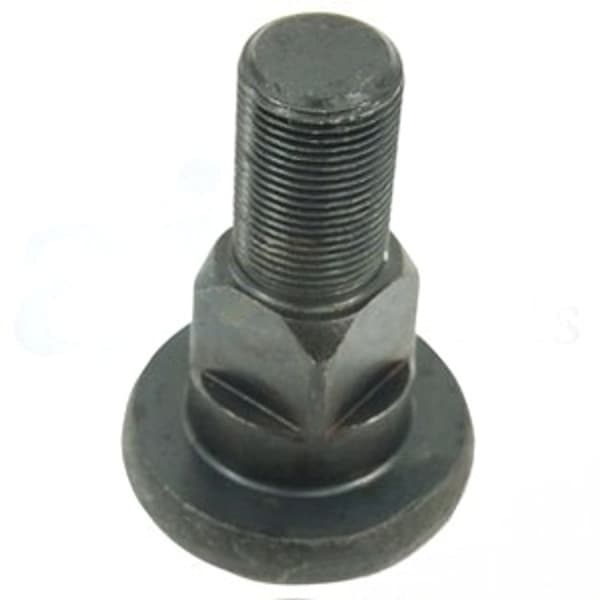
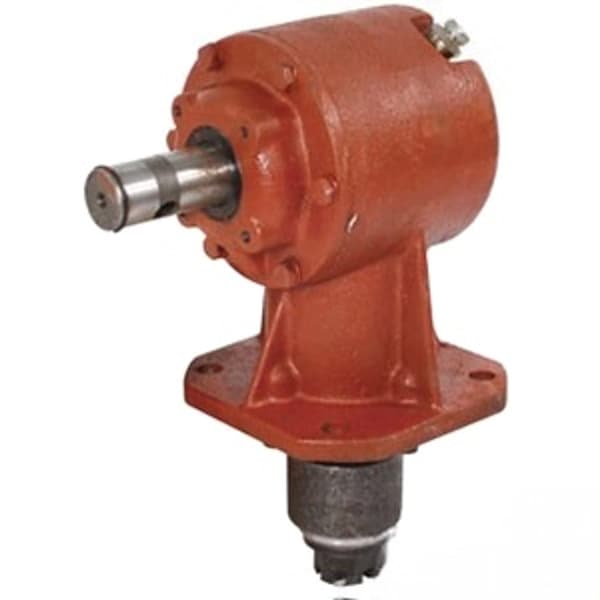
🔍 Looking for a specific part? Try our AI Part Finder — tell it your equipment and what you need, and it will find matching parts instantly.
Understanding rotary cutter blades
The blades are the business end of your rotary cutter. Choosing the right type and keeping them sharp are essential for effective mowing.
Types of Rotary Cutter Blades
- Straight Blades: Simple, durable, and ideal for general mowing.
- Lofted Blades: Feature a curved design to lift the grass for a cleaner cut and improved discharge.
- Shredder Blades: Designed for heavy-duty brush cutting and shredding, often with multiple cutting edges.
Blade Maintenance and Sharpening
Dull blades not only reduce cutting efficiency but also put unnecessary strain on the gearbox and tractor. Regularly inspect your blades for damage and sharpness.
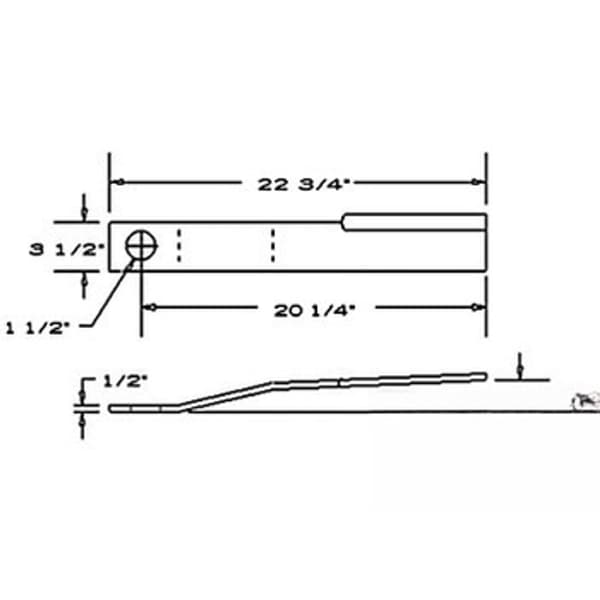
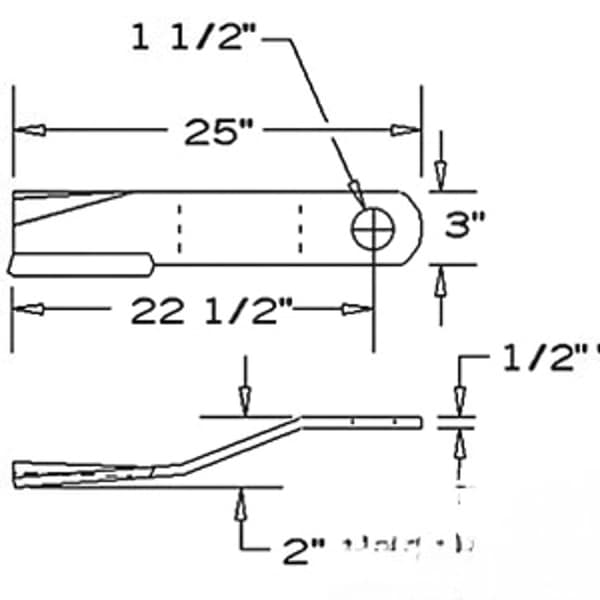
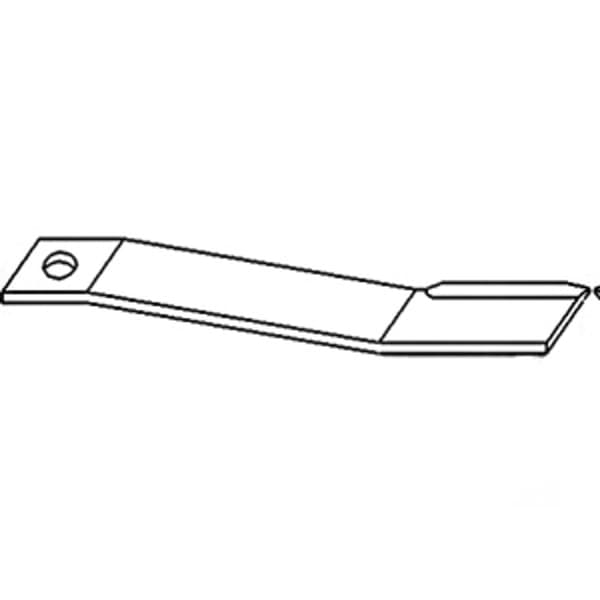
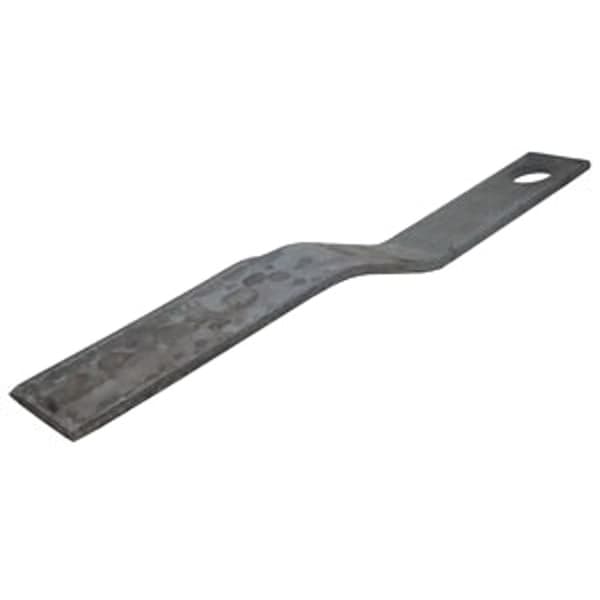
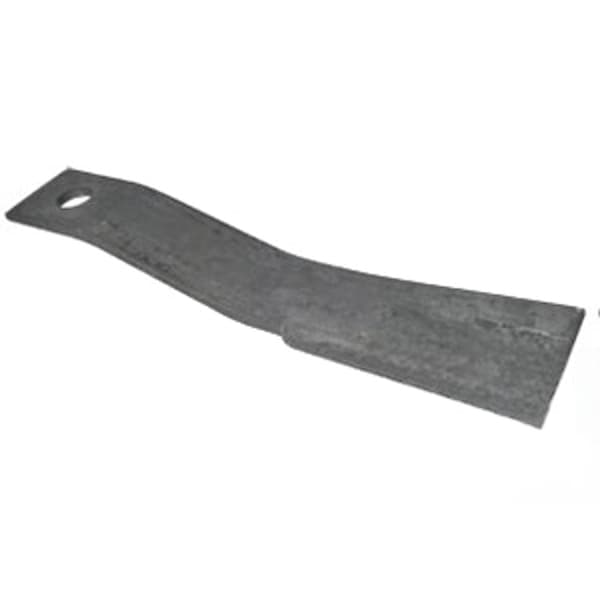
- Inspection: Check for cracks, bends, or excessive wear. Replace damaged blades immediately. Madison Tractor Company carries a wide range of rotary cutter blades (including CW blades like 80A78494, CCW blades like 15096SW, 6866WD, 582013, or 36BH, and heavy-duty options like W34286) compatible with John Deere, Case IH, Ford, New Holland, Massey Ferguson, and Kubota rotary cutters.
- Sharpening: Sharpen blades with a grinder or file, maintaining the original bevel angle. Always wear safety glasses and gloves. Make sure the blade is securely fastened.
- Balancing: After sharpening, balance the blades to prevent vibration and stress on the gearbox. An unbalanced blade can cause significant damage over time. Use a blade balancer to check.
Safety Warning: Always disconnect the PTO shaft and engage the parking brake before working on the blades. Wear heavy gloves to protect your hands from sharp edges.
Blade Replacement
When blades are beyond sharpening or damaged, replacement is necessary. Here's how:
- Identify the Correct Blades: Refer to your rotary cutter's manual for the correct blade type and dimensions. Alternatively, measure the existing blades and compare them to available options on our website.
- Remove the Old Blades: Use a wrench to loosen and remove the blade bolts. Note the orientation of the blades and washers for proper reinstallation.
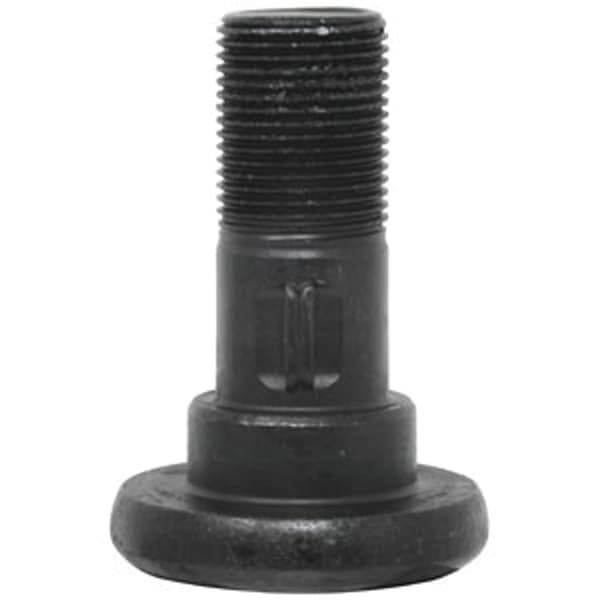
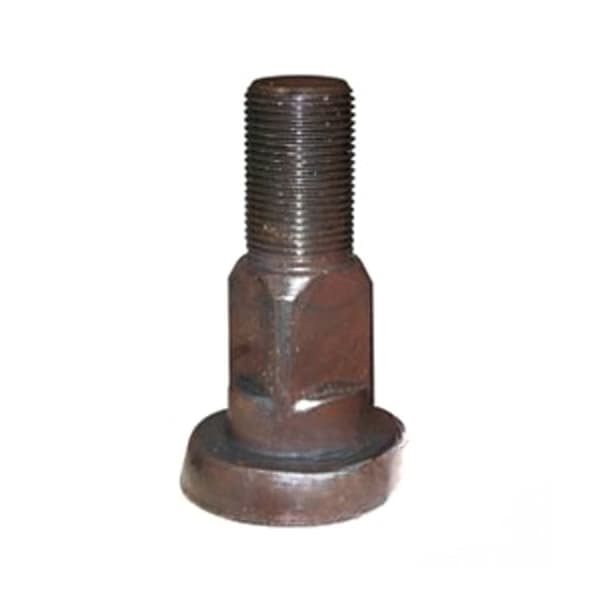
- Install the New Blades: Install the new blades in the correct orientation, ensuring the washers are properly positioned. Tighten the blade bolts to the manufacturer's specified torque. Typical torque specs range from 70-100 ft-lbs depending on the bolt size, but consult your manual. You can find various replacement blade bolts (such as 251101, 7A5710, or 8251) at Madison Tractor Company.
Rotary Cutter Gearbox: The Heart of the Machine
The gearbox transfers power from the tractor's PTO to the blades. Proper maintenance is critical for its longevity and reliable performance.
Gearbox Oil: The Lifeblood
The correct type and level of gear oil are crucial. Using the wrong oil or running the gearbox low on oil can lead to premature wear and failure.
- Oil Type: Most rotary cutter gearboxes use an 80W-90 gear oil. Consult your owner's manual for the manufacturer's recommendation.
- Oil Level: Check the oil level regularly using the dipstick or sight glass. The oil should be at the recommended level.
- Oil Change: Change the gear oil annually or after every 200 hours of operation, whichever comes first. This removes contaminants and ensures proper lubrication.
Changing Gearbox Oil:
- Warm-Up: Run the rotary cutter for a few minutes to warm the oil. This helps it flow more easily.
- Drain: Place a drain pan under the gearbox and remove the drain plug. Allow the oil to drain completely.
- Refill: Replace the drain plug and fill the gearbox with new oil to the recommended level. Check the level with the dipstick.
Common Gearbox Problems and Solutions
- Oil Leaks: Oil leaks can indicate worn seals or gaskets. Replace these components promptly to prevent further damage. You can find replacement seals and gaskets at Madison Tractor Company for a wide range of rotary cutter gearboxes.
- Overheating: Overheating can be caused by low oil level, incorrect oil type, or excessive load. Check the oil level and type, and avoid cutting excessively thick material.
- Unusual Noises: Grinding, whining, or knocking noises can indicate worn bearings or gears. Inspect the gearbox and replace any damaged components.
- Vibration: Can be caused by unbalanced blades or worn gearbox components. Address blade balance first, then inspect gearbox.
Gearbox Rebuild or Replacement
If the gearbox is severely damaged or worn, a rebuild or replacement may be necessary.
- Rebuild: A rebuild involves disassembling the gearbox, inspecting all components, and replacing worn bearings, gears, and seals. This requires specialized knowledge and tools.
- Replacement: Replacing the entire gearbox is often the easier and more cost-effective option, especially for older machines. Madison Tractor Company offers complete rotary cutter gearboxes for many brands and models, including John Deere, Bush Hog, and Land Pride.
When selecting a replacement gearbox, ensure it matches the horsepower rating and input shaft size of your rotary cutter. A gearbox designed for a lighter-duty machine will fail prematurely under heavy loads.
PTO Shaft Maintenance
While not part of the rotary cutter itself, the PTO shaft that connects the tractor to the implement is crucial for transferring power. Regular maintenance of the PTO shaft is essential for safe and efficient operation. Grease the slip joints and universal joints regularly, and inspect for wear or damage. Replace the PTO shaft if it's bent, cracked, or excessively worn.
Thinking about upgrading your tractor's power or adding more implements? Be sure to check out our guides on tractor tire sizes explained and tractor wheel weights to optimize your tractor's performance.
Finding the Right Parts at Madison Tractor Company
Madison Tractor Company is your one-stop shop for all your tractor and rotary cutter parts needs. We carry a wide selection of blades, gearboxes, seals, bearings, and other essential components for all major brands, including John Deere, Case IH, Ford, New Holland, Massey Ferguson, Kubota, Allis Chalmers, Deutz, International Harvester, Oliver, White, Gleaner, Vermeer, Hesston, Mahindra, and Zetor. Whether you need a new radiator for your Ford 8N, a hydraulic pump for your John Deere 4020, or a PTO part for your Massey Ferguson 135, we have you covered. Our experienced team can help you find the right parts for your specific model and application.
Don't wait until a breakdown occurs. Proactive maintenance and timely replacement of worn parts will keep your tractor and rotary cutter running smoothly for years to come. Browse our online catalog or contact us today to find the parts you need! You can also use our AI-Powered Part Finder to search for parts by your specific make and model.
Part of our comprehensive guide
Tractor Tire Size Guide: Read Sizes, Find Replacements & Compare Brands