







Tractor Boom Pole: 3-Point Crane & Lifting Arm
A tractor boom pole transforms your tractor into a mobile lifting crane. This guide covers everything from selecting the right boom pole to safe operating procedures, helping you move heavy objects with ease on your farm or ranch.
What is a Tractor Boom Pole?
A tractor boom pole, sometimes called a 3-point crane or lifting arm, is a versatile implement attachment that connects to your tractor's 3-point hitch. It essentially turns your tractor into a mobile crane, allowing you to lift and move heavy objects that would otherwise be impossible to handle manually. They're invaluable for farms, ranches, construction sites, and anywhere else where heavy lifting is a regular necessity.
Recommended Parts for This Guide
10 parts we recommend — in stock, ships fast, one-click add to cart.
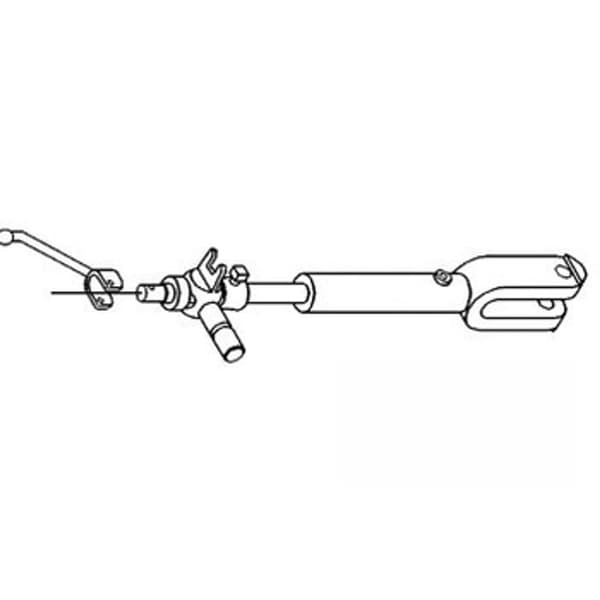
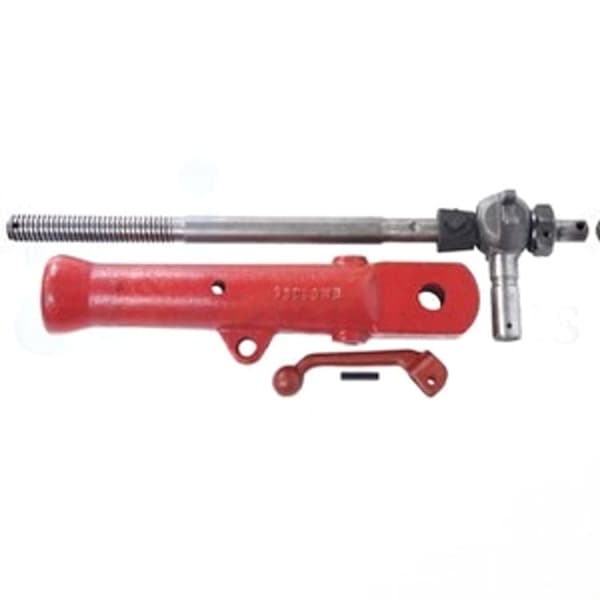
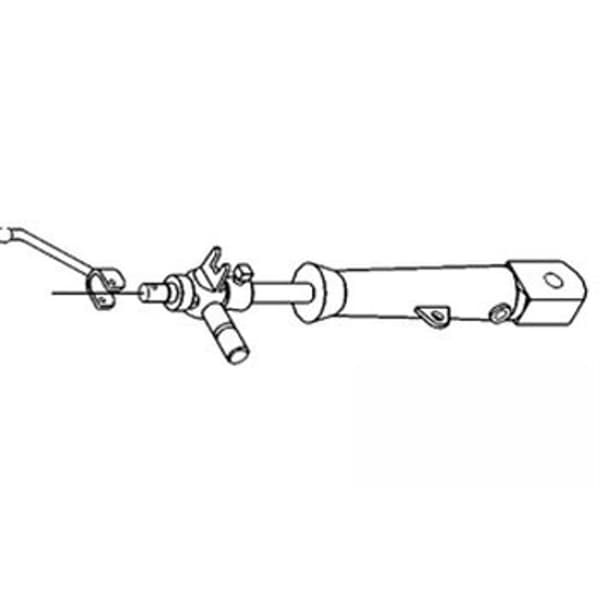
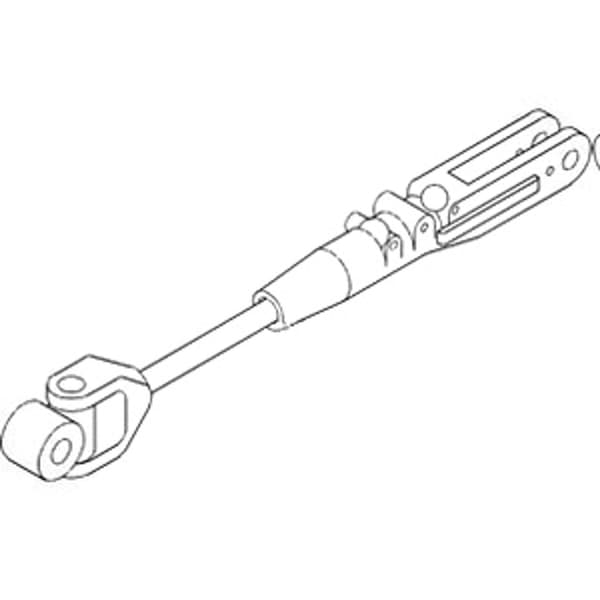
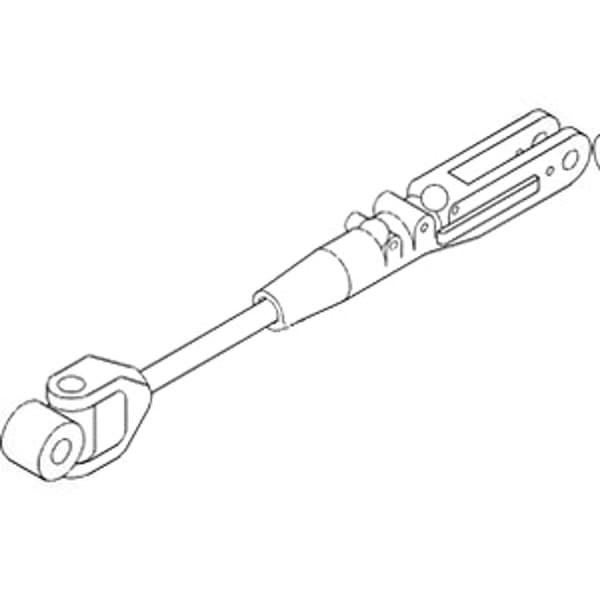
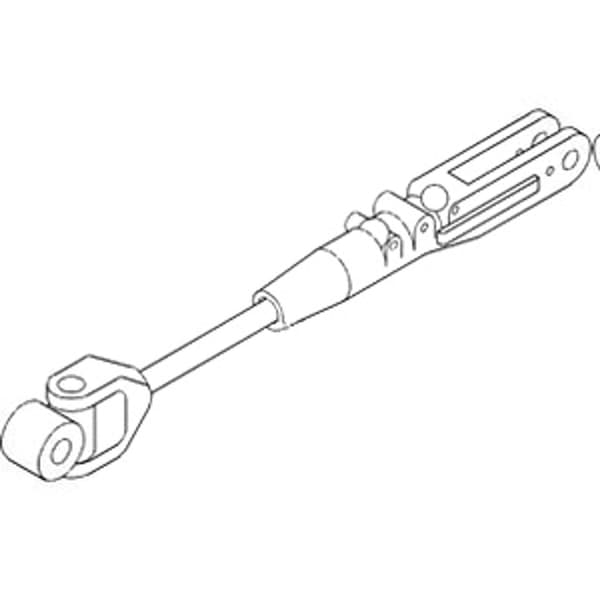
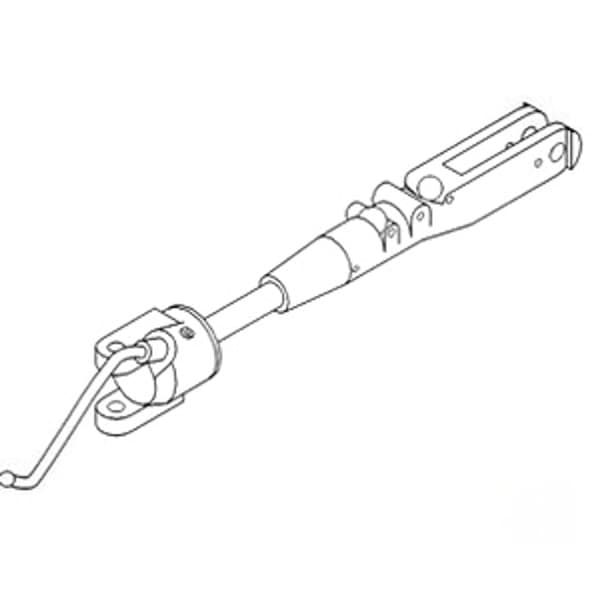
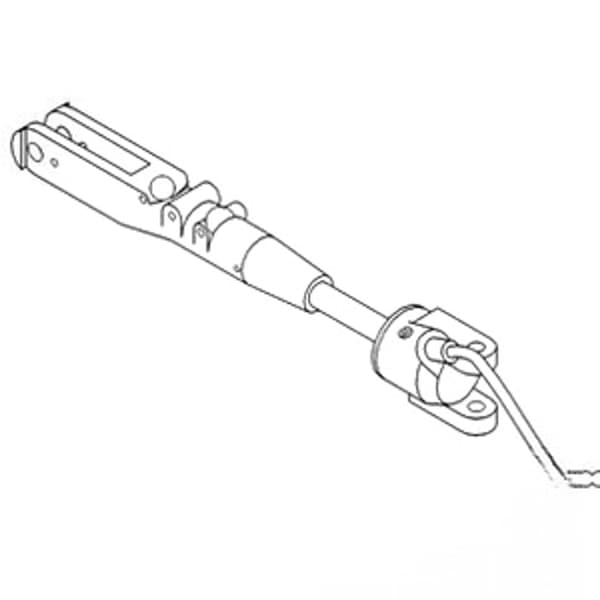
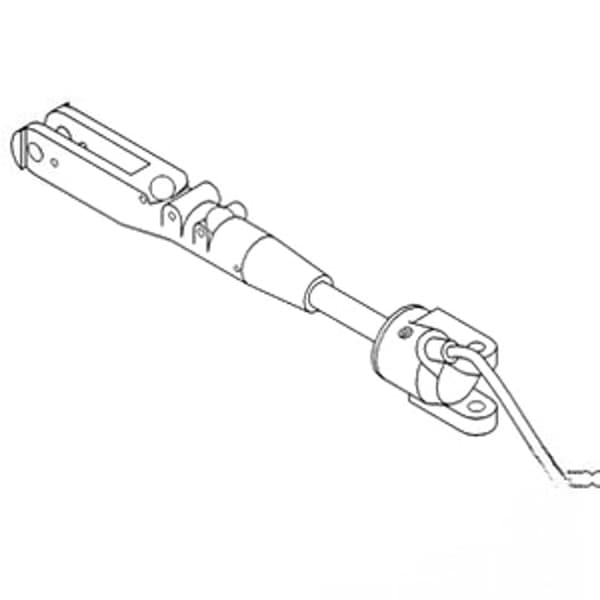
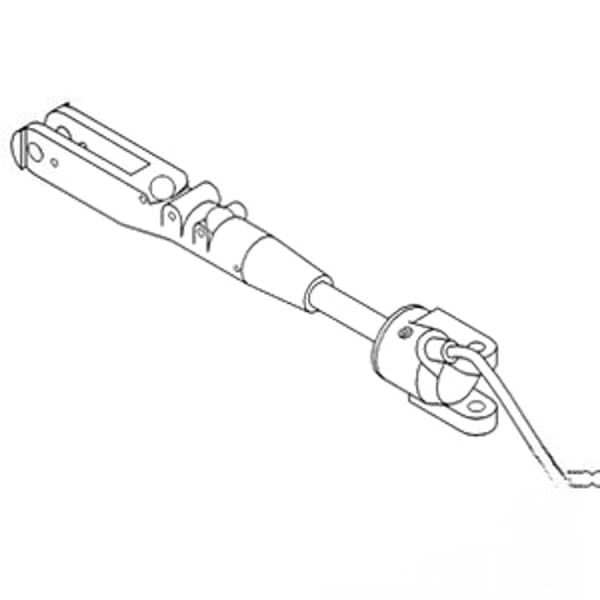
🔍 Looking for a specific part? Try our AI Part Finder — tell it your equipment and what you need, and it will find matching parts instantly.
Unlike dedicated cranes, boom poles are relatively inexpensive and easy to store. They offer a simple, mechanical solution for lifting tasks. They are particularly useful in situations where maneuverability is key, allowing you to reach over obstacles or into tight spaces where a standard forklift or crane might not fit. While they lack the precision of a hydraulic crane, boom poles excel in straightforward lifting and transporting operations.
Types of Tractor Boom Poles
Boom poles come in a few different configurations, primarily distinguished by their design and lifting capacity:
- Fixed Boom Poles: These are the simplest and most common type. The boom length is fixed, providing a set reach and lifting capacity. They are typically the most affordable option.
- Adjustable Boom Poles: These offer adjustable boom length, allowing you to extend the reach for lighter loads or retract it for heavier ones. This added versatility makes them suitable for a wider range of tasks. Look for models with multiple locking positions for the boom extension.
- Telescoping Boom Poles: Similar to adjustable boom poles, but instead of using holes and pins, the boom extends and retracts smoothly using a telescoping mechanism, often secured with a locking collar.
When selecting a boom pole, consider the types of tasks you'll be performing and the weight of the objects you'll be lifting. Match the boom pole's rated capacity to your heaviest expected load, with a safety margin. Your tractor's rear tire size can also influence the appropriate boom pole size, as larger tractors can typically handle heavier implements.
Choosing the Right Tractor Boom Pole
Several factors go into choosing the right boom pole for your needs:
- Lifting Capacity: This is the most crucial factor. Always choose a boom pole with a lifting capacity that exceeds your heaviest expected load. Consider the boom pole's lifting capacity at its maximum extension, as this will be significantly lower than at its minimum extension. Overloading a boom pole is extremely dangerous and can lead to equipment failure and serious injury.
- Tractor Horsepower: Your tractor's horsepower dictates the size and weight of implements it can safely handle. Match the boom pole to your tractor's capabilities. Consult your tractor's owner's manual for recommended implement weights. For example, a compact tractor like a Kubota BX series or a John Deere 1025R would be best suited for a lighter-duty boom pole, while a larger utility tractor like a John Deere 5000 series or a Case IH Farmall could handle a heavier-duty model.
- Boom Length: Consider the reach you'll need for your tasks. A longer boom provides greater reach but reduces lifting capacity. Adjustable or telescoping booms offer the best of both worlds.
- Build Quality: Look for a boom pole made from heavy-duty steel with quality welds. Inspect the hitch pins and lifting hooks for durability. A well-built boom pole will last for years of reliable service.
- 3-point hitch Compatibility: Ensure the boom pole is compatible with your tractor's 3-point hitch category (Category 1, 2, or 3).
- Safety Features: Look for features like safety chains, heavy-duty hooks with safety latches, and clear load capacity markings.
Setting Up Your Tractor Boom Pole
Setting up a boom pole is generally straightforward:
- Attach to the 3-Point Hitch: Connect the boom pole to your tractor's 3-point hitch. Secure it with the appropriate hitch pins. Ensure all pins are properly locked in place.
- Adjust the Top Link: Adjust the top link of your 3-point hitch to control the angle of the boom. This will affect the reach and lifting height.
- Inspect All Connections: Double-check all connections to ensure they are secure before lifting any load.
Consider using quick hitch systems to ease connection and disconnection of 3-point implements like boom poles. Many brands such as John Deere, Case IH, and Kubota offer quick hitch options.
Operating a Tractor Boom Pole Safely
Safety is paramount when operating a tractor boom pole. Improper use can result in serious injury or death. Follow these safety guidelines:
- Never Exceed the Lifting Capacity: This is the most critical safety rule. Know the boom pole's lifting capacity at different boom lengths and never exceed it.
- Ensure a Stable Base: Operate on level ground to prevent the tractor from tipping. Consider adding tractor tire ballast to improve stability.
- Use Safety Chains: Always use safety chains to secure the load to the boom pole's hook.
- Keep the Load Close to the Tractor: Lifting a load far from the tractor's center of gravity increases the risk of tipping.
- Avoid Sudden Movements: Operate the tractor and boom pole smoothly and avoid jerky movements that could destabilize the load.
- Be Aware of Overhead Obstacles: Ensure there are no overhead power lines, trees, or other obstructions that could interfere with the load.
- Never Lift People: Boom poles are designed for lifting materials, not people.
- Inspect Equipment Regularly: Regularly inspect the boom pole, chains, hooks, and hitch components for wear or damage. Replace any worn or damaged parts immediately. Many parts are available for various makes like Ford, New Holland, Massey Ferguson, and International Harvester.
- Read the Manual: Always read and understand the boom pole's owner's manual before operating it.
WARNING: Operating a tractor boom pole requires careful attention and adherence to safety guidelines. Never operate the boom pole under the influence of drugs or alcohol. Ensure all bystanders are a safe distance away from the operating area.
Common Applications of a Tractor Boom Pole
Tractor boom poles are incredibly versatile and can be used for a wide range of tasks, including:
- Lifting and Moving Round Bales: Use a boom pole to lift and move heavy round bales of hay.
- Installing Fencing: Lift and position fence posts for easier installation.
- Loading and Unloading Trucks: Load and unload heavy items from trucks or trailers.
- Moving Equipment: Move heavy machinery or equipment around your property.
- Construction Projects: Lift and position materials for construction projects.
- Tree Removal: Safely lift and maneuver cut tree sections.
Maintaining Your Tractor Boom Pole
Proper maintenance will extend the life of your tractor boom pole and ensure safe operation:
- Grease Regularly: Grease all pivot points regularly to prevent wear and ensure smooth operation.
- Inspect for Damage: Regularly inspect the boom pole for cracks, bends, or other damage. Pay close attention to welds and stress points.
- Replace Worn Parts: Replace any worn or damaged parts immediately. Madison Tractor Company carries a wide variety of parts for most major tractor brands, including John Deere, Case IH, Ford, New Holland, Massey Ferguson, Kubota, Allis Chalmers, Deutz, International Harvester, Oliver, White, Gleaner, Vermeer, Hesston, Mahindra, and Zetor. We stock everything from radiators and water pumps to hydraulic pumps and cylinders.
- Store Properly: Store the boom pole in a dry place when not in use to prevent rust and corrosion.
When ordering replacement parts, be sure to have your tractor model number and the boom pole manufacturer and model number handy. This will help ensure you get the correct parts. For example, if you have a John Deere 4020, specifying the exact year will help our parts experts identify the correct filters and other components.
Optimizing Tractor Performance with Correct Tires
The effectiveness of your tractor boom pole, and any other implement, is directly tied to the performance of your tractor's tires. Proper tire selection, inflation, and maintenance are crucial for maximizing traction and stability. Consider factors such as tractor tire sizes explained, the type of terrain you'll be operating on (R1 ag tires for field work, R4 industrial tires for loader work, etc. - see tractor rear tire guide), and whether you need tractor tire chains for added grip in slippery conditions. Don't forget the importance of checking your tractor tire tubes regularly for leaks.
Shop Tractor Parts at Madison Tractor Company
Madison Tractor Company is your trusted source for high-quality tractor parts and accessories. We carry a wide selection of parts for all major tractor brands, including John Deere, Case IH, Ford, New Holland, Massey Ferguson, Kubota, and more. Whether you need PTO parts, engine parts, or any other tractor component, we have you covered. Our knowledgeable staff is here to help you find the right parts for your needs. Shop our extensive online catalog today and experience the Madison Tractor Company difference! Need help finding a specific part? Contact us today! You can also use our AI-Powered Part Finder to search for parts by your specific make and model.
Part of our comprehensive guide
Tractor Tire Size Guide: Read Sizes, Find Replacements & Compare Brands