







Tractor Stabilizer Bar: 3-Point Sway Block & Chain
Tractor stabilizer bars, also known as sway blocks or chains, are crucial for controlling side-to-side movement of implements attached to your tractor's three-point hitch. This guide covers the types, adjustments, and troubleshooting to keep your implements safely in line.
Understanding Tractor Stabilizer Bars
When operating a tractor with a three-point hitch, controlling the lateral (side-to-side) movement of your implements is critical for safety and efficiency. That's where the tractor stabilizer bar comes in. Often referred to as sway blocks, sway chains, or sway bars, these components prevent your plow, mower, or other attachments from swinging freely, which can lead to uneven work, damage to the implement, or even dangerous situations. Stabilizer bars are essential for maintaining consistent performance and preventing damage. At Madison Tractor Company, we understand the importance of these components and offer a wide range of replacement parts for various tractor brands, including John Deere, Case IH, Ford, New Holland, Massey Ferguson, and Kubota.
Recommended Parts for This Guide
8 parts we recommend — in stock, ships fast, one-click add to cart.
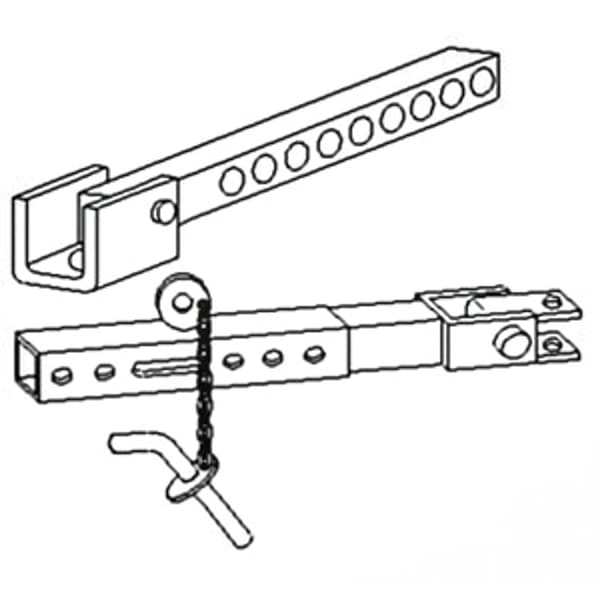
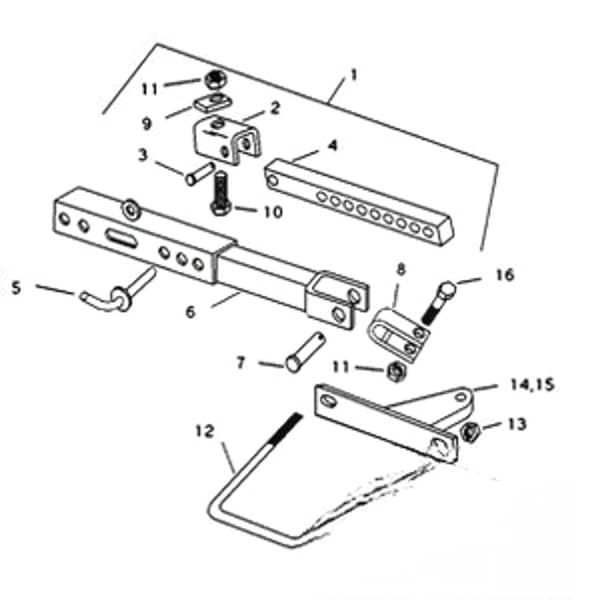
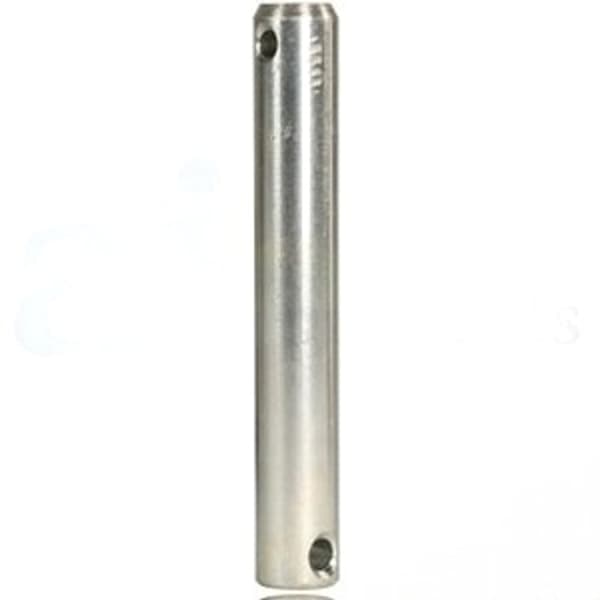
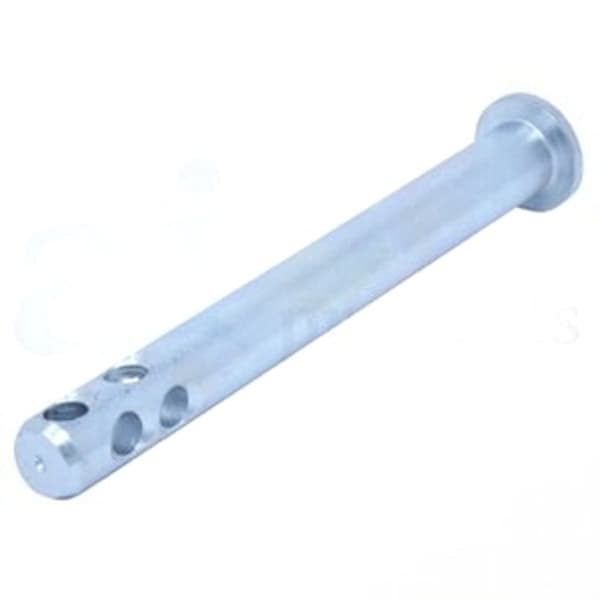
🔍 Looking for a specific part? Try our AI Part Finder — tell it your equipment and what you need, and it will find matching parts instantly.
Types of Tractor Stabilizer Bars
There are several types of stabilizer bar systems, each with its own advantages and disadvantages:
- Sway Chains: These are the most common type, consisting of chains or adjustable links that connect the lower lift arms to the tractor's frame. They're simple, inexpensive, and relatively easy to adjust.
- Sway Blocks: Sway blocks are rigid or telescoping bars that connect the lift arms to the tractor frame. They provide a more positive lock against lateral movement than chains but may require more precise adjustment.
- Telescoping Stabilizer Bars: These combine features of both sway chains and sway blocks, offering adjustable length for different implement widths and positive locking.
- Automatic Stabilizer Bars: Found on some newer tractors, these systems use hydraulics or other mechanisms to automatically adjust the stabilizer bars based on implement position and terrain.
Adjusting Your Tractor Stabilizer Bars
Proper adjustment of your stabilizer bars is crucial for optimal performance. Here's a general guide:
- Park on a Level Surface: Ensure your tractor is parked on a level surface to avoid skewed measurements.
- Attach the Implement: Connect the implement you'll be using to the three-point hitch.
- Lower the Implement: Lower the implement to its normal working height.
- Adjust the Stabilizer Bars:
- Sway Chains: Adjust the chain length or turnbuckle until there is minimal side-to-side play in the implement, but it can still move freely up and down.
- Sway Blocks: Adjust the length of the sway blocks until they just touch the lift arms when the implement is centered. Avoid overtightening.
- Telescoping Stabilizer Bars: Adjust the telescoping section to achieve the desired level of sway control.
- Check for Binding: Raise and lower the implement through its full range of motion, ensuring there is no binding or excessive stress on the stabilizer bars or lift arms.
Specific Examples:
- John Deere: Many older John Deere models, such as the 4020, used adjustable sway chains. Newer models might use telescoping stabilizer bars.
- Case IH: Similar to John Deere, Case IH tractors often feature adjustable sway chains or telescoping bars depending on the model and year. For example, on a Case IH Farmall 50A, ensure your sway chains aren't overly tightened to avoid stress on the hitch.
- Kubota: Kubota compact tractors often utilize telescoping stabilizer bars for precise control of implements like rotary cutters or box blades.
Troubleshooting Common Issues
Here are some common problems with tractor stabilizer bars and how to address them:
- Excessive Sway: If your implement is swinging excessively, check for worn or damaged stabilizer bar components. Tighten or replace loose chains or damaged blocks.
- Binding or Restricted Movement: This can be caused by overtightened stabilizer bars or incorrect adjustment. Loosen the bars and re-adjust according to the manufacturer's instructions.
- Broken Chains or Blocks: Replace broken chains or blocks immediately. Inspect for wear and tear regularly.
- Worn Bushings and Pins: Over time, the bushings and pins connecting the stabilizer bars to the lift arms and frame can wear out, causing slop and play. Replace these components as needed. Madison Tractor Company offers replacement pins and bushings for various tractor models.
Safety Warning: Always disconnect the tractor's engine and engage the parking brake before working on the stabilizer bars or any other part of the three-point hitch. Wear appropriate safety glasses and gloves.
Maintenance Tips for Longevity
Proper maintenance can extend the life of your tractor stabilizer bars:
- Regular Inspection: Inspect the stabilizer bars regularly for signs of wear, damage, or looseness.
- Lubrication: Lubricate the pivot points and adjustable sections of the stabilizer bars with a suitable grease. Check your owner's manual for recommended lubricants.
- Tighten Loose Hardware: Periodically check and tighten any loose bolts or nuts. The torque spec for bolts connecting the stabilizer bars to the frame is typically between 50-75 ft-lbs, but refer to your tractor's service manual for the exact specification.
- Replace Worn Parts: Replace worn or damaged components promptly to prevent further damage.
Finding the Right Parts at Madison Tractor
Madison Tractor Company stocks a comprehensive selection of tractor stabilizer bar parts and related components for all major brands. Whether you need replacement chains, sway blocks, telescoping bars, pins, bushings, or other hardware, we have you covered. We carry parts for a wide array of equipment, from John Deere tractors to New Holland tractors and everything in between. When searching for parts, consider these tips:
- Know Your Tractor Model: Have your tractor's make, model, and year of manufacture ready. This information will help you find the correct parts.
- Identify the Part Number: If possible, locate the original equipment manufacturer (OEM) part number for the component you need. This will ensure a perfect fit.
- Check Compatibility: Verify that the replacement part is compatible with your specific tractor model and implement. Our expert staff can help you with cross-referencing part numbers.
For example, if you're working on a Massey Ferguson 135 and need to replace the sway chain, searching for "Massey Ferguson 135 sway chain" or referencing the OEM part number (if available) will help you find the correct replacement. We also stock related parts like filters, hydraulic pumps, and PTO parts to keep your tractor running smoothly.
Don't forget to consider the condition of your tractor's tractor tires. Proper tire inflation and condition are crucial for optimal performance and safety when using implements. You might also want to review our article on tractor tire chains for enhanced traction in challenging conditions.
Keep Your Implements Stable
Investing time in understanding and properly maintaining your tractor stabilizer bars is an investment in your equipment's performance and your own safety. By following these guidelines, you can ensure that your implements stay securely in line, allowing you to work efficiently and effectively.
At Madison Tractor Company, we're committed to providing you with the highest quality parts and expert support you need to keep your farm equipment running at its best. Shop our extensive online catalog today or contact our knowledgeable team for assistance in finding the right tractor stabilizer bar parts for your machine! You can also use our AI-Powered Part Finder to search for parts by your specific make and model.
Part of our comprehensive guide
Tractor Tire Size Guide: Read Sizes, Find Replacements & Compare Brands