







The 3-point hitch is the unsung hero of tractor functionality. It's what allows you to connect and operate a huge range of implements, turning your tractor into a versatile workhorse. Choosing the right implements, and understanding how they interact with your tractor is crucial for efficient and safe operation. This guide will cover the essentials of 3-point hitch attachments, helping you make informed decisions for your farm or property.
3-Point Hitch Attachments: Complete Guide for Tractors
Maximize your tractor's versatility with the right 3-point hitch attachments. This guide covers everything from selecting the right attachments to understanding hitch categories, offering practical advice for farmers and ranchers.
Recommended Parts for This Guide
10 parts we recommend — in stock, ships fast, one-click add to cart.
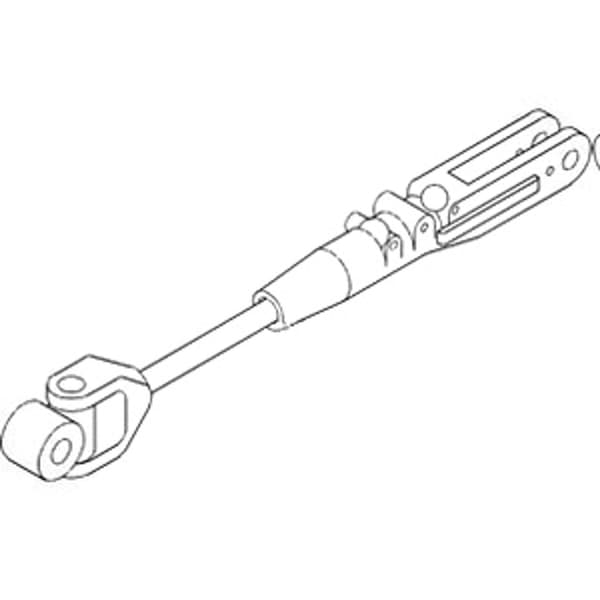
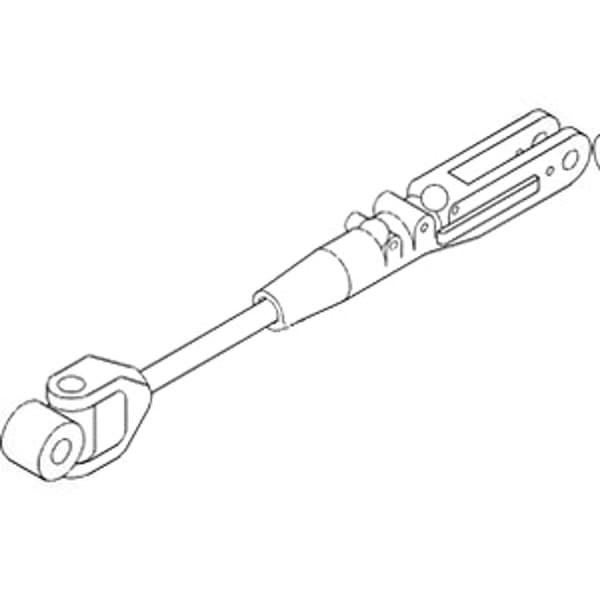
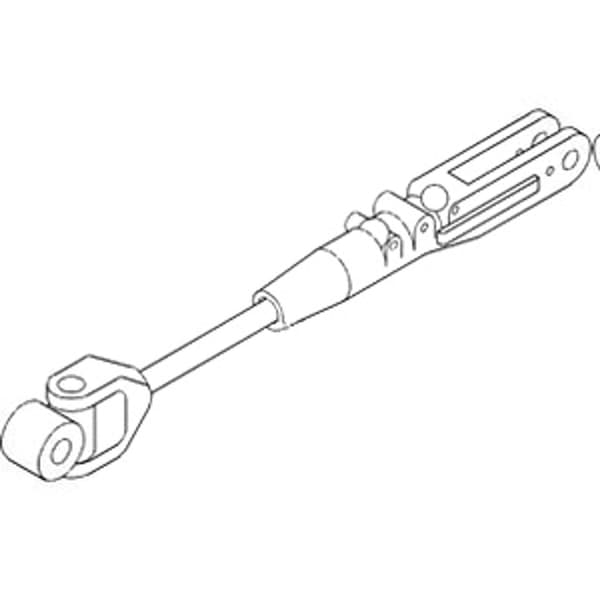
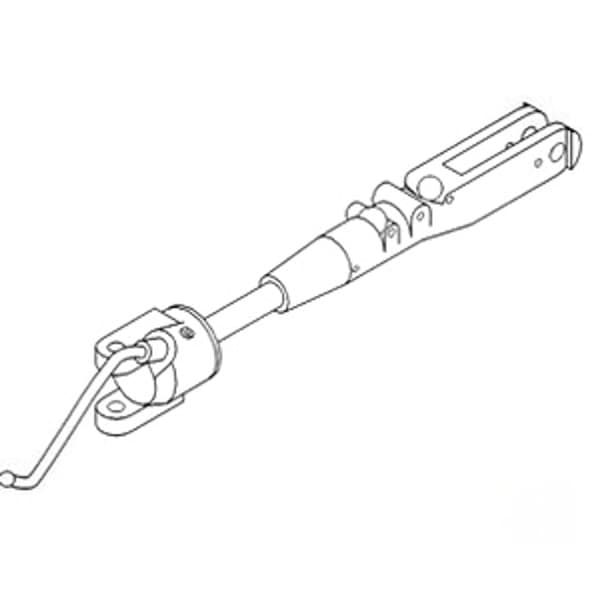
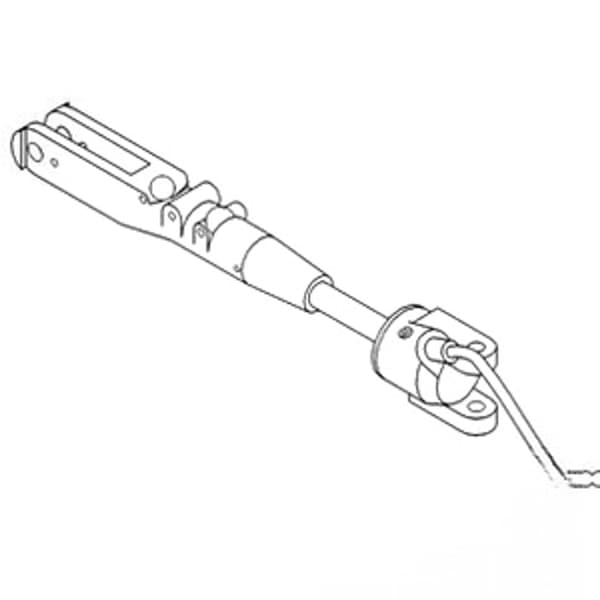
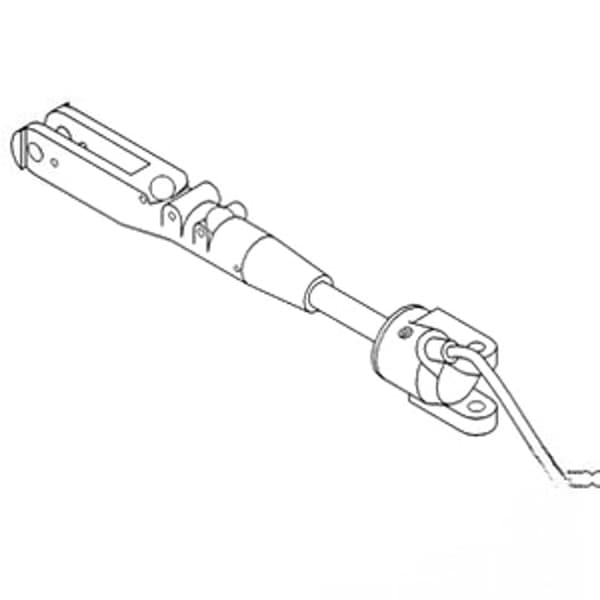
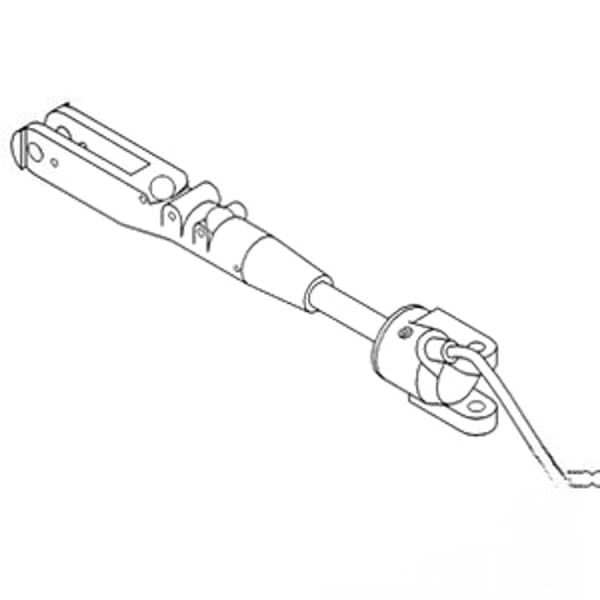
🔍 Looking for a specific part? Try our AI Part Finder — tell it your equipment and what you need, and it will find matching parts instantly.
What is a 3-Point Hitch?
The 3-point hitch is a standardized system for attaching implements to the rear of a tractor. It consists of three connection points: two lower lift arms and a single upper link (top link). These points form a triangular configuration, providing stability and control. The hitch is powered by the tractor's hydraulic system, allowing you to raise, lower, and adjust the implement as needed.
Understanding 3-Point Hitch Categories
3-point hitches are classified into categories based on their physical dimensions and lifting capacity. Matching the category of your implement to your tractor's hitch category is critical. Using an incompatible implement can damage your tractor or create a dangerous situation. Here's a breakdown:
- Category 0: Found on smaller tractors, often garden tractors or sub-compact models. Lift pin diameter is typically 5/8 inch.
- Category 1: Common on compact and utility tractors (20-45 HP). Lift pin diameter is 3/4 inch.
- Category 2: Found on larger utility tractors and smaller row crop tractors (40-100 HP). Lift pin diameter is 1 inch.
- Category 3: Used on larger row crop tractors (80-225 HP). Lift pin diameter is 1 1/4 inch.
- Category 4: For very large agricultural tractors (over 180 HP). Lift pin diameter is 1 3/4 inch or 2 inches (Quick Hitch).
Consult your tractor's operator manual to determine its hitch category. You can often find this information on a decal near the hitch itself. Keep in mind that some tractors have a “limited” category (e.g., Limited Category 1) which indicates a smaller lift capacity within that category. Older tractors like many Ford tractors may require adapters to fit modern implements.
Common 3-Point Hitch Attachments
The range of available 3-point hitch attachments is vast. Here are some of the most common types, along with considerations for each:
Mowers
- Rotary Cutters (Brush Hogs): Ideal for clearing overgrown fields and pastures. Consider the cutting width and tractor horsepower requirements. We carry Bush Hog rotary cutter parts as well as parts compatible with John Deere mowers.
- Finishing Mowers: Used for maintaining lawns and other fine turf areas. Look for models with adjustable cutting height.
- Flail Mowers: Versatile mowers that can handle a variety of vegetation types.
When operating mowers, always ensure the area is clear of debris and wear appropriate safety gear, including eye and ear protection. Regularly inspect the mower blades and replace them as needed. Madison Tractor carries a full selection of mower blades, belts, and other replacement parts.
Tillage Implements
- Tillers: Prepare soil for planting by breaking it up and creating a smooth seedbed. Consider the tilling width and depth. Look for tiller tines compatible with your Kubota or Massey Ferguson tiller.
- Plows: Turn over the soil to bury crop residue and improve soil aeration. Available in various types, including moldboard and disc plows.
- Harrows: Smooth and level the soil after plowing or tilling.
- Cultivators: Remove weeds and loosen the soil around crops.
Tillage equipment puts a significant strain on your tractor's hydraulic system. Ensure your hydraulic fluid levels are correct and that your hydraulic pump is functioning properly. Replacing hydraulic cylinders is a common repair. Check your hydraulic filters regularly. For older International Harvester tractors, ensure your hydraulic system is up to par before running demanding tillage equipment. You may need a new gasket or seal on the cylinder.
Material Handling
- Box Blades: Used for grading, leveling, and backfilling. Look for models with adjustable scarifier teeth.
- Rear Blades: Angle and tilt to move materials, clear snow, and maintain roads.
- Landscape Rakes: Gather debris, spread gravel, and prepare seedbeds.
- Loaders (Front-End Loaders): While typically front-mounted, some rear-mounted loader options exist. These are useful for lifting and moving materials.
When using material handling attachments, be mindful of the tractor's lifting capacity. Overloading the hitch can cause damage to the tractor and create a safety hazard. Inspect lift arm pins and bushings regularly for wear. Madison Tractor offers a variety of replacement pins and bushings for Case IH, New Holland, and other tractor brands.
Hay Equipment
- Hay Balers: Form hay into bales for storage and feeding. We carry parts for Vermeer and Hesston balers, including belts, bearings, and pickup teeth. Check the manual and service intervals for your hay equipment - you may need belts or chains.
- Hay Rakes: Gather hay into windrows for baling.
- Hay Tedders: Spread hay to speed up the drying process.
Other Attachments
- Backhoes: Dig trenches and holes.
- Post Hole Diggers: Bore holes for fence posts and other applications.
- Sprayers: Apply herbicides, pesticides, and fertilizers.
- Spreaders: Distribute seed, fertilizer, and other granular materials.
For older tractors, such as some Allis Chalmers or Oliver tractors, ensure your PTO is in good working order before attaching implements like a hay baler or post hole digger. Madison Tractor carries a wide selection of PTO parts, including shafts, bearings, and clutches.
Selecting the Right Attachment
Choosing the right 3-point hitch attachment involves considering several factors:
- Tractor Horsepower: Ensure your tractor has enough horsepower to operate the attachment effectively. The manufacturer's specifications for the attachment will list the required horsepower. For example, a heavy-duty rotary cutter may require 40 HP or more, while a landscape rake might only need 20 HP.
- Hitch Category: As mentioned earlier, match the category of the attachment to your tractor's hitch category.
- Implement Weight: Don't exceed the tractor's maximum lift capacity. This information is typically found in the tractor's operator manual.
- Intended Use: Consider the specific tasks you need to perform. A rotary cutter is ideal for clearing brush, while a tiller is better suited for preparing a garden bed.
- Operating Conditions: Think about the terrain and soil conditions you'll be working in.
- Budget: Prices for 3-point hitch attachments can vary widely. Set a budget and research different options before making a purchase.
Connecting a 3-Point Hitch Attachment
Connecting a 3-point hitch attachment can be challenging at first, but with practice, it becomes easier. Here's a step-by-step guide:
- Position the Tractor: Back the tractor up to the implement, aligning the lower lift arms with the implement's lift pins.
- Adjust the Lift Arms: Use the tractor's hydraulic controls to raise or lower the lift arms to the appropriate height.
- Connect the Lower Lift Arms: Attach the lift arms to the implement's lift pins and secure them with linchpins.
- Connect the Top Link: Adjust the top link length to achieve the desired implement angle. Connect the top link to the implement and secure it with a pin.
- Level the Implement: Use the tractor's leveling box (if equipped) or adjustable lift arm to level the implement from side to side.
- Adjust the Implement: Make any necessary adjustments to the implement, such as setting the cutting height on a mower or the tilling depth on a tiller.
- Test the Implement: Before operating the implement, raise and lower it to ensure it's properly connected and functioning correctly.
Safety Warning: Always engage the tractor's parking brake and shut off the engine before connecting or disconnecting any 3-point hitch attachment. Never stand between the tractor and the implement while connecting or disconnecting. Wear appropriate safety gear, including gloves and eye protection.
Maintenance and Repair
Regular maintenance is essential for keeping your 3-point hitch attachments in good working order. Here are some tips:
- Lubricate Regularly: Grease all moving parts, such as lift pins, bushings, and bearings, according to the manufacturer's recommendations.
- Inspect for Wear: Check lift pins, bushings, and other components for wear and replace them as needed.
- Tighten Fasteners: Periodically check and tighten all bolts and nuts.
- Sharpen Blades: Keep mower blades and tiller tines sharp for optimal performance.
- Store Properly: Store attachments in a dry place to prevent rust and corrosion.
If you encounter any problems with your 3-point hitch attachments, consult the manufacturer's operator manual or seek assistance from a qualified mechanic. Madison Tractor offers a wide range of replacement parts for most common 3-point hitch attachments, including bearings, seals, blades, tines, and hydraulic components. We have parts for Deutz, Mahindra and Zetor tractors as well as Gleaner combines. If your fuel pump, starter or alternator are failing, it can effect performance. Replacing worn injectors is also an important maintenance task.
Remember to also check tractor tire sizes explained to make sure you have the right setup for using your 3-point implements! If you need to add weight for stability, review our guide to tractor wheel weights.
Conclusion
3-point hitch attachments are essential tools for any farmer or property owner. By understanding the different types of attachments, choosing the right implements for your needs, and performing regular maintenance, you can maximize the versatility and productivity of your tractor. And remember, Madison Tractor is your trusted source for high-quality replacement parts and expert advice.
Ready to find the parts you need to keep your tractor and implements running smoothly? Shop Madison Tractor's extensive selection of tractor parts today!
🔍 Can't Find Your Part?
Use our AI-Powered Part Finder to search by your equipment's make, model, and what you need. It's the fastest way to find the exact part for your machine.
Try the Part Finder →Part of our comprehensive guide
Tractor Tire Size Guide: Read Sizes, Find Replacements & Compare Brands