







Tractor Box Blade: Sizing & 3-Point Hitch Requirements
Selecting the right tractor box blade is crucial for efficient grading, leveling, and backfilling. This guide from Madison Tractor Company covers sizing, 3-point hitch compatibility, and important considerations for various tractor models.
Introduction to Tractor Box Blades
A tractor box blade is an invaluable implement for landscaping, grading, road maintenance various other tasks around the farm or ranch. It's essentially a heavy-duty metal box with a cutting edge that scrapes the ground, filling the box with material. When the box is full, you can then drag and spread the material to level surfaces. Choosing the right box blade size for your tractor is essential for optimal performance and safety. Using a box blade that's too small will be inefficient, while one that's too large can overload your tractor's hydraulic system and potentially damage your 3-point hitch.
Recommended Parts for This Guide
9 parts we recommend — in stock, ships fast, one-click add to cart.
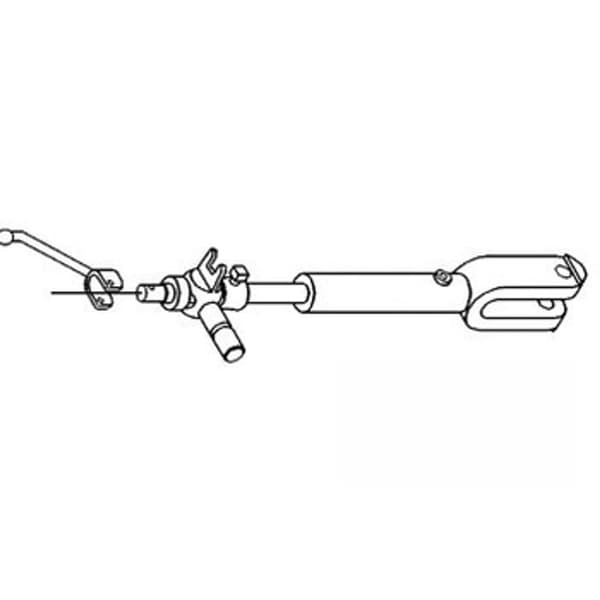
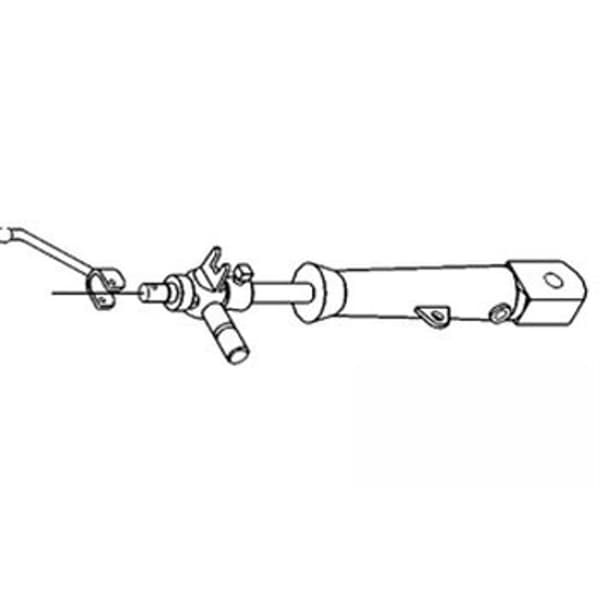
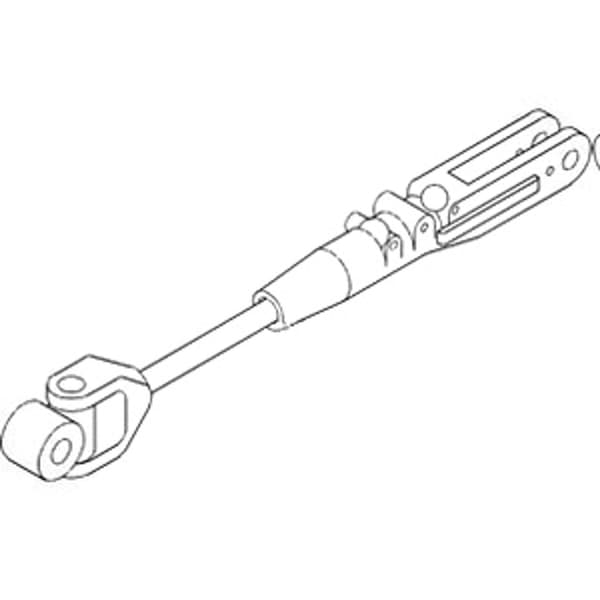
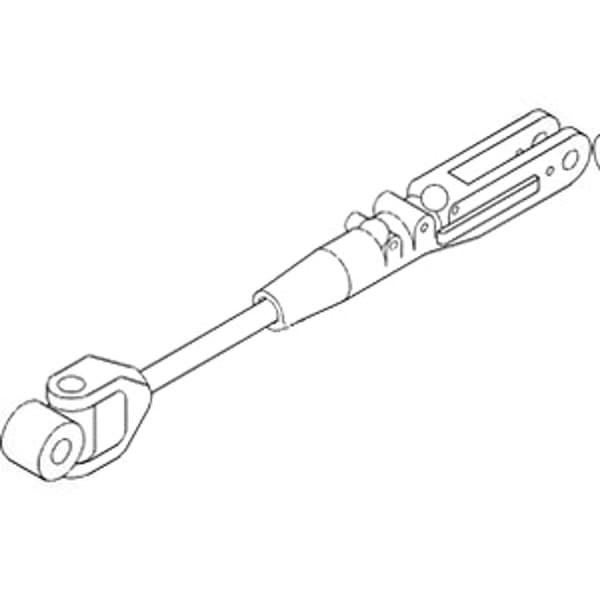
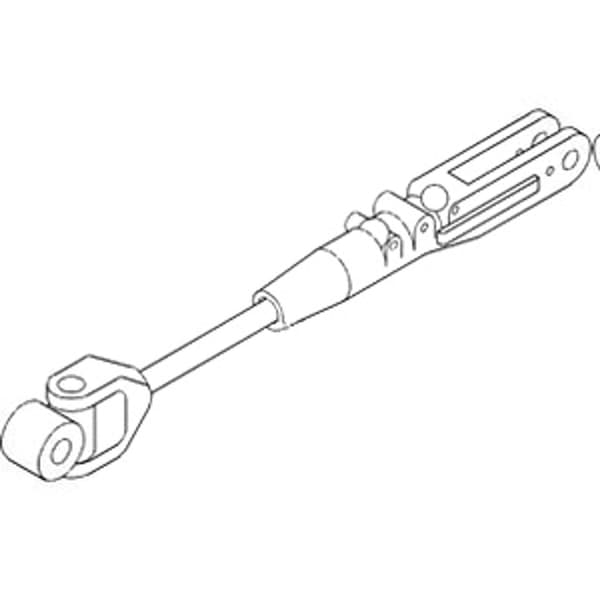
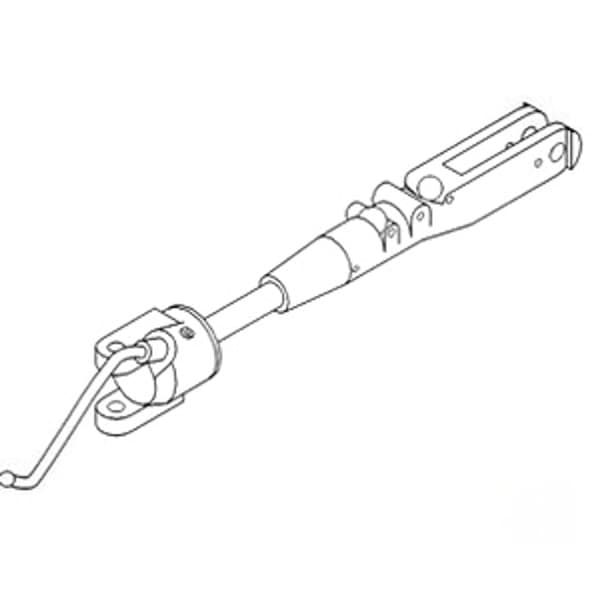
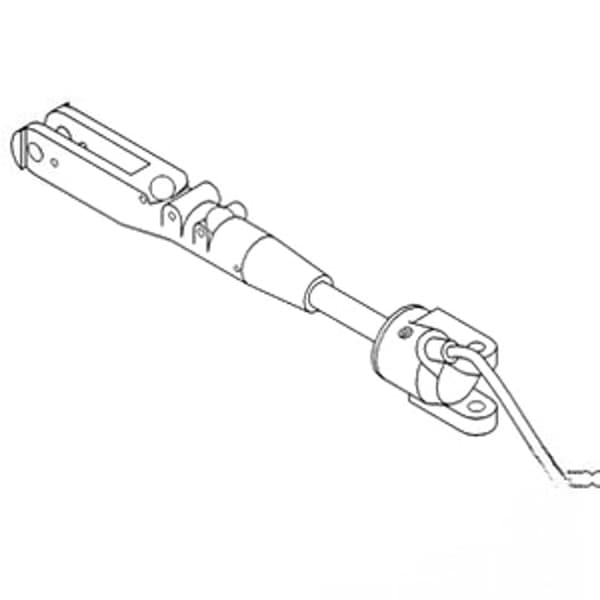
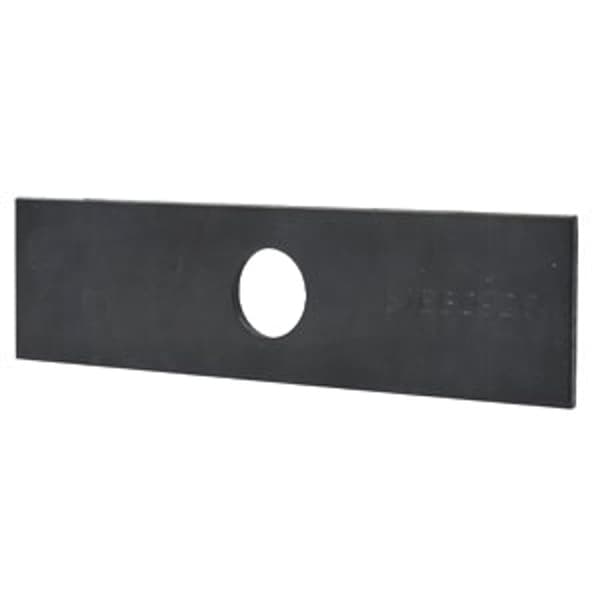
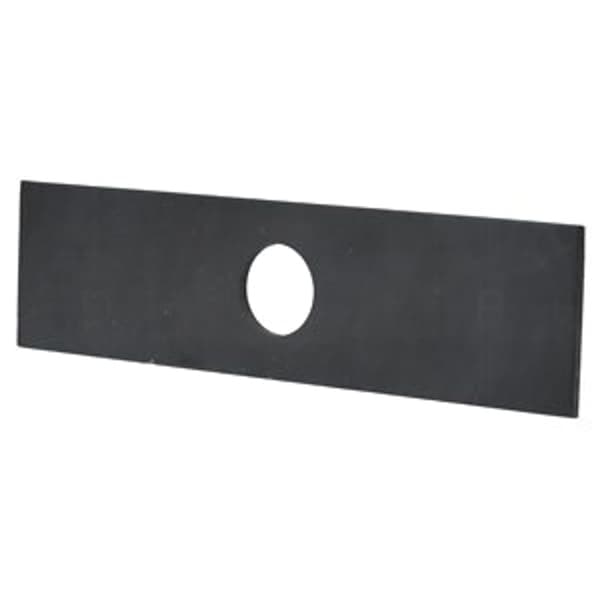
🔍 Looking for a specific part? Try our AI Part Finder — tell it your equipment and what you need, and it will find matching parts instantly.
At Madison Tractor Company, we understand the importance of having the right equipment for the job. We carry a wide range of tractor parts and implements, including box blades, suitable for various tractor models from brands like John Deere, Case IH, Ford, New Holland, Massey Ferguson, Kubota, Allis Chalmers, Deutz, International Harvester, Oliver, White, Gleaner, Vermeer, Hesston, Mahindra and Zetor. Whether you need a new radiator for your aging John Deere 4020 (check for part number ) or hydraulic cylinders for your Case IH tractor's box blade, we've got you covered.
Determining the Correct Box Blade Width
The width of your tractor box blade is arguably the most critical factor to consider. Here's a general rule of thumb
- Tractor Horsepower Match the box blade width to your tractor's horsepower. A good starting point is 5-7 inches of box blade width per PTO horsepower.
- Tractor Width The box blade should be wider than the outside width of your tractor tires. This ensures you're covering the entire path of the tractor and not leaving tire tracks untouched. Refer to our guide on tractor tire sizes explained to accurately measure your tractor's tire width.
Here's a table with suggested box blade widths based on tractor horsepower. Remember, this is a general guide terrain conditions can affect optimal sizing.
| Tractor Horsepower (PTO) | Recommended Box Blade Width |
|---|---|
| 20-30 HP | 4-5 feet |
| 30-45 HP | 5-6 feet |
| 45-60 HP | 6-7 feet |
| 60-75 HP | 7-8 feet |
| 75+ HP | 8+ feet |
Example If you have a Kubota L3901 with approximately 30 PTO horsepower, a 5-foot box blade would likely be a good fit. Similarly, a New Holland Workmaster 75, which boasts roughly 68 PTO horsepower, could handle a 7-foot or even an 8-foot box blade depending on soil conditions. For compact tractors, consider reading our compact tractor tires guide to ensure your tires can handle the weight and traction demands when pulling a box blade.
Considering Soil Conditions
The type of soil you'll be working with significantly impacts the size of box blade you should choose. Heavy clay soil or rocky terrain will require more power to pull the box blade, potentially necessitating a smaller width or the addition of tractor wheel weights to improve traction. Lighter, sandy soils will be easier to work with, allowing you to use a wider box blade without overtaxing your tractor. If you're consistently working in challenging conditions, consider adding tractor tire ballast.
Understanding 3-point hitch Compatibility
Tractor box blades typically utilize a 3-point hitch system for attachment. There are several categories of 3-point hitches, each designed for different tractor sizes and horsepower ranges
- Category 0 Primarily found on smaller garden tractors and some sub-compact tractors. Not commonly used for box blades.
- Category 1 The most common size for compact tractors (20-45 HP).
- Category 2 Typically found on larger utility tractors (40-80 HP).
- Category 3 & 4 Used on large agricultural tractors (80+ HP).
Ensure the box blade you select is compatible with your tractor's 3-point hitch category. The category refers to the pin diameter and spacing of the hitch arms. Using an incompatible implement can be dangerous and may damage your tractor or implement. Refer to your tractor's owner's manual for specific 3-point hitch dimensions and category. If you're unsure, consult with a qualified mechanic or agricultural equipment dealer.
Checking Lift Capacity
Before purchasing a box blade, verify that your tractor's 3-point hitch lift capacity at the lift pin exceeds the weight of the box blade. Exceeding the lift capacity can strain the hydraulic system and potentially damage your tractor. If your hydraulic pump isn't performing optimally, we carry replacement hydraulic pumps for many tractor models.
For example, a Massey Ferguson 240 with a category 1 hitch has a lift capacity of approximately 2200 lbs. Ensure the box blade you choose weighs significantly less than this, accounting for the weight of any material in the box.
Features to Consider in a Box Blade
Beyond size and hitch compatibility, consider these features when selecting a tractor box blade
- Scarifier Shanks These tines rip through hard-packed soil, making it easier for the blade to cut. Look for adjustable scarifier depth settings.
- Cutting Edge A replaceable, high-carbon steel cutting edge is crucial for durability. Check for options with reversible cutting edges to extend lifespan.
- End Plates Heavy-duty end plates prevent material from spilling out the sides of the box blade.
- Adjustable Tailgate Some models have an adjustable tailgate, allowing you to control the flow of material and achieve a smoother finish.
Safety Considerations
- Read the Manual Always consult your tractor and box blade owner's manuals before operation.
- Inspect Equipment Before each use, inspect the box blade and 3-point hitch for any signs of damage or wear. Replace worn pins, bushings, or other components immediately.
- Clear the Area Ensure the area is clear of people, animals obstacles before operating the box blade.
- Lower the Implement When transporting the box blade, keep it lowered to the ground as much as possible to maintain stability.
- Use Caution on Slopes Operate the box blade with caution on slopes to avoid tipping. Consider installing tractor tire chains for added traction.
Maintaining Your Tractor and Box Blade
Regular maintenance is key to extending the life of your tractor and box blade. This includes
- Greasing Grease all pivot points on the 3-point hitch and box blade regularly.
- Inspecting Blades Check the cutting edge for wear and replace it when necessary.
- Checking Fasteners Ensure all bolts and nuts are tightened to the manufacturer's specifications.
- Hydraulic Fluid Maintain proper hydraulic fluid levels and change the fluid according to the manufacturer's recommendations. We carry a wide variety of filters for many tractor models to maintain proper fluid cleanliness.
- Engine Maintenance Search available parts
Conclusion
Choosing the correct tractor box blade size and ensuring 3-point hitch compatibility is crucial for efficient and safe operation. By considering your tractor's horsepower, width, lift capacity the type of soil you'll be working with, you can select the right box blade for your needs. Remember to prioritize safety and perform regular maintenance to keep your equipment in top condition.
Madison Tractor Company is your one-stop shop for all your tractor parts and implement needs. From radiators and water pumps to starters and alternators, we have the parts you need to keep your equipment running smoothly. Browse our extensive online catalog or contact our knowledgeable staff for assistance in finding the right parts for your John Deere, Case IH, Ford, New Holland, Massey Ferguson, Kubota, or other tractor brands. Don't forget to check out our selection of tractor parts today! You can also use our AI-Powered Part Finder to search for parts by your specific make and model.
Part of our comprehensive guide
Tractor Tire Size Guide: Read Sizes, Find Replacements & Compare Brands