







Tractor Bucket Cutting Edge: Bolt-On Steel & Rubber
Choosing the right tractor bucket cutting edge is crucial for efficiency and protecting your work surfaces. Learn the differences between steel and rubber edges, plus maintenance tips, from the experts at Madison Tractor.
Introduction: The Hard-Working Edge of Your Tractor Bucket
The cutting edge of your tractor bucket is the first point of contact with the earth – or whatever material you're moving. It's a wear item, plain and simple, but choosing the right type of cutting edge and maintaining it properly can significantly impact your productivity and the longevity of your bucket. This article will explore the options available, focusing on steel and rubber cutting edges provide guidance on selecting the best fit for your needs.
Recommended Parts for This Guide
10 parts we recommend — in stock, ships fast, one-click add to cart.
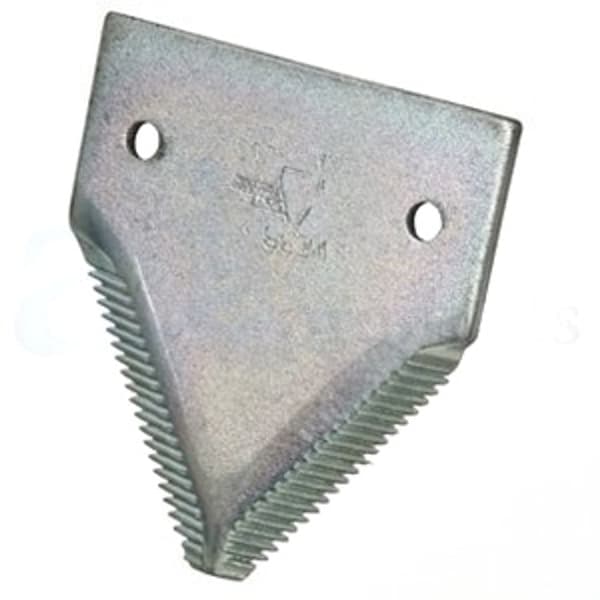
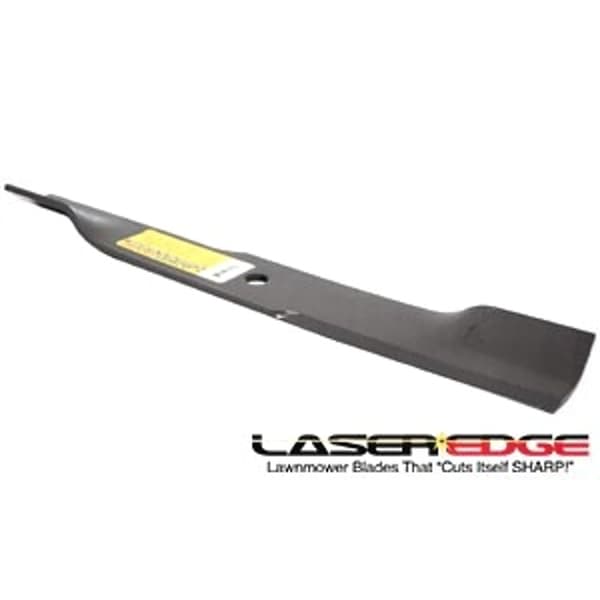
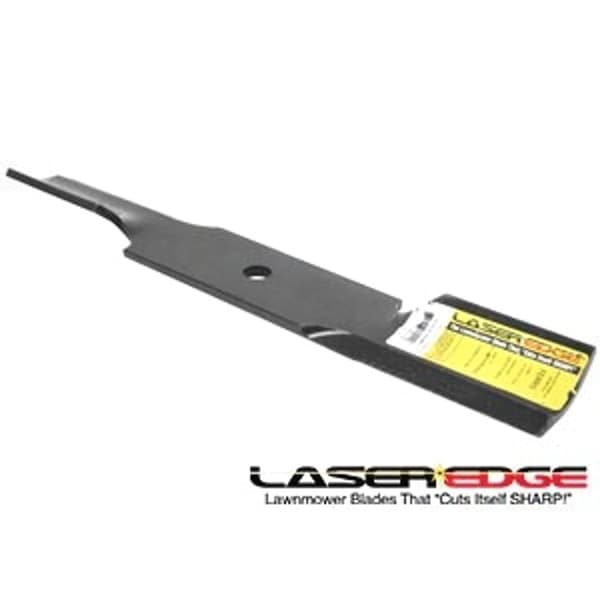
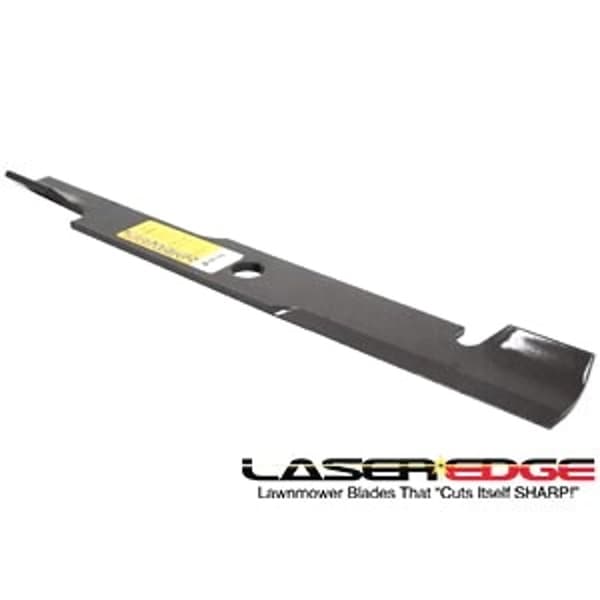
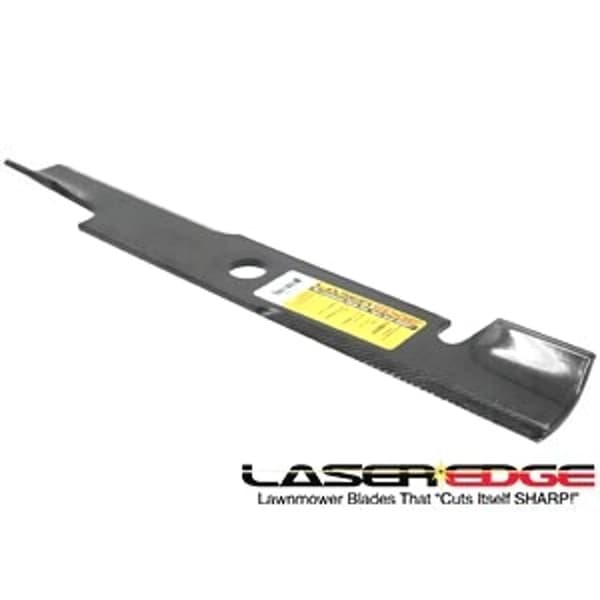
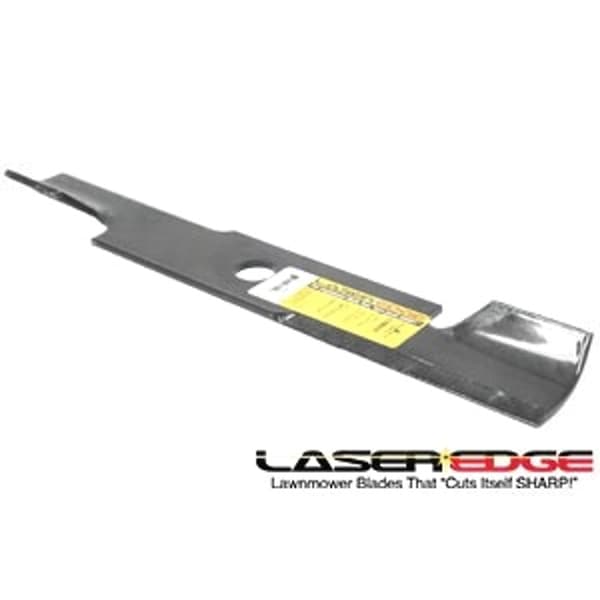
🔍 Looking for a specific part? Try our AI Part Finder — tell it your equipment and what you need, and it will find matching parts instantly.
Just like choosing the right tractor tires, selecting the appropriate cutting edge depends heavily on the application. Are you digging in abrasive soil? Clearing snow from a paved driveway? Grading a delicate surface? The answer will dictate your choice.
Steel Cutting Edges: The Heavy-Duty Workhorse
Steel cutting edges are the traditional choice and are ideal for demanding tasks. They offer superior durability and cutting power when digging, scraping moving heavy materials.
Types of Steel Cutting Edges
- Standard Beveled Edge This is the most common type, offering a good balance of strength and cutting ability.
- Hardened Steel Edge Constructed from heat-treated steel, these edges provide increased resistance to wear and abrasion, making them suitable for tougher jobs and longer lifespans.
- Serrated Edge These edges feature a toothed design for aggressive cutting in frozen ground or compacted materials.
- Reversible Edge A reversible cutting edge effectively doubles the lifespan, allowing you to flip the edge once one side is worn. This is a cost-effective option for high-wear applications.
Benefits of Steel Cutting Edges
- Durability Steel edges withstand significant impact and abrasion.
- Aggressive Cutting They excel at digging and scraping hard materials.
- Versatility Suitable for a wide range of tasks, from grading to demolition (within reason, of course!).
Considerations When Using Steel
- Surface Damage Steel can easily scratch or damage delicate surfaces like asphalt or concrete.
- Noise Steel edges tend to be noisier than rubber, especially on hard surfaces.
- Maintenance Regular inspection for wear and damage is essential.
Examples and Part Numbers
Rubber Cutting Edges: Protecting Your Surfaces
Rubber cutting edges are designed for applications where surface protection is paramount. They are gentler on surfaces like driveways, sidewalks landscaping.
Types of Rubber Cutting Edges
- Solid Rubber Constructed from a single piece of durable rubber, these edges offer good wear resistance and cushioning.
- Reinforced Rubber These edges incorporate steel or fabric reinforcement for increased strength and durability, particularly important for heavier-duty snow removal.
- Polyurethane While technically a polymer, polyurethane edges offer excellent abrasion resistance and flexibility, making them a good compromise between rubber and steel.
Benefits of Rubber Cutting Edges
- Surface Protection They minimize the risk of scratching or damaging delicate surfaces.
- Noise Reduction Rubber edges operate much quieter than steel edges.
- Conformability They can conform to uneven surfaces, ensuring better snow removal or material cleanup.
Considerations When Using Rubber
- Durability Rubber edges are generally less durable than steel and may wear faster in abrasive conditions.
- Cutting Power They are not suitable for digging or scraping hard materials.
- Cost High-quality reinforced rubber edges can be more expensive than basic steel edges.
Examples and Part Numbers
Kubota often utilizes rubber cutting edges on their compact tractors for snow removal. A typical part number for a Kubota BX series tractor might be -96320. New Holland tractors, particularly those used for landscaping, often benefit from rubber edges. A possible part number for a New Holland Boomer series is 87708330. Always double-check compatibility with your specific model.
Installation and Maintenance
Regardless of the type of cutting edge you choose, proper installation and maintenance are crucial for maximizing its lifespan and performance.
Installation Steps
- Preparation Clean the bucket and mounting surface thoroughly. Remove any rust or debris.
- Alignment Position the new cutting edge and align the bolt holes.
- Fastening Use the correct grade and size of bolts and nuts. Refer to your tractor's service manual for torque specifications. Typically, these will be Grade 5 or Grade 8 bolts, tightened to the manufacturer's specified torque (often between 50-100 ft-lbs for 1/2" bolts, but always check your manual).
- Tightening Tighten the bolts in a star pattern to ensure even pressure distribution.
- Inspection Double-check all bolts for tightness after a short period of use.
Maintenance Tips
- Regular Inspection Check the cutting edge for wear, cracks, or loose bolts.
- Bolt Tightness Ensure all bolts are properly tightened to prevent premature wear and damage.
- Rotation (for Reversible Edges) If using a reversible steel edge, rotate it when one side shows significant wear.
- Replacement Replace the cutting edge when it becomes excessively worn or damaged.
Safety Warning Always wear appropriate personal protective equipment (PPE), including gloves and eye protection, when handling and installing cutting edges. Ensure the tractor is properly supported and the engine is off before performing any maintenance.
Choosing the Right Cutting Edge: Key Considerations
Here's a quick summary to help you make the right choice
- Application What types of materials will you be handling? Are you working on delicate surfaces?
- Budget Steel edges are generally more affordable initially, but rubber edges may save you money in the long run by preventing surface damage.
- Durability Consider the wear resistance required for your specific applications.
- Surface Sensitivity Prioritize rubber edges if surface protection is a primary concern.
Other Implement Attachments
Choosing the right cutting edge is only one part of optimizing your tractor's performance. Consider other implement attachments, such as the right tractor front tires, to maximize efficiency and safety. Also, ensure you have the appropriate tractor wheel weights if needed for balance and traction when using your bucket and other heavy attachments. For heavier operations like tilling, ensuring you have the correct tractor tire ballast is also essential for safe operation.
Don't forget routine maintenance on other tractor systems! Madison Tractor carries a wide selection of parts for all major brands, including John Deere, Case IH, Ford, New Holland, Massey Ferguson, Kubota, Allis Chalmers, Deutz, International Harvester, Oliver, White, Gleaner, Vermeer, Hesston, Mahindra and Zetor. We have everything from radiators and water pumps to filters and gaskets.
Shop Tractor Parts at Madison Tractor
Madison Tractor is your trusted source for high-quality tractor parts and accessories. We offer a wide selection of tractor buckets, cutting edges other implements to help you get the job done right. Browse our online catalog or contact our knowledgeable team for assistance in finding the perfect parts for your tractor. We stock parts for a huge range of models and brands, from common items like fuel pumps for Ford 8N tractors to specialized combine parts. Shop with confidence at Madison Tractor – your partner in keeping your farm equipment running smoothly. You can also use our AI-Powered Part Finder to search for parts by your specific make and model.
Part of our comprehensive guide
Tractor Tire Size Guide: Read Sizes, Find Replacements & Compare Brands