







Tractor Hitch Adapter: Cat 1 to Cat 2 Bushing Kit
Confused about tractor hitch sizes? This guide explains how Cat 1 to Cat 2 adapter kits allow you to use smaller implements on larger tractors. Learn about installation, safety, and finding the right parts for your machine.
Understanding Tractor Hitch Categories
When it comes to tractor implements, standardization is key. That's why the American Society of Agricultural and Biological Engineers (ASABE) developed hitch categories. These categories define the size and strength of the three-point hitch, ensuring compatibility between tractors and implements. The most common categories you'll encounter are Category 1 (Cat 1) and Category 2 (Cat 2).
Recommended Parts for This Guide
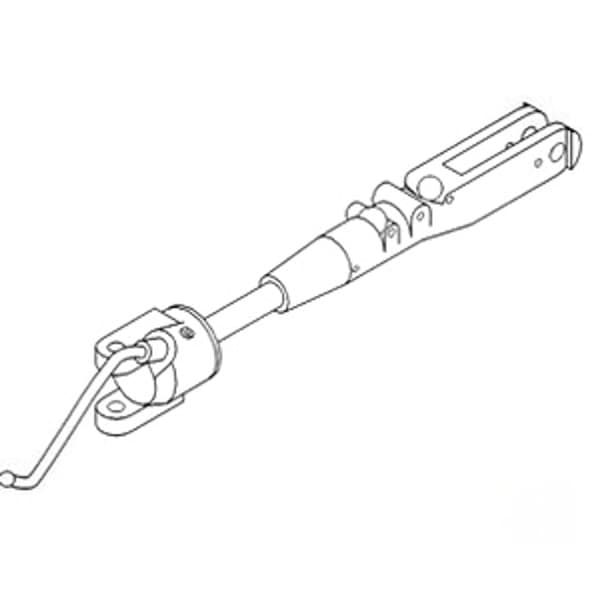
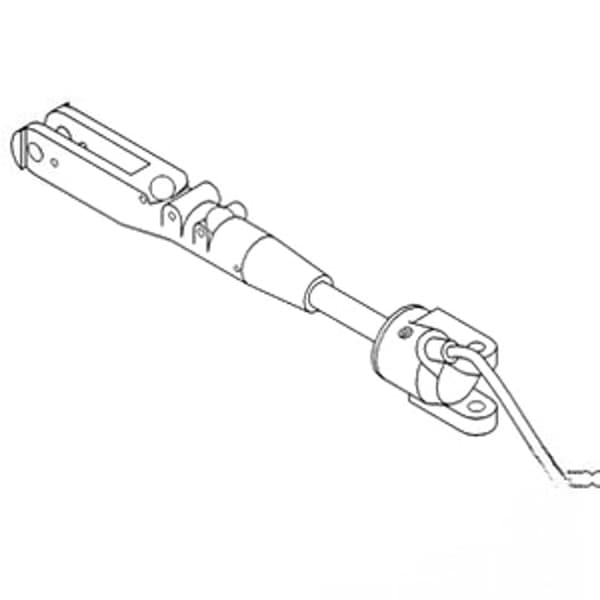
2 parts we recommend — in stock, ships fast, one-click add to cart.
🔍 Looking for a specific part? Try our AI Part Finder — tell it your equipment and what you need, and it will find matching parts instantly.
Cat 1 hitches are typically found on smaller tractors, often in the 20-45 horsepower range. They use smaller diameter hitch pins and have narrower spacing between the lower lift arms. For example, our 3 Point Hitch Kit, (RH) (Cat I) is an ideal component for maintaining or repairing such setups. Think of tractors like a compact Kubota or some older Ford models as prime examples.
Cat 2 hitches are designed for larger tractors, generally in the 40-100 horsepower range. They utilize larger diameter hitch pins and wider spacing between the lower lift arms to handle heavier implements. Many John Deere tractors, Case IH models larger New Holland machines utilize a Cat 2 hitch.
Sometimes, you might find yourself in a situation where you want to use a Cat 1 implement on a Cat 2 tractor. This is where a tractor hitch adapter comes in handy.
What is a Cat 1 to Cat 2 Bushing Kit?
A Cat 1 to Cat 2 bushing kit allows you to connect a Cat 1 implement to a Cat 2 tractor. The kit typically consists of bushings (sleeves) that reduce the diameter of the hitch pins sometimes spacers to maintain proper implement alignment.
The main components of a standard kit are
- Lower Link Bushings These sleeves fit over the Cat 1 implement's lower hitch pins, increasing their diameter to match the Cat 2 tractor's hitch.
- Top Link Bushing (if needed) Some implements also require a bushing for the Top Link pin.
Why Use a Tractor Hitch Adapter?
There are several reasons why you might need a tractor hitch adapter
- Versatility Allows you to use a wider range of implements with your tractor.
- Cost Savings May be cheaper than buying a new implement in the correct category. If you already own a Cat 1 brush hog, for example you upgrade to a larger tractor with a Cat 2 hitch, using an adapter lets you continue using your existing brush hog.
- Temporary Solution A convenient temporary solution while you search for or repair a Cat 2 implement.
Choosing the Right Adapter Kit
When selecting a tractor hitch adapter kit, consider these factors
- Implement Type Ensure the kit is suitable for the type of implement you'll be using. Some implements may require specific adapter configurations.
- Bushing Material Bushings are typically made of steel or cast iron. Steel is more durable and resistant to wear, while cast iron is more affordable.
- Kit Completeness Make sure the kit includes all the necessary bushings and spacers for your specific implement.
- Manufacturer Reputation Choose a reputable brand known for quality and durability. Madison Tractor Company carries a wide selection of hitch adapters from trusted manufacturers. We can help you find the right one for your John Deere, Case IH, Ford, New Holland, Massey Ferguson, Kubota, or other brand tractor.
Installation: A Step-by-Step Guide
Installing a Cat 1 to Cat 2 bushing kit is usually a straightforward process. However, always consult your tractor and implement manuals for specific instructions and safety precautions.
- Preparation Park the tractor on a level surface, engage the parking brake shut off the engine. Disconnect the implement from the tractor.
- Clean the Hitch Pins Thoroughly clean the Cat 1 implement's hitch pins. Remove any dirt, rust, or debris that could interfere with the bushing installation.
- Install the Lower Link Bushings Slide the lower link bushings over the implement's lower hitch pins. Ensure they are seated correctly and securely.
- Install the Top Link Bushing (if needed) If the implement requires a top link bushing, install it in the same manner.
- Attach the Implement Carefully back the tractor up to the implement and attach the lower lift arms. Secure the lift arms with hitch pins and linch pins.
- Attach the Top Link Connect the top link and secure it with a hitch pin and linch pin.
- Adjust the Hitch Adjust the top link and lift arm lengths as needed to properly level the implement.
- Test the Implement Before using the implement under load, test it in a safe area to ensure it is properly attached and functioning correctly.
Important Safety Considerations
Safety is paramount when working with tractors and implements. Keep these safety tips in mind
- Read the Manuals Always read and understand the operating manuals for both your tractor and implement before using a tractor hitch adapter.
- Inspect Regularly Inspect the adapter bushings and hitch pins regularly for wear or damage. Replace worn or damaged parts immediately.
- Use Correct Pin Sizes Always use the correct size hitch pins and linch pins for your implement and tractor. Incorrect pin sizes can lead to implement detachment and potential injury.
- Secure the Implement Ensure the implement is securely attached to the tractor before operating it. Double-check all hitch pins and linch pins.
- Be Aware of Weight Limits Do not exceed the tractor's or implement's weight limits. Using a Cat 1 implement on a Cat 2 tractor can sometimes tempt you to use an undersized implement for a task that overloads it. Be mindful of the implement's design limitations.
- Operate Safely Operate the tractor and implement in a safe and responsible manner. Avoid sudden starts, stops turns.
WARNING Never stand between the tractor and implement while attaching or detaching. Always use caution when working around moving machinery. Keep bystanders clear of the area.
When *Not* to Use a Tractor Hitch Adapter
While adapters offer versatility, there are times when they aren't the best solution
- Severe Weight Mismatch If the Cat 1 implement is significantly lighter than what the Cat 2 tractor is designed for, it might not provide adequate counterweight and could compromise tractor stability, especially on slopes. Consider tractor wheel weights for proper ballasting.
- Frequent Use For implements used very frequently, investing in a Cat 2 version is often a better long-term solution. Adapters introduce an extra point of wear and potential failure.
- Specialized Implements Certain specialized implements might not function correctly with an adapter due to geometry changes or stress limitations. Check with the implement manufacturer.
Beyond the Hitch: Maintaining Your Tractor and Implements
While ensuring proper hitch compatibility is essential, remember that regular maintenance is crucial for the longevity of both your tractor and implements. This includes
- Fluid Checks Regularly check and change engine oil, hydraulic fluid coolant. Refer to your tractor's manual for recommended fluid types and change intervals. Madison Tractor carries a full line of filters for most major tractor brands.
- Filter Replacements Replace air filters, fuel filters oil filters according to the manufacturer's recommendations.
- Lubrication Lubricate all grease fittings on the tractor and implement at regular intervals.
- Tire Maintenance Maintain proper tractor tire pressure and inspect tires for wear and damage.
- Cooling System Check the cooling system regularly for leaks and corrosion. Ensure the radiator is clean and free of debris.
- Fuel System Inspect the fuel system for leaks and replace fuel filters as needed. Issues here can stem from old fuel pumps or clogged injectors.
For example, a John Deere 4020 tractor requires regular maintenance of its hydraulic system. Using the incorrect hydraulic fluid or neglecting filter changes (John Deere part number ) can lead to costly repairs. Similarly, keeping the radiator clean on a Massey Ferguson 135 ensures optimal engine cooling. Replacing worn water pumps prevents overheating.
Pay attention to the tractor tire sizes explained in your owner's manual to ensure you are replacing worn tires with the correct size and type. Incorrect tire sizes can affect implement performance and tractor handling.
Shop Tractor Hitch Adapters and More at Madison Tractor Company
At Madison Tractor Company, we understand the importance of having the right parts and equipment for your farm. We offer a wide selection of tractor hitch adapters, bushings, hitch pins other implement parts for all major brands, including John Deere, Case IH, Ford, New Holland, Massey Ferguson, Kubota more. Whether you need a PTO part, a new hydraulic cylinder, or parts for your combine or hay equipment (Vermeer, Hesston), we've got you covered. Our knowledgeable team is here to help you find the correct parts for your specific tractor model and implement requirements. Shop with confidence at Madison Tractor Company and keep your farm running smoothly! You can also use our AI-Powered Part Finder to search for parts by your specific make and model.
Part of our comprehensive guide
Tractor Tire Size Guide: Read Sizes, Find Replacements & Compare Brands