







Tractor Tire Pressure Chart: PSI by Size & Load
Maintaining the correct tractor tire pressure is crucial for maximizing performance, fuel efficiency, and tire lifespan. This guide provides a comprehensive tractor tire pressure chart and expert advice to help you optimize your tire settings for various conditions and implements.
Welcome to Madison Tractor's guide to understanding and optimizing your tractor tire pressure. Proper tire inflation is essential for maximizing traction, minimizing soil compaction, improving fuel efficiency, and extending the life of your tires. Too little pressure and you risk sidewall damage and poor handling; too much pressure and you'll sacrifice traction and create a rough ride. This guide will provide you with a starting point for determining the correct PSI for your specific tractor and implements, along with important considerations for adjusting pressure based on load and operating conditions.
Recommended Parts for This Guide
2 parts we recommend — in stock, ships fast, one-click add to cart.
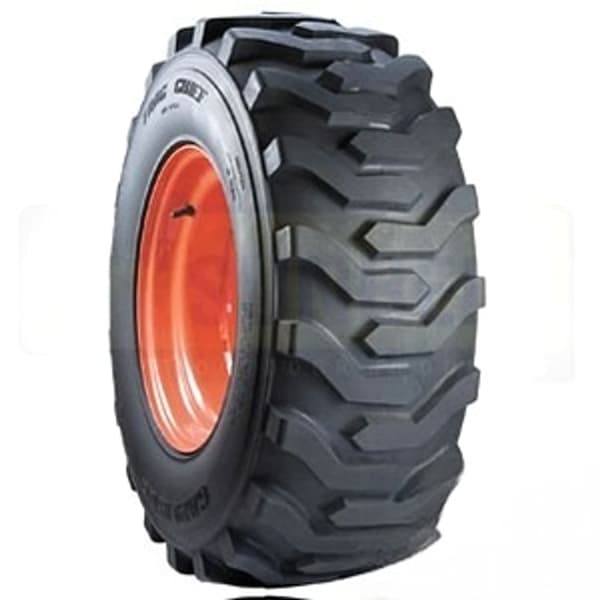
🔍 Looking for a specific part? Try our AI Part Finder — tell it your equipment and what you need, and it will find matching parts instantly.
Why Tractor Tire Pressure Matters
Maintaining proper tractor tire pressure is vital for several reasons:
- Traction: Correct inflation ensures maximum contact between the tire and the ground, providing optimal grip.
- Fuel Efficiency: Underinflated tires increase rolling resistance, leading to higher fuel consumption.
- Soil Compaction: Properly inflated tires distribute weight evenly, minimizing soil compaction, which can hinder crop growth.
- Tire Life: Incorrect pressure causes uneven wear, shortening the lifespan of your tires.
- Ride Comfort: Optimal tire pressure contributes to a smoother and more comfortable ride.
Ignoring these factors can lead to premature wear, costly repairs like replacing hydraulic cylinders due to increased strain, and decreased productivity. Regular maintenance, including checking tire pressure, is as crucial as maintaining your tractor's radiator or ensuring your fuel pump is functioning correctly.
Understanding Tractor Tire Markings
Before you can determine the correct tire pressure, you need to understand the information printed on your tire's sidewall. Critical markings include:
- Tire Size: For example, 18.4-38 or 480/80R38. Our article Tractor Tire Sizes Explained: How to Read the Numbers covers this in detail.
- Load Index and Speed Rating: These numbers indicate the maximum weight the tire can carry at a specific speed.
- Ply Rating or Load Range: This indicates the tire's strength and load-carrying capacity.
- Tire Type: R-1 (agricultural), R-3 (turf), or R-4 (industrial). See our articles about Tractor Rear Tire: R1 Ag, R4 Industrial & Radial Options and Tractor Front Tire: Tri-Rib, R1 & Turf Options for a complete breakdown.
- Maximum Inflation Pressure: This is the maximum pressure the tire can handle, not the recommended operating pressure.
Always consult your tractor's operator manual or the tire manufacturer's specifications for the recommended operating pressure for your specific tire size and load.
Tractor Tire Pressure Chart: General Guidelines
The following chart provides general guidelines for tractor tire pressure. Remember, these are starting points; always consult your tire manufacturer's specifications and adjust based on your specific load and operating conditions. This chart assumes standard R-1 agricultural tires. Variations may be needed for R-3 turf tires or R-4 industrial tires.
| Tire Size (Example) | Typical PSI Range (Unloaded) | Typical PSI Range (Loaded) |
|---|---|---|
| 13.6-28 | 12-16 PSI | 16-20 PSI |
| 14.9-28 | 12-16 PSI | 16-20 PSI |
| 16.9-30 | 10-14 PSI | 14-18 PSI |
| 18.4-34 | 8-12 PSI | 12-16 PSI |
| 18.4-38 | 8-12 PSI | 12-16 PSI |
| 20.8-38 | 6-10 PSI | 10-14 PSI |
| 11.2-24 (Front) | 24-28 PSI | 28-32 PSI |
| 7-16 (Front) | 28-32 PSI | 32-36 PSI |
Important Considerations:
- Front vs. Rear Tires: Front tires typically require higher pressure than rear tires due to the weight distribution of the tractor. Consult your operator's manual.
- Compact Tractors: Compact tractor tires often require different pressure ranges than larger agricultural tires.
Adjusting Tire Pressure for Load
The load on your tires significantly impacts the required tire pressure. When operating with heavy implements, such as a John Deere 510 round baler behind a New Holland tractor, or a Case IH planter, you'll need to increase the tire pressure to compensate for the added weight. Here's how to determine the appropriate pressure:
- Weigh Your Axles: Ideally, use a scale to weigh each axle with the implement attached. Many grain elevators or agricultural supply stores offer this service.
- Consult Load Tables: Tire manufacturers provide load tables that specify the correct tire pressure for a given load. These tables are usually found on the manufacturer's website or in their technical publications.
- Adjust Pressure: Increase or decrease the tire pressure based on the load table recommendations. Be sure to never exceed the maximum inflation pressure listed on the tire sidewall.
Example: Let's say you're pulling a heavy disc harrow with your Massey Ferguson 275. After weighing the rear axle, you find it's carrying 6,000 lbs. Your tires are size 16.9-30. Consulting the tire manufacturer's load table, you find that for a 16.9-30 tire carrying 3,000 lbs (per tire), the recommended pressure is 16 PSI. Therefore, you should inflate your rear tires to 16 PSI. Remember, it is always best to inflate to the higher end of the range if you're unsure.
Operating Conditions & Tire Pressure
Besides load, operating conditions also influence the ideal tire pressure. Consider these factors:
- Field Work: Lower tire pressure can increase traction in soft or uneven fields. However, be careful not to underinflate to the point where the tire sidewall flexes excessively, which can lead to damage.
- Road Transport: Higher tire pressure is generally recommended for road transport to reduce rolling resistance and improve fuel efficiency.
- Slopes: Operating on slopes can increase the load on one side of the tractor. Consider slightly increasing the tire pressure on the uphill side for improved stability.
Tire Ballast and Tire Pressure
Adding ballast, such as liquid Tractor Tire Ballast: Water, Calcium & Beet Juice Fill, or Tractor Wheel Weights: Suitcase, Wheel & Front Weights to your tires increases traction and stability. When using ballast, it's crucial to adjust the tire pressure accordingly. Ballast increases the overall load on the tires, requiring higher inflation pressure. Always consult the tire manufacturer's load tables and adjust the pressure based on the total weight (tractor + implement + ballast). Incorrect pressure with ballast can cause uneven tire wear and potential damage to your PTO parts or even the transmission.
Checking and Adjusting Tire Pressure
Here's a step-by-step guide to checking and adjusting your tractor tire pressure:
- Use a Reliable Tire Gauge: Invest in a quality tire pressure gauge for accurate readings. Digital gauges are generally more precise than analog gauges.
- Check Pressure Regularly: Check your tire pressure at least once a month and before any major operation.
- Check When Tires Are Cold: Tire pressure increases as the tire heats up, so check the pressure when the tires are cold for accurate readings.
- Inflate or Deflate as Needed: Use an air compressor to inflate the tires to the desired pressure. Use a tire deflator tool to release air if the pressure is too high.
- Re-Check Pressure: After inflating or deflating, re-check the pressure to ensure it's correct.
- Inspect Tires: While checking the pressure, inspect the tires for any signs of damage, such as cuts, bulges, or uneven wear.
Safety Warning: Always wear safety glasses when working with tires and compressed air. Never exceed the maximum inflation pressure listed on the tire sidewall.
Common Problems and Solutions
- Uneven Tire Wear: This can be caused by incorrect tire pressure, misaligned wheels, or worn suspension components. Check and adjust tire pressure, inspect the wheel alignment, and replace any worn parts, such as bearings or seals.
- Rapid Air Loss: This could indicate a puncture, damaged valve stem, or a leaky rim. Inspect the tire for punctures, replace the valve stem if necessary, and repair or replace the rim if it's damaged. Consider using a Tractor Tire Inner Tube: Sizes & Valve Stem Types to address slow leaks.
- Sidewall Bulges or Cracks: These indicate severe tire damage and require immediate tire replacement.
Specific Tractor Brands
While the principles of tire pressure apply to all tractor brands, specific models might have unique recommendations. Always consult the operator's manual for your specific tractor. Here are a few examples:
- John Deere: Consult the operator's manual for your specific model, such as the John Deere 4020 or the newer John Deere 6155M.
- Case IH: Check the tire pressure recommendations for your Case IH Magnum or Farmall series tractor.
- New Holland: Refer to the operator's manual for your New Holland T8 or Boomer series tractor.
- Kubota: Consult the Kubota website or owner's manual for pressure ratings for models such as the B2650 or L3901.
Remember, even within a brand, tire pressure specifications can vary widely depending on the model, year, and tire size. For example, the 1968 Oliver 1650 likely has different tire pressure needs than a brand new Zetor Forterra 150. Similarly, a Ford 8N with aftermarket tires will need to be assessed differently than one with OEM rubber. When replacing tires, always cross-reference the original size with the manufacturer's recommendations, and ensure your wheel size is compatible.
Conclusion
Maintaining the correct tractor tire pressure is a crucial aspect of tractor maintenance and operation. By understanding your tire markings, using a reliable tire pressure chart, adjusting pressure for load and operating conditions, and regularly checking and adjusting your tires, you can maximize performance, improve fuel efficiency, and extend the life of your tires. Neglecting this aspect can lead to costly repairs, such as needing to replace your hydraulic pump prematurely due to the added strain on your tractor's systems.
If you need help finding the correct tires or inner tubes for your tractor, don't hesitate to contact the experts at Madison Tractor Company. We carry a wide selection of tires and parts for all major brands, including John Deere, Case IH, Ford, New Holland, Massey Ferguson, Kubota, Allis Chalmers, Deutz, International Harvester, Oliver, White, Gleaner, Vermeer, Hesston, Mahindra, and Zetor.
Shop Tractor Parts at Madison Tractor Company!
At Madison Tractor Company, we understand the importance of keeping your equipment running smoothly. We stock a vast inventory of parts, including filters, gaskets, bearings, and more. Whether you need a new alternator for your John Deere or a concave for your Case IH combine, we've got you covered. Our expert team is ready to help you find the right parts for your specific needs. Visit our website or call us today to experience the Madison Tractor difference! You can also use our AI-Powered Part Finder to search for parts by your specific make and model.
Part of our comprehensive guide
Tractor Tire Size Guide: Read Sizes, Find Replacements & Compare Brands