







John Deere Loader Parts: Bucket, Cylinder & Pin Kit
Keep your John Deere loader working hard with the right parts. This guide covers common loader repairs, bucket selection, cylinder maintenance, and pin kit replacement to maximize your tractor's performance.
Introduction to John Deere Loaders and Parts
John Deere loaders are essential attachments for a wide range of tractor applications, from moving materials and loading trucks to clearing land and handling hay bales. A well-maintained loader can significantly increase your tractor's versatility and productivity. At Madison Tractor Company, we understand the importance of keeping your equipment running smoothly, which is why we offer a comprehensive selection of John Deere loader parts, as well as parts for other brands like Case IH, Ford, New Holland, and Kubota.
Recommended Parts for This Guide
4 parts we recommend — in stock, ships fast, one-click add to cart.
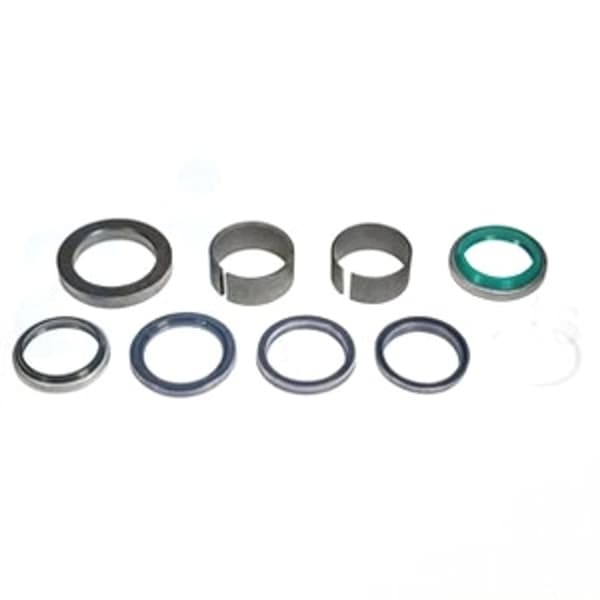
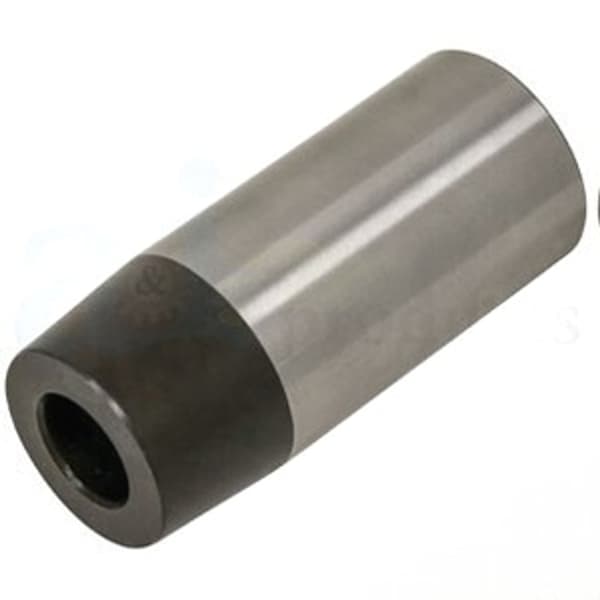
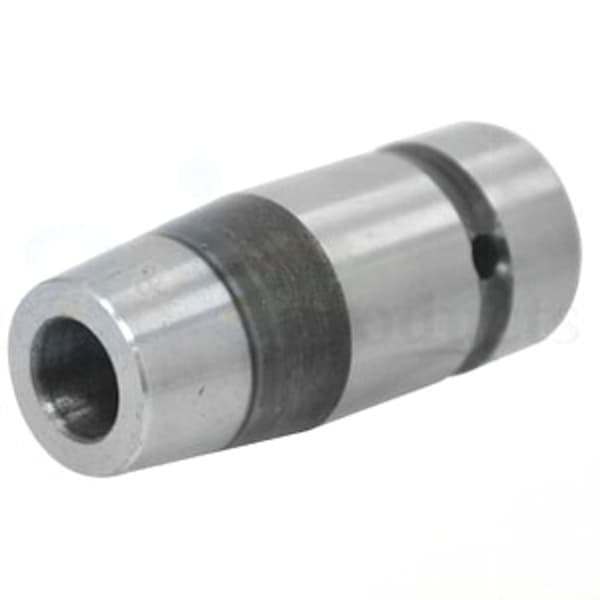
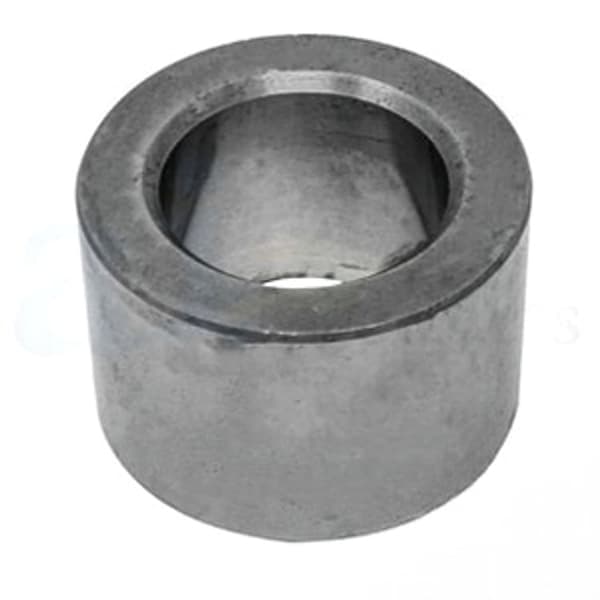
🔍 Looking for a specific part? Try our AI Part Finder — tell it your equipment and what you need, and it will find matching parts instantly.
This guide will cover common John Deere loader parts, including buckets, cylinders, and pin kits, and provide practical advice for maintaining and repairing your loader. Remember that the correct tractor tire sizes explained are crucial for optimal loader performance, ensuring proper stability and weight distribution.
Understanding Loader Buckets
The bucket is the primary working component of your loader. Choosing the right bucket for the job is crucial for efficiency and preventing unnecessary wear and tear on your equipment. Here’s a breakdown of common bucket types:
- General Purpose Buckets: These are the most versatile buckets, suitable for a wide range of tasks such as loading dirt, gravel, and sand.
- Material Handling Buckets: Designed for lighter materials like mulch or snow, these buckets typically have a larger capacity than general-purpose buckets.
- Rock Buckets: Built with reinforced steel and teeth, rock buckets are designed to handle heavy, abrasive materials like rocks and demolition debris.
- Manure Forks: Ideal for handling manure and other loose materials, manure forks feature tines that allow for easy loading and unloading.
When selecting a bucket, consider the material you will be handling, the bucket's capacity, and the loader's lifting capacity. Overloading the bucket can damage the loader and potentially cause a rollover. Refer to your tractor and loader's operating manual for specific weight limits. Make sure your tractor tire ballast is appropriately configured for the load to prevent instability.
Hydraulic Cylinders: The Power Behind Your Loader
Hydraulic cylinders provide the force needed to lift and tilt the loader bucket. Common signs of cylinder problems include leaks, slow operation, and a loss of lifting power. Addressing these issues promptly is crucial to avoid further damage to the hydraulic system.
Troubleshooting Cylinder Issues
- Leaks: Check the cylinder rods, seals, and hoses for leaks. A small leak can often be repaired by replacing the seals. For more significant leaks or damage, consider replacing the entire cylinder. Madison Tractor Company carries a wide range of hydraulic cylinders for John Deere and other brands.
- Slow Operation: Slow operation can be caused by low hydraulic fluid levels, a clogged filter, or a faulty hydraulic pump. Check the fluid level and filter first. If the problem persists, the hydraulic pump may need to be repaired or replaced. We stock hydraulic pumps for John Deere, Case IH, and many other manufacturers.
- Loss of Lifting Power: A loss of lifting power could be due to internal cylinder leakage or a faulty control valve. Internal leakage requires cylinder disassembly and repair or replacement.
Cylinder Maintenance Tips
- Regularly inspect cylinders for leaks, damage, and wear.
- Keep the cylinder rods clean and lubricated to prevent corrosion.
- Replace worn or damaged rod seals or bore seals promptly. This also applies to internal components like the Bushing, Bucket Cylinder.
- Use the correct hydraulic fluid as specified by the manufacturer.
When replacing a hydraulic cylinder, ensure you match the correct size, stroke length, and port configuration. Refer to your tractor's service manual or contact our knowledgeable parts experts at Madison Tractor Company for assistance. We can help you find the right cylinder for your John Deere model, such as the 4400, 4410, or 5220.
Pin Kits: The Joints That Keep It Together
Pin kits connect the various components of the loader, allowing them to pivot and move. Over time, these pins and bushings can wear down, leading to excessive play and reduced loader performance. Worn pins can also cause damage to the loader arms and bucket. Replacing worn pin kits is a relatively inexpensive way to restore the loader's performance and prevent further damage.
Identifying Worn Pins and Bushings
- Excessive Play: Check for excessive play in the loader arms and bucket. If the components move significantly when the loader is stationary, the pins and bushings may be worn.
- Noises: Listen for squeaking, grinding, or clunking noises when operating the loader. These noises can indicate worn pins and bushings.
- Visual Inspection: Visually inspect the pins and bushings for wear, corrosion, and damage. Look for signs of oval-shaped holes or elongated pin bores.
Replacing Pin Kits
Replacing pin kits is a straightforward process that can be done with basic tools. Here's a general guide:
- Gather your tools and parts: You'll need a hammer, punches, sockets, wrenches, a grease gun, and the correct pin kit for your loader model. Be sure to have the correct replacement parts on hand. Madison Tractor Company offers complete pin kits for various John Deere loaders.
- Remove the old pins: Use a punch and hammer to drive out the old pins. You may need to use a penetrating oil to loosen stubborn pins.
- Inspect the bushings: Examine the bushings for wear and damage. Replace them if necessary. Also, check for the Seal, Boom Bucket Pivot and replace if compromised.
- Install the new pins and bushings: Grease the new pins and bushings before installation. Use a hammer and punch to carefully drive the new pins into place. Ensure the pins are properly seated and secured.
- Grease the fittings: After installing the new pin kit, grease all the fittings to ensure proper lubrication.
Safety Warning: Always wear safety glasses and gloves when working on hydraulic systems and using tools. Ensure the loader is properly supported before removing any pins or components to prevent accidental movement.
Regularly greasing the pins and bushings is crucial to prevent premature wear. Use a high-quality grease specifically designed for heavy-duty applications. Refer to your tractor's service manual for recommended greasing intervals.
Finding the Right John Deere Loader Parts
At Madison Tractor Company, we make it easy to find the right John Deere loader parts for your needs. We stock a wide range of parts for various models, including buckets, cylinders, pin kits, hoses, filters, and more. You can search our online catalog by part number, model number, or description. For example, if you need a radiator for your John Deere 4020, you can find it easily on our site. We also carry parts for other brands like Allis Chalmers, Deutz, International Harvester, Oliver, White, Gleaner, Vermeer, Hesston, Mahindra, and Zetor.
If you're unsure which parts you need, our knowledgeable parts experts are here to help. Contact us by phone or email, and we'll be happy to assist you in finding the right parts for your equipment. We can also help you cross-reference OEM part numbers to aftermarket alternatives, potentially saving you money. When considering your compact tractor tires, or the best tractor front tire, remember to take into account any additional weight the loader will add.
Other Essential Loader Components
While buckets, cylinders, and pins are critical, several other components contribute to the overall performance of your John Deere loader:
- Hydraulic Hoses and Fittings: Inspect these regularly for leaks and wear. Replace damaged hoses and fittings promptly to prevent hydraulic fluid loss and maintain proper pressure.
- Control Valves: These valves control the flow of hydraulic fluid to the cylinders. A faulty control valve can cause slow operation, jerky movements, or a loss of lifting power.
- Filters: Keeping your hydraulic fluid clean is crucial for preventing damage to the hydraulic system. Change the hydraulic filter regularly according to the manufacturer's recommendations.
We offer a wide range of replacement parts for these components, including hydraulic hoses, fittings, control valves, and filters. Keeping all aspects of your machine in good working order is vital. Don't forget preventative maintenance; for example, check your tractor tire chains for wear before winter.
Conclusion
Maintaining your John Deere loader is essential for keeping your tractor working efficiently and reliably. By understanding the different components of the loader and performing regular maintenance, you can prevent costly repairs and extend the life of your equipment. Whether you need a new bucket, a replacement cylinder, or a simple pin kit, Madison Tractor Company has the parts you need to keep your John Deere loader running smoothly.
Ready to find the right John Deere loader parts for your tractor? Shop our extensive online catalog today and experience the Madison Tractor Company difference! Browse John Deere Parts
🔍 Can't Find Your Part?
Use our AI-Powered Part Finder to search by your equipment's make, model, and what you need. It's the fastest way to find the exact part for your machine.
Try the Part Finder →Part of our comprehensive guide
Tractor Tire Size Guide: Read Sizes, Find Replacements & Compare Brands