







Tractor Backhoe Attachment: 3-Point & Sub-Frame Mount
Choosing the right tractor backhoe attachment depends on your tractor and the type of work you'll be doing. Learn the difference between 3-point and subframe mounts to make the best choice.
Adding a backhoe to your tractor can dramatically increase its versatility, turning it into a powerful digging and excavating machine. But before you start trenching, you need to choose the right backhoe attachment for your tractor. The two main types of mounts are 3-point hitch and subframe. Each has its advantages and disadvantages, so understanding the differences is crucial for making an informed decision.
Recommended Parts for This Guide
9 parts we recommend — in stock, ships fast, one-click add to cart.
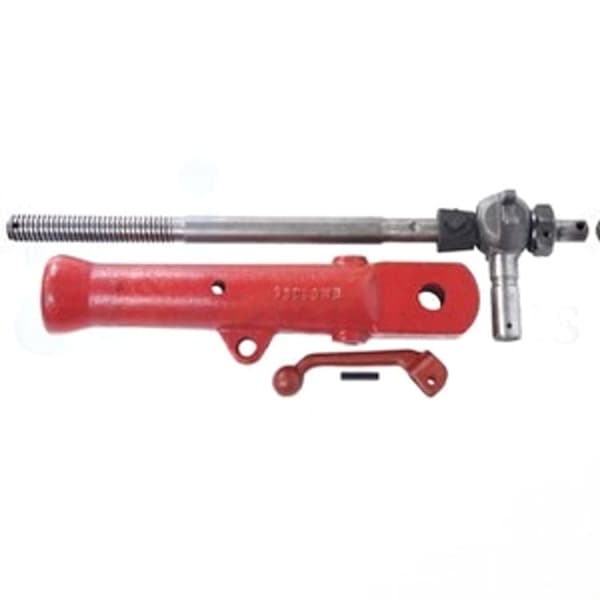
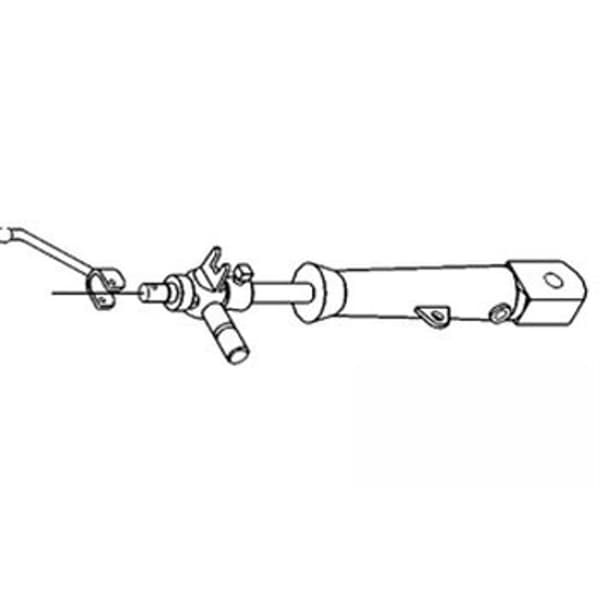
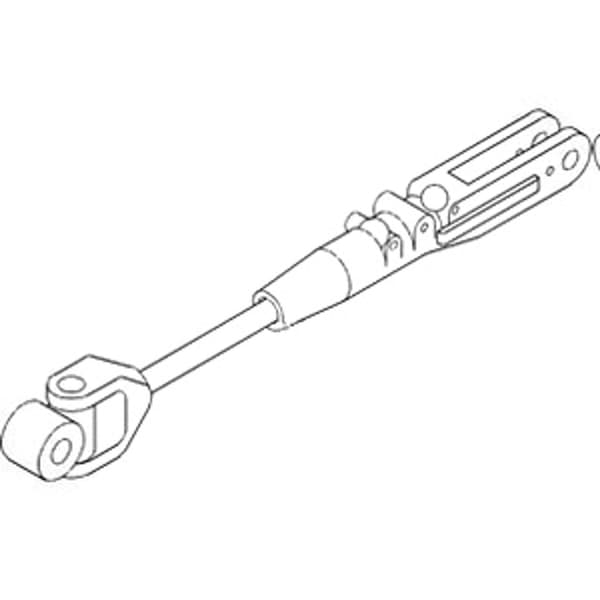
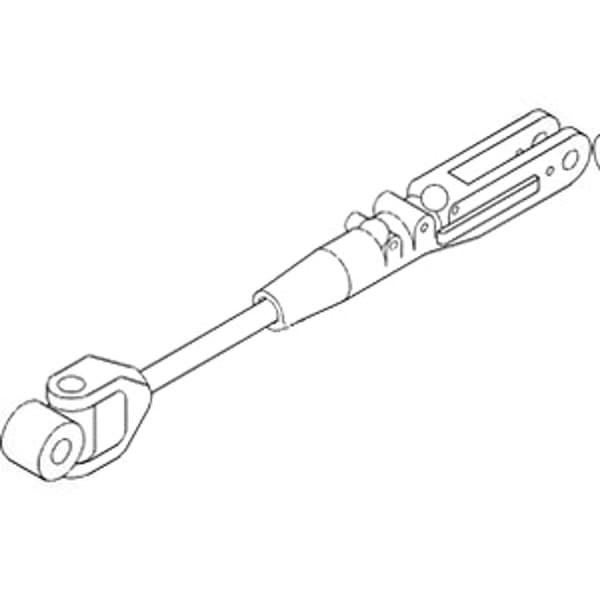
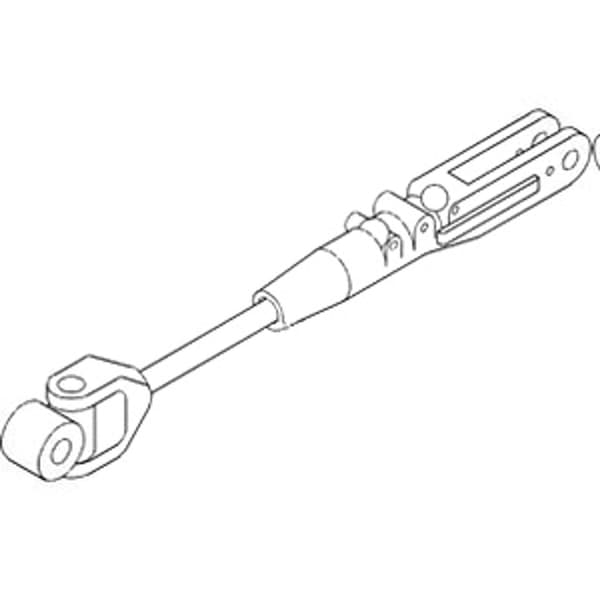
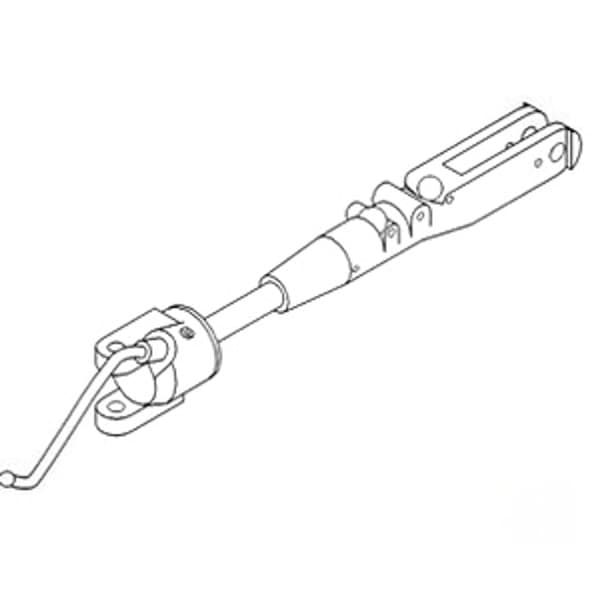
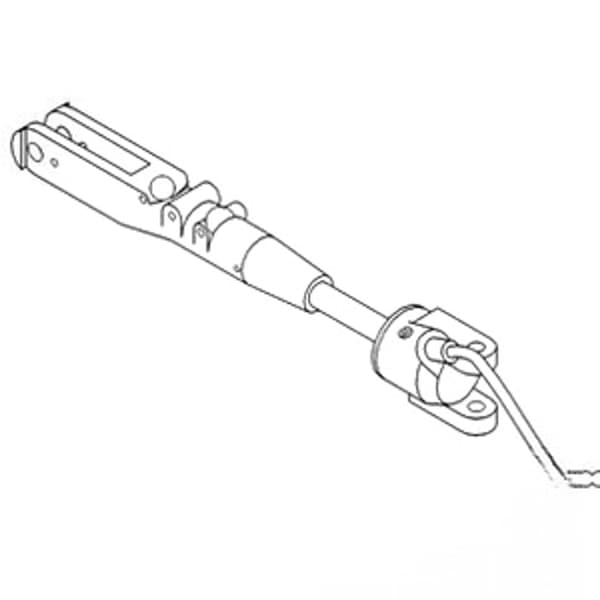
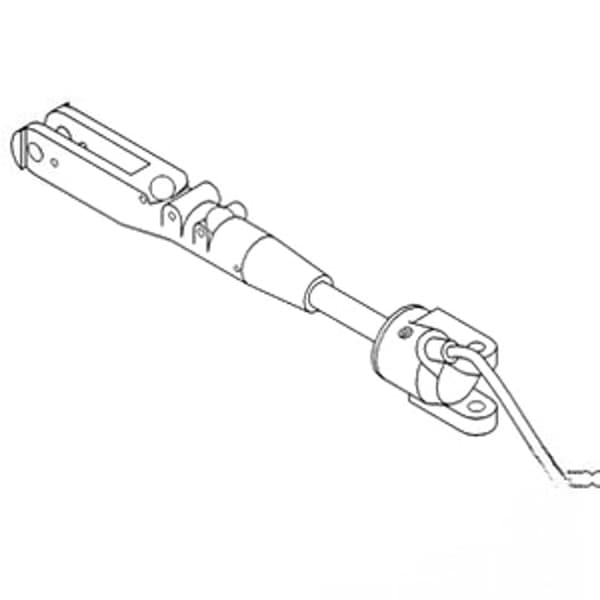
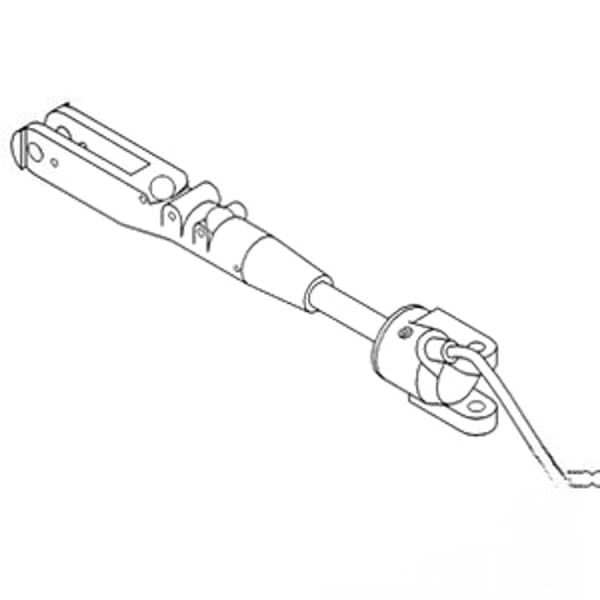
🔍 Looking for a specific part? Try our AI Part Finder — tell it your equipment and what you need, and it will find matching parts instantly.
3-Point Backhoe Attachments
A 3-point backhoe attachment connects to your tractor's existing 3-point hitch system. This system typically consists of two lower lift arms and a top link that connect to the backhoe frame. This setup is popular due to its relative simplicity and lower initial cost.
Advantages of 3-Point Backhoes:
- Lower Cost: Generally, 3-point backhoes are less expensive than subframe models.
- Easy Installation: Mounting a 3-point backhoe is usually straightforward, as it utilizes the existing 3-point hitch. You can typically attach or detach it relatively quickly.
- Compatibility: Many tractors come standard with a 3-point hitch, making these backhoes compatible with a wide range of models from brands like John Deere, Kubota, and Massey Ferguson.
Disadvantages of 3-Point Backhoes:
- Stress on Tractor: 3-point hitches aren't designed for the high stress of backhoe operation. Over time, this can lead to damage to the tractor's rear housing and potentially the hydraulic system. Always consult your tractor's owner's manual for weight limits and recommendations.
- Reduced Stability: 3-point mounted backhoes can sometimes feel less stable than subframe models, especially when digging in challenging conditions or on uneven terrain.
- Limited Digging Force: Due to the indirect connection, 3-point backhoes may not transfer as much digging force as subframe models.
Pro Tip: When using a 3-point backhoe, ensure the 3-point hitch is locked in place to prevent unwanted movement during operation. Consider adding tractor wheel weights for increased stability. Also, make sure your tractor has sufficient hydraulic pump capacity to operate the backhoe efficiently.
Subframe Backhoe Attachments
A subframe backhoe attachment connects directly to the tractor's frame using a specially designed subframe. This frame distributes the backhoe's weight and digging forces more evenly across the tractor, reducing stress on the rear axle and transmission.
Advantages of Subframe Backhoes:
- Superior Strength and Stability: The subframe provides a much stronger and more stable connection to the tractor, allowing for more powerful digging and reduced risk of damage.
- Improved Digging Force: Subframe attachments transfer digging force more efficiently, resulting in better performance and productivity.
- Reduced Stress on Tractor: By distributing the load across the frame, subframe backhoes minimize stress on the tractor's rear end and transmission, extending the life of your machine.
Disadvantages of Subframe Backhoes:
- Higher Cost: Subframe backhoes are typically more expensive than 3-point models due to the additional materials and engineering involved.
- More Complex Installation: Installing a subframe requires more time and effort, as it involves bolting the frame directly to the tractor chassis.
- Lower Compatibility: Subframes are often specific to certain tractor models. Make sure the subframe is compatible with your tractor's make, model, and year before purchasing. Check compatibility for brands like Case IH, Ford, New Holland, Allis Chalmers, Deutz, International Harvester, Oliver, White, Mahindra, and Zetor.
Important Note: When installing a subframe, be sure to follow the manufacturer's instructions carefully and use the correct torque specifications for all bolts. Improper installation can compromise the strength and stability of the attachment. You may need specialized tools and equipment. Check and tighten bolts regularly after the initial install. Consult a qualified mechanic if you are unsure about any aspect of the installation process.
Choosing the Right Mount: Key Considerations
Selecting the best tractor backhoe attachment depends on several factors:
- Tractor Size and Horsepower: Larger tractors with higher horsepower can typically handle larger, more powerful backhoes. Check your tractor's specifications for recommended attachment sizes and weight limits.
- Type of Work: If you plan to do heavy digging or excavation work regularly, a subframe backhoe is the better choice. For occasional light-duty tasks, a 3-point backhoe may suffice.
- Budget: Consider your budget and balance the initial cost of the attachment with the long-term benefits of increased performance and reduced risk of tractor damage.
- Tractor Compatibility: Ensure the backhoe attachment is compatible with your specific tractor model. Some backhoes require specific hydraulic connections or mounting brackets. Consult your tractor's owner's manual or a qualified mechanic for compatibility information.
Hydraulic Considerations: Ensure your tractor's hydraulic system can handle the backhoe's requirements. Check the hydraulic pump flow rate and pressure specifications of the backhoe and compare them to your tractor's capabilities. If necessary, you may need to upgrade your tractor's hydraulic pump to provide sufficient power. Replace any worn or damaged hydraulic cylinders for optimal performance.
Maintenance and Safety
Proper maintenance is essential for ensuring the safe and reliable operation of your tractor backhoe attachment. Regularly inspect the attachment for signs of wear or damage, such as cracks, loose bolts, or leaking hydraulic hoses. Lubricate all moving parts according to the manufacturer's recommendations. Always follow these safety guidelines:
- Read the Manual: Always consult the backhoe's owner's manual for detailed operating instructions and safety precautions.
- Wear Protective Gear: Wear appropriate personal protective equipment (PPE), including safety glasses, gloves, and steel-toed boots.
- Clear the Area: Before operating the backhoe, clear the area of obstacles and bystanders.
- Operate on Level Ground: Operate the backhoe on level ground whenever possible to prevent tipping or instability.
- Be Aware of Underground Utilities: Before digging, contact your local utility companies to locate any underground lines or cables.
- Proper Shutdown: When not in use, lower the backhoe to the ground and engage the parking brake.
Regularly check and maintain your tractor's engine components. A well-maintained engine is vital for reliable backhoe operation. Replace worn radiators, water pumps, starters, and alternators as needed to ensure optimal performance. Also, inspect filters, gaskets, and belts.
Consider using tractor tire ballast and tractor wheel weights to improve stability during backhoe operation. Refer to our articles on tractor tire sizes explained, compact tractor tires, and tractor tire chains for more information on optimizing your tractor's tires and wheels for backhoe work. For front tires, compare tri-rib, R1, and turf options, and for rear tires, consider R1 ag, R4 industrial, and radial options. Ensure your tractor tire tubes are in good condition.
Conclusion
Choosing the right tractor backhoe attachment is a critical decision that can significantly impact your productivity and the longevity of your tractor. By understanding the differences between 3-point and subframe mounts, you can select the option that best suits your needs and budget. Remember to prioritize safety and perform regular maintenance to ensure years of reliable service.
Madison Tractor Company offers a wide range of parts for tractors and implements, including those mentioned in this article. From John Deere to Kubota and many other brands, we have the clutch kits, PTO parts, fuel pumps, carburetors, injectors, pistons, bearings, and seals you need to keep your equipment running smoothly. If you need help finding the right part, our expert team is always ready to assist you.
Shop Madison Tractor Company today for all your tractor and implement parts needs! You can also use our AI-Powered Part Finder to search for parts by your specific make and model.
Part of our comprehensive guide
Tractor Tire Size Guide: Read Sizes, Find Replacements & Compare Brands