








Tractor Starter & Alternator Guide: Find the Right Parts
Replacement starters, alternators, voltage regulators, and wiring for agricultural tractors. Brand-specific part numbers and cross references.
Understanding Your Tractor's Electrical System
Your tractor's electrical system is the lifeline of many critical functions. It provides the power needed to start the engine, run lights, operate accessories, and, most importantly, keep the battery charged. The two key components in this system are the starter and the alternator. When one fails, your operation grinds to a halt. At Madison Tractor, we understand the urgency of getting your equipment back in service. That's why we offer a wide selection of high-quality starters and alternators for various makes and models, including John Deere, Case IH, Ford/New Holland, Massey Ferguson, and Kubota, as well as less common brands like Allis Chalmers, Deutz, International Harvester, Oliver, White, Gleaner, Vermeer, Hesston, Mahindra, and Zetor.
Recommended Parts for This Guide
10 parts we recommend — in stock, ships fast, one-click add to cart.
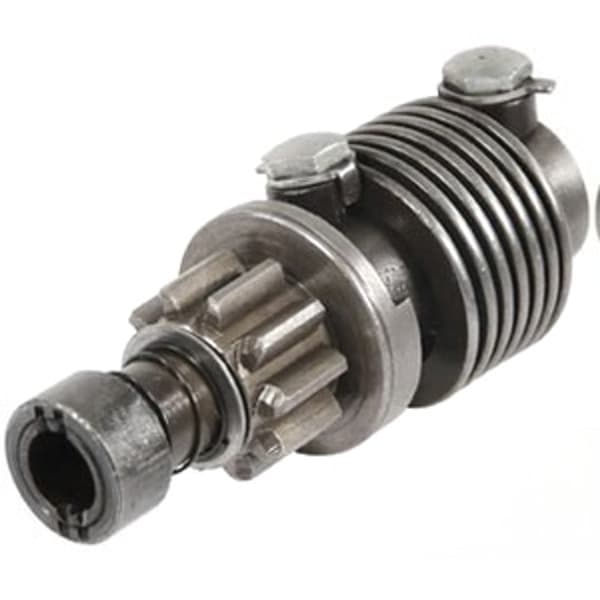
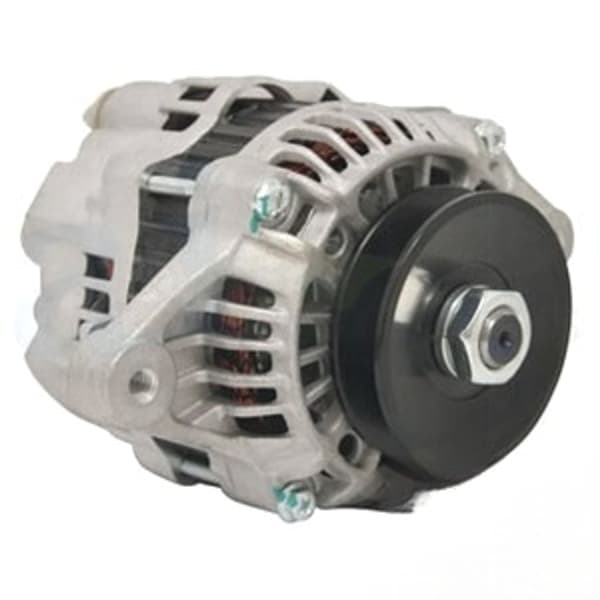
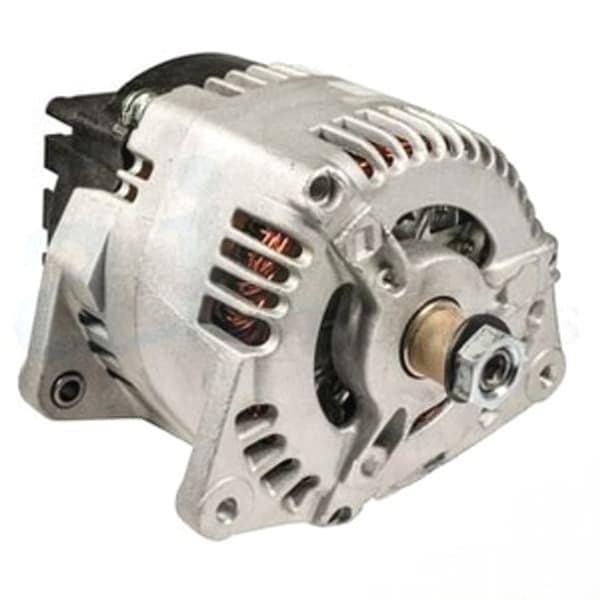
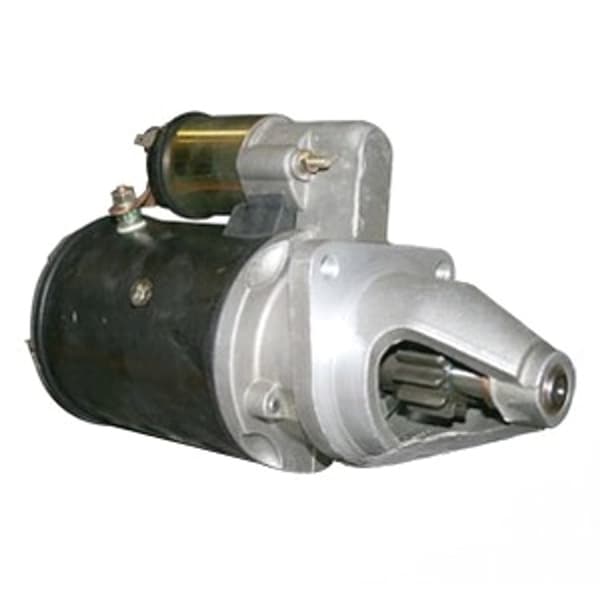
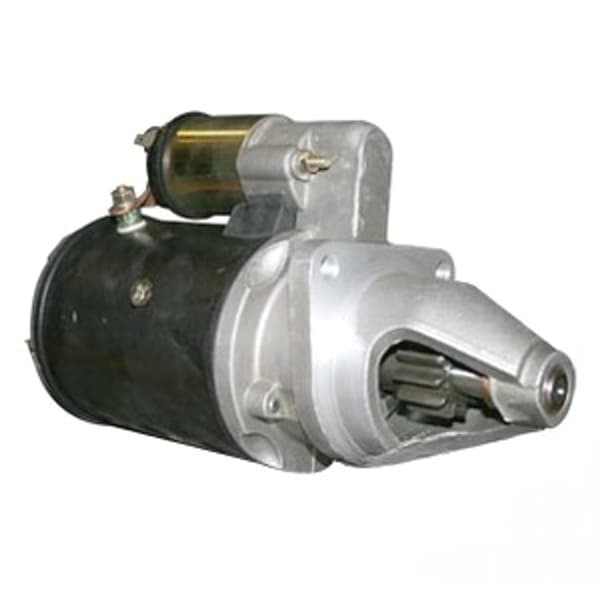
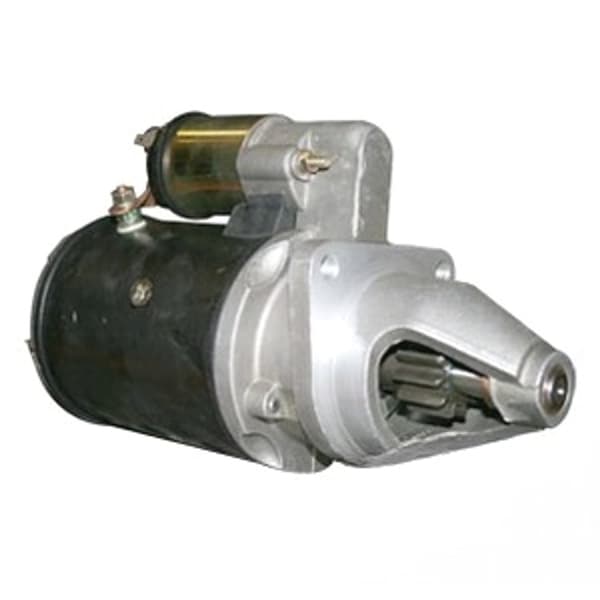
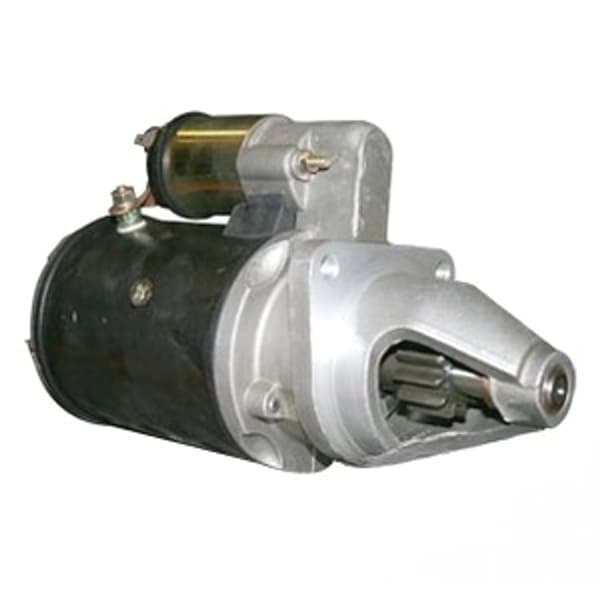
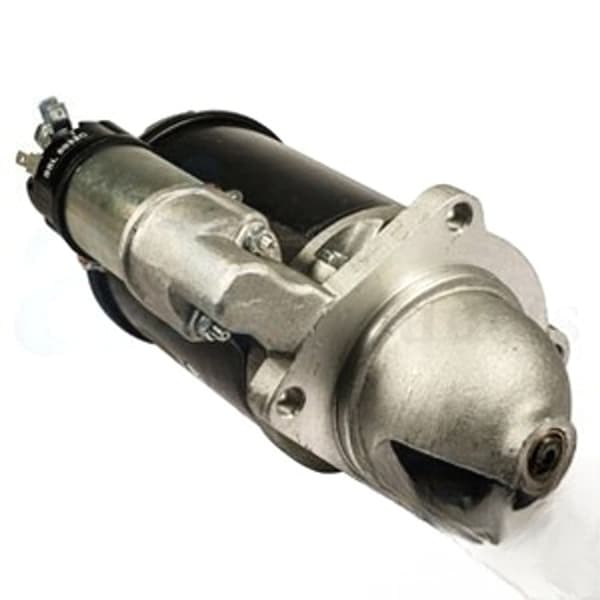
🔍 Looking for a specific part? Try our AI Part Finder — tell it your equipment and what you need, and it will find matching parts instantly.
Beyond starters and alternators, remember that maintaining a healthy electrical system involves checking wiring, battery terminals, and ground connections. Don't forget other components like the radiator and water pump which rely on electricity to cool your engine. A complete assessment can often save you time and money in the long run.
Tractor Starter Motors: The Power to Start
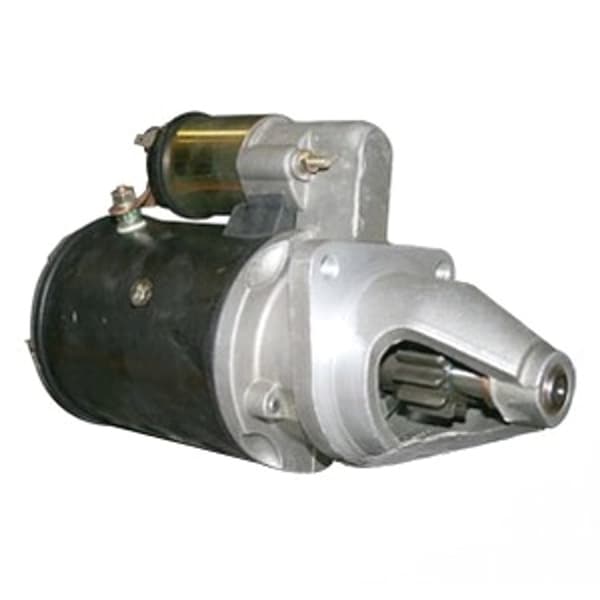
The starter motor is responsible for cranking the engine until combustion takes over. It's a high-torque electric motor that requires a significant amount of current from the battery. Over time, starters can wear out due to internal corrosion, worn brushes, or solenoid failure.
Common Symptoms of a Failing Starter
- Clicking Sound: A single click when you turn the key usually indicates a weak battery or a problem with the solenoid. Multiple clicks can point to a failing starter motor itself.
- Slow Cranking: The engine turns over slowly, struggling to start, even with a fully charged battery.
- Grinding Noise: This indicates worn gears in the starter drive or a damaged flywheel ring gear.
- No Response: Nothing happens when you turn the key. This could be a dead battery, a faulty ignition switch, or a completely failed starter.
- Smoke or Burning Smell: A strong indication of a short circuit or overheating within the starter motor. Stop immediately.
Diagnosing Starter Problems
- Check the Battery: Ensure the battery is fully charged and in good condition. Use a voltmeter to check the voltage; it should be above 12.6 volts when fully charged. Clean the battery terminals to ensure a good connection.
- Inspect the Connections: Check all wiring connections to the starter for corrosion or looseness. Clean and tighten as needed.
- Solenoid Test: Use a jumper cable to bypass the solenoid and directly power the starter motor. If the starter engages, the solenoid is likely the problem. Safety Warning: Exercise extreme caution when bypassing the solenoid. Ensure the tractor is in neutral or park.
- Voltage Drop Test: A voltage drop test can identify excessive resistance in the starter circuit. Use a multimeter to measure the voltage drop across the starter cable while cranking the engine. Excessive voltage drop indicates a problem.
- Professional Testing: If you're unsure, take the starter to a local auto electric shop for professional testing.
Finding the Right Tractor Starter Replacement
When it's time for a tractor starter replacement, accuracy is crucial. Using the incorrect starter can lead to poor performance or even damage your engine. Here's how to find the right part:
- Identify Your Tractor's Make and Model: Knowing the exact year, make, and model of your tractor is essential. For example, a John Deere tractor model 4020 will have a different starter than a John Deere 7200.
- Locate the OEM Part Number: The Original Equipment Manufacturer (OEM) part number is the most reliable way to ensure you get the correct starter. This number can often be found on the old starter itself. Check your tractor's parts manual for the OEM part number.
- Cross-Reference with Aftermarket Options: At Madison Tractor, we provide cross-reference charts to help you find compatible aftermarket starters from reputable brands. For example, if you're looking for a John Deere tractor starter, our cross-reference guide will show you suitable replacements. Similarly, we offer guides for Ford tractor starters, Case IH tractor starters, Massey Ferguson starters, and Kubota starter motors.
- Consult with Our Experts: If you're unsure, our knowledgeable staff at Madison Tractor can help you find the correct starter for your specific tractor. We can cross-reference part numbers, verify compatibility, and answer any questions you may have.
Example: A common starter issue arises with Ford 2000-7000 series tractors. It's essential to know the exact year of manufacture within that range to select the correct Ford tractor starter. An early 2000 model may use a different starter than a later 7700. The same principle applies to Case IH tractor starters; identifying the exact Farmall or other Case IH model is crucial for a successful tractor starter replacement.
Tractor Alternators: Keeping the Battery Charged
The alternator is responsible for generating electricity to power the tractor's electrical system and recharge the battery while the engine is running. A failing alternator can lead to a dead battery and prevent the tractor from starting.
Common Symptoms of a Failing Alternator
- Dim Lights: Dim or flickering headlights, especially at low engine speeds, indicate insufficient charging.
- Dead Battery: A battery that repeatedly dies, even after being charged, could be a sign of a failing alternator.
- Warning Light: The battery warning light on the instrument panel illuminates, indicating a charging system problem.
- Slow Accessories: Slow or erratic operation of electrical accessories, such as the radio or windshield wipers.
- Growling Noise: A whining or growling noise coming from the alternator indicates worn bearings or a failing diode.
Diagnosing Alternator Problems
- Visual Inspection: Check the alternator for any visible damage, such as cracked housing, loose wires, or burnt connections.
- Battery Voltage Test: With the engine running, use a voltmeter to check the battery voltage. It should be between 13.5 and 14.5 volts. If it's lower, the alternator may not be charging properly.
- Alternator Output Test: Use an alternator tester to measure the alternator's output current and voltage under load. This test can determine if the alternator is producing sufficient power.
- Diode Test: Use a multimeter to test the alternator diodes. A faulty diode can cause the alternator to malfunction.
- Belt Inspection: Ensure the alternator belt is in good condition and properly tensioned. A loose or worn belt can cause the alternator to slip, reducing its output.
Finding the Right Tractor Alternator Replacement
Similar to starters, selecting the correct replacement alternator is crucial for proper operation. Follow these steps:
- Identify Your Tractor's Make and Model: Accurate identification is key.
- Locate the OEM Part Number: Find the OEM part number on the old alternator or in your tractor's parts manual.
- Match the Amp Rating: The alternator's amp rating (e.g., 65 amp, 100 amp) must match the original specification or be a suitable upgrade. Using an alternator with a lower amp rating can lead to insufficient charging, while a significantly higher rating may strain the electrical system.
- Cross-Reference with Aftermarket Options: At Madison Tractor, we offer cross-reference charts for various tractor brands, including John Deere tractor alternators and Case IH tractor alternators. These charts help you find compatible aftermarket alternators.
- Consider a Conversion (Ford Tractors): For older Ford tractors with generators, consider a Ford tractor alternator conversion kit. These kits replace the generator with a more efficient and reliable alternator.
Example: If you're replacing the alternator on a John Deere 4440 tractor, you'll need to know the original amp rating. The John Deere tractor alternator guide will provide the correct OEM part number and suggest suitable aftermarket replacements.
Installation Tips and Best Practices
Whether you're tackling a tractor starter replacement or an alternator swap, following these best practices will ensure a successful installation:
- Disconnect the Battery: Always disconnect the negative battery cable before working on any electrical components. This prevents accidental shorts and electrical shocks.
- Clean the Mounting Surfaces: Clean the mounting surfaces of the starter or alternator to ensure a good electrical ground.
- Tighten Connections: Use the correct torque specifications when tightening electrical connections. Overtightening can damage the terminals, while undertightening can lead to loose connections and voltage drops. Consult your tractor's service manual for torque specifications.
- Inspect Wiring: Carefully inspect the wiring harness for any damaged or frayed wires. Replace any damaged wires before installing the new component.
- Use Dielectric Grease: Apply a small amount of dielectric grease to electrical connections to prevent corrosion.
- Test the System: After installation, start the tractor and verify that the charging system is functioning correctly. Check the battery voltage with the engine running to ensure the alternator is charging properly.
Safety Warning: Always wear safety glasses and gloves when working on your tractor's electrical system. If you are not comfortable working with electrical components, consult a qualified mechanic.
Preventative Maintenance
Regular maintenance can extend the life of your starter and alternator and prevent costly breakdowns:
- Keep the Battery Clean and Charged: A healthy battery is essential for the proper operation of the starter and alternator. Clean the battery terminals regularly and ensure the battery is fully charged, especially during periods of inactivity.
- Inspect Wiring: Regularly inspect the wiring harness for any damaged or frayed wires. Repair or replace any damaged wires immediately.
- Check Belt Tension: Ensure the alternator belt is properly tensioned. A loose belt can cause the alternator to slip, reducing its output.
- Grease Bearings: If your alternator has grease fittings, grease the bearings regularly to prevent wear.
- Protect from the Elements: Protect the starter and alternator from excessive moisture and dirt. This can help prevent corrosion and extend their lifespan.
Remember to check all other essential parts, too. Regular maintenance extends beyond electrical components to radiators, water pumps, hydraulic pumps, cylinders, clutch kits, PTO parts, fuel pumps, carburetors, injectors, filters, gaskets, pistons, bearings, seals, belts, chains, concaves, and sickle sections. Addressing these issues early can prevent larger problems and costly repairs down the road.
Shop Tractor Starters and Alternators at Madison Tractor
At Madison Tractor, we're committed to providing you with the highest quality tractor parts at competitive prices. Whether you need a starter, an alternator, or any other part for your John Deere, Case IH, Ford/New Holland, Massey Ferguson, Kubota, or other tractor, we have you covered. Browse our extensive online catalog or contact our knowledgeable staff for assistance. We stock a wide range of parts, including radiators, water pumps, hydraulic pumps, cylinders, clutch kits, PTO parts, fuel pumps, carburetors, injectors, filters, gaskets, pistons, bearings, seals, and more. Shop Tractor Parts today and keep your equipment running smoothly! You can also use our AI-Powered Part Finder to search for parts by your specific make and model.
In This Guide
Shop Related Parts
Browse All PartsRelated Articles
John Deere Tractor Starter: OEM Part Numbers & Cross Reference
Having trouble starting your John Deere tractor? This guide covers common starter issues, OEM part numbers, cross-reference information, and step-by-step troubleshooting to get your Deere running smoothly. Find the right starter for your John Deere today!
Read ArticleFord Tractor Starter: 2000-7000 Series & New Holland
Troubleshooting your Ford tractor starter? This comprehensive guide covers common issues, replacement tips, and compatible starters for Ford 2000-7000 series and New Holland models. Find the right starter and get back to work.
Read ArticleCase IH Tractor Starter Motor: All Models & Farmall
A malfunctioning starter motor can bring your Case IH tractor to a standstill. This guide helps you diagnose issues, find the right replacement, and get back in the field. We cover common problems, Farmall models, and troubleshooting tips.
Read ArticleMassey Ferguson Starter Motor: Models 35 to 399
Having trouble starting your Massey Ferguson tractor? This guide covers common starter motor problems, troubleshooting tips, and replacement options for models 35 to 399. Find the right starter at Madison Tractor!
Read ArticleKubota Tractor Starter: B, L & M Series Part Numbers
Is your Kubota tractor struggling to start? This guide provides part numbers and troubleshooting advice for Kubota B, L, and M series starter motors, helping you diagnose the problem and find the right replacement.
Read ArticleJohn Deere Tractor Alternator: Amp Ratings & Part Numbers
Selecting the correct alternator for your John Deere tractor is crucial for maintaining optimal performance. This guide covers amp ratings, part numbers, and troubleshooting tips to help you keep your tractor running smoothly. Find the right alternator for your John Deere at Madison Tractor!
Read ArticleFord Tractor Alternator Conversion: Generator to Alternator
Upgrade your Ford tractor's electrical system by converting from a generator to a more powerful and reliable alternator. This guide provides a detailed, step-by-step process for a successful conversion, ensuring improved performance and longevity.
Read ArticleCase IH Tractor Alternator: OEM Replacements by Model
A failing alternator can bring your Case IH tractor to a standstill. This guide helps you diagnose alternator problems, find the correct OEM replacement, and keep your tractor running reliably. Find Case IH alternators and more at Madison Tractor!
Read ArticleMassey Ferguson Alternator: Upgrade & Replacement Guide
Is your Massey Ferguson alternator failing? This guide covers troubleshooting, replacement options, and upgrades. Get your tractor running reliably with our expert advice.
Read ArticleTractor Voltage Regulator: Testing & Replacement Guide
Is your tractor battery constantly dying or overcharging? A faulty voltage regulator could be the culprit. This guide provides step-by-step instructions for testing and replacing your tractor's voltage regulator to keep your electrical system running smoothly.
Read ArticleFord 8N Starter Replacement: 6V to 12V Conversion
Converting your Ford 8N from a 6-volt to a 12-volt electrical system can improve starting reliability. This guide covers everything you need to know about Ford 8N starter replacement and 12V conversion.
Read ArticleJohn Deere 4020 Starter: Gas & Diesel Part Numbers
Replacing the starter on your John Deere 4020? This guide provides OEM part numbers for gas and diesel models, troubleshooting tips, and where to find reliable replacement starters. Get your 4020 running smoothly again!
Read ArticleTractor Glow Plug Replacement: Diesel Starting Troubleshoot
Is your diesel tractor struggling to start, especially in cold weather? The issue might be your tractor glow plugs. This guide helps you diagnose and replace faulty glow plugs, ensuring reliable starts for your farm equipment.
Read ArticleFord Tractor 12V Conversion: 2N, 8N & 9N Wiring Guide
Converting your Ford 2N, 8N, or 9N tractor to a 12-volt system can improve starting reliability and allow for brighter lights. This guide provides a comprehensive, step-by-step approach to the conversion process, including wiring diagrams and parts recommendations.
Read ArticleTractor Ignition Switch: Wiring & Replacement by Brand
A faulty tractor ignition switch can leave you stranded. This guide covers common problems, wiring diagrams, and replacement procedures for various tractor brands including John Deere, Ford, Case IH, and Kubota. Get back to work quickly with our expert advice.
Read ArticleJohn Deere Tractor Starter Solenoid: Testing & Parts
Having trouble starting your John Deere tractor? A faulty starter solenoid could be the culprit. This guide provides troubleshooting steps, testing procedures, and replacement information to get your machine running smoothly again.
Read ArticleTractor Wiring Harness Replacement: Brand-Specific Diagrams
Replacing a tractor wiring harness can seem daunting, but with the right diagrams and a methodical approach, it's a manageable task. This guide provides brand-specific information and general tips for a successful harness replacement.
Read ArticleFarmall Tractor Starter: H, M, Super C & Cub Models
Is your Farmall tractor starter giving you trouble? This guide provides expert advice on diagnosing problems and replacing the starter motor on Farmall H, M, Super C, and Cub tractors.
Read ArticleAllis Chalmers Starter Motor: WD, WD45 & D-Series
A comprehensive guide to Allis Chalmers starter motors, focusing on WD, WD45, and D-series tractors. Learn about common issues, troubleshooting tips, and replacement procedures to keep your Allis Chalmers running smoothly.
Read ArticleTractor Battery Size Guide: Group Size & CCA by Brand
Selecting the right tractor battery involves understanding group sizes and Cold Cranking Amps (CCA). This guide helps you choose the correct battery for your tractor, ensuring reliable starting power.
Read ArticleTractor Headlight Replacement: Sealed Beam & LED Upgrade
Don't let a dim or broken headlight slow you down. This guide covers tractor headlight replacement, from sealed beams to modern LED upgrades, ensuring you have the right light for the job. Improve safety and productivity with clear visibility.
Read ArticleJohn Deere Alternator Not Charging: Troubleshooting Guide
Having trouble with your John Deere alternator? This guide provides troubleshooting steps to diagnose and fix a charging problem. From checking connections to testing the alternator itself, we'll help you get back up and running.
Read ArticleFord Tractor Voltage Regulator: Testing & Wiring
Having trouble with your Ford tractor's charging system? This guide covers testing and wiring the voltage regulator on common Ford tractor models. Get your electrical system running smoothly again!
Read ArticleTractor Safety Switch: Seat, PTO & Neutral Start
Tractor safety switches are crucial for preventing accidents. This guide covers common types (seat, PTO, neutral start), troubleshooting tips, and replacement part info to keep your farm equipment operating safely.
Read ArticleKubota Glow Plug Replacement: All Diesel Models
Struggling with hard starts on your Kubota diesel tractor? This guide provides a comprehensive walkthrough on replacing your glow plugs, covering common issues, troubleshooting, and step-by-step instructions. Ensure reliable starts and extend the life of your Kubota.
Read ArticleMassey Ferguson Wiring Diagram: 35, 135, 165 & 265
Working on the electrical system of your Massey Ferguson 35, 135, 165, or 265? A reliable wiring diagram is essential. This guide provides wiring diagrams and troubleshooting tips to help you get your tractor back in working order. Madison Tractor carries a wide selection of <a href='/products/massey-ferguson/tractor'>Massey Ferguson parts</a>.
Read ArticleTractor LED Light Bar: Mounting & Wiring for Farm Use
Improve visibility on your farm with LED light bars! This guide provides step-by-step instructions for mounting and wiring tractor LED lights on various tractor models, including John Deere, Case IH, and Ford. Learn about safe wiring practices and essential components to ensure a reliable and bright lighting system for your agricultural equipment.
Read ArticleJohn Deere Tractor Fuse Box: Location & Diagram by Model
Locating the fuse box on your John Deere tractor is crucial for troubleshooting electrical issues. This guide provides fuse box locations and diagrams for many popular John Deere models to help you get back to work quickly.
Read ArticleFord NAA Jubilee Tractor Wiring: Complete Diagram
Restoring or troubleshooting the electrical system on your Ford NAA Jubilee tractor? This guide provides a complete Ford NAA wiring diagram, along with helpful tips and advice for diagnosing and repairing common electrical problems. Find the right parts to keep your Jubilee running strong.
Read ArticleTractor Starter Relay: Wiring, Testing & Replacement
Having trouble starting your tractor? The starter relay could be the culprit. This guide covers diagnosing, wiring, and replacing your tractor's starter relay, ensuring a smooth start every time.
Read ArticleDeutz Tractor Starter Motor & Alternator Parts
Deutz tractors are known for their reliability, but even the best machines can experience electrical issues. This guide covers common Deutz tractor starter and alternator problems, troubleshooting tips, and where to find the right replacement parts.
Read ArticleOliver Tractor Starter: 77, 88, 770 & 1800 Series
Is your Oliver tractor struggling to start? This guide covers common issues with starters on Oliver 77, 88, 770, and 1800 series tractors, offering troubleshooting steps and replacement part information.
Read ArticleTractor Magneto: Rebuild vs Replace for Antique Tractors
Antique tractors rely on magnetos for ignition. This guide helps you decide whether to rebuild your existing magneto or replace it with a new or remanufactured unit, covering diagnosis, repair options, and tips for brands like John Deere, Ford, and Case IH.
Read ArticleJohn Deere 3020 Starter: Gas, Diesel & LP Models
Is your John Deere 3020 starter failing? This guide covers common issues, troubleshooting steps, and replacement options for gas, diesel, and LP models. Get your tractor running smoothly again!
Read ArticleNew Holland Tractor Starter: TC, TN & TS Series
Having trouble starting your New Holland TC, TN, or TS series tractor? This guide covers common starter issues, troubleshooting tips, replacement advice, and part numbers to get you back in the field.
Read ArticleTractor Hour Meter: Replacement & Installation Guide
Keep accurate track of your tractor's runtime with a functioning hour meter. This guide covers hour meter types, troubleshooting, replacement, and installation tips to keep your equipment running smoothly.
Read ArticleFarmall H Wiring Diagram: 6V Original & 12V Conversion
Is your Farmall H's wiring giving you trouble? This comprehensive guide covers both the original 6V system and popular 12V conversion options. We'll provide diagrams, troubleshooting tips, and guidance to get your tractor running smoothly.
Read ArticleMahindra Tractor Starter Motor: All Models
Having trouble starting your Mahindra tractor? This guide covers common starter motor issues, troubleshooting tips, replacement steps, and where to find the right parts to get your tractor running smoothly again.
Read ArticleTractor Tail Light & Warning Light Replacement
Properly functioning tail lights and warning lights are crucial for tractor safety. This guide covers everything from identifying faulty lights to replacement procedures, ensuring your equipment is safe and compliant on the road and in the field.
Read ArticleJohn Deere 4440 Alternator: High-Output Upgrade Options
Is your John Deere 4440's electrical system struggling? Learn how to upgrade your alternator for improved performance. Explore high-output options and get your tractor running at its best with Madison Tractor!
Read ArticleFord 3000 Tractor Starter: Replacement & Rebuild
Having trouble with your Ford 3000 tractor starter? This guide covers common problems, troubleshooting steps, replacement procedures, and even a look at rebuilding your existing starter. Get your Ford 3000 running reliably again!
Read ArticleConvert Tractor Generator to Alternator: Step by Step
Older tractors often use generators, which can be less reliable than modern alternators. This guide provides a step-by-step process for converting your tractor's generator system to a more efficient and dependable alternator, improving its performance and reliability.
Read ArticleCase DC, SC & VA Tractor Starter: Antique Models
Troubleshooting starter problems on your vintage Case DC, SC, or VA tractor can be frustrating. This guide helps diagnose common issues, identify replacement parts, and keep your classic tractor running reliably.
Read ArticleTractor Instrument Cluster: Gauges & Sending Units
The tractor instrument cluster is your primary source of information about your machine's vital functions. This guide explains the gauges, sending units, and how to troubleshoot common problems to keep your tractor running smoothly.
Read ArticleZetor Tractor Starter & Alternator Parts
Keep your Zetor tractor running smoothly with our comprehensive guide to Zetor tractor starters and alternators. We cover troubleshooting tips, common issues, and how to find the right replacement parts at Madison Tractor.
Read ArticleJohn Deere 2010 Starter: Gas & Diesel Replacements
Replacing the starter on your John Deere 2010 tractor can be a straightforward process with the right knowledge. This guide provides a step-by-step approach for both gas and diesel models, ensuring a successful repair and getting you back in the field.
Read ArticleTractor Starter Drive (Bendix): How It Works & Replacement
The tractor starter drive, often called a Bendix, is a crucial component for starting your engine. This guide explains its operation, common issues, troubleshooting steps, and how to replace it when necessary, ensuring your tractor starts reliably.
Read ArticleFord Tractor Distributor: Electronic Ignition Upgrade
Tired of points and condenser issues on your Ford tractor? Upgrading to an electronic ignition system can dramatically improve reliability and performance. This guide provides a step-by-step process and helps you select the right parts.
Read ArticleTractor Cranks Slow: Starter & Battery Troubleshooting
A slow-cranking tractor can be frustrating. This guide helps you diagnose battery and starter issues in your tractor. Learn troubleshooting steps for a faster, more reliable start.
Read Article