








John Deere Tractor Fuse Box: Location & Diagram by Model
Locating the fuse box on your John Deere tractor is crucial for troubleshooting electrical issues. This guide provides fuse box locations and diagrams for many popular John Deere models to help you get back to work quickly.
Introduction to John Deere Tractor Fuse Boxes
Electrical problems can bring your work to a standstill. Knowing the location of your John Deere tractor fuse box, and understanding its diagram, is essential for quick diagnostics and repairs. Fuses are a vital safety component in your tractor's electrical system, protecting sensitive components from damage due to overcurrent. A blown fuse is often the first sign of a problem, and replacing it is the first step in troubleshooting. For common repairs, we stock ATC 30 Amp fuses in convenient multi-packs. Ignoring a blown fuse and repeatedly replacing it without addressing the underlying issue can lead to more serious and expensive repairs.
Recommended Parts for This Guide
7 parts we recommend — in stock, ships fast, one-click add to cart.
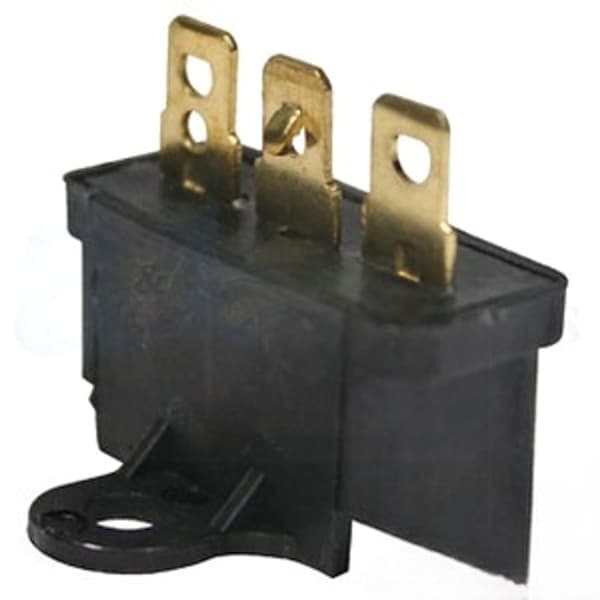
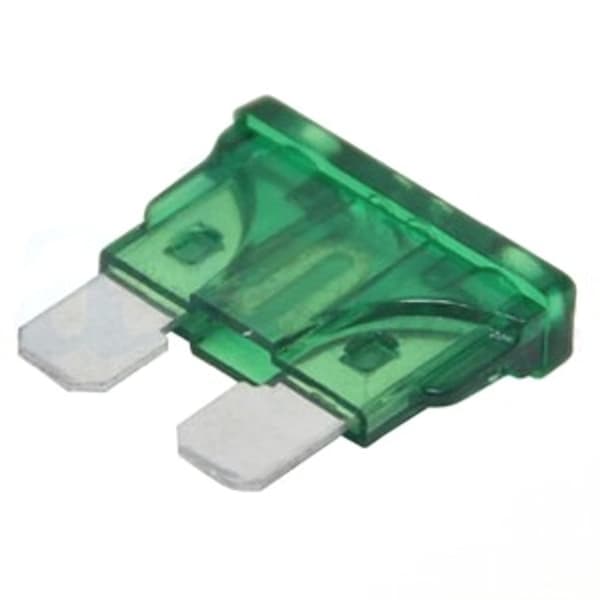
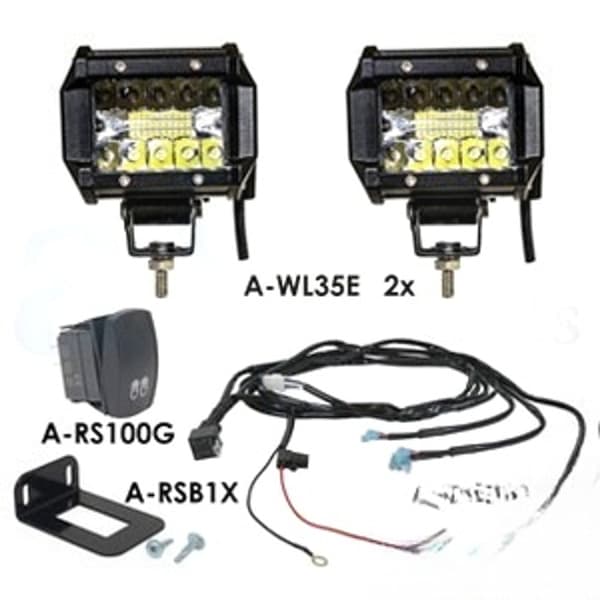
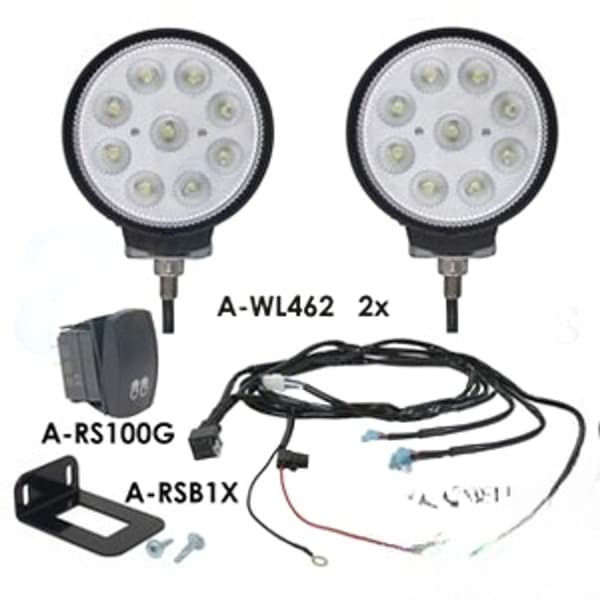
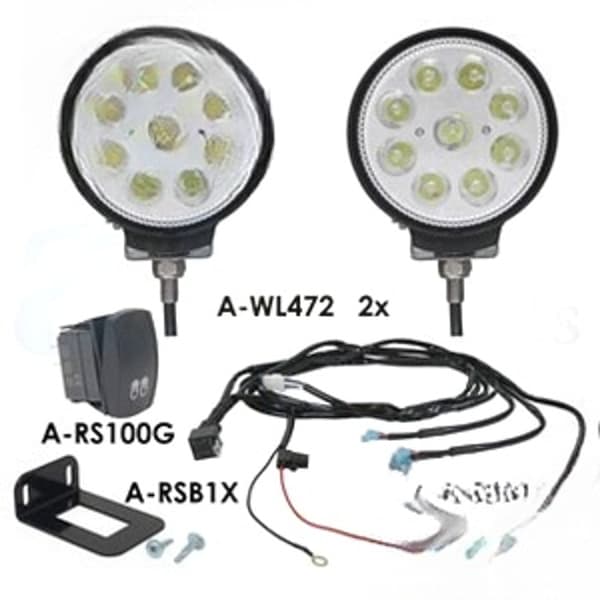
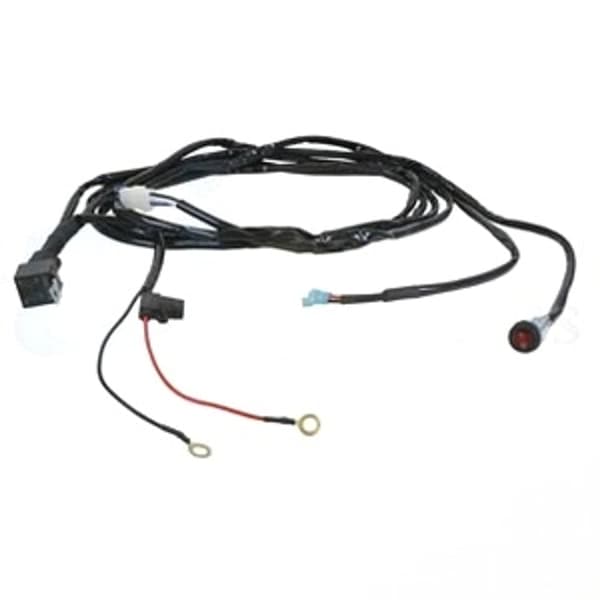
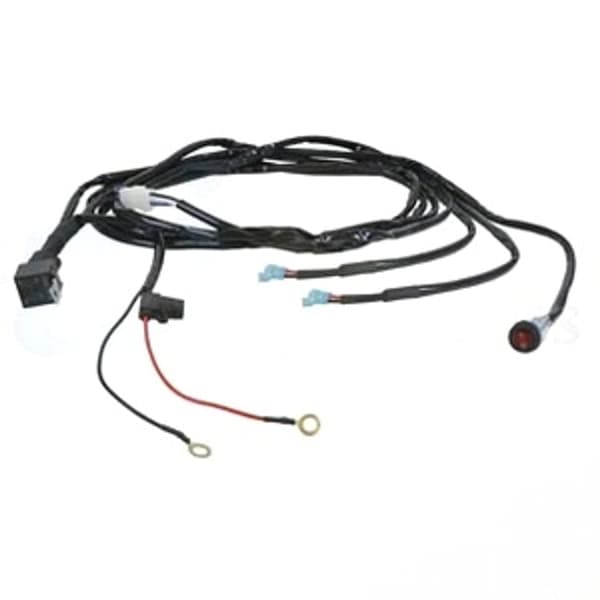
🔍 Looking for a specific part? Try our AI Part Finder — tell it your equipment and what you need, and it will find matching parts instantly.
At Madison Tractor Company, we understand the importance of keeping your equipment running. That's why we offer a wide selection of John Deere tractor parts, including fuses, specialized wiring harnesses (such as those for ILS, wheel angle, ACS/AutoTrac), cab roof pressure switch wiring harnesses, adapter harnesses, alternators, starters, and other electrical components, as well as mechanical parts like radiators and water pumps. We carry parts for other major brands, including Case IH, Ford, New Holland, Massey Ferguson, Kubota, Allis Chalmers, Deutz, International Harvester, Oliver, White, Gleaner, Vermeer, Hesston, Mahindra and Zetor. This article will guide you in locating the fuse box on your John Deere tractor and understanding the fuse layout. Please remember to consult your John Deere tractor's operator manual for the most accurate and up-to-date information specific to your model.
General Fuse Box Locations on John Deere Tractors
While the exact location varies depending on the model and year, here are some common places where you might find the fuse box on your John Deere tractor:
- Under the hood: Often near the battery or along the firewall.
- Inside the cab: Commonly located under the dashboard, on a side console, or behind a removable panel.
- On the fender: Some models, particularly older ones, may have a fuse box mounted on one of the fenders.
Look for a rectangular or square box with a cover, often labeled with a fuse diagram. For new installations or upgrades, we also offer 4-fuse block holder harness kits.
Specific John Deere Tractor Models and Fuse Box Locations
Here's a look at fuse box locations for some popular John Deere tractor models. Remember to always consult your operator's manual for the most accurate information for *your* specific tractor.
John Deere 4020 Tractor
On the John Deere 4020, the fuse box is typically located under the hood, on the left-hand side when facing the tractor. It's usually attached to the firewall. The 4020 utilizes a relatively simple fuse system compared to newer tractors. Early models had fewer fuses; later models incorporated more to protect additional circuits. If you are experiencing issues with your John Deere tractor starter, be sure to check the fuse associated with the starting circuit.
John Deere 3020 Tractor
Similar to the 4020, the John Deere 3020's fuse box is found under the hood, often on the left-hand side or on the firewall. Older 3020 models may have even fewer fuses than the 4020.
John Deere 4010 Tractor
The fuse box location mirrors the 3020 and 4020 models: under the hood, typically on the left side or firewall. It's crucial to verify the fuse ratings against the diagram to ensure correct replacement fuses are used.John Deere 4050 Tractor
The John Deere 4050 typically houses its fuse panel inside the tractor cab, located on the right-hand side console. This is a move towards improved accessibility and protection from the elements compared to the older models with under-hood fuse boxes. The 4050 has a more complex electrical system than earlier models like the 4020 and therefore uses more fuses. If you suspect an issue with your charging system, check the fuses associated with your John Deere tractor alternator, and consider if a thermal limiter fuse might be a component in that circuit.
John Deere 4440 Tractor
Like the 4050, the 4440 has its fuse panel inside the cab on the right-hand side console. This placement helps keep the electrical components protected from the elements.
John Deere 5075E Tractor
The fuse box on the John Deere 5075E is often located under the dashboard, on the right-hand side. You may need to remove a small panel to access it.
John Deere 6110 Tractor
On the John Deere 6110, look for the fuse box inside the cab, usually located on the right-hand side console, possibly behind a small access panel.
Understanding John Deere Tractor Fuse Diagrams
Once you've located the fuse box, you'll need to understand the fuse diagram. This diagram shows the location of each fuse and what circuit it protects. Diagrams are usually printed on the inside of the fuse box cover or in the operator's manual. Here's what you need to know:
- Fuse Number: Each fuse is assigned a number.
- Circuit Description: The diagram will tell you what the fuse protects (e.g., headlights, turn signals, fuel pump, starter solenoid).
- Fuse Amp Rating: This indicates the maximum current the fuse can handle before blowing. It's crucial to replace a blown fuse with a new fuse of the same amp rating. Using a higher amp rating can damage the circuit.
- Symbols: Some diagrams use symbols to represent different circuits. Refer to your operator's manual for a legend.
Example Fuse Diagram Interpretation:
Let's say your diagram shows:
Fuse #5: Headlights - 15 Amp
This means fuse number 5 protects the headlight circuit and should be a 15-amp fuse. If your headlights aren't working, check fuse #5 first.
Troubleshooting Electrical Problems Using Fuses
- Identify the Problem: What electrical component isn't working?
- Consult the Fuse Diagram: Find the fuse that protects the circuit for that component.
- Inspect the Fuse: Remove the fuse and visually inspect it. Look for a broken filament inside the glass or a blackened appearance. A fuse puller tool can make this easier.
- Test the Fuse (Optional): Use a multimeter to test the fuse for continuity. If there's no continuity, the fuse is blown.
- Replace the Fuse: Replace the blown fuse with a new fuse of the same amp rating.
- Test the Component: See if the electrical component now works.
- If the Fuse Blows Again: If the new fuse blows immediately or shortly after, there's likely a short circuit or other problem in the circuit. Do not continue replacing fuses. Seek professional help from a qualified mechanic.
Common Electrical Problems & Related Parts
- Starting Problems: Check the starter fuse and the starter itself. We carry John Deere tractor starters as well as starters for Ford, Case IH, Massey Ferguson and Kubota tractors.
- Charging Problems: Check the alternator fuse and the alternator itself. Madison Tractor offers a range of John Deere tractor alternators.
- Lighting Problems: Check the headlight, taillight, and turn signal fuses. If you're installing auxiliary lighting, consider our 1-light or 2-light illuminated rocker switch harness kits for a complete solution. For comprehensive LED lighting solutions, explore our Trapezoid, Spot, or Flood LED light kits.
- Fuel Delivery Problems: On some models, a fuse protects the electric fuel pump circuit. Check the fuse if your tractor is not getting fuel.
For specific air conditioning system diagnostics, we also offer an A/C thermal fuse removal kit. For comprehensive A/C system upgrades, such as converting to a new compressor style, we also stock the A6 conversion kit.
Beyond the electrical system, we also stock essential parts for other systems, including hydraulic pumps, clutch kits, PTO parts, fuel pumps, carburetors, and a wide selection of filters.
Conclusion
Knowing the location of your John Deere tractor's fuse box and understanding its diagram is a valuable skill for any tractor owner. By following the steps outlined in this article, you can quickly diagnose and resolve many common electrical problems. Always remember to prioritize safety and consult your operator's manual for specific information related to your model.
When you need quality replacement parts for your John Deere or other agricultural equipment, turn to Madison Tractor Company. We offer a wide selection of parts at competitive prices, with fast shipping and excellent customer service. Browse our online catalog today and get your tractor back in the field!
🔍 Can't Find Your Part?
Use our AI-Powered Part Finder to search by your equipment's make, model, and what you need. It's the fastest way to find the exact part for your machine.
Try the Part Finder →Part of our comprehensive guide
Tractor Starter & Alternator Guide: Find the Right Parts