








New Holland Tractor Starter: TC, TN & TS Series
Having trouble starting your New Holland TC, TN, or TS series tractor? This guide covers common starter issues, troubleshooting tips, replacement advice, and part numbers to get you back in the field.
Introduction to New Holland tractor starters
The New Holland TC, TN TS series tractors are known for their reliability and versatility, making them popular choices for small farms and hobby farmers alike. However, like any piece of machinery, they can experience occasional issues. A common problem is a malfunctioning starter. This article focuses specifically on New Holland tractor starters for the TC, TN TS series, providing troubleshooting tips, replacement guidance relevant part numbers. Remember to check out our main article on Tractor Electrical, Starter & Alternator Parts for a broader overview of tractor electrical systems.
Recommended Parts for This Guide
1 part we recommend — in stock, ships fast, one-click add to cart.
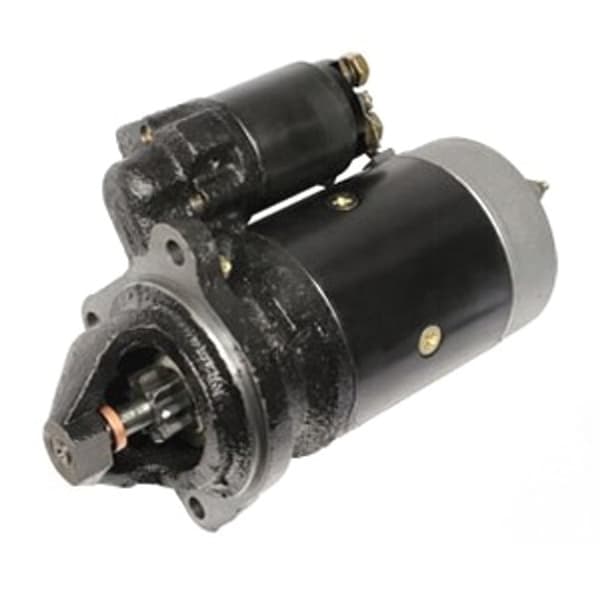
🔍 Looking for a specific part? Try our AI Part Finder — tell it your equipment and what you need, and it will find matching parts instantly.
Understanding Your New Holland Starter System
The starter motor is a critical component responsible for initiating the engine's combustion process. It receives electrical power from the battery and uses it to turn the engine's flywheel, which, in turn, rotates the crankshaft and starts the engine. A typical New Holland tractor starter system consists of the following
- Battery Provides the initial electrical power.
- Starter Solenoid Acts as a relay, connecting the battery to the starter motor when the ignition key is turned.
- Starter Motor The actual motor that spins the engine.
- Ignition Switch Activates the starter circuit.
- Wiring and Connections Connect all components and ensure proper electrical flow.
Common Starter Problems and Troubleshooting
Diagnosing starter problems early can prevent more significant issues down the road. Here are some common symptoms and troubleshooting steps
1. No Crank, No Click
Symptom You turn the key, but nothing happens – no sound at all.
Possible Causes
- Dead Battery The most common culprit. Test the battery voltage with a multimeter. It should read around 12.6 volts when fully charged.
- Faulty Ignition Switch Use a multimeter to check for voltage at the starter solenoid when the key is in the start position.
- Loose or Corroded Connections Inspect all battery cables, ground connections starter wiring for corrosion or looseness. Clean and tighten as needed. Use a wire brush to clean terminals.
- Blown Fuse or Bad Relay Check the starter circuit fuse and relay in the fuse box. Refer to your tractor's operator manual for location and replacement procedures.
- Neutral Safety Switch Ensure the tractor is in neutral or park. A faulty neutral safety switch can prevent the starter from engaging.
2. No Crank, But Clicking Sound
Symptom You hear a rapid clicking sound when you turn the key.
Possible Causes
- Weak Battery The battery may have enough power to activate the solenoid but not enough to turn the starter motor.
- Faulty Starter Solenoid The solenoid may be engaging but not providing enough current to the starter motor.
- Corroded Connections High resistance due to corrosion can prevent sufficient current flow.
3. Slow Cranking
Symptom The engine cranks slowly and struggles to start.
Possible Causes
- Weak Battery A partially discharged battery can cause slow cranking.
- High Resistance in Wiring Corroded or damaged wiring can restrict current flow.
- Worn Starter Motor Brushes inside the starter motor can wear down over time, reducing its efficiency.
- Cold Weather Cold temperatures can thicken engine oil, making it harder for the starter to turn the engine. Consider using a block heater in cold climates.
4. Starter Engages But Doesn't Disengage
Symptom The starter motor continues to run even after the engine has started.
Possible Causes
- Faulty Starter Solenoid The solenoid may be sticking in the engaged position.
- Worn Starter Drive The starter drive mechanism may be binding and not retracting properly.
Replacing Your New Holland Tractor Starter
If troubleshooting indicates a faulty starter motor, replacement is often the best course of action. Here's a general guide
- Safety First Disconnect the negative (-) battery cable to prevent electrical shock.
- Locate the Starter The starter is typically mounted near the engine flywheel housing.
- Disconnect Wires Carefully disconnect the wires attached to the starter solenoid and starter motor. Note their positions for reassembly.
- Remove Mounting Bolts Remove the bolts that secure the starter to the engine.
- Remove the Starter Carefully remove the starter from its mounting location. It might be heavy, so be prepared.
- Install the New Starter Align the new starter with the mounting holes and install the bolts. Torque the bolts to the manufacturer's specifications (typically around 30-40 ft-lbs, but always consult your service manual).
- Reconnect Wires Reconnect the wires to the starter solenoid and starter motor, ensuring they are securely attached.
- Reconnect Battery Reconnect the negative (-) battery cable.
- Test Start the tractor to verify proper operation.
SAFETY WARNING Always disconnect the battery before working on the electrical system. Be careful when handling the starter, as it can be heavy. Consult your tractor's service manual for specific instructions and torque specifications.
New Holland Starter Part Numbers & Cross-References
- 1987586C1: Fits 4700, 276. Replacement: 104668
- A-86982709: Fits 4700, 276. Replacement: 104668
- 86982709R: Fits 4700, 276. Replacement: 104668
- 87350916: Fits 4700, 276. Replacement: 104668
- E3TF-11000-AA: Fits 256. Replacement: 1108698-N
- E3TF11000AA: Fits 256. Replacement: 1108698-N
- E3TZ-11002-B: Fits 256. Replacement: 1108698-N
- E3TZ11002B: Fits 256. Replacement: 1108698-N
TC Series
- TC25, TC29, TC30, TC33, TC35, TC40, TC45 SBA185086530
TN Series
TS Series
- TS90, TS100, TS110, TS115 86513093-N, 82005342
When searching for replacement starters, consider these points
- OEM Part Number The most accurate way to ensure you get the correct starter is to use the original equipment manufacturer (OEM) part number.
- Cross-Reference Numbers Many aftermarket manufacturers provide cross-reference numbers that can help you find a compatible starter.
- Voltage and Tooth Count Ensure the replacement starter has the same voltage (typically 12V) and the same number of teeth on the starter drive as the original.
Maintaining Your New Holland Starter
Preventative maintenance can extend the life of your New Holland tractor starter
- Keep Connections Clean Regularly inspect and clean battery terminals and starter connections to prevent corrosion.
- Maintain Battery Health Ensure your battery is properly charged and in good condition. A weak battery puts extra strain on the starter.
- Avoid Excessive Cranking If the engine doesn't start quickly, avoid prolonged cranking. Give the starter a rest to prevent overheating.
Madison Tractor Company: Your Source for Tractor Parts
At Madison Tractor Company, we understand the importance of keeping your equipment running smoothly. We carry a wide selection of parts for all major brands, including John Deere, Case IH, Ford, New Holland, Massey Ferguson, Kubota, Allis Chalmers, Deutz, International Harvester, Oliver, White, Gleaner, Vermeer, Hesston, Mahindra Zetor. Whether you need radiators, water pumps, starters, alternators, hydraulic pumps, cylinders, clutch kits, PTO parts, fuel pumps, carburetors, injectors, filters, gaskets, pistons, bearings, seals, belts, chains, concaves, or sickle sections, we have the parts you need to get the job done.
Shop with confidence at Madison Tractor Company. Our knowledgeable team is here to help you find the right parts for your New Holland tractor and other agricultural equipment. Browse our extensive online catalog or contact us today for assistance. We also stock starters for John Deere tractors, Ford tractors, Case IH tractors, Massey Ferguson tractors and Kubota tractors. Keep your farm running strong with Madison Tractor Company!
🔍 Can't Find Your Part?
Use our AI-Powered Part Finder to search by your equipment's make, model, and what you need. It's the fastest way to find the exact part for your machine.
Try the Part Finder →Part of our comprehensive guide
Tractor Starter & Alternator Guide: Find the Right Parts