








Tractor Headlight Replacement: Sealed Beam & LED Upgrade
Don't let a dim or broken headlight slow you down. This guide covers tractor headlight replacement, from sealed beams to modern LED upgrades, ensuring you have the right light for the job. Improve safety and productivity with clear visibility.
A functioning headlight is crucial for safe and efficient operation of your tractor, especially during early mornings, late evenings, or in adverse weather conditions. Whether you're plowing fields, moving equipment, or simply navigating your property, a reliable tractor headlight ensures you can see and be seen. This guide will walk you through the process of replacing your tractor's headlights, covering both traditional sealed beam options and modern LED upgrades. We'll cover common issues, troubleshooting tips how to choose the right replacement lights for your John Deere, Case IH, Ford, or other tractor brands. Remember that your lighting system is one part of the larger Tractor Electrical, Starter & Alternator Parts system. Addressing issues early can save you from larger, more complex repairs down the road.
Recommended Parts for This Guide
5 parts we recommend — in stock, ships fast, one-click add to cart.
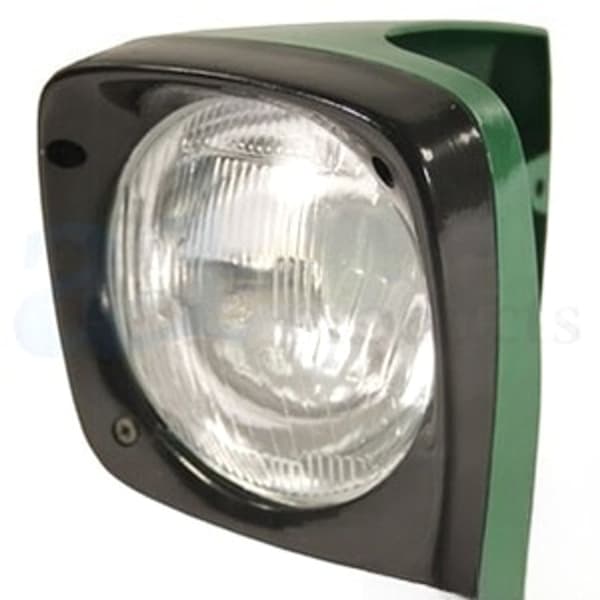
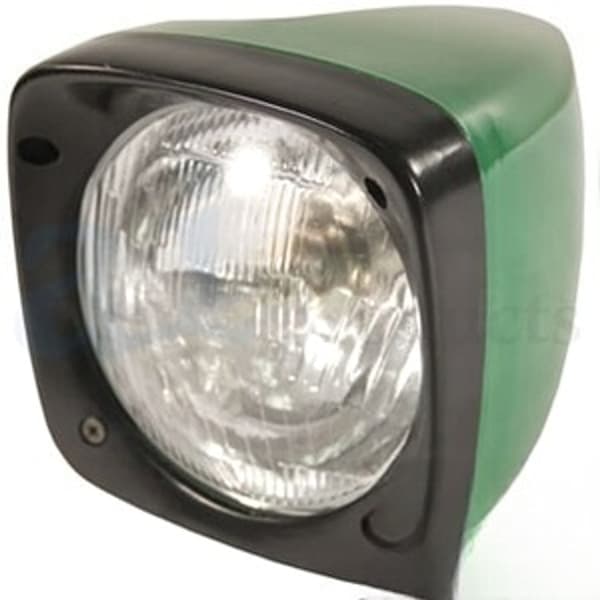
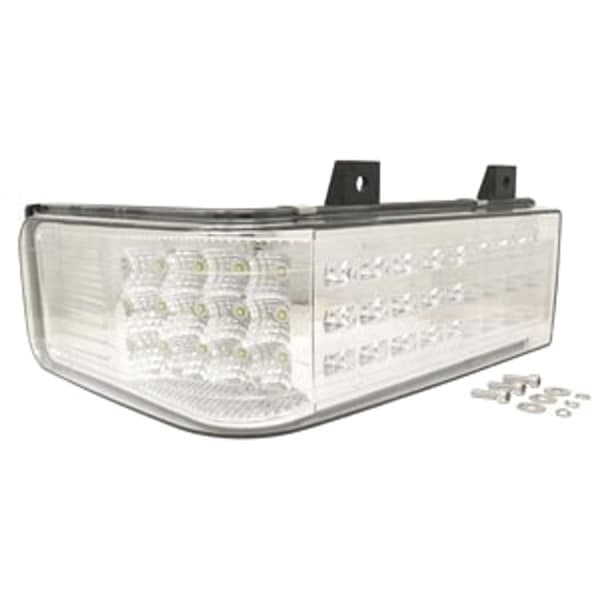
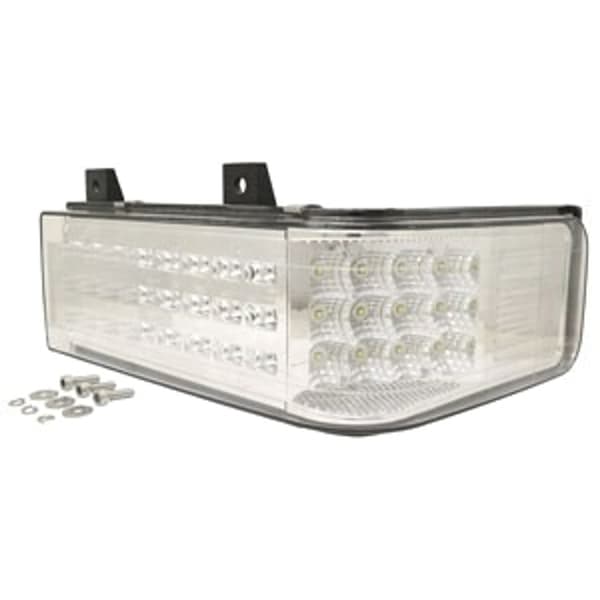
🔍 Looking for a specific part? Try our AI Part Finder — tell it your equipment and what you need, and it will find matching parts instantly.
Understanding Tractor Headlight Systems
Tractor headlight systems have evolved over the years. Older tractors typically use sealed beam headlights, while newer models often come equipped with halogen or LED headlights. Knowing the type of headlight your tractor uses is essential for selecting the correct replacement.
Sealed Beam Headlights
Sealed beam headlights are a self-contained unit that includes the bulb, reflector lens all in one. When the bulb burns out, the entire unit must be replaced. They are commonly found on older tractors from brands like John Deere, Ford, International Harvester, Allis Chalmers, Oliver White. Many of these were 12V systems, but some older tractors (especially those prior to the 1960s) may have been 6V.
Halogen headlights
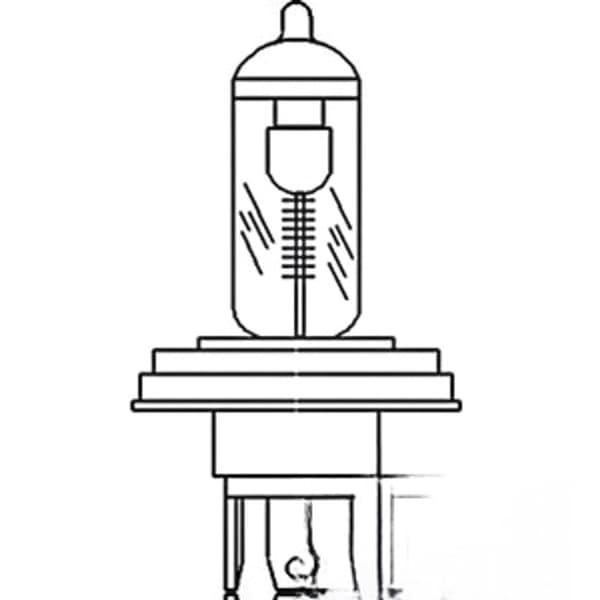
Halogen headlights are brighter and more energy-efficient than sealed beams. They use a replaceable bulb within a reflector and lens assembly. If a bulb burns out, only the bulb needs to be replaced, not the entire unit. Halogen lights are common on many tractors built from the 1980s through the 2000s.
LED headlights
LED (Light Emitting Diode) headlights are the most energy-efficient and longest-lasting option. They provide bright, clear light and consume significantly less power than sealed beam or halogen lights. LED headlights are becoming increasingly common on new tractors and are a popular upgrade for older models. They are often more resistant to vibration and impact than traditional bulbs, making them ideal for agricultural use. Brands like Kubota, Massey Ferguson, New Holland even newer models from John Deere and Case IH are increasingly using LED lighting systems. Some aftermarket LED kits are designed as direct replacements for standard sealed beam headlights.
Troubleshooting Tractor Headlights
Before replacing a headlight, it's important to diagnose the problem correctly. Here are some common issues and how to troubleshoot them
- Headlight Not Working Check the bulb first. If it's blown, replace it. If the bulb is good, check the wiring, fuses headlight switch. Use a multimeter to test for voltage at the headlight connector.
- Dim Headlights Dim headlights can be caused by a weak battery, corroded wiring, or a faulty voltage regulator. Check the battery voltage and clean any corroded connections. A John Deere tractor alternator that isn't functioning correctly could also be the culprit.
- Flickering Headlights Flickering headlights often indicate a loose connection or a faulty headlight switch. Inspect the wiring and connections replace the switch if necessary.
- One Headlight Works, the Other Doesn't This is usually a bulb issue or a wiring problem specific to the non-working headlight. Check the bulb and wiring independently.
Replacing a Sealed Beam Headlight
Replacing a sealed beam headlight is a straightforward process. Here's a step-by-step guide
- Gather Your Tools You'll need a screwdriver (usually Phillips or flathead), a new sealed beam headlight safety glasses.
- Disconnect the Battery To prevent electrical shock, disconnect the negative (-) terminal of the battery.
- Remove the Headlight Bezel The headlight is typically held in place by a bezel or trim ring. Use a screwdriver to remove the screws or clips securing the bezel.
- Remove the Old Headlight Carefully pull the headlight out of its socket. Disconnect the wiring connector from the back of the headlight.
- Connect the New Headlight Connect the wiring connector to the new headlight. Ensure the connection is secure.
- Install the New Headlight Align the new headlight in the socket and push it into place.
- Reinstall the Bezel Secure the bezel with the screws or clips you removed earlier.
- Reconnect the Battery Reconnect the negative (-) terminal of the battery.
- Test the Headlight Turn on the headlight switch to ensure the new headlight is working properly.
Many older Ford tractors, such as the Ford 8N, Ford 9N Ford 2000 series, used standard 7-inch sealed beam headlights. A common replacement part number is. Make sure you know if your Ford tractor alternator is a 6V or 12V system, as this will impact the headlight you require.
Upgrading to LED Headlights
Upgrading to LED headlights offers several advantages, including increased brightness, longer lifespan reduced power consumption. Here's how to upgrade your tractor's headlights to LED
- Choose the Right LED Headlights Select LED headlights that are compatible with your tractor's voltage (usually 12V or 24V) and mounting style. Many LED headlights are designed as direct replacements for standard sealed beam headlights. Check for DOT approval to ensure they meet safety standards.
- Gather Your Tools You'll need a screwdriver, wire cutters, wire strippers, crimp connectors safety glasses.
- Disconnect the Battery Disconnect the negative (-) terminal of the battery.
- Remove the Old Headlights Remove the headlight bezels and disconnect the wiring connectors from the old headlights.
- Wiring the LED Headlights LED headlights typically have three wires: power, ground sometimes a daytime running light (DRL) wire. Connect the power wire to the tractor's headlight power wire, the ground wire to a suitable ground point on the tractor frame the DRL wire (if applicable) to a switched power source. Use crimp connectors to ensure secure connections.
- Install the LED Headlights Mount the LED headlights in the headlight housings. You may need to fabricate custom brackets if the LED headlights are not a direct fit.
- Reinstall the Bezels Secure the headlight bezels.
- Reconnect the Battery Reconnect the negative (-) terminal of the battery.
- Test the Headlights Turn on the headlight switch to ensure the LED headlights are working properly.
For example, many Case IH tractors, including the Farmall series, can benefit from an LED upgrade. Check the existing light housing dimensions consider LED replacements that are direct fit (PAR36 or PAR46 styles are common). Pay close attention to the wiring, as older tractors may require some modifications to the harness. Don't forget to ensure your Case IH tractor alternator is in good working order to handle the slightly different load of the LED lights.
Safety Precautions
- Always disconnect the battery before working on any electrical components.
- Wear safety glasses to protect your eyes.
- Use proper wiring techniques and ensure all connections are secure.
- If you're not comfortable working with electrical systems, consult a qualified mechanic.
Choosing the Right Headlight
When selecting replacement or upgrade headlights, consider the following factors
- Voltage Ensure the headlights are compatible with your tractor's voltage (12V or 24V).
- Brightness Choose headlights with sufficient brightness for your needs. LED headlights are typically measured in lumens.
- Beam Pattern Consider the beam pattern. Flood beams provide wide coverage, while spot beams provide focused light. Many LED headlights offer a combination of flood and spot beams.
- Durability Select headlights that are durable and resistant to vibration, moisture dust.
- Compatibility Ensure the headlights are compatible with your tractor's mounting style and wiring harness.
Maintaining Your Tractor's Lighting System
Regular maintenance of your tractor's lighting system will help ensure reliable performance and extend the life of your headlights. Check the headlights regularly for damage or dimness. Clean the lenses to remove dirt and debris. Inspect the wiring for corrosion or damage. Replace any worn or damaged components promptly. Make sure your John Deere tractor starter, or starter from any other brand, isn't drawing excessive current that could prematurely wear out other electrical components.
Also remember that a healthy electrical system relies on multiple components. Ensuring your tractor has a properly functioning alternator, starter battery is key to maintaining bright and reliable headlights. Faulty wiring can cause excessive drain and premature bulb failure. Keeping your tractor's electrical system properly maintained will save you time and money in the long run.
Whether you need a new sealed beam headlight for your classic Allis Chalmers, or you are looking for a full LED conversion kit for your late model Massey Ferguson, Madison Tractor Company has the parts you need to keep your tractor shining bright. We also stock a wide range of related parts, including radiators, water pumps, starters, hydraulic pumps, clutch kits much more.
Don't let a faulty headlight put a stop to your work. Browse our selection of tractor headlights and related parts today! You can also use our AI-Powered Part Finder to search for parts by your specific make and model.
Part of our comprehensive guide
Tractor Starter & Alternator Guide: Find the Right Parts