








Ford Tractor Voltage Regulator: Testing & Wiring
Having trouble with your Ford tractor's charging system? This guide covers testing and wiring the voltage regulator on common Ford tractor models. Get your electrical system running smoothly again!
A properly functioning voltage regulator is crucial for maintaining the health of your Ford tractor's electrical system. It ensures the battery receives the correct charging voltage, preventing overcharging or undercharging, either of which can damage the battery and other electrical components. This guide will walk you through the process of testing and wiring the voltage regulator on your Ford tractor. Madison Tractor Company stocks a wide range of Ford tractor parts, from voltage regulators to complete wiring harnesses, to keep you running.
Recommended Parts for This Guide
10 parts we recommend — in stock, ships fast, one-click add to cart.
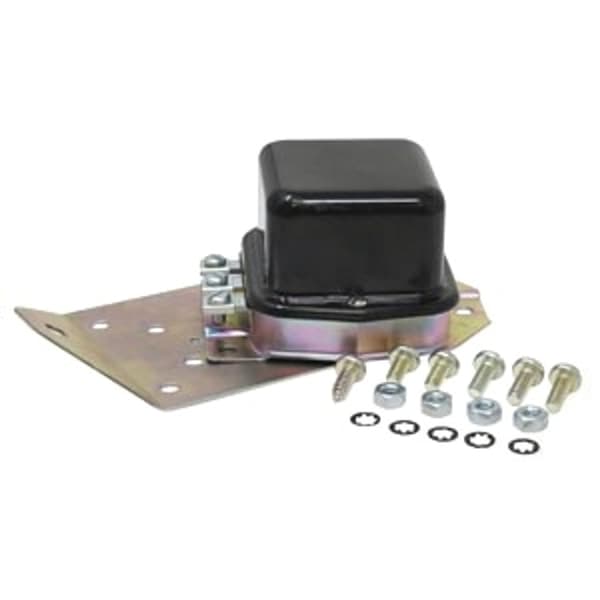
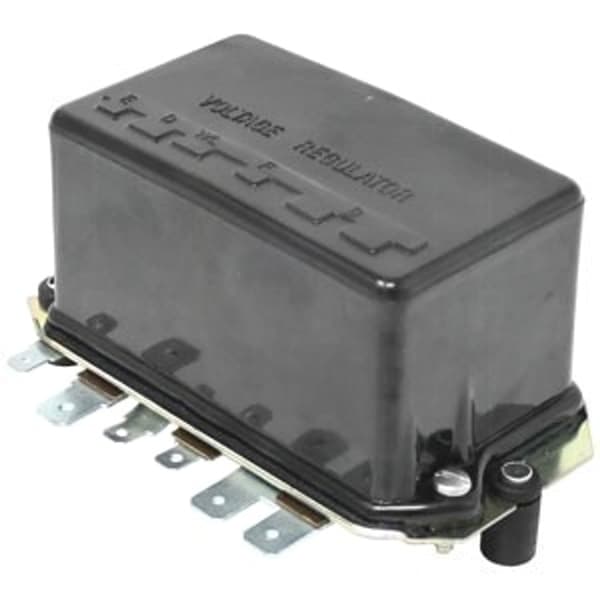
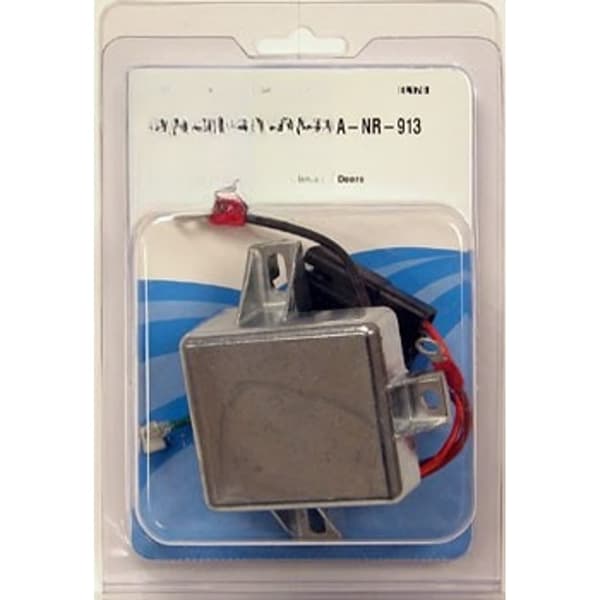
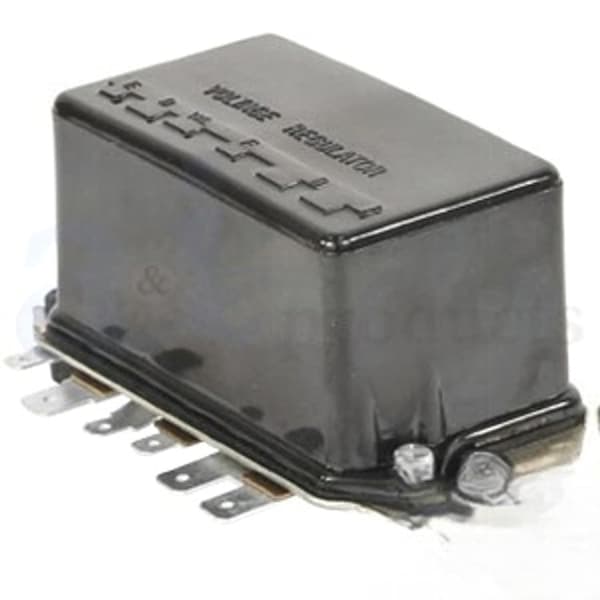
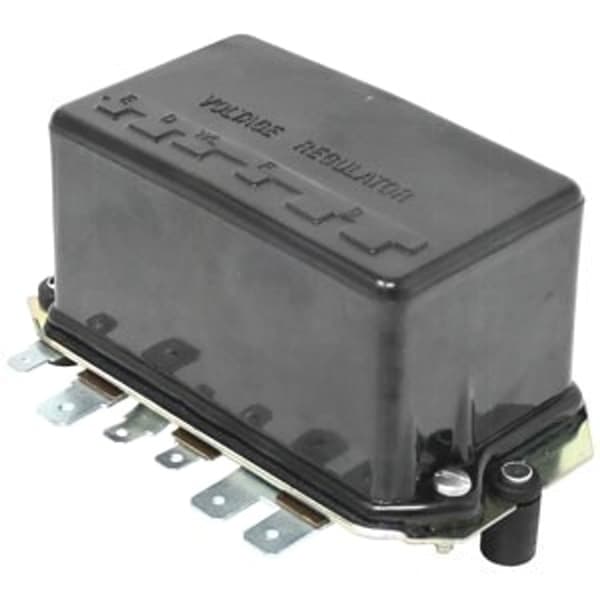
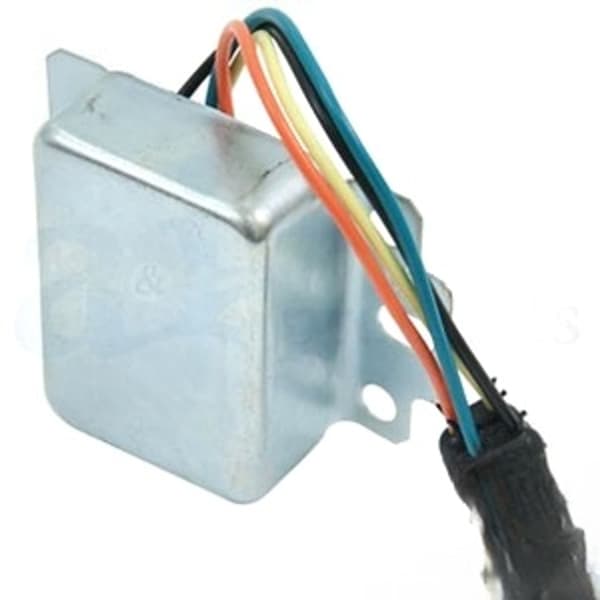
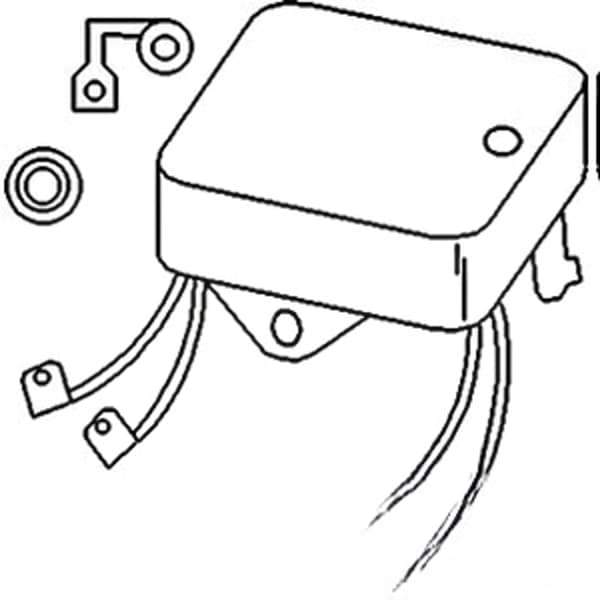
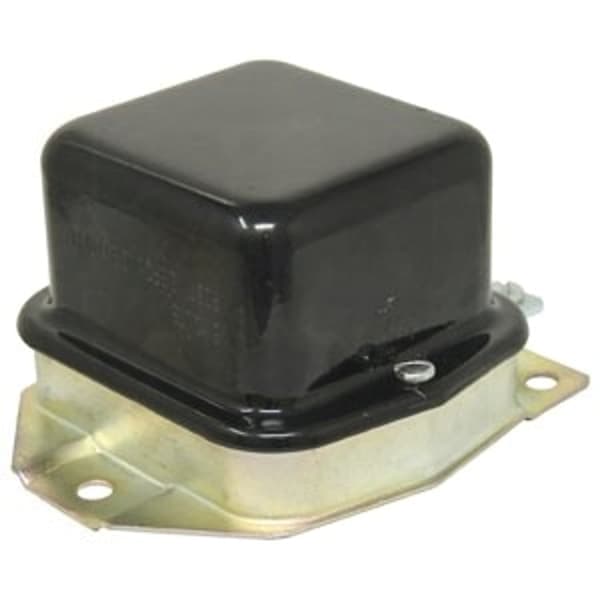
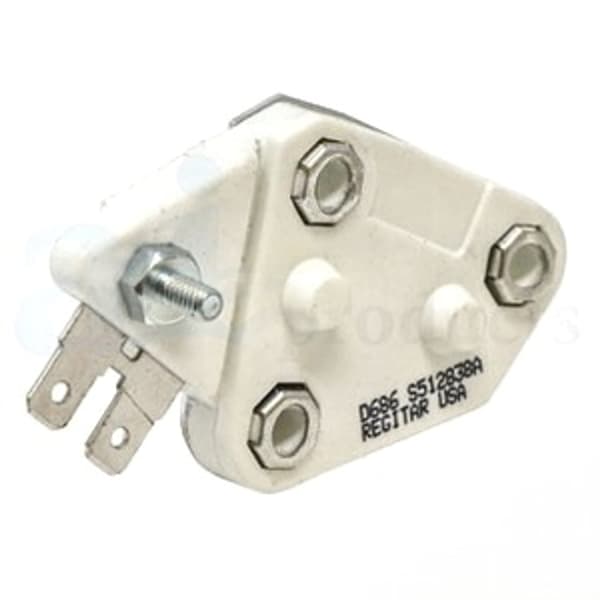
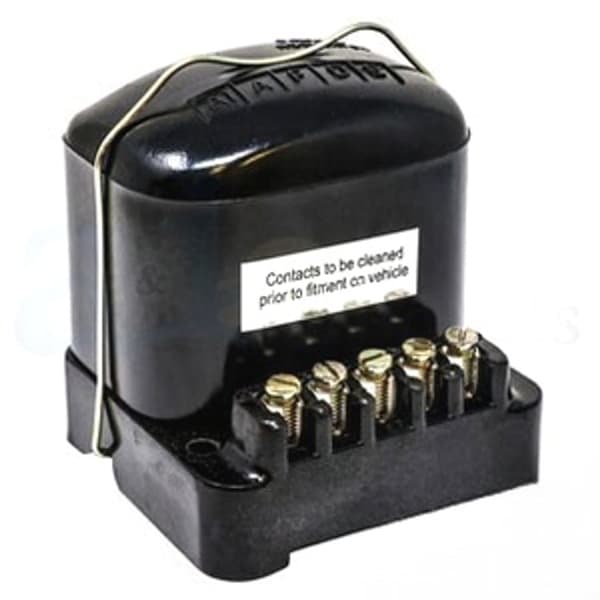
🔍 Looking for a specific part? Try our AI Part Finder — tell it your equipment and what you need, and it will find matching parts instantly.
Understanding Your Ford tractor voltage regulator
Ford tractors, especially older models, often utilized externally regulated charging systems. These systems rely on a voltage regulator to control the output of the generator (and later, the alternator). A faulty voltage regulator can lead to a variety of problems, including:
- Battery not charging
- Battery overcharging (indicated by a boiling battery)
- Dim headlights
- Starter problems (related to a weak battery charge - see Ford Tractor Starter: 2000-7000 Series & New Holland)
Before diving into testing, it's important to identify the type of regulator you have. Most older Ford tractors use electromechanical regulators, which have multiple terminals and adjustment screws. Later models and Ford Tractor Alternator Conversion: Generator to Alternator kits use solid-state regulators, which are more reliable and require less maintenance. This guide will focus primarily on the electromechanical type, but the basic principles apply to both.
Safety First!
WARNING: Always disconnect the battery's negative (-) terminal before working on any electrical components. This will prevent accidental shorts and potential damage to your tractor. Wear safety glasses to protect your eyes. Ensure the tractor is in park and the parking brake is engaged before working on it.
Tools You'll Need
- Multimeter (capable of reading DC voltage and amperage)
- Jumper wire
- Screwdrivers (Phillips and flathead)
- Wiring diagram for your specific Ford tractor model
- Voltmeter
- Ammeter
- Cleaning supplies (wire brush, contact cleaner)
Testing Your Ford Tractor Voltage Regulator
Follow these steps to test your Ford tractor voltage regulator:
- Visual Inspection: Check the regulator for any signs of damage, such as cracks, corrosion, or loose wires. Clean any corroded terminals with a wire brush and contact cleaner.
- Voltage Test (Engine Off): Reconnect the battery negative (-) terminal. Use a voltmeter to check the voltage at the battery terminals. It should read approximately 12.6 volts for a fully charged battery. If the voltage is significantly lower, the battery may be the problem, not the regulator.
- Voltage Test (Engine Running): Start the engine. Set the throttle to a medium speed. Use a voltmeter to measure the voltage at the battery terminals again. The voltage should now be higher than the static voltage, typically between 13.5 and 14.5 volts. If the voltage is significantly higher (over 15 volts), the regulator is likely overcharging. If the voltage is the same or lower than the static voltage, the regulator is not charging the battery.
- Bypass Test (Generator Systems): If you suspect the regulator is faulty, you can perform a bypass test. Locate the "Field" terminal on the generator and the corresponding terminal on the voltage regulator (often labeled "F" or "FLD"). With the engine running, use a jumper wire to connect the "Field" terminal on the generator directly to ground. CAUTION: Do not leave this connection in place for more than a few seconds. If the generator output increases significantly, the regulator is likely the problem. Note: this test is primarily for generator systems; it can damage an alternator.
- Continuity Test: Disconnect the battery negative (-) terminal again. Use a multimeter set to the continuity setting to check for continuity between the regulator terminals and the regulator case (ground). There should be no continuity. Continuity indicates a short circuit within the regulator.
Specific Ford Tractor Models: These testing principles apply to a wide range of Ford tractor models, including the 8N, 9N, NAA, 600, 800, 2000, 3000, 4000, 5000, and 7000 series. Consult your tractor's service manual for specific terminal designations and voltage specifications.
Wiring Your Ford Tractor Voltage Regulator
Proper wiring is essential for the voltage regulator to function correctly. Refer to your tractor's wiring diagram for specific wire colors and terminal locations. A typical electromechanical voltage regulator has the following terminals:
- BAT (Battery): Connects to the battery positive (+) terminal or to the starter solenoid's battery terminal.
- FLD (Field): Connects to the field terminal on the generator or alternator.
- ARM (Armature): Connects to the armature terminal on the generator or the output terminal on the alternator.
Wiring Steps:
- Disconnect Battery: Disconnect the battery negative (-) terminal.
- Identify Terminals: Carefully identify each terminal on the voltage regulator and the corresponding terminals on the generator or alternator. Consult your wiring diagram.
- Connect Wires: Connect the wires to the correct terminals, ensuring a secure and clean connection. Use the correct gauge wire for each connection. Replace any damaged or frayed wires.
- Ground Connection: Ensure the voltage regulator has a good ground connection to the tractor frame. Clean the mounting surface and use star washers to ensure a solid connection.
- Double-Check: Double-check all connections before reconnecting the battery.
- Reconnect Battery: Reconnect the battery negative (-) terminal.
- Test the System: Start the engine and test the charging system using a voltmeter as described above.
For some models, you might also be looking for a new main wiring harness to ensure all connections are sound, or specifically a 6-volt main wiring harness for older systems.
Common Wiring Issues:
- Reversed Polarity: Connecting the battery with reversed polarity can damage the voltage regulator and other electrical components.
- Loose Connections: Loose connections can cause voltage drops and intermittent charging problems.
- Corroded Terminals: Corrosion can impede electrical flow. Clean terminals with a wire brush and apply dielectric grease to prevent future corrosion.
Troubleshooting Common Problems
- Battery Not Charging: Check the voltage regulator, generator/alternator, wiring, and battery. A faulty voltage regulator or generator/alternator is the most likely cause. See John Deere Tractor Alternator: Amp Ratings & Part Numbers for examples of alternator specs on other tractors.
- Battery Overcharging: A faulty voltage regulator is almost always the cause of overcharging. Replace the voltage regulator.
- Dim Headlights: Dim headlights can be caused by a weak battery, a faulty voltage regulator, or poor wiring connections.
- Starter Problems: A weak battery due to a charging system problem can cause starter problems. Check the charging system and the battery before replacing the starter (see Case IH Tractor Starter Motor: All Models & Farmall for troubleshooting tips).
Voltage Regulator Replacement
If testing reveals a faulty voltage regulator, replacement is necessary. Madison Tractor Company offers a wide selection of voltage regulators for Ford tractors and other major brands, including John Deere, Case IH, New Holland, Massey Ferguson, Kubota, Allis Chalmers, Deutz, International Harvester, Oliver, and White. When ordering a replacement, be sure to specify the correct part number for your specific tractor model and charging system. Common OEM part numbers for Ford voltage regulators include (but are not limited to) 8N10505, C5NN10505A, and D8NN10505AA. Be aware that aftermarket cross-reference numbers exist as well. Remember to replace your voltage regulator with a quality part to ensure years of trouble-free service. In addition to voltage regulators, Madison Tractor also carries a wide range of other Ford tractor parts, including radiators, water pumps, starters, alternators, hydraulic pumps, cylinders, clutch kits, PTO parts, fuel pumps, carburetors, injectors, filters, gaskets, pistons, bearings, seals, belts, chains, concaves, and sickle sections.
Consider an Alternator Conversion
For older Ford tractors with generator systems, consider upgrading to an alternator. Alternators provide more consistent charging power and are generally more reliable than generators. Ford Tractor Alternator Conversion: Generator to Alternator kits are available, and Madison Tractor Company can help you find the right kit for your tractor.
Regular maintenance and prompt attention to electrical problems will keep your Ford tractor running reliably for years to come. Remember to consult your tractor's service manual for specific wiring diagrams, troubleshooting procedures, and torque specifications.
Shop Ford Tractor Parts at Madison Tractor Company
Madison Tractor Company is your one-stop shop for all your Ford tractor parts needs. We carry a wide selection of Ford tractor voltage regulators, starters, alternators, and other electrical components, as well as a full range of parts for John Deere, Case IH, New Holland, Massey Ferguson, Kubota, Allis Chalmers, Deutz, International Harvester, Oliver, White, Gleaner, Vermeer, Hesston, Mahindra and Zetor. Our knowledgeable staff is here to help you find the right parts for your tractor and get you back in the field. Shop our online catalog today!
🔍 Can't Find Your Part?
Use our AI-Powered Part Finder to search by your equipment's make, model, and what you need. It's the fastest way to find the exact part for your machine.
Try the Part Finder →Part of our comprehensive guide
Tractor Starter & Alternator Guide: Find the Right Parts