








Tractor Glow Plug Replacement: Diesel Starting Troubleshoot
Is your diesel tractor struggling to start, especially in cold weather? The issue might be your tractor glow plugs. This guide helps you diagnose and replace faulty glow plugs, ensuring reliable starts for your farm equipment.
Diesel Starting Problems: Could it Be Your Glow Plugs?
A diesel engine relies on compression to ignite fuel. In cold weather, the engine block absorbs heat, making it harder to reach the necessary combustion temperature. That's where tractor glow plugs come in. These small heating elements preheat the cylinders, making it easier for the engine to start. When they fail, starting becomes difficult, especially when temperatures drop.
Recommended Parts for This Guide
10 parts we recommend — in stock, ships fast, one-click add to cart.
🔍 Looking for a specific part? Try our AI Part Finder — tell it your equipment and what you need, and it will find matching parts instantly.
Madison Tractor Company knows how crucial reliable starting is to your operation. We carry a full range of parts to keep you running, including starters, alternators, and of course, glow plugs for all major brands: John Deere, Case IH, Ford, New Holland, Massey Ferguson, Kubota, Allis Chalmers, Deutz, International Harvester, Oliver, White, Gleaner, Vermeer, Hesston, Mahindra, and Zetor.
Understanding Tractor Glow Plugs
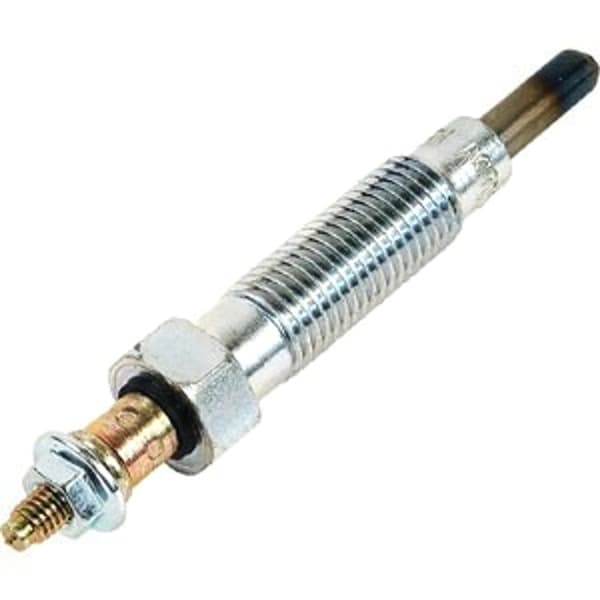
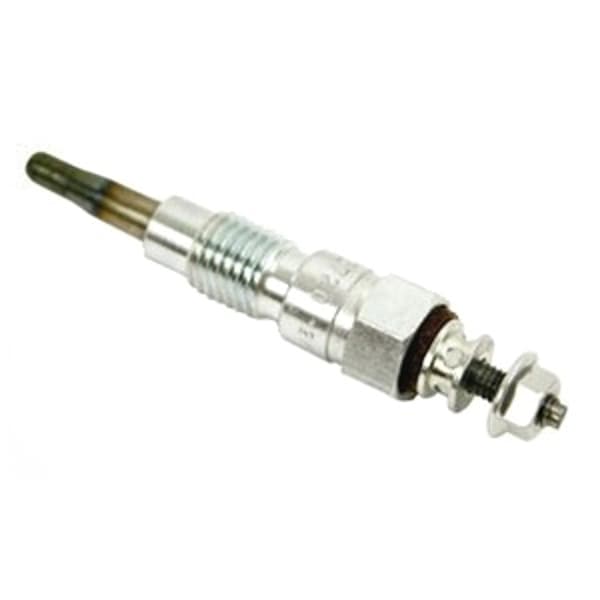
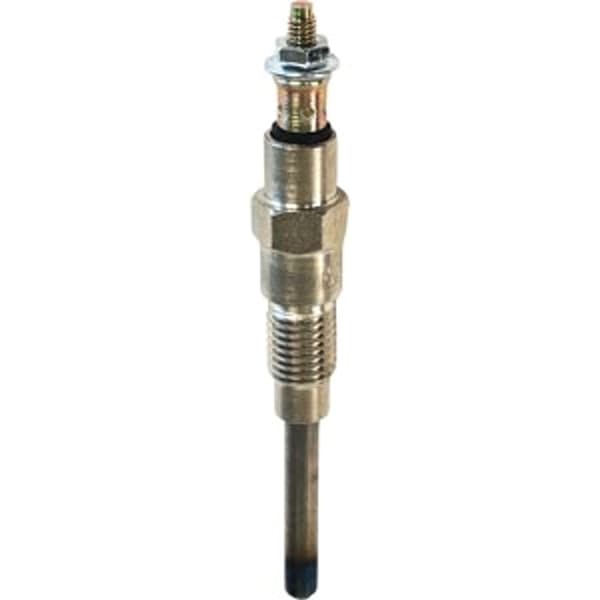
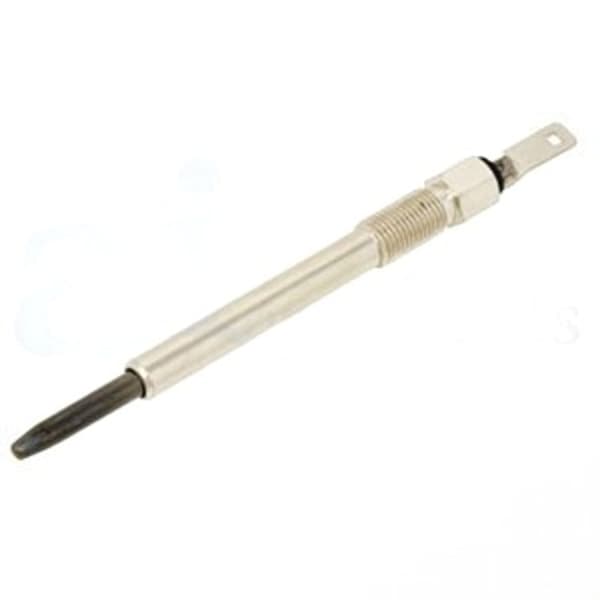
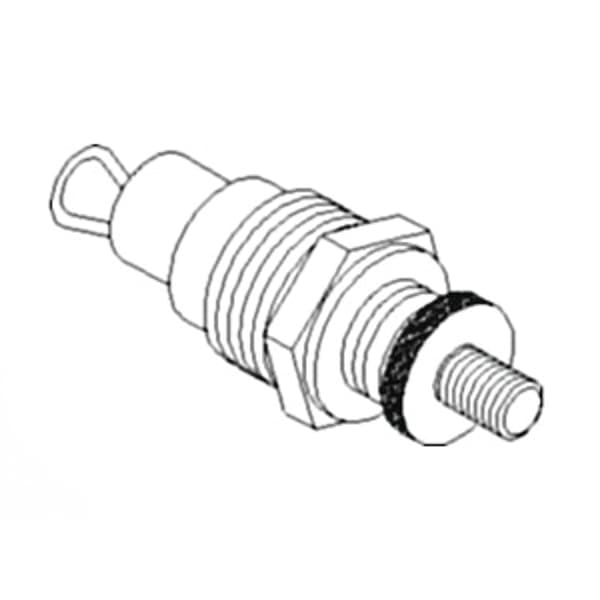
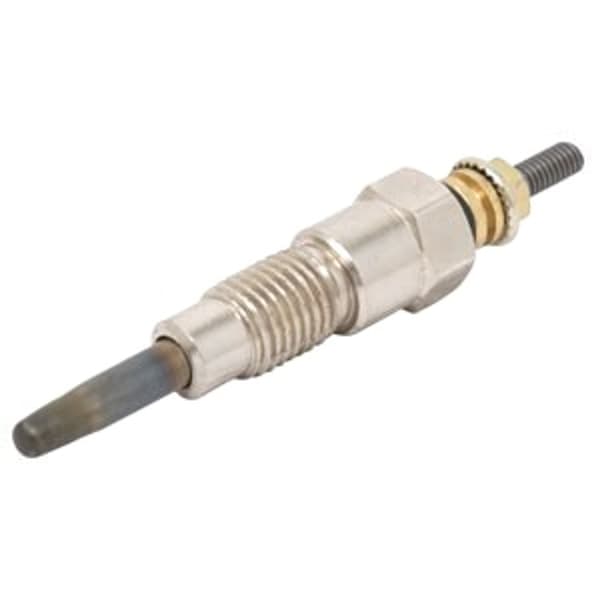
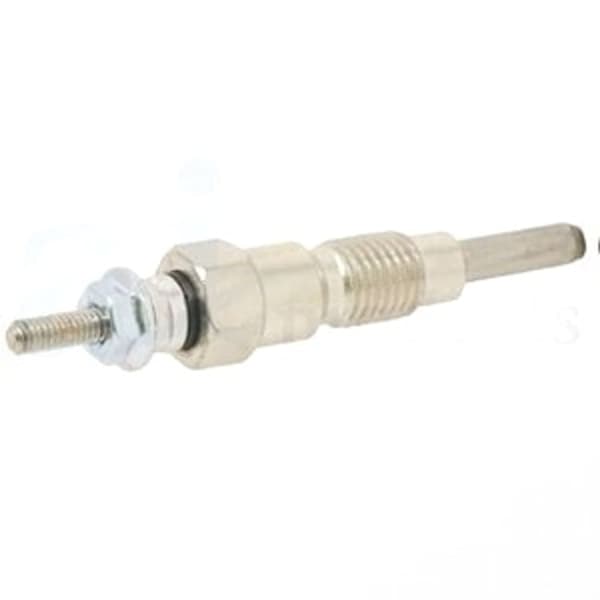
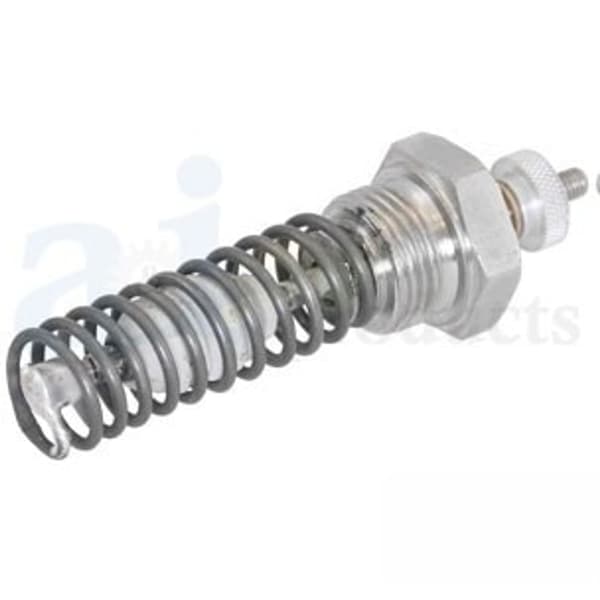
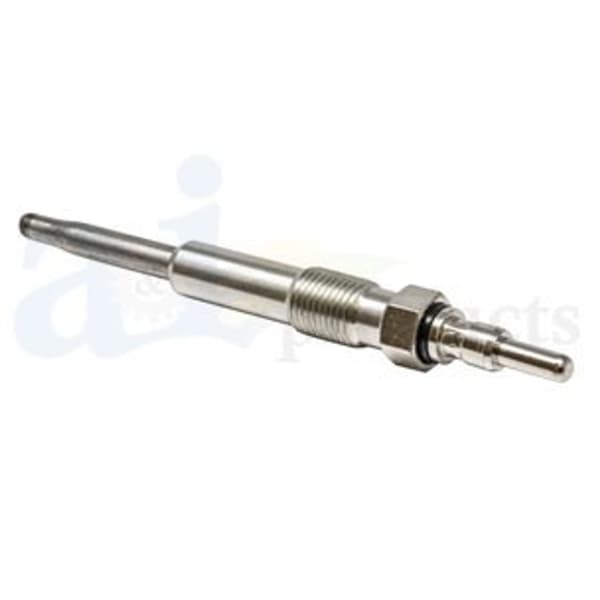
Glow plugs are small, pencil-shaped heating elements located in each cylinder head of a diesel engine. They heat the combustion chamber, assisting in the ignition of fuel during cold starts. There are generally two types of glow plug systems:
- Self-Regulating Glow Plugs: These plugs have an internal control that regulates their temperature, preventing them from overheating.
- Non-Self-Regulating Glow Plugs: These require an external timer or control module to regulate their on-time and prevent burnout. Note that a 304131R3 Glow Plug, for instance, requires 11 Volts or less to keep from burning out, highlighting the importance of proper voltage regulation.
Failure to use the correct glow plug for your specific tractor model can result in premature failure, engine damage, or even fire. Always consult your tractor's service manual or a trusted parts expert to ensure compatibility.
Recognizing the Symptoms of Bad Glow Plugs
Several telltale signs indicate failing or failed glow plugs:
- Hard Starting: The most common symptom. The engine struggles to start, especially in cold weather.
- Excessive White Smoke: White or gray smoke from the exhaust upon starting, indicating unburned fuel.
- Rough Idle: The engine runs unevenly or roughly after starting.
- Reduced Power: Poor engine performance, especially during initial operation.
- Increased Fuel Consumption: Due to incomplete combustion.
If you experience these symptoms, it's time to inspect your glow plugs and the starter, alternator, and battery condition.
Testing Your Tractor's Glow Plugs
Before replacing glow plugs, you need to determine if they are faulty. Here's how to test them:
- Visual Inspection: Remove the glow plugs and visually inspect them for damage, such as swelling, cracks, or burnt tips.
- Continuity Test: Use a multimeter set to the ohms setting. Touch one probe to the glow plug terminal and the other to the glow plug body. A good glow plug will show continuity (low resistance, typically between 0.5 and 2 ohms). An open circuit (infinite resistance) indicates a faulty glow plug.
- Voltage Test: Use a voltmeter to check for voltage at the glow plug harness when the ignition is turned on (glow plug pre-heating cycle). You should see close to battery voltage. A lack of voltage could indicate a problem with the glow plug relay or wiring.
- Amperage Test (Advanced): Use an inductive ammeter to measure the current draw of each glow plug. A good glow plug will draw a specific amperage (consult your tractor's service manual for the correct value). Significantly lower or higher amperage indicates a problem.
Safety Warning: Always disconnect the battery negative terminal before working on electrical components. Glow plugs get very hot; allow them to cool before handling.
Glow Plug Replacement: Step-by-Step
Replacing glow plugs is a straightforward process, but it's crucial to follow these steps carefully:
- Gather Your Tools and Parts: You'll need a socket set, wrench, torque wrench, penetrating oil, dielectric grease, and new glow plugs. Make sure you have the correct glow plugs for your tractor model. For example, if you own a John Deere 4020, ensure the glow plugs are compatible. We offer replacements for Ford tractors, including the 2000 and 3000 series.
- Disconnect the Battery: Always disconnect the negative battery terminal to prevent electrical shorts.
- Locate the Glow Plugs: They are typically located on the cylinder head, near the injectors.
- Apply Penetrating Oil: Spray penetrating oil around the base of each glow plug to loosen any rust or corrosion. Let it soak for at least 15 minutes.
- Remove the Wiring: Carefully disconnect the wiring harness from each glow plug.
- Remove the Glow Plugs: Use the correct size socket to carefully remove the glow plugs. Be careful not to break them off in the cylinder head. If a glow plug is stuck, apply more penetrating oil and try again.
- Clean the Threads: Use a thread chaser or tap to clean the threads in the cylinder head. This will ensure proper seating of the new glow plugs.
- Install the New Glow Plugs: Apply a small amount of anti-seize compound to the threads of the new glow plugs. Thread them in by hand until snug, then tighten them to the torque specification listed in your tractor's service manual. Important: Overtightening can damage the glow plugs or cylinder head. A typical torque spec is around 12-15 ft-lbs, but consult your manual for precise values.
- Reconnect the Wiring: Apply dielectric grease to the terminals of the wiring harness and reconnect them to the glow plugs.
- Reconnect the Battery: Reconnect the negative battery terminal.
- Test the System: Turn the ignition on and allow the glow plugs to preheat for the recommended time. Then, start the engine. It should start quickly and smoothly.
Note: For some Case IH and Massey Ferguson models, like those in the Farmall and 35 series respectively, the glow plug location and access may vary. Refer to your service manual for specific instructions.
Troubleshooting After Glow Plug Replacement
If your tractor still has trouble starting after replacing the glow plugs, consider these potential issues:
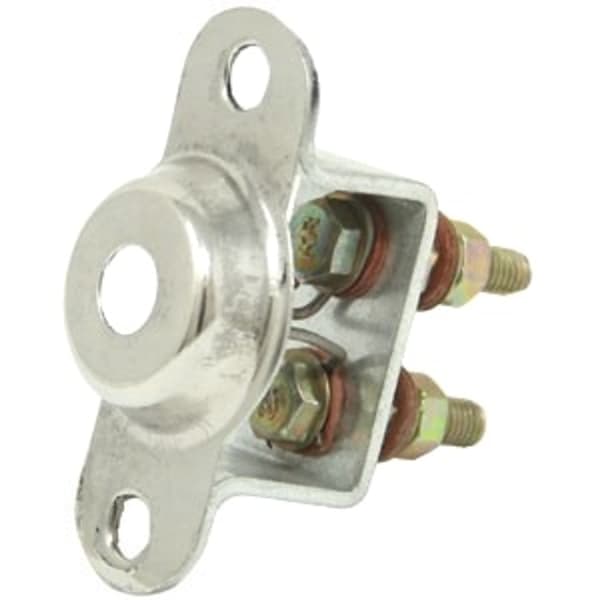
- Glow Plug Relay: A faulty glow plug relay can prevent power from reaching the glow plugs. Test the relay with a multimeter or replace it.
- Wiring Issues: Check the wiring harness for damage or corrosion. Repair or replace any damaged wires.
- Timer Module: Some tractors use a glow plug indicator or timer module to control the glow plug pre-heating time. A faulty timer module can cause the glow plugs to overheat or not activate at all.
- Fuel System: Problems with the fuel system, such as a clogged fuel filter or faulty fuel pump, can also cause hard starting. Consider inspecting your fuel pump, which Madison Tractor carries for many makes. We also stock fuel injectors, crucial components for proper diesel combustion.
- Compression Issues: Low compression can make starting difficult, even with good glow plugs. Have the engine's compression tested by a qualified mechanic. If low, consider checking piston rings and valves, as well as purchasing replacement engine parts.
Remember that related electrical components such as the Ford tractor starter and Case IH alternator must be in good working order for the engine to start smoothly.
Glow Plug Maintenance Tips
Proper maintenance can extend the life of your glow plugs:
🔍 Can't Find Your Part?
Use our AI-Powered Part Finder to search by your equipment's make, model, and what you need. It's the fastest way to find the exact part for your machine.
Try the Part Finder →- Use the Correct Preheat Time: Avoid over-preheating the glow plugs, as this can shorten their lifespan. Follow the manufacturer's recommendations for preheat time.
- Maintain Your Battery: A weak battery can put extra strain on the glow plugs. Keep your battery properly charged and replace it when necessary.
- Ensure Proper Fuel Quality: Use high-quality diesel fuel and change your fuel filter regularly. Contaminated fuel can damage the glow plugs and other engine components.
- Regularly Inspect Your Electrical System: Keep an eye on the wiring and connections to the glow plugs and relay. Repair any damage or corrosion promptly.
Madison Tractor: Your Partner for Reliable Starts
Addressing glow plug issues promptly is essential for maintaining the reliability of your diesel tractor. By understanding the symptoms, testing procedures, and replacement process, you can keep your equipment running smoothly, especially during cold weather. Madison Tractor Company is your trusted source for high-quality glow plugs, starters, alternators, and other tractor parts. We stock a wide selection of parts for John Deere, Case IH, Ford, New Holland, Massey Ferguson, Kubota, and many other brands. Don't let a faulty glow plug sideline your operation. Shop Madison Tractor today for all your tractor parts needs!
Part of our comprehensive guide
Tractor Starter & Alternator Guide: Find the Right Parts