








Ford Tractor Alternator Conversion: Generator to Alternator
Upgrade your Ford tractor's electrical system by converting from a generator to a more powerful and reliable alternator. This guide provides a detailed, step-by-step process for a successful conversion, ensuring improved performance and longevity.
Introduction to Ford Tractor Alternator Conversions
Many older Ford tractors, particularly models like the Ford 8N, Ford NAA, Ford 600, Ford 800, Ford 2000, and Ford 4000, originally came equipped with generators. While generators are functional, they are less efficient and have lower output compared to alternators. An alternator conversion offers significant benefits, including increased charging capacity, improved reliability, and better performance at lower engine speeds. This means brighter lights, more reliable starting, and less worry about battery drain. At Madison Tractor Company, we understand the need for dependable equipment, and this guide will walk you through the process of converting your Ford tractor from a generator to an alternator.
Recommended Parts for This Guide
8 parts we recommend — in stock, ships fast, one-click add to cart.
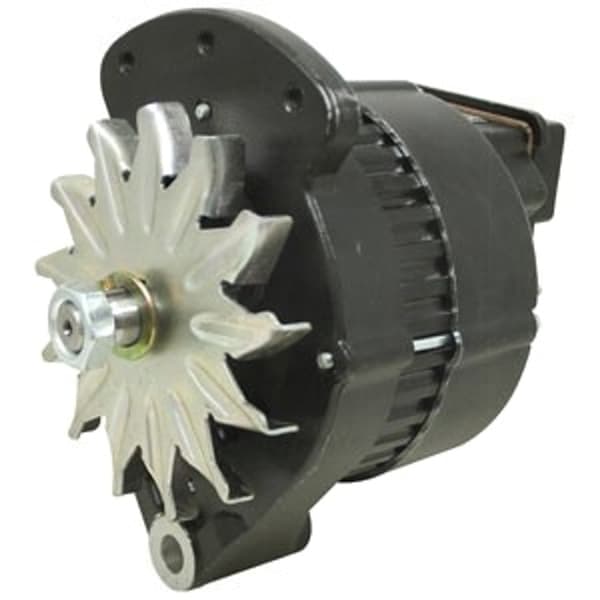
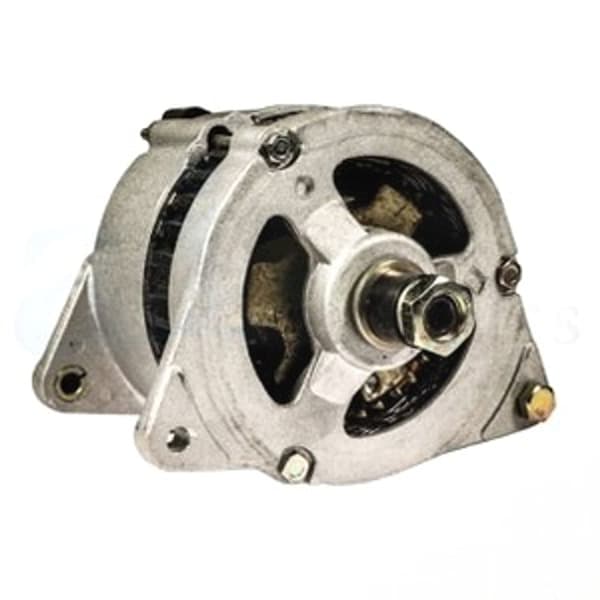
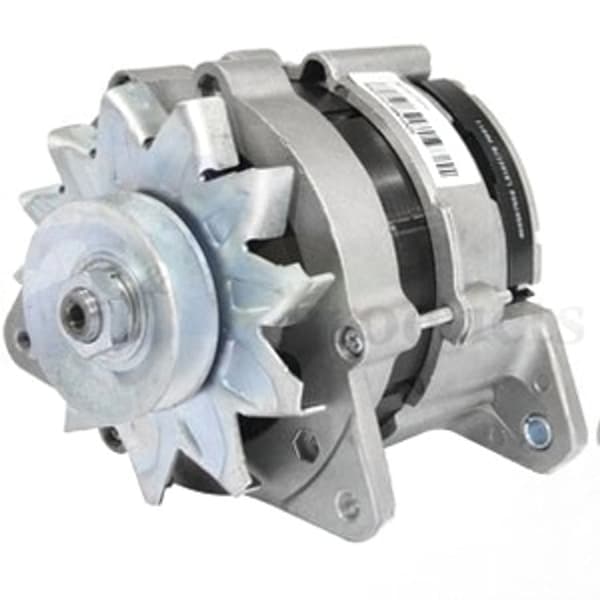
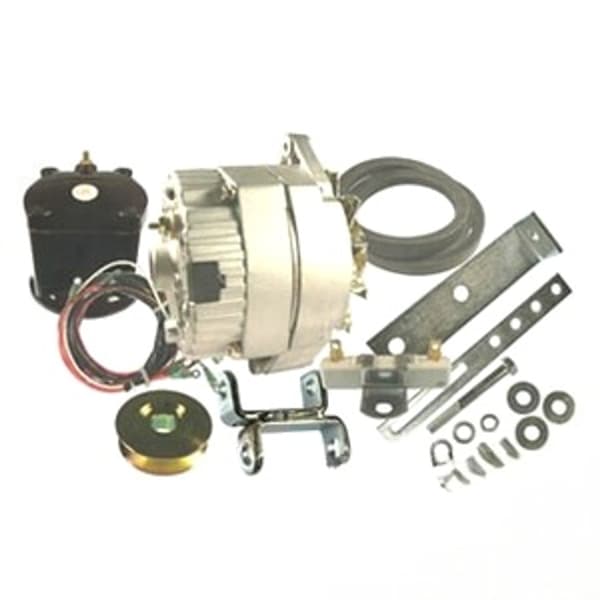
🔍 Looking for a specific part? Try our AI Part Finder — tell it your equipment and what you need, and it will find matching parts instantly.
Why Convert to an Alternator?
Here's a breakdown of the advantages of upgrading to an alternator:
- Increased Output: Alternators provide higher amperage output, ensuring your battery stays charged even with heavy electrical loads like lights, radios, or other accessories.
- Improved Low-Speed Charging: Unlike generators, alternators charge effectively even at low engine RPMs, preventing battery drain during idling or slow operation.
- Greater Reliability: Alternators are generally more reliable than generators, requiring less frequent maintenance and repairs.
- Easier Starting: A well-charged battery, maintained by an alternator, results in quicker and more reliable starts, especially in cold weather.
Parts Needed for the Conversion
Before you begin, gather all the necessary parts. Madison Tractor Company carries a wide selection of Ford tractor parts to make this conversion smooth. Here’s a typical parts list:
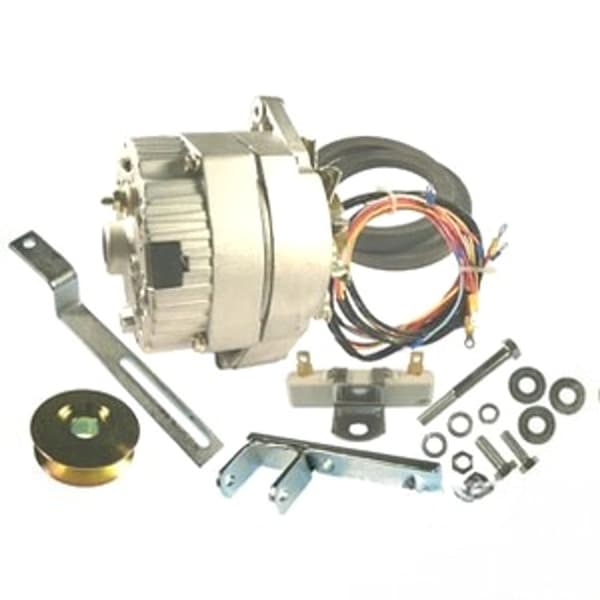
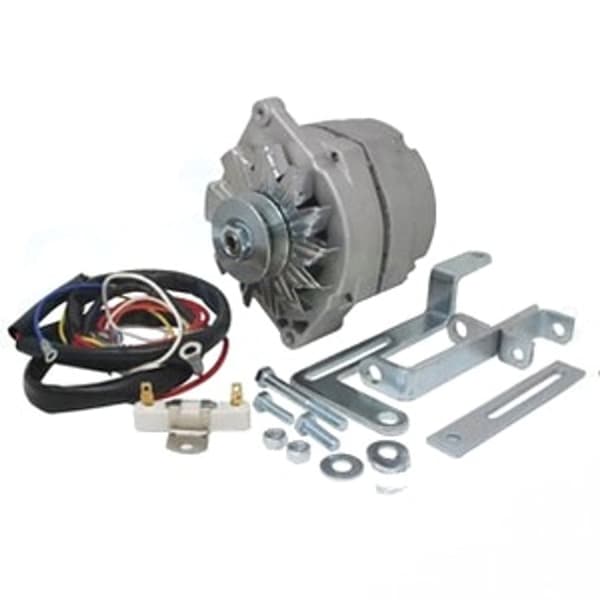
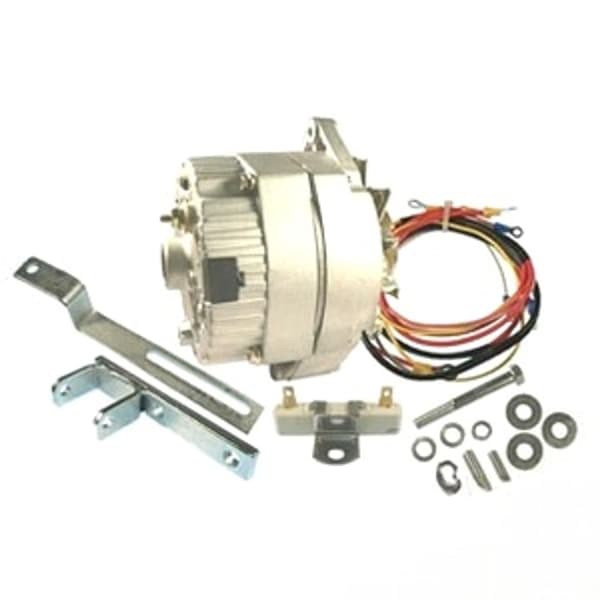
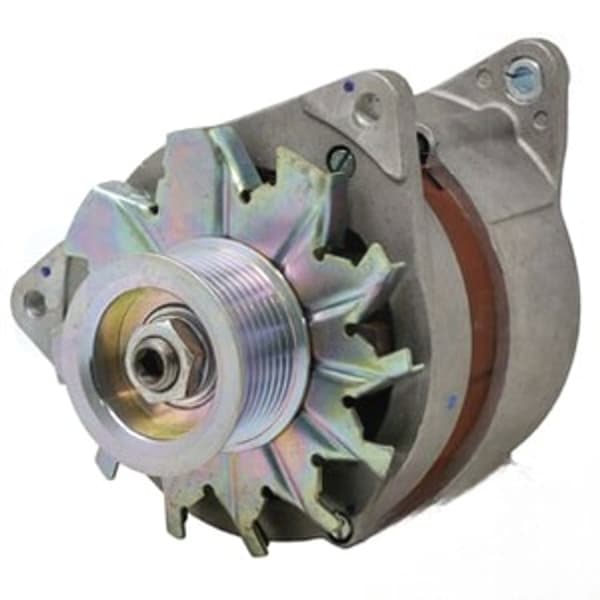
- Alternator: Choose an alternator with sufficient amperage for your needs (typically a 1-wire or 3-wire alternator). Common amperage ratings range from 55 to 75 amps. A Delco Remy 10SI or 12SI series alternator is a popular and reliable choice.
- Mounting Bracket: A mounting bracket specifically designed for your Ford tractor model. These brackets ensure proper alignment and secure mounting of the alternator.
- Wiring Harness/Adapter: A wiring harness or adapter to connect the alternator to your tractor's electrical system. This will simplify the wiring process and ensure a proper connection.
- Belt: A new belt of the correct length to accommodate the alternator's pulley size and position.
- Pulley (if needed): Some alternators may require a different pulley size to match the original generator pulley.
- Hardware: Bolts, nuts, and washers for mounting the alternator and bracket.
Step-by-Step Conversion Process
Safety First: Disconnect the negative battery cable before starting any electrical work on your tractor. This will prevent accidental shorts and electrical shocks.
- Remove the Generator:
- Disconnect the wires connected to the generator. Note their positions for reference.
- Loosen the generator's mounting bolts and remove the generator from the tractor.
- Remove the generator pulley. You might need a pulley puller for this.
- Install the Mounting Bracket:
- Attach the alternator mounting bracket to the tractor using the provided hardware. Ensure the bracket is securely fastened and properly aligned.
- Install the Alternator:
- Mount the alternator onto the mounting bracket. Use the appropriate bolts, nuts, and washers to secure it.
- Install the pulley onto the alternator shaft. If the original generator pulley fits, use it. Otherwise, install the new pulley.
- Wiring the Alternator:
- One-Wire Alternator:
- Connect a heavy-gauge wire (typically 10- or 12-gauge) from the alternator's output terminal to the positive (+) terminal of the battery or to the starter solenoid's battery terminal. This is the main charging wire.
- Three-Wire Alternator:
- Connect the alternator's output terminal to the positive (+) terminal of the battery or to the starter solenoid's battery terminal using a heavy-gauge wire.
- Connect the alternator's “sense” wire (usually a smaller gauge wire) to the positive (+) terminal of the battery or to a point where the electrical system voltage can be monitored. This wire allows the alternator to adjust its output based on the system voltage.
- Connect the alternator's ignition wire to a switched 12V source (e.g., the ignition switch). This wire provides the alternator with a signal to turn on when the ignition is on.
- One-Wire Alternator:
- Install the Belt:
- Install the new belt around the alternator and crankshaft pulleys. Adjust the alternator's position on the mounting bracket to achieve the correct belt tension. The belt should have about 1/2 inch of deflection when pressed midway between the pulleys.
- Tighten the alternator mounting bolts to secure its position.
- Reconnect the Battery:
- Reconnect the negative battery cable.
- Test the System:
- Start the tractor and check the alternator's output voltage using a multimeter. A properly functioning alternator should produce around 13.5 to 14.5 volts.
- Observe the ammeter (if equipped) to ensure the alternator is charging the battery.
- Turn on the tractor's lights and other electrical accessories to verify the alternator can handle the load.
Wiring Considerations and Diagrams
Proper wiring is crucial for a successful alternator conversion. Here are some important considerations:
- Wire Gauge: Use appropriately sized wiring for the alternator's output. Undersized wiring can cause voltage drop and overheating. Consult the alternator manufacturer's specifications for recommended wire gauges.
- Connections: Ensure all connections are clean, tight, and corrosion-free. Use dielectric grease on electrical connections to prevent corrosion.
- Grounding: A good ground connection is essential for proper alternator operation. Ensure the alternator is properly grounded to the tractor's chassis.
- Wiring Diagrams: Refer to wiring diagrams for your specific tractor model and alternator type. These diagrams will provide detailed instructions on how to properly wire the alternator into your tractor's electrical system. You can often find these diagrams online or in your tractor's service manual.
Example Wiring Diagram Snippet (For illustrative purposes only. Refer to your specific alternator and tractor manuals.):
Imagine a simple diagram showing the alternator with three terminals: a large B+ terminal connected to the battery positive terminal via a thick wire, a smaller 'S' terminal connected back to the battery positive (or a voltage-sensing point) via a thinner wire, and an 'I' or 'IGN' terminal connected to the ignition switch. Consult a proper diagram for the voltage regulator connections specific to your alternator type.
Troubleshooting Common Issues
If you encounter problems after the conversion, here are some common issues and potential solutions:
- No Charging:
- Check the alternator's wiring connections.
- Verify the belt is properly tensioned.
- Test the alternator's output voltage. If the alternator is not producing voltage, it may be faulty and require replacement.
- Check the fusible link (if equipped) in the charging circuit.
- Overcharging:
- Check the voltage regulator (if equipped). A faulty voltage regulator can cause overcharging.
- Verify the alternator's grounding connection.
- Battery Drain:
- Check for parasitic draws in the electrical system.
- Ensure the alternator is not backfeeding current when the tractor is off.
Alternatives and Considerations
While converting to an alternator is often the best solution, sometimes other electrical issues can mimic generator problems. Before converting, consider:
- Battery Condition: A weak or damaged battery won't hold a charge, regardless of the charging system. Test your battery's voltage and load capacity.
- Wiring Issues: Corroded or damaged wiring can impede current flow. Inspect and repair any faulty wiring.
- Grounding Problems: Ensure all electrical components have a good ground connection to the chassis.
- Starter Issues: A struggling starter can drain the battery quickly. Consider if a Ford tractor starter issue is the root cause. We carry starters for many brands, including John Deere, Case IH, Massey Ferguson and Kubota.
If your Ford tractor also needs work beyond the electrical system, remember we also carry a full range of parts including radiators, water pumps, hydraulic pumps, cylinders, clutch kits, PTO parts, fuel pumps, carburetors, injectors, filters, gaskets, pistons, bearings, seals, belts, chains.
Conclusion
Converting your Ford tractor from a generator to an alternator is a worthwhile upgrade that can significantly improve its electrical performance and reliability. By following this guide and using quality parts from Madison Tractor Company, you can ensure a successful conversion and enjoy the benefits of a modern charging system. Remember to always prioritize safety and consult your tractor's service manual for specific instructions and torque specifications. Need help with your John Deere tractor alternator or perhaps a Case IH alternator? We have those too!
Shop Ford Tractor Parts at Madison Tractor Company
Madison Tractor Company offers a wide range of parts for Ford, New Holland, John Deere, Case IH, Massey Ferguson, Kubota, Allis Chalmers, Deutz, International Harvester, Oliver, White, Gleaner, Vermeer, Hesston, Mahindra, and Zetor tractors and combines. Whether you need alternators, starters, radiators, or any other tractor parts, we have you covered. Shop our selection today and experience the Madison Tractor difference!
🔍 Can't Find Your Part?
Use our AI-Powered Part Finder to search by your equipment's make, model, and what you need. It's the fastest way to find the exact part for your machine.
Try the Part Finder →Part of our comprehensive guide
Tractor Starter & Alternator Guide: Find the Right Parts