








Ford 8N Starter Replacement: 6V to 12V Conversion
Converting your Ford 8N from a 6-volt to a 12-volt electrical system can improve starting reliability. This guide covers everything you need to know about Ford 8N starter replacement and 12V conversion.
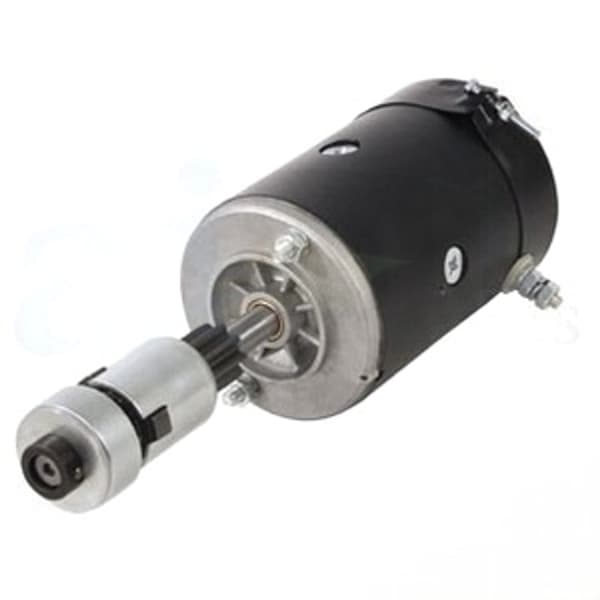
Recommended Parts for This Guide
5 parts we recommend — in stock, ships fast, one-click add to cart.
🔍 Looking for a specific part? Try our AI Part Finder — tell it your equipment and what you need, and it will find matching parts instantly.
- Improved Starting 12-volt systems provide more cranking power, leading to faster and more reliable starts, especially in colder conditions.
- Brighter Lights 12-volt headlights are significantly brighter, enhancing safety during nighttime operation.
- Wider Accessory Options Modern accessories like radios, auxiliary lighting GPS units are designed for 12-volt systems.
This guide provides a comprehensive overview of how to replace your Ford 8N starter and convert your tractor to a 12-volt system. While the focus is on the starter, remember that a full conversion involves other components as well.
Essential Components for a 12V Conversion
A complete 12-volt conversion involves more than just replacing the starter. Here's a list of the key components you'll need
- 12-Volt Battery A Group 24 or 26 battery is commonly used.
- 12-Volt Alternator Replacing the generator with an alternator provides more consistent charging. Madison Tractor Company offers a wide range of Ford tractor alternators. Consider a one-wire alternator for simplified wiring.
- 12-Volt Starter While you *can* sometimes use a 6V starter briefly on 12V, it significantly shortens the starter's lifespan and is not recommended.
- Voltage Regulator Match the voltage regulator to your alternator (typically internal regulator in one-wire alternators).
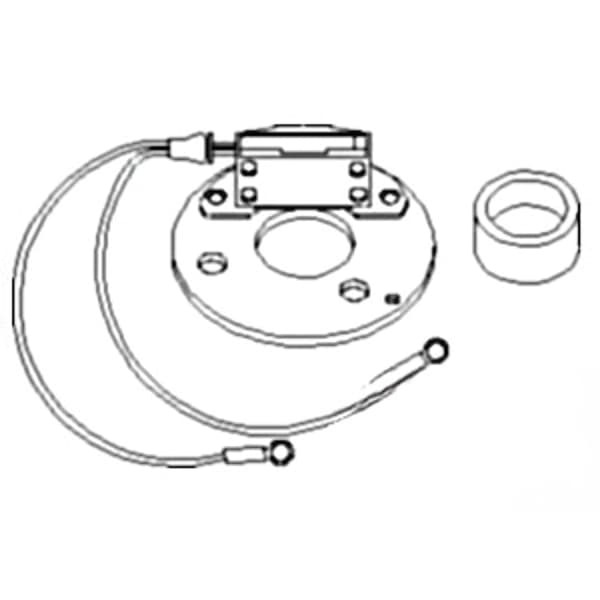
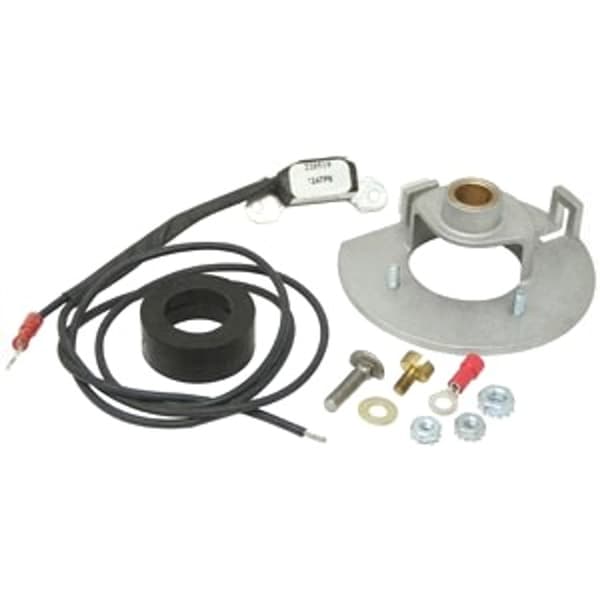
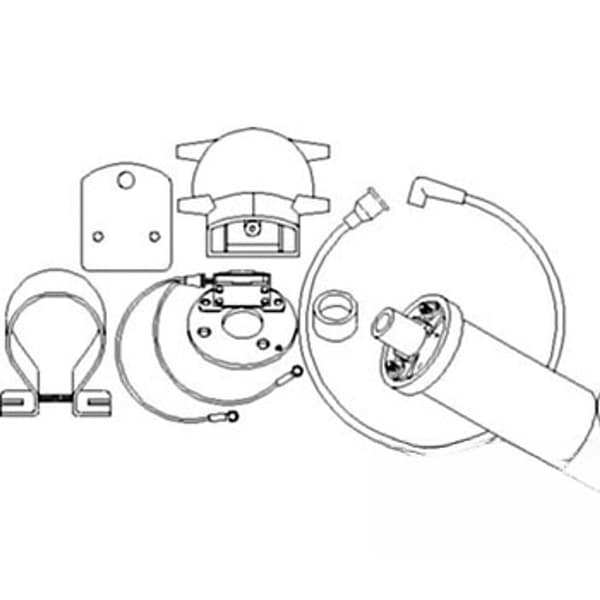
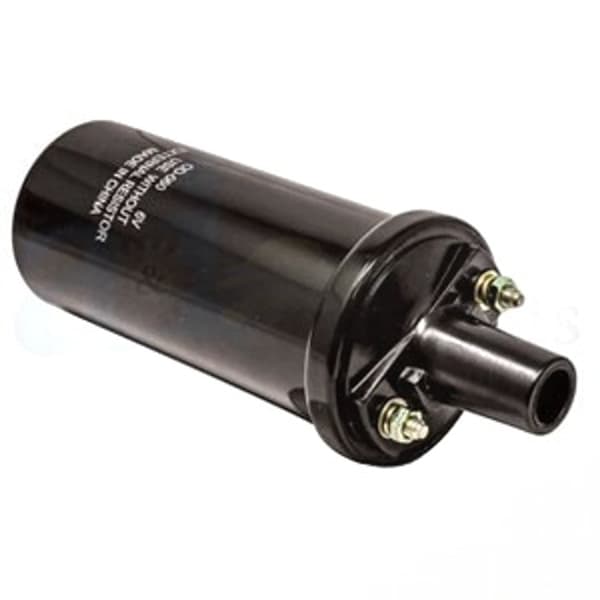
- 12-Volt Coil A 12-volt ignition coil is crucial for proper spark voltage. Using a 6V coil with 12V will damage it. For a complete ignition system upgrade, consider an Ignitor & Coil Conversion Kit, which simplifies the conversion to solid-state electronic ignition. You can also find a standalone 12-Volt Ignitor Kit for your conversion needs.
- Light Bulbs Replace all 6-volt bulbs with 12-volt bulbs.
- Wiring Check the condition of your wiring and replace any damaged or corroded wires. Consider upgrading to thicker gauge wires for improved current flow.
- Ammeter or Voltmeter You'll need a gauge to monitor the charging system.
- Resistor or Ballast Resistor Depending on your ignition system, you may need a ballast resistor to reduce voltage to the coil.
Ford 8N Starter Replacement: Step-by-Step Guide
Replacing the Ford 8N starter is a straightforward process. Before you begin, disconnect the negative battery cable for safety. Always wear safety glasses.
Step 1: Disconnect the Battery
As mentioned, disconnect the negative (-) battery cable from the battery terminal. This prevents accidental shorts and electrical shocks during the repair.
Safety First Always disconnect the battery before working on any electrical components.
Step 2: Accessing the Starter
The starter is located on the left side of the engine (when sitting on the tractor), near the transmission housing. You may need to remove any obstructions, such as shields or covers, to gain clear access.
Step 3: Disconnecting the Wiring
Carefully disconnect the wires connected to the starter solenoid. Typically, there will be a heavy cable from the battery and a smaller wire from the ignition switch. Note the location of each wire for reassembly. Use a wire brush to clean the terminals.
Step 4: Removing the Old Starter
The starter is typically held in place by two bolts. Use a wrench or socket to remove these bolts. Once the bolts are removed, the starter should slide out. It may be necessary to gently tap the starter with a rubber mallet to loosen it if it's stuck. Note the orientation of the starter as you remove it.
Step 5: Installing the New Starter
Position the new 12-volt Ford 8N starter in the same orientation as the old one. Align the mounting holes and insert the mounting bolts. Tighten the bolts securely. Torque specifications vary, but typically around 35-45 ft-lbs is sufficient. Refer to your tractor's service manual for the exact torque specification if available.
Madison Tractor Company carries starters for a wide range of tractors, including John Deere, Case IH, Massey Ferguson, Kubota Ford New Holland. We also stock starters for Allis Chalmers, Deutz, International Harvester, Oliver, White, Gleaner, Vermeer, Hesston, Mahindra Zetor tractors. If you also need a John Deere tractor starter for another machine, now is a good time to pick one up and save on shipping costs.
Step 6: Reconnecting the Wiring
Reconnect the wires to the starter solenoid, ensuring that each wire is connected to the correct terminal. Double-check your notes from Step 3 to avoid incorrect connections. Make sure connections are clean and tight.
Step 7: Reconnecting the Battery
Reconnect the negative (-) battery cable to the battery terminal. Tighten the connection securely.
Step 8: Testing the New Starter
Turn the ignition key to the start position. The starter should engage and crank the engine. If the engine doesn't start, double-check your wiring connections and ensure that the battery is fully charged.
Wiring Considerations for a 12V Conversion
Proper wiring is essential for a successful 12-volt conversion. Here are some key considerations
- Wire Gauge Upgrade to thicker gauge wires, especially for the battery cables and starter wiring, to handle the increased current flow. 4-gauge or 2-gauge wire is recommended for the battery cables.
- Grounding Ensure a good ground connection between the battery, engine chassis. Clean all grounding points thoroughly.
- Polarity Pay close attention to polarity when connecting the battery and other electrical components. Reversing the polarity can damage the electrical system. With a 12V conversion, ensure you are using negative ground as positive ground systems are less common.
Many Ford 8N owners opt to replace the entire wiring harness during a 12V conversion to ensure optimal performance and reliability.
Troubleshooting Common Issues
After completing the 12-volt conversion, you may encounter some common issues. Here are some troubleshooting tips
- Starter Won't Engage Check the battery voltage, wiring connections starter solenoid. A faulty solenoid may need to be replaced.
- Slow Cranking This could be due to a weak battery, poor grounding, or undersized wiring.
- Blown Fuses Check the fuse rating and replace any blown fuses with the correct amperage. If fuses continue to blow, there may be a short circuit in the wiring.
- Charging System Problems Use a multimeter to test the alternator output voltage. The voltage should be between 13.5 and 14.5 volts when the engine is running. A faulty voltage regulator can also cause charging problems. Refer to Ford Tractor Alternator Conversion: Generator to Alternator for more info.
Maintaining Your Ford 8N's Electrical System
Regular maintenance is crucial for keeping your Ford 8N's electrical system in good working order. Here are some tips
- Battery Maintenance Keep the battery terminals clean and corrosion-free. Check the battery water level regularly (for non-sealed batteries).
- Wiring Inspection Inspect the wiring for damage or corrosion. Replace any damaged wires promptly.
- Terminal Cleaning Clean all electrical terminals regularly to ensure good connections.
- Charging System Check Periodically check the charging system voltage to ensure that the battery is being properly charged.
Madison Tractor Company provides a comprehensive range of parts for your Ford 8N, including radiators, water pumps, fuel pumps, carburetors, filtersgaskets. Ensuring the entire machine is in good order contributes to starting reliability.
Additional Resources
For more detailed information about Ford 8N maintenance and repair, consult your tractor's service manual. Online forums and communities dedicated to Ford 8N tractors can also be valuable sources of information and support.
Consider also browsing our other related articles in the "Tractor Electrical, Starter & Alternator Parts" cluster
- John Deere Tractor Starter: OEM Part Numbers & Cross Reference
- Ford Tractor Starter: 2000-7000 Series & New Holland
- Case IH Tractor Starter Motor: All Models & Farmall
- Massey Ferguson Starter Motor: Models 35 to 399
- Kubota Tractor Starter: B, L & M Series Part Numbers
- John Deere Tractor Alternator: Amp Ratings & Part Numbers
- Case IH Tractor Alternator: OEM Replacements by Model
Shop Ford 8N Parts at Madison Tractor Company
Madison Tractor Company is your trusted source for high-quality Ford 8N tractor parts and accessories. We offer a wide selection of starters, alternators, batteries, wiring harnesses other electrical components to keep your tractor running smoothly. Our knowledgeable staff is always available to answer your questions and help you find the right parts for your needs. Browse our online catalog or contact us today for expert assistance. We stock parts for Ford, New Holland, John Deere, Case IH, Massey Ferguson, Kubota and many other brands. We offer quality aftermarket and OEM replacement parts to keep your farm equipment running! Find everything from radiators to water pumps, starters to alternators, hydraulic pumps to cylinders, clutch kits to PTO parts, fuel pumps to carburetors, injectors, filters, gaskets, pistons, bearings, seals, belts, chains, concaves, sickle sections and more!
🔍 Can't Find Your Part?
Use our AI-Powered Part Finder to search by your equipment's make, model, and what you need. It's the fastest way to find the exact part for your machine.
Try the Part Finder →Part of our comprehensive guide
Tractor Starter & Alternator Guide: Find the Right Parts