








John Deere 2010 Starter: Gas & Diesel Replacements
Replacing the starter on your John Deere 2010 tractor can be a straightforward process with the right knowledge. This guide provides a step-by-step approach for both gas and diesel models, ensuring a successful repair and getting you back in the field.
Diagnosing Starter Problems on Your John Deere 2010
A failing starter on your John Deere 2010 can quickly bring your work to a halt. Before you jump into replacing the starter, it's important to properly diagnose the issue. Common symptoms of a bad starter
Recommended Parts for This Guide
4 parts we recommend — in stock, ships fast, one-click add to cart.
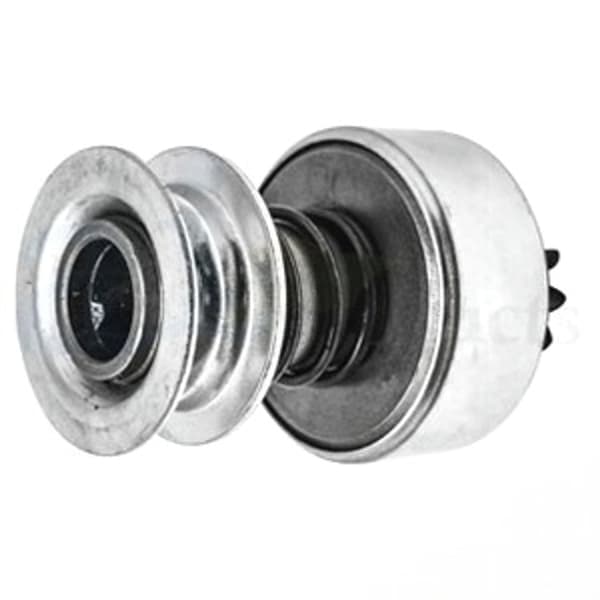
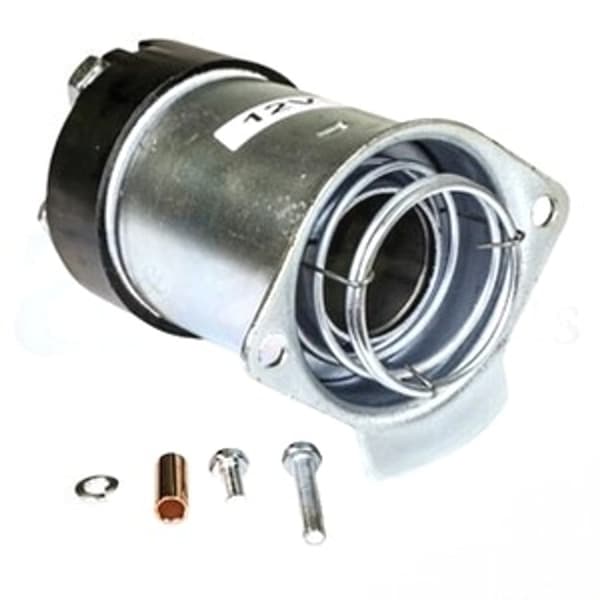
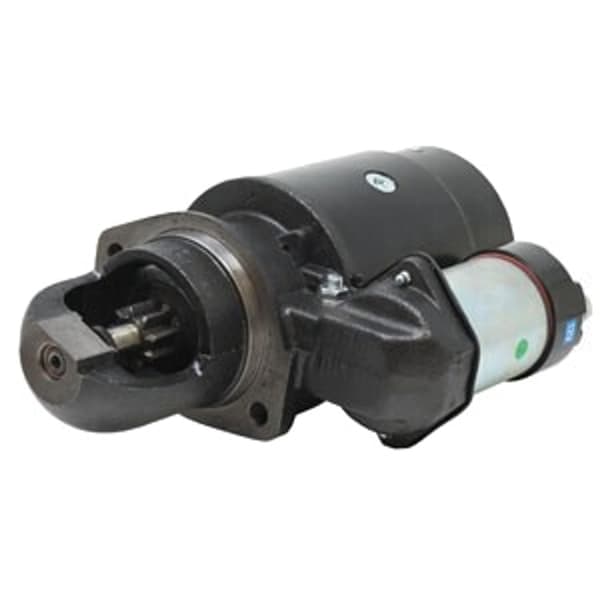
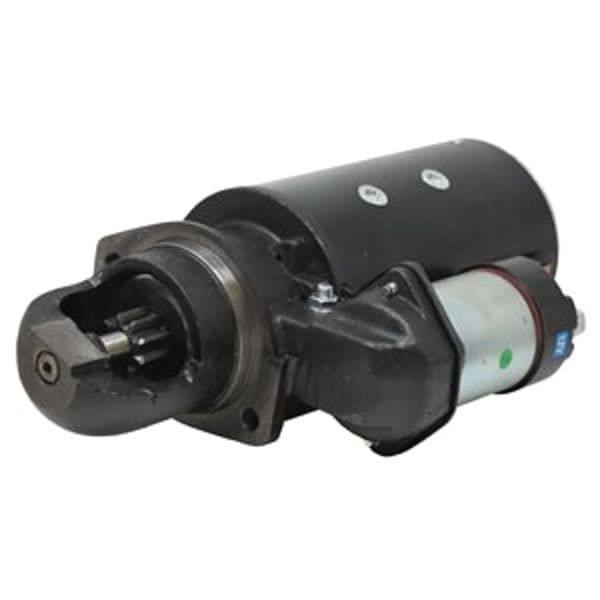
🔍 Looking for a specific part? Try our AI Part Finder — tell it your equipment and what you need, and it will find matching parts instantly.
- Clicking sound when turning the key
- Slow or labored engine cranking
- No response at all when turning the key
- Smoke or burning smell coming from the starter area
First, check the battery voltage. A weak battery is a common cause of starter problems. Ensure the battery terminals are clean and corrosion-free. Also inspect the wiring connections to the starter for any looseness or damage. If the battery and connections are good, the starter itself is likely the culprit. Common failures include the starter drive or the starter solenoid.
Safety First: Disconnecting the Battery
Safety is paramount when working on electrical systems. Before you begin any work on the starter, disconnect the negative (-) battery cable. This prevents accidental shorts and electrical shock. Use a wrench to loosen the nut on the negative terminal and carefully remove the cable. Tuck the cable away from the battery to prevent it from accidentally reconnecting.
Removing the Old John Deere 2010 Starter
The procedure for removing the starter is similar for both gas and diesel John Deere 2010 tractors, but there might be slight variations in the placement of components. Here's a general guide
- Locate the starter The starter is typically mounted to the engine block near the flywheel housing.
- Disconnect the wiring Carefully disconnect the wires connected to the starter solenoid. Take note of the wire locations, or better yet, take a picture before disconnecting them. This will help you reconnect them correctly later.
- Remove the mounting bolts The starter is usually held in place by two or three bolts. Use a wrench or socket to remove these bolts.
- Remove the starter Once the bolts are removed, carefully pull the starter away from the engine block. It may be a snug fit, so you might need to gently wiggle it to loosen it.
Important Support the starter while removing the last bolt to prevent it from dropping.
Choosing the Right replacement starter
Selecting the correct replacement starter is crucial for ensuring proper operation and longevity. Madison Tractor Company offers a wide selection of starters for John Deere, Case IH, Ford, New Holland, Massey Ferguson, Kubota, Allis Chalmers, Deutz, International Harvester, Oliver, White, Gleaner, Vermeer, Hesston, Mahindra Zetor tractors.
When choosing a replacement John Deere tractor starter, consider the following
- OEM Part Number Search available parts
- Voltage Ensure the replacement starter has the same voltage as the original (typically 12 volts).
- Horsepower Select a starter with appropriate horsepower rating for your engine.
- New vs. Remanufactured Both new and remanufactured starters are available. Remanufactured starters are often a more economical option, but make sure they come with a warranty.
Installing the new starter
Installing the new starter is essentially the reverse of the removal process
- Position the starter Carefully align the starter with the mounting holes on the engine block.
- Install the mounting bolts Tighten the mounting bolts to the manufacturer's specified torque. Typically, this is around 30-40 ft-lbs, but consult your service manual for the exact value.
- Connect the wiring Reconnect the wires to the starter solenoid, making sure to connect them to the correct terminals based on the picture or notes you took earlier.
- Reconnect the battery Reconnect the negative (-) battery cable.
John Deere 2010 Starter: Gas vs. Diesel Specifics
While the general process is the same, there are a few differences to consider for gas and diesel models
Gas Models
Gas models generally require a slightly lower torque starter due to the lower compression ratio compared to diesel engines. Ensure the replacement starter is specifically designed for gasoline engines. Fuel system parts are often a point of failure, so consider a new fuel filter at the same time. We carry replacement carburetors for many older tractors at Madison Tractor. See our article on Ford Tractor Starter: 2000-7000 Series & New Holland for examples of fuel system related starter failures.
Diesel Models
Diesel engines require a high-torque starter to overcome the higher compression ratio. Make sure the replacement starter is specifically designed for diesel engines. Some diesel models may have a more complex wiring harness to the starter solenoid, including glow plug circuits. Ensure all connections are secure and properly insulated.
Testing the New Starter
After installing the new starter, it's crucial to test it to ensure it's working correctly
- Turn the key Turn the ignition key to the start position.
- Listen for proper cranking The engine should crank smoothly and start quickly.
- Check for any unusual noises Listen for any grinding or unusual noises coming from the starter area.
If the engine cranks slowly or doesn't start, recheck all wiring connections and ensure the battery is fully charged. If you still experience problems, consult a qualified mechanic.
Maintenance Tips for Starter Longevity
To extend the life of your new starter, consider these maintenance tips
- Keep the battery charged A weak battery puts extra strain on the starter.
- Check wiring connections regularly Ensure all wiring connections are clean and tight.
- Avoid excessive cranking Avoid cranking the engine for extended periods of time. If the engine doesn't start after a few attempts, diagnose the underlying problem before continuing to crank.
- Consider other electrical components When replacing starters, it's a good idea to also inspect your John Deere Tractor Alternator. Issues with the charging system can cause starter problems over time. See our article on John Deere Tractor Alternator: Amp Ratings & Part Numbers for more information.
Madison Tractor Company also carries a complete line of tractor electrical components like alternators, voltage regulators wiring harnesses, as well as other vital tractor parts like radiators, water pumps, hydraulic pumps, clutch kits more.
Shop John Deere 2010 Starter Parts at Madison Tractor Company
Madison Tractor Company is your trusted source for high-quality replacement parts for your John Deere 2010 and other agricultural equipment. We offer a wide selection of starters, alternators, radiators other parts to keep your equipment running smoothly. Browse our online catalog or contact our knowledgeable staff for assistance in finding the right parts for your needs. We carry parts for a wide range of brands, including John Deere, Case IH, Ford, New Holland, Massey Ferguson Kubota.
🔍 Can't Find Your Part?
Use our AI-Powered Part Finder to search by your equipment's make, model, and what you need. It's the fastest way to find the exact part for your machine.
Try the Part Finder →Part of our comprehensive guide
Tractor Starter & Alternator Guide: Find the Right Parts