








John Deere Tractor Alternator: Amp Ratings & Part Numbers
Selecting the correct alternator for your John Deere tractor is crucial for maintaining optimal performance. This guide covers amp ratings, part numbers, and troubleshooting tips to help you keep your tractor running smoothly. Find the right alternator for your John Deere at Madison Tractor!
John Deere Tractor Alternator Guide: Choosing the Right One
A properly functioning alternator is the heart of your John Deere tractor's electrical system, providing power to start the engine, run lights operate other electrical components. Selecting the correct alternator with the appropriate amperage is vital for reliable operation and preventing electrical issues. This guide will help you understand alternator amp ratings, identify the correct OEM part numbers troubleshoot common alternator problems. At Madison Tractor, we understand the importance of keeping your farm equipment running smoothly, offering a wide selection of alternators for John Deere and other major brands like Case IH, Ford, New Holland, Massey Ferguson Kubota.
Recommended Parts for This Guide
10 parts we recommend — in stock, ships fast, one-click add to cart.
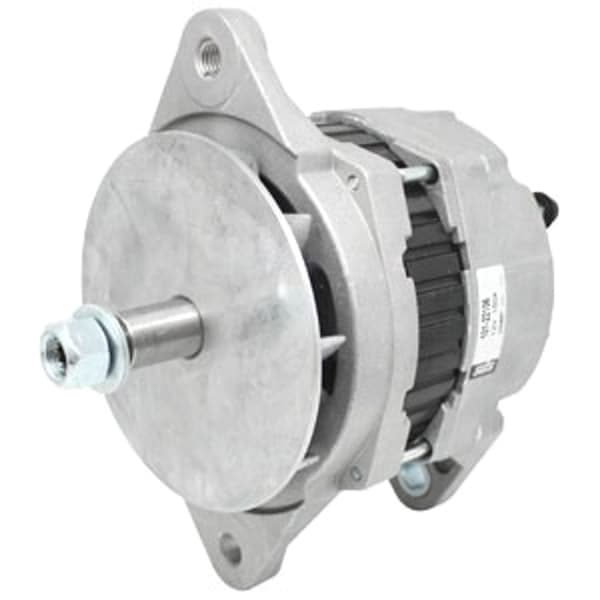
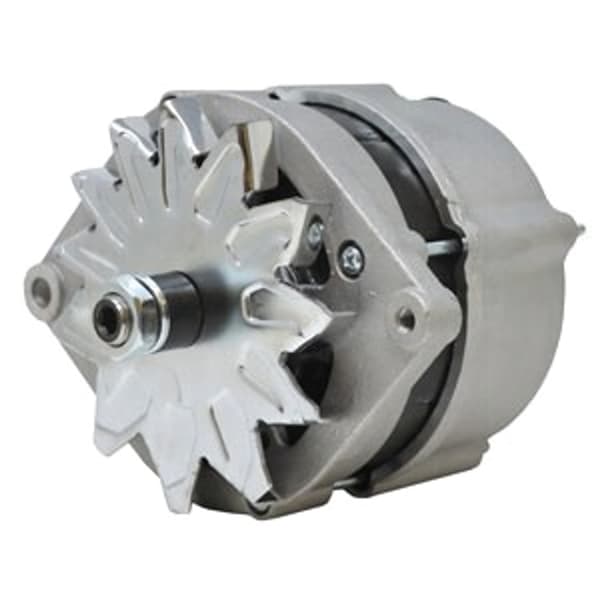
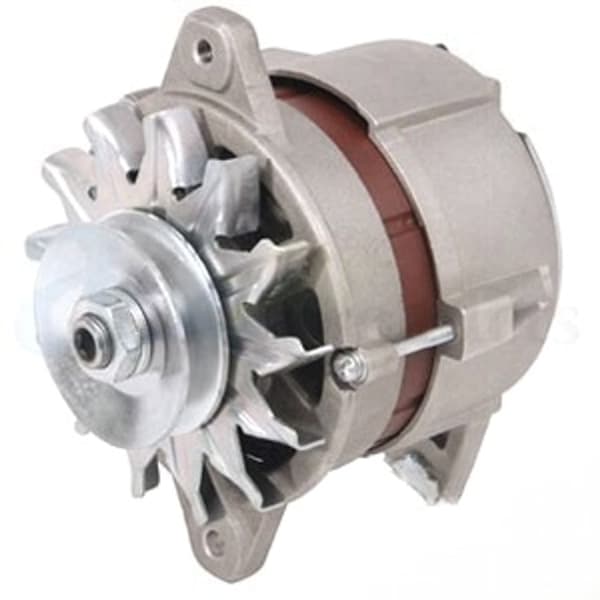
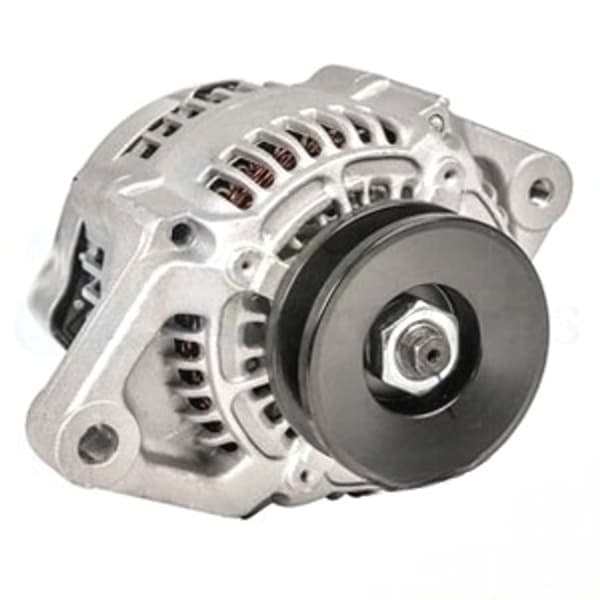
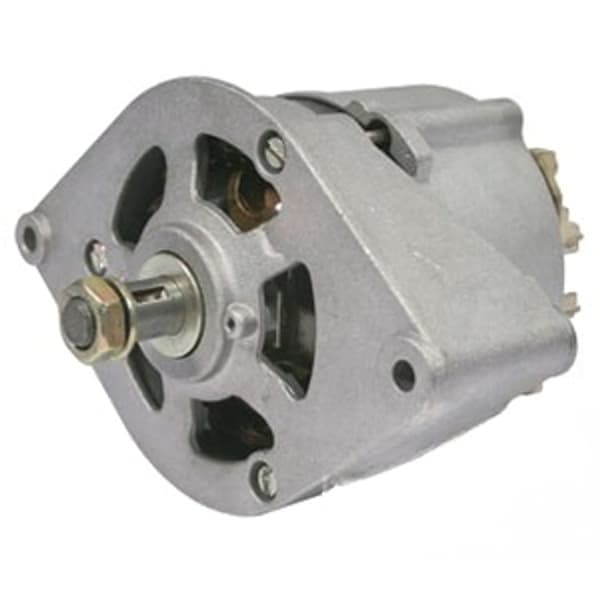
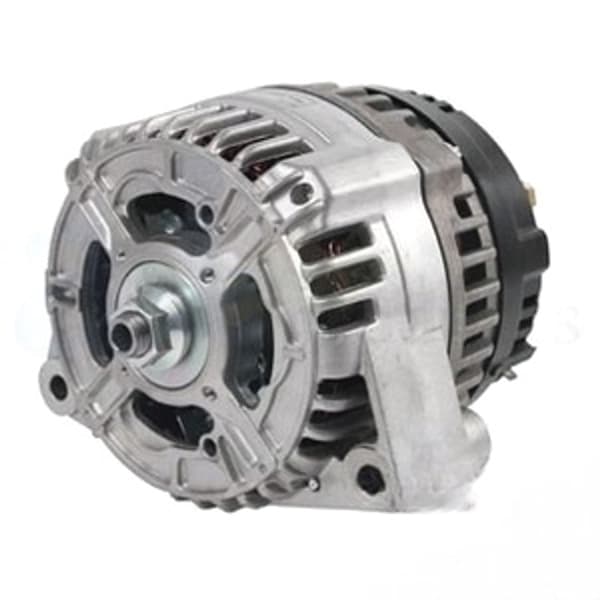
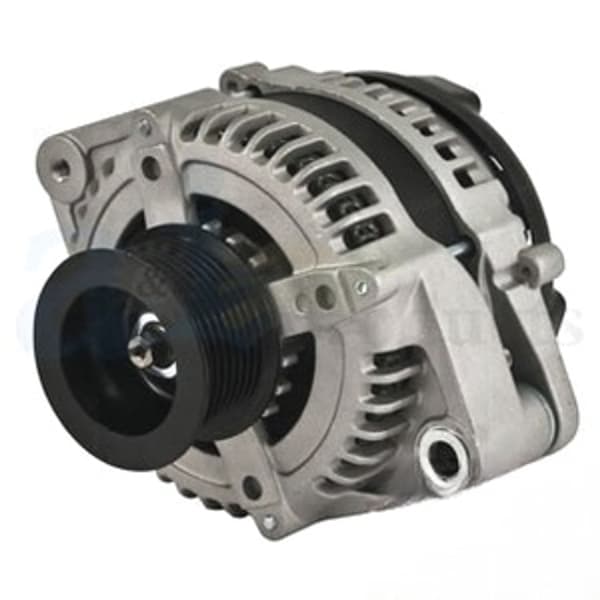
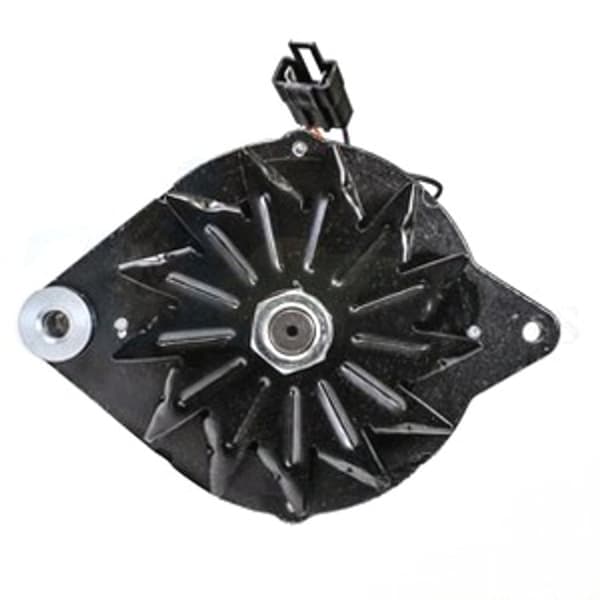
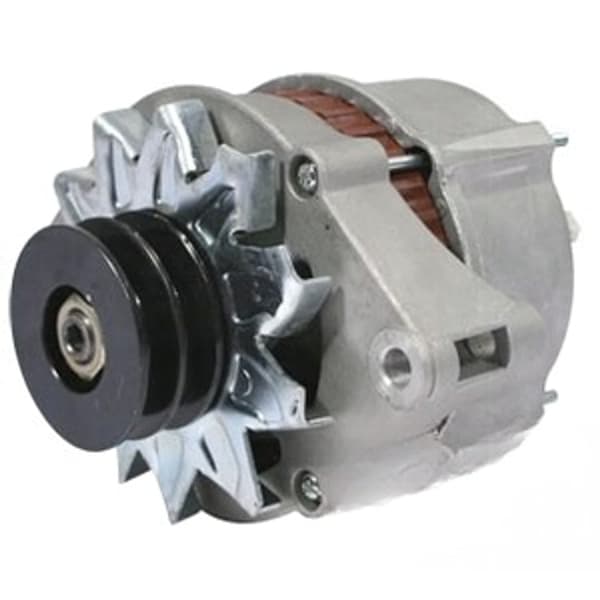
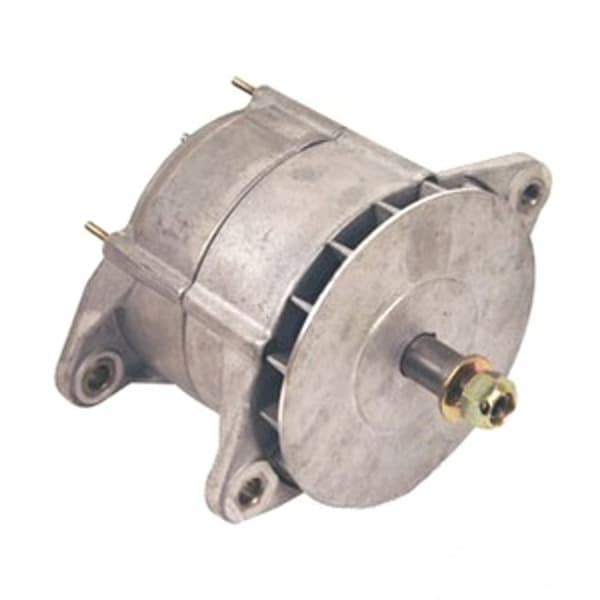
🔍 Looking for a specific part? Try our AI Part Finder — tell it your equipment and what you need, and it will find matching parts instantly.
Understanding Alternator Amp Ratings
The amperage rating of an alternator indicates its maximum output capacity – the amount of electrical current it can deliver. Choosing an alternator with an insufficient amp rating can lead to a variety of problems, including
- Dead Battery The alternator may not be able to fully recharge the battery, especially if the tractor has a lot of electrical accessories.
- Dim Lights Insufficient power can cause lights to dim, particularly at idle.
- Electrical Component Failure Underpowered components can overheat and fail prematurely.
Generally, it's best to choose an alternator with the same or slightly higher amp rating than the original equipment. Consider any added electrical accessories, such as aftermarket lights or GPS systems, when determining the appropriate amperage. Madison Tractor offers alternators in a range of amp ratings to meet your specific needs.
Finding the Correct John Deere Alternator Part Number
The easiest way to ensure you get the right alternator is to find the original equipment manufacturer (OEM) part number. This number is typically stamped on the alternator itself. If you can't locate the part number on the alternator, check your tractor's operator's manual or parts catalog. You can also contact your local John Deere dealer with the tractor's model and serial number.
Here are some common John Deere alternator OEM part numbers and their corresponding tractor models. This list is not exhaustive it's crucial to verify the part number for your specific tractor using the methods described above.
| Tractor Model | OEM Alternator Part Number | Amperage | Notes |
|---|---|---|---|
| John Deere 4020 | TY24309 | 37 Amp | Early Models |
| John Deere 4020 | TY24309 | 55 Amp | Later Models |
| John Deere 4230 | AR62401-N | 37 Amp | |
| John Deere 4240 | AR62401-N | 55 Amp | |
| John Deere 4430 | AR62401-N | 37 Amp | |
| John Deere 4440 | AR62401-N | 55 Amp | |
| John Deere 3020 | SE501356 | 37 Amp | |
| John Deere 3010 | TY6772 | 37 Amp | |
| John Deere 6400 | AL-6331-N | 90 Amp | |
| John Deere 7200 | RE555751 | 90 Amp | |
| John Deere 5045D | R73784 | 65 Amp | |
| John Deere 5075E | R73784 | 65 Amp |
If you can't find the exact OEM part number, Madison Tractor's knowledgeable staff can help you cross-reference it to a compatible replacement. We carry high-quality aftermarket alternators that meet or exceed OEM specifications. We also carry replacement parts for older Allis Chalmers, Deutz, International Harvester, Oliver White tractors.
Troubleshooting Common Alternator Problems
Here are some common signs that your John Deere tractor alternator may be failing
- Dim or Flickering Lights This is often the first sign of a failing alternator.
- Dead Battery A battery that repeatedly dies, even after being fully charged, may indicate an alternator problem.
- Warning Light The battery warning light on the dashboard may illuminate.
- Strange Noises Grinding or whining noises from the alternator area can indicate worn bearings.
- Slow Starting An underperforming alternator may not provide enough power to start the engine quickly. Don't assume it's the starter before ruling out alternator issues. See our guide on John Deere Tractor Starter: OEM Part Numbers & Cross Reference for more information.
Testing Your Alternator
Before replacing your alternator, it's a good idea to test it. You can use a multimeter to check the alternator's output voltage. With the engine running, the alternator should typically produce between 13.5 and 14.5 volts. If the voltage is significantly lower or higher, the alternator may be faulty. A load test can also be performed to check the alternator's output under load. Many auto parts stores will perform a free alternator test. Always consult your tractor's service manual for specific testing procedures. If you're having trouble starting, also check out our article on Kubota Tractor Starter: B, L & M Series Part Numbers, or whichever starter guide applies to your other tractors.
Safety Precautions
Warning Working with electrical systems can be dangerous. Always disconnect the battery cables before working on the alternator. Be sure to disconnect the negative (-) terminal first, then the positive (+) terminal. When reconnecting, connect the positive terminal first, then the negative terminal. If you're not comfortable working on electrical systems, consult a qualified mechanic. Always wear safety glasses and gloves.
Installation Tips
- Disconnect the battery cables.
- Disconnect the wiring harness from the alternator.
- Remove the alternator belt.
- Remove the alternator mounting bolts.
- Remove the old alternator.
- Install the new alternator.
- Reinstall the mounting bolts, belt wiring harness.
- Reconnect the battery cables.
Ensure the alternator belt is properly tensioned. Over-tensioning can damage the alternator bearings, while under-tensioning can cause the belt to slip. Consult your tractor's service manual for the correct belt tension specifications. In some older tractors, you might want to consider an Ford Tractor Alternator Conversion: Generator to Alternator for improved performance and reliability.
If your John Deere also needs other replacement parts like radiators, water pumps, hydraulic pumps, cylinders, clutch kits, PTO parts, fuel pumps, carburetors, injectors, filters, gaskets, pistons, bearings, seals, belts, chains, concaves, or sickle sections, Madison Tractor carries those parts also.
Upgrading Your Alternator
For tractors with heavy electrical loads, such as those with multiple lights, GPS systems, or other accessories, upgrading to a higher amperage alternator can be a worthwhile investment. Madison Tractor offers a range of high-output alternators that can provide more power for demanding applications. Upgrading may require modifications to the wiring harness. Consider what type of load your Case IH Tractor Alternator requires, or Massey Ferguson Alternator - same considerations apply to John Deere tractors as well.
Shop John Deere Tractor Alternators at Madison Tractor
At Madison Tractor, we are committed to providing our customers with high-quality parts and exceptional service. We carry a wide selection of John Deere tractor alternators and other electrical components to keep your equipment running smoothly. Browse our online catalog or contact our knowledgeable parts specialists today to find the right alternator for your tractor. We also carry parts for other makes and models, including Ford tractors, Case IH tractors and Massey Ferguson tractors. Don't let a faulty alternator slow you down – get back to work with Madison Tractor!
🔍 Can't Find Your Part?
Use our AI-Powered Part Finder to search by your equipment's make, model, and what you need. It's the fastest way to find the exact part for your machine.
Try the Part Finder →Part of our comprehensive guide
Tractor Starter & Alternator Guide: Find the Right Parts