








Tractor Voltage Regulator: Testing & Replacement Guide
Is your tractor battery constantly dying or overcharging? A faulty voltage regulator could be the culprit. This guide provides step-by-step instructions for testing and replacing your tractor's voltage regulator to keep your electrical system running smoothly.
A properly functioning electrical system is critical for keeping your tractor running efficiently. One of the most important components in this system is the voltage regulator. The tractor voltage regulator ensures that your battery receives the correct amount of charge, preventing both undercharging and overcharging. This guide will walk you through the basics of voltage regulators, how to diagnose common problems, how to test your voltage regulator how to replace it when necessary. At Madison Tractor Company, we stock a wide range of electrical components, including voltage regulators for John Deere tractors, Case IH voltage regulators parts for many other popular brands. We also carry a full line of tractor parts including radiators, water pumps, starters, alternators, hydraulic pumps more!
Recommended Parts for This Guide
10 parts we recommend — in stock, ships fast, one-click add to cart.
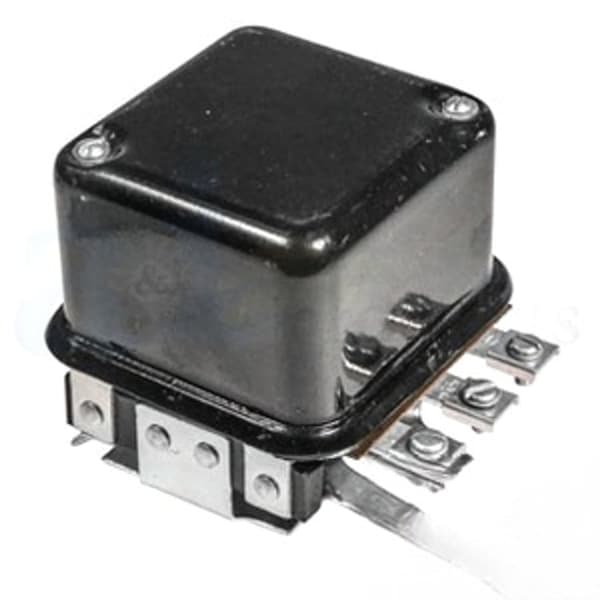
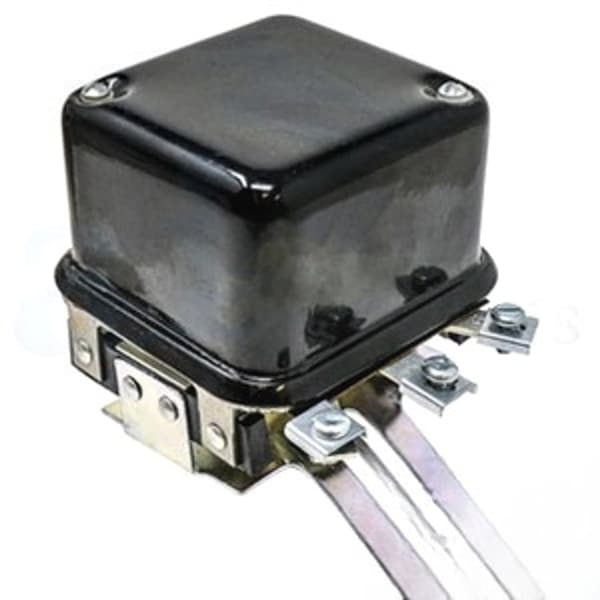
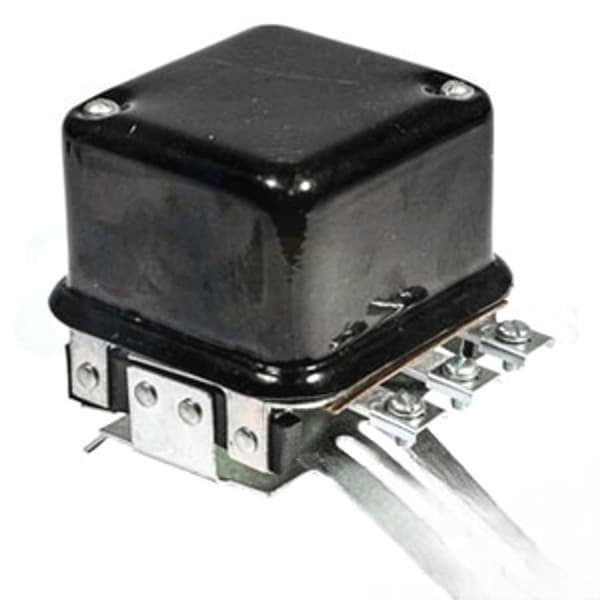
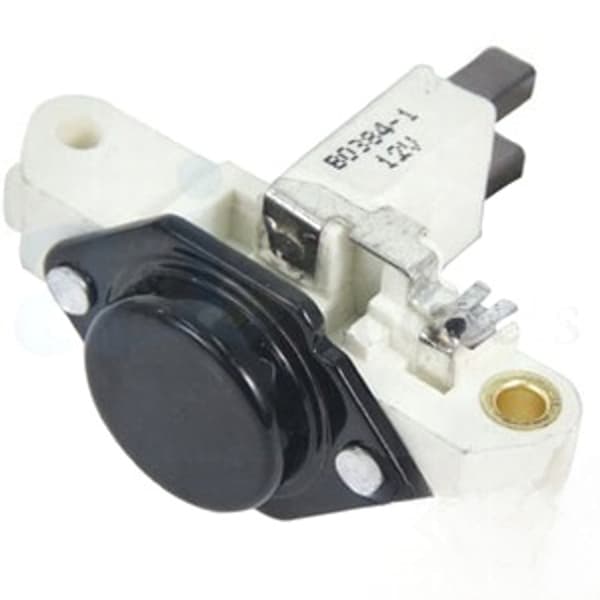
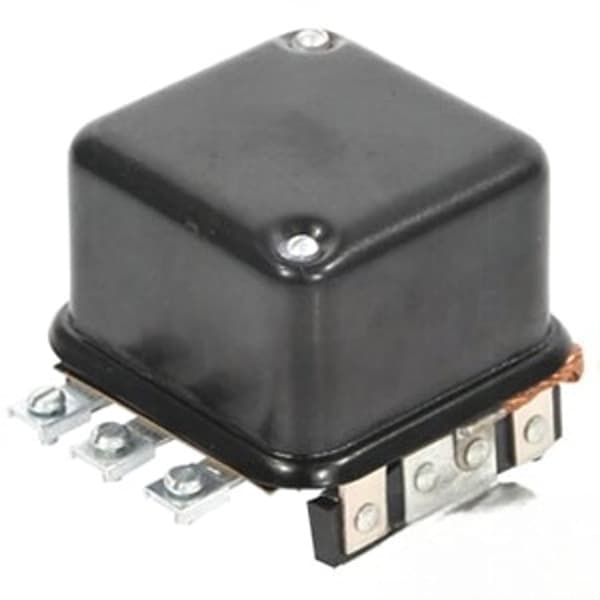
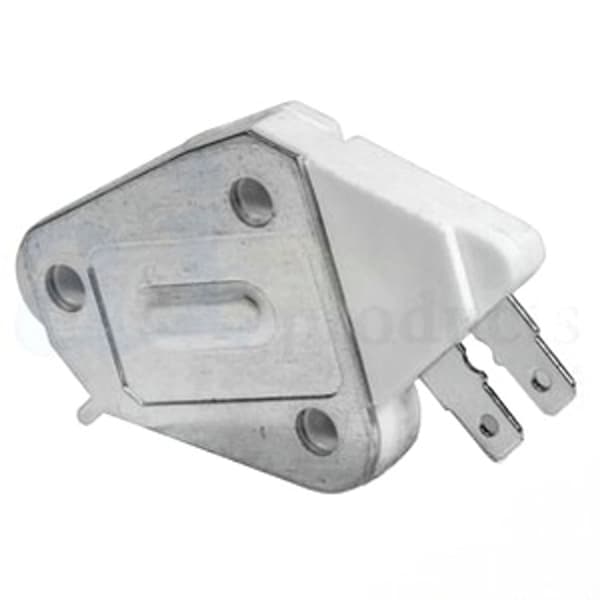
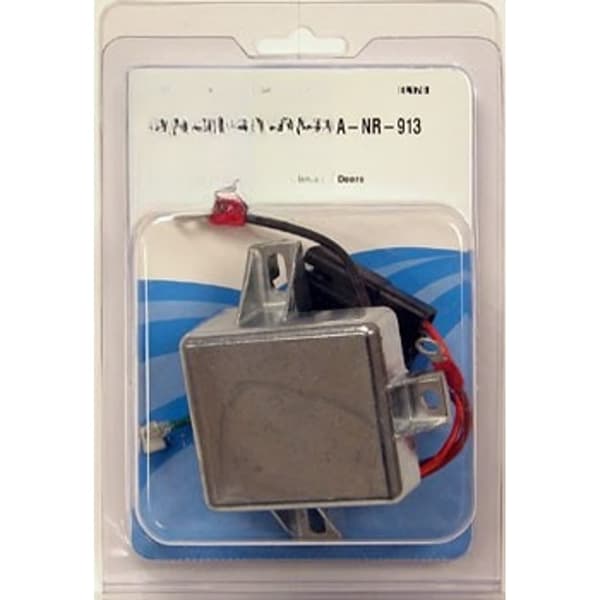
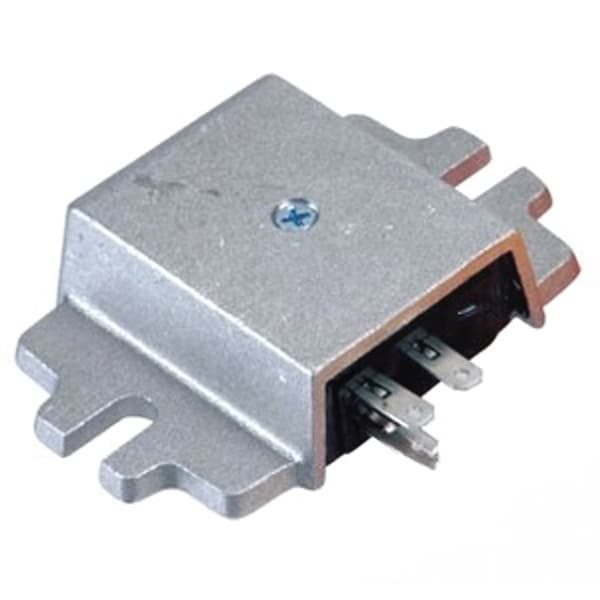
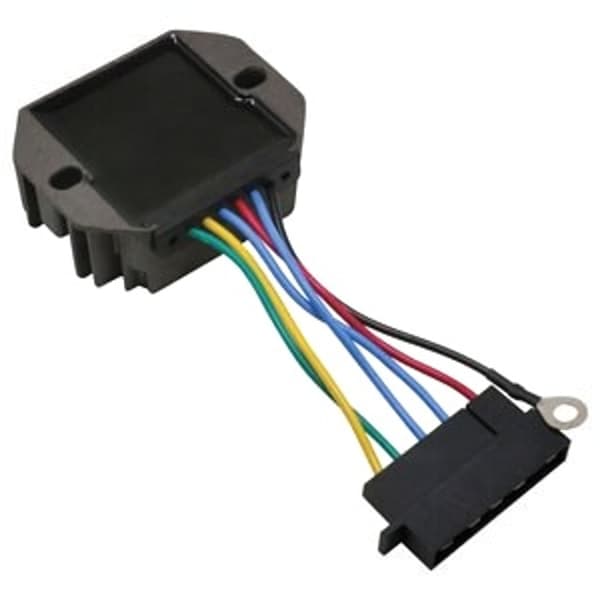
🔍 Looking for a specific part? Try our AI Part Finder — tell it your equipment and what you need, and it will find matching parts instantly.
Understanding Tractor Voltage Regulators
The voltage regulator's main job is to maintain a stable voltage output from the alternator to the battery. Without it, the alternator's output voltage would vary with engine speed, potentially damaging the battery and other electrical components.
- Function Regulates voltage output from the alternator (or generator on older models) to protect the battery and electrical system.
- Location Typically mounted near the alternator or on the firewall.
- Types Primarily electromechanical (older tractors) and electronic (newer tractors). Electromechanical types use contact points and coils, while electronic types use solid-state circuitry for greater reliability and precision.
Common Signs of a Failing Voltage Regulator
Recognizing the symptoms of a bad voltage regulator can save you from more serious electrical problems. Here are some common signs
- Overcharging The battery gets excessively hot, boils over, or emits a strong sulfuric acid smell. This can also damage the battery's internal components.
- Undercharging The battery doesn't hold a charge, causing starting problems or requiring frequent jump-starts.
- Dim or Flickering Lights Inconsistent voltage can cause lights to dim, flicker, or burn out prematurely.
- Erratic Gauge Readings The voltage gauge (if equipped) may fluctuate wildly or display incorrect readings.
- Burnt-Out Bulbs Overvoltage conditions can significantly shorten the lifespan of light bulbs.
These symptoms can sometimes mimic other electrical issues. To properly diagnose a voltage regulator issue, testing is essential.
Safety Precautions
Before performing any electrical work on your tractor, take these precautions
- Disconnect the Battery Always disconnect the negative (-) battery cable first. This prevents accidental shorts and electrical shock.
- Wear Safety Glasses Protect your eyes from potential sparks or flying debris.
- Work in a Well-Ventilated Area Batteries can release hydrogen gas, which is flammable.
- Use Proper Tools Use insulated tools to avoid accidental shorts.
Testing Your tractor voltage regulator
Testing the voltage regulator will determine if it is functioning correctly or needs to be replaced. A multimeter (or voltmeter) is required for these tests.
Preliminary Checks
- Inspect Wiring Check all wiring connections to and from the voltage regulator for corrosion, looseness, or damage. Clean corroded terminals with a wire brush and ensure all connections are tight.
- Check Battery Condition A faulty battery can mimic voltage regulator problems. Make sure your battery is in good condition and fully charged before testing the regulator. A load test is recommended.
- Inspect the Alternator The alternator must be functioning properly for the voltage regulator to work correctly. If you suspect an alternator issue, refer to our article on John Deere Tractor Alternator: Amp Ratings & Part Numbers, or the articles about alternators for Case IH and Ford tractors.
Testing Procedure (Electronic Voltage Regulators)
- Voltage at Battery (Engine Off) Use a multimeter to measure the voltage at the battery terminals with the engine off. A fully charged 12-volt battery should read approximately 12.6 volts.
- Voltage at Battery (Engine Running) Start the engine and let it run at a moderate speed (around 1500 RPM). Measure the voltage at the battery terminals again. The voltage should increase to approximately 13.5 to 14.5 volts. A reading outside this range indicates a potential voltage regulator problem.
- Voltage Drop Test To check for excessive voltage drop in the wiring, measure the voltage between the alternator's output terminal and the positive battery terminal. The voltage drop should be less than 0.5 volts. Higher voltage drops indicate wiring resistance or corrosion.
Testing Procedure (Electromechanical Voltage Regulators)
Testing electromechanical voltage regulators usually requires a specific procedure based on the regulator's design. Generally, you'll be checking contact point gap and voltage settings. Consult your tractor's service manual for detailed instructions specific to your model. For example, a Ford tractor 8N service manual details procedures to test the generator regulator cutout relay and voltage regulator. Many older International Harvester tractors used similar electromechanical designs. Remember to always disconnect the battery ground before working on the regulator.
Replacing Your Tractor Voltage Regulator
If testing confirms that your voltage regulator is faulty, replacement is the best solution. Here's how
- Disconnect the Battery As always, disconnect the negative (-) battery cable first.
- Identify the Voltage Regulator Locate the voltage regulator. It's typically near the alternator or on the firewall.
- Disconnect Wiring Carefully disconnect all wiring from the voltage regulator. Label each wire to ensure proper reconnection later. Taking a photo before disconnecting wires is a good practice.
- Remove the Old Regulator Remove the mounting bolts or screws holding the old voltage regulator in place.
- Install the New Regulator Install the new voltage regulator in the same location, using the original mounting hardware.
- Reconnect Wiring Reconnect all wiring to the new voltage regulator, ensuring each wire is connected to the correct terminal based on your labels or photo.
- Reconnect the Battery Reconnect the negative (-) battery cable.
- Test the System Start the engine and use a multimeter to verify that the charging system is now functioning correctly (13.5 to 14.5 volts at the battery).
Choosing the Right Replacement Voltage Regulator
Selecting the correct replacement voltage regulator is crucial for proper operation. Here's what to consider
- OEM Part Number The best way to ensure compatibility is to use the original equipment manufacturer (OEM) part number. For example, a John Deere tractor might have a voltage regulator part number like. Cross-reference this number at Madison Tractor Company to find a direct replacement or a suitable aftermarket alternative.
- Tractor Model and Year If you don't have the OEM part number, provide your tractor's model and year to the parts supplier. Voltage regulators are often model-specific. For example, the voltage regulator for a Massey Ferguson 135 may be different from the one used on a Massey Ferguson 240. We carry voltage regulators for Massey Ferguson, Kubota, Allis Chalmers, Deutz, New Holland, Oliver, White, Gleaner, Vermeer, Hesston, MahindraZetor tractors.
- Voltage and Amperage Ratings Ensure the replacement voltage regulator has the same voltage and amperage ratings as the original. For example, we offer 12-volt voltage regulators like SKU 1118791, 6-volt voltage regulators such as SKU 1118790. For specific engine types, like those needing a 12-volt 15 amp unit for Kohler engines, consider parts like B1KO40 - Voltage Regulator.
- Type Choose the correct type of voltage regulator (electromechanical or electronic) for your tractor.
- Quality Invest in a reputable brand known for quality and reliability.
Remember to consult your tractor's service manual for specific instructions and torque specifications.
Related Tractor Electrical, Starter & Alternator Parts
A well-maintained electrical system is crucial for reliable tractor operation. Don't forget to inspect other components of your tractor's electrical system. For example, a failing starter can put extra strain on your battery and charging system. See our guides on John Deere tractor starter, Ford tractor starter, Case IH tractor starter motor, Massey Ferguson starter motorKubota tractor starter for troubleshooting and replacement information.
Madison Tractor Company: Your Trusted Parts Supplier
At Madison Tractor Company, we're committed to providing you with high-quality tractor parts at competitive prices. We carry a wide selection of voltage regulators, alternators, starters other electrical components for all major tractor brands, including John Deere, Case IH, Ford, Massey Ferguson more. Whether you need a voltage regulator for a vintage Allis Chalmers or a new alternator for your John Deere combine, we've got you covered. We also stock a huge inventory of other essential parts, including fuel pumps, carburetors, injectors, filters, gaskets, pistons, bearings, seals, belts, chains, concavessickle sections.
Browse our extensive online catalog or contact our knowledgeable parts specialists today to find the right parts for your tractor. We are here to help you keep your equipment running smoothly! You can also use our AI-Powered Part Finder to search for parts by your specific make and model.
Part of our comprehensive guide
Tractor Starter & Alternator Guide: Find the Right Parts