








Tractor Starter Relay: Wiring, Testing & Replacement
Having trouble starting your tractor? The starter relay could be the culprit. This guide covers diagnosing, wiring, and replacing your tractor's starter relay, ensuring a smooth start every time.
Understanding the Tractor Starter Relay
The tractor starter relay is a critical component in your tractor's electrical system. It acts as an intermediary switch, allowing a small current from the ignition switch to control the much larger current needed to power the starter motor. Without a functioning starter relay, your tractor simply won't start. Think of it as the gatekeeper, opening the floodgates of power to get your engine turning.
Recommended Parts for This Guide
10 parts we recommend — in stock, ships fast, one-click add to cart.
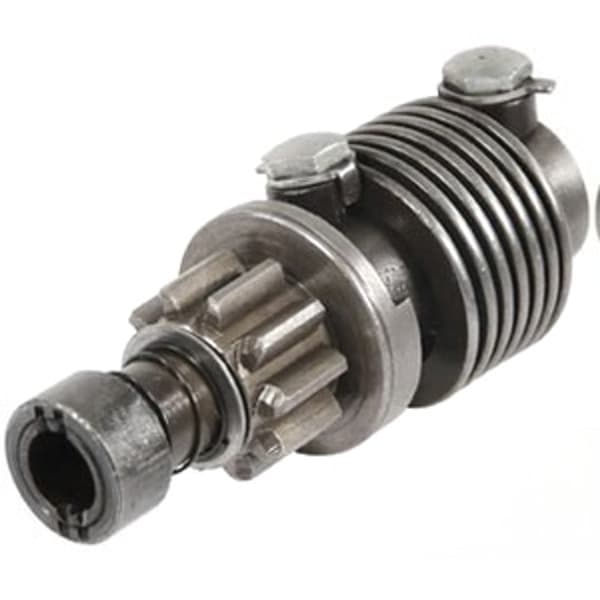
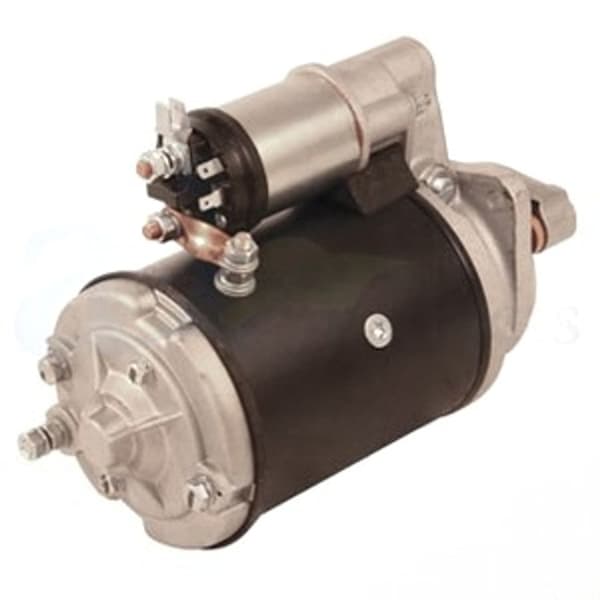
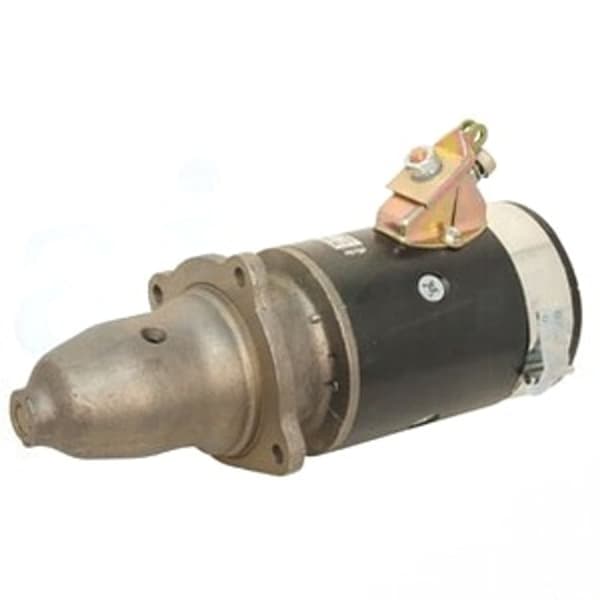
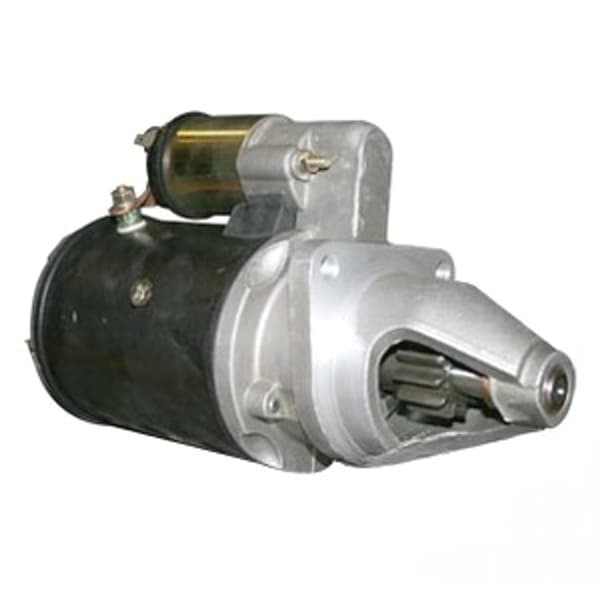
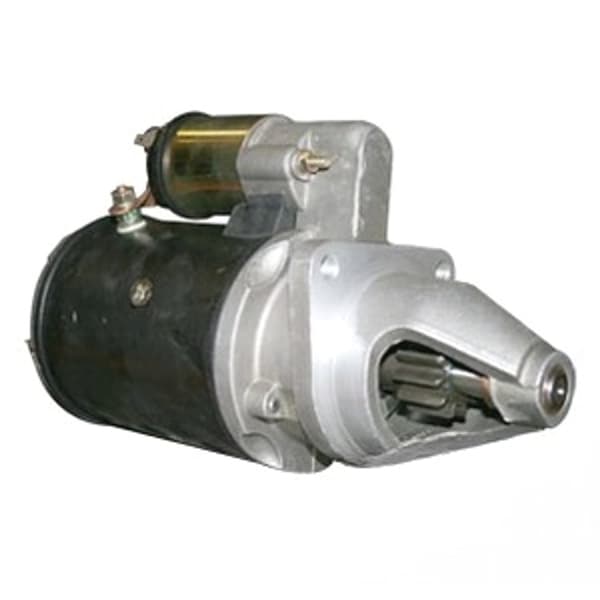
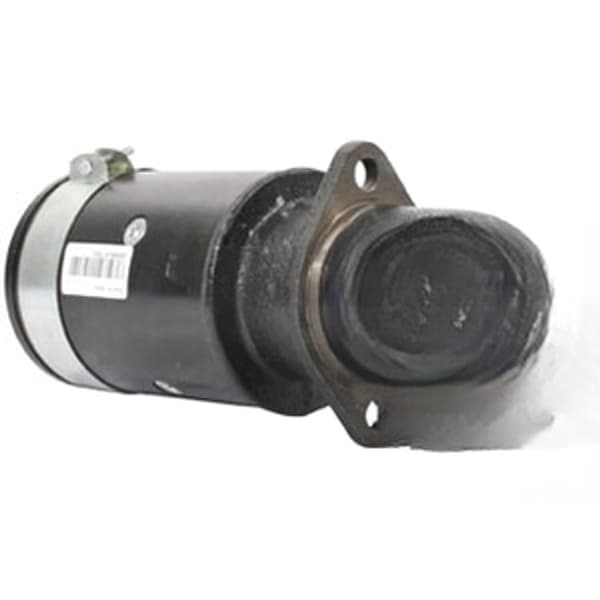
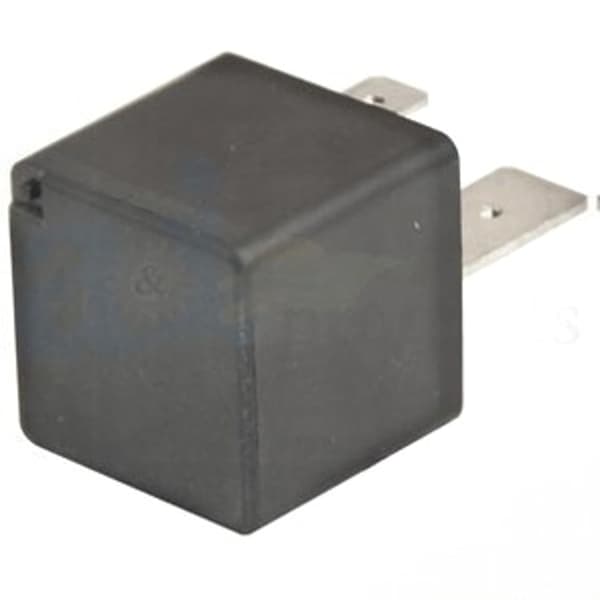
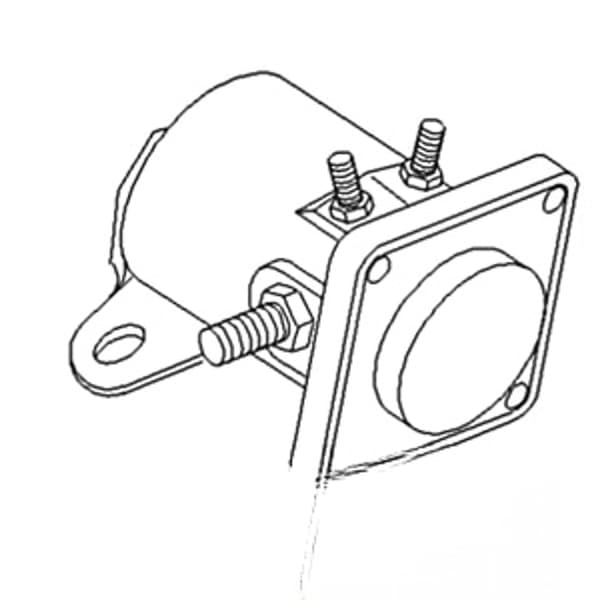
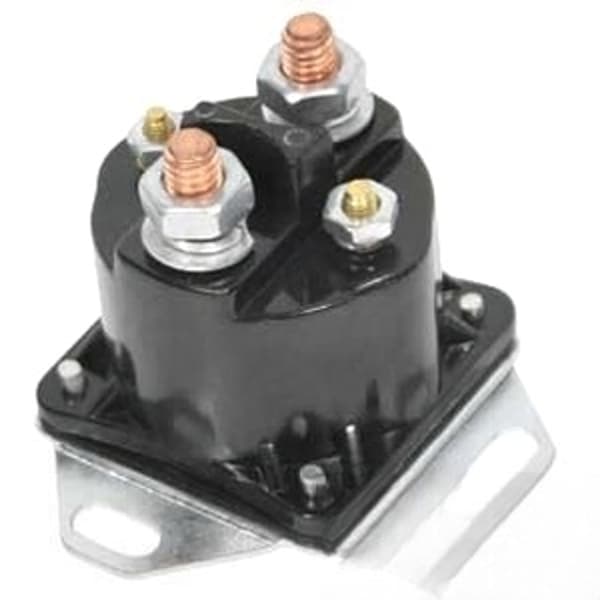
🔍 Looking for a specific part? Try our AI Part Finder — tell it your equipment and what you need, and it will find matching parts instantly.
This article will guide you through the troubleshooting, wiring replacement of a tractor starter relay. We'll cover common issues, testing procedures practical advice to get your tractor back up and running. Whether you're working on a classic Ford, a modern John Deere, or anything in between, understanding the starter relay is essential.
Remember, at Madison Tractor Company, we stock a wide range of starter relays and other electrical components for most major tractor brands, including John Deere, Case IH, Ford, New Holland, Massey Ferguson, Kubota, Allis Chalmers, Deutz, International Harvester, Oliver, White, Gleaner, Vermeer, Hesston, Mahindra and Zetor.
Identifying a Faulty Tractor Starter Relay
Before diving into testing, let's identify the telltale signs of a bad starter relay
- Clicking Sound with No Start This is the most common symptom. You turn the key, hear a click (or multiple clicks) from the relay, but the starter motor doesn't engage. This indicates the relay is receiving power but not properly transferring it to the starter.
- No Sound at All In some cases, a faulty relay will be completely silent. This could be due to a broken coil or a complete internal failure.
- Intermittent Starting Problems Sometimes the tractor starts fine, other times it doesn't. This suggests a failing relay with loose connections or internal corrosion.
- Starter Stays Engaged While less common, a shorted relay can cause the starter to stay engaged even after releasing the key, potentially damaging the starter motor.
Safety First!
WARNING Working with electrical systems involves inherent risks. Always disconnect the battery's negative terminal before working on the starter relay or any other part of the electrical system. Wear appropriate safety gear, including eye protection. If you are not comfortable working with electrical systems, consult a qualified mechanic.
Testing the Tractor Starter Relay
Here's how to test your tractor starter relay using a multimeter. You'll need a multimeter that can measure DC voltage and continuity.
- Visual Inspection Begin by visually inspecting the relay for any signs of damage, such as cracks, corrosion, or burnt terminals. Clean any corrosion with a wire brush.
- Voltage Test (Control Circuit)
- Reconnect the battery (temporarily).
- Set the multimeter to DC voltage.
- Locate the small terminals on the relay – these are the control circuit terminals. Usually one will have a wire coming from the ignition switch.
- Turn the ignition key to the start position.
- Place the multimeter probes on the small terminals. You should see a voltage reading (typically 12V) indicating that the ignition switch is sending power to the relay. If no voltage is present, the problem lies upstream (ignition switch, wiring, or safety switches).
- Disconnect the battery negative cable again.
- Continuity Test (Relay Coil)
- Set the multimeter to the continuity setting (usually indicated by a diode symbol or a speaker icon).
- Place the multimeter probes on the two small terminals. You should hear a beep or see a low resistance reading (typically between 50-200 ohms). This indicates the relay coil is intact. If there's no continuity (infinite resistance), the coil is broken the relay needs to be replaced.
- Voltage Drop Test (Power Circuit)
- With the battery disconnected, disconnect the two large terminals of the relay.
- Using jumper cables, connect one large terminal to the positive post of the battery the other to the negative post. The relay should “click” audibly.
- Reconnect the starter relay to the tractor’s wiring harness if it passed the audible test.
If the relay fails any of these tests, it's time for a replacement.
Tractor Starter Relay Wiring Diagram (Simplified)
While wiring diagrams can vary slightly depending on the tractor model, the basic principle remains the same
- Battery Cable A heavy-gauge cable runs from the battery positive (+) terminal to one of the large terminals on the relay.
- Starter Motor Cable Another heavy-gauge cable runs from the other large terminal on the relay to the starter motor.
- Ignition Switch Wire A smaller-gauge wire runs from the ignition switch to one of the small terminals on the relay. This wire carries the signal to activate the relay.
- Ground Wire The other small terminal on the relay is connected to ground (either directly to the chassis or through a wiring harness).
Example On many older Ford tractors (like the 8N, NAA Hundred series), the starter relay is often mounted on the starter itself, simplifying the wiring. For Ford tractor starters, ensure you use the correct relay for your specific model and year, as amperage requirements may vary.
Replacing the Tractor Starter Relay
Replacing a tractor starter relay is a straightforward process
- Disconnect the Battery As always, disconnect the battery's negative terminal.
- Identify and Label Wires Carefully identify and label each wire connected to the old relay before disconnecting them. This will prevent confusion during reassembly. A simple piece of masking tape and a marker work well.
- Remove the Old Relay Disconnect the wires and remove the old relay.
- Install the New Relay Connect the wires to the new relay, matching the labels you created earlier. Ensure all connections are clean and secure.
- Secure the Relay Mount the new relay in its original location.
- Reconnect the Battery Reconnect the battery's negative terminal.
- Test Turn the ignition key to the start position. The starter motor should engage and start the engine.
Tip When replacing the starter relay, consider inspecting the starter motor itself. A worn starter can put extra strain on the relay, shortening its lifespan. We offer a wide selection of starters for various tractor brands, including John Deere tractor starters, Case IH tractor starter motor, Massey Ferguson starter motor and Kubota tractor starters.
Common Starter Relay Part Numbers & Cross-References
While specific part numbers vary by brand and model, here are a few common starter relay part numbers and cross-references
- Delco-Remy Often used in older tractors, look for numbers like 1115642 or 1115876.
- Ford/New Holland SW-3 is a common replacement number for many Ford models.
Note Always verify the correct part number for your specific tractor model before ordering a replacement. Our website features a comprehensive parts lookup tool to help you find the right tractor starter relay. If you need assistance, our knowledgeable customer service team is always ready to help.
Preventative Maintenance
While starter relays are relatively reliable, following these preventative maintenance tips can extend their lifespan
- Keep Connections Clean and Tight Regularly inspect and clean the terminals and wiring connected to the relay. Use a wire brush to remove any corrosion.
- Protect from Moisture Moisture can accelerate corrosion and lead to relay failure. If your tractor is exposed to wet conditions, consider applying a dielectric grease to the relay terminals.
- Check Battery Condition A weak battery can put extra strain on the starter relay. Ensure your battery is properly charged and in good condition.
Madison Tractor Company: Your Partner in Tractor Repair
At Madison Tractor Company, we're committed to providing farmers and ranchers with the high-quality parts and expert advice they need to keep their tractors running smoothly. From starter relays and starters to alternators, radiators, fuel pumps everything in between, we have you covered.
Shop our extensive online catalog today and find the perfect parts for your John Deere, Case IH, Ford, New Holland, Massey Ferguson, Kubota, or other tractor brand. And don't forget to check out our other helpful guides in the Tractor Electrical, Starter & Alternator Parts cluster for more information on maintaining your tractor's electrical system! You can also use our AI-Powered Part Finder to search for parts by your specific make and model.
Part of our comprehensive guide
Tractor Starter & Alternator Guide: Find the Right Parts