








Tractor Wiring Harness Replacement: Brand-Specific Diagrams
Replacing a tractor wiring harness can seem daunting, but with the right diagrams and a methodical approach, it's a manageable task. This guide provides brand-specific information and general tips for a successful harness replacement.
Understanding Tractor Wiring Harnesses
A tractor wiring harness is the central nervous system of your machine, connecting all electrical components and ensuring they function correctly. Over time, these harnesses can deteriorate due to age, exposure to the elements, rodent damage, or simple wear and tear. Symptoms of a failing harness include intermittent electrical issues, flickering lights, difficulty starting, and even complete electrical failure. Don't confuse a failing starter with wiring issues; check out our guides to John Deere tractor starters, Ford tractor starters, Case IH tractor starters, Massey Ferguson starters, and Kubota tractor starters to eliminate the possibility of a faulty starter motor.
Recommended Parts for This Guide
8 parts we recommend — in stock, ships fast, one-click add to cart.
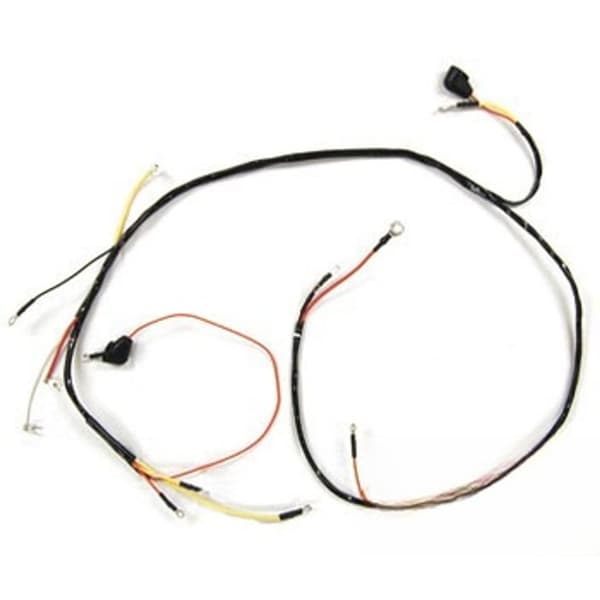
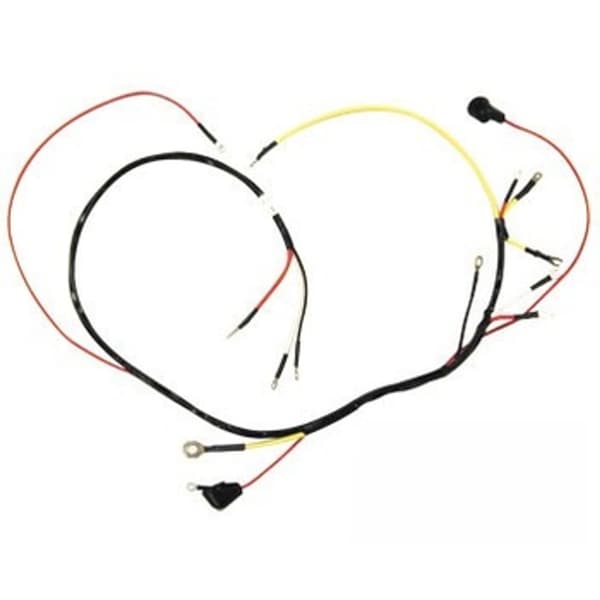
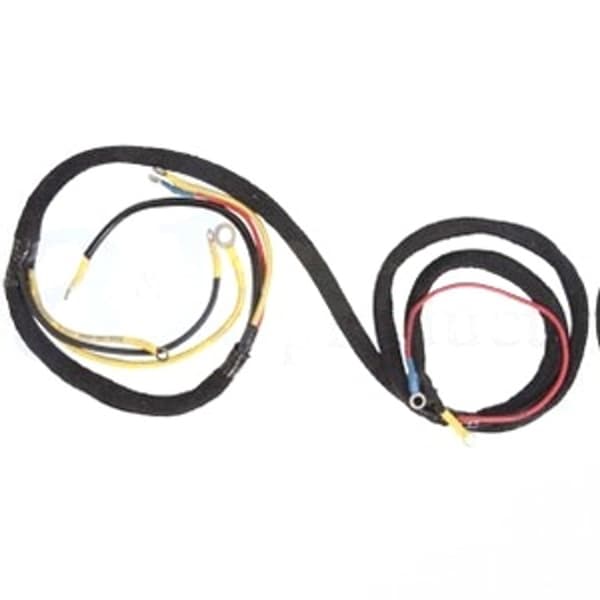
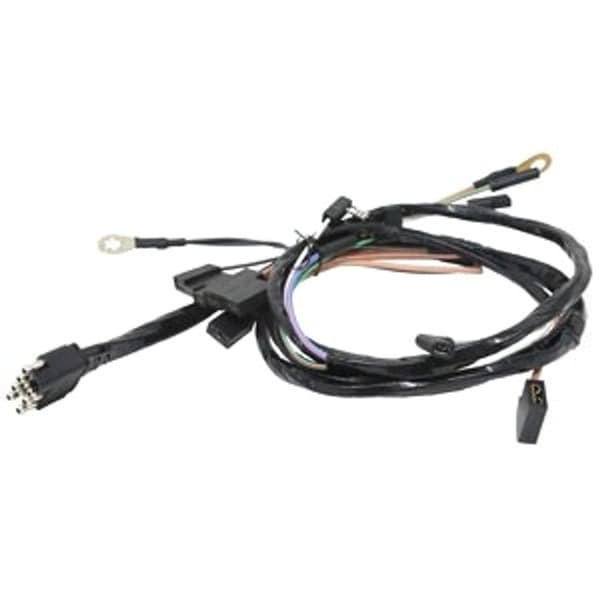
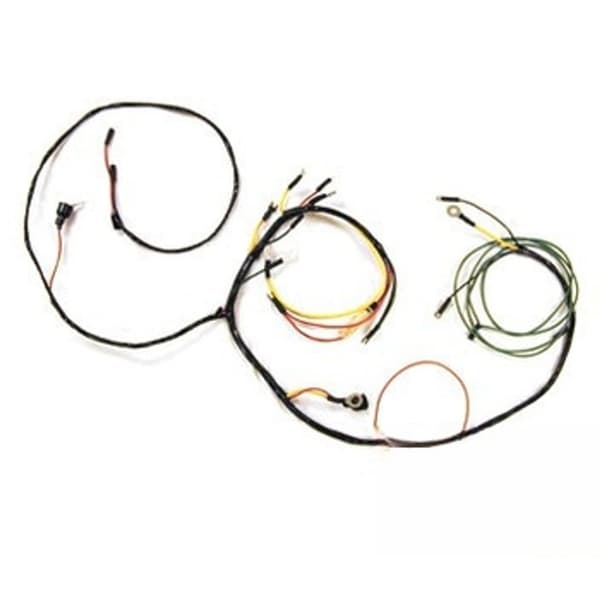
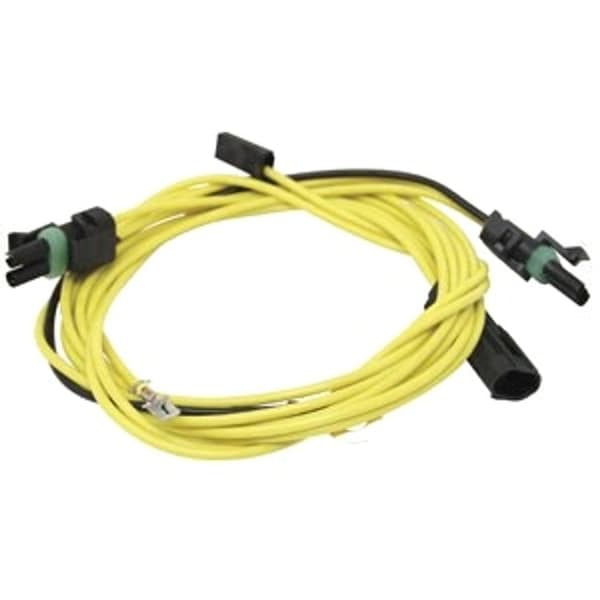
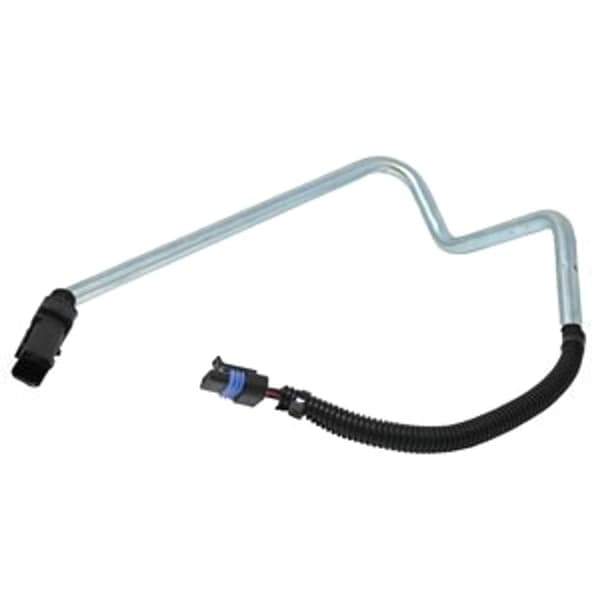
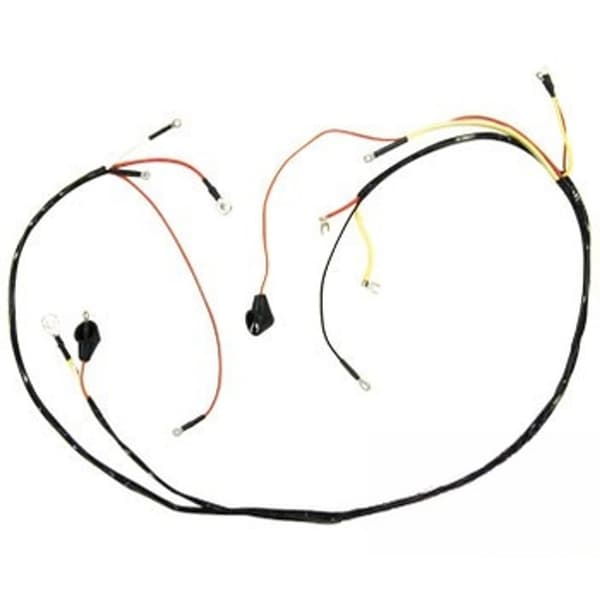
🔍 Looking for a specific part? Try our AI Part Finder — tell it your equipment and what you need, and it will find matching parts instantly.
Safety First
Before you begin any electrical work on your tractor, disconnect the battery! This is a crucial safety step to prevent electrical shock or damage to your tractor's electrical system. Also, make sure the tractor is parked on a level surface, the engine is off, and the parking brake is engaged. Have a fire extinguisher nearby, just in case. Wear appropriate safety glasses and gloves to protect yourself during the repair process.
General Steps for Tractor Wiring Harness Replacement
- Diagnosis: Confirm that the wiring harness is indeed the problem. Use a multimeter to check for continuity and voltage at various points in the system. Compare your readings to the tractor's wiring diagram.
- Preparation: Gather your tools: wire strippers, crimpers, a multimeter, electrical tape, zip ties, and a new wiring harness. It's also helpful to have a camera to document the original wiring configuration before you start disconnecting anything.
- Disconnection: Carefully disconnect the old wiring harness, labeling each wire as you go. Take photos of the connections before disconnecting them to help with reassembly. Pay close attention to how the harness is routed and secured.
- Installation: Install the new wiring harness, following the same routing and securing methods as the original. Connect each wire according to your labels and the wiring diagram. Double-check all connections to ensure they are secure.
- Testing: Reconnect the battery and test the electrical system. Check all lights, switches, and other electrical components to ensure they are functioning correctly.
Brand-Specific Wiring Diagrams and Tips
Wiring diagrams vary significantly between brands and models. Always consult the correct diagram for your specific tractor. Many diagrams are available online or in your tractor's service manual. If you are converting a generator to an alternator (check out our guide to Ford tractor alternator conversions), you will almost certainly need to update your wiring.
John Deere
John Deere wiring harnesses are generally well-organized and labeled. When replacing a harness on a John Deere tractor, pay close attention to the grounding points. Poor grounding can cause a variety of electrical problems. For example, on a John Deere 4020, ensure the main ground strap from the battery to the frame is clean and tight. Check for corrosion on the battery terminals and clean them if necessary. Common issues in older John Deere tractors include corroded connectors and frayed wires near the steering column. Consider using dielectric grease on all connections to prevent future corrosion. Many John Deere alternators are available here. Replacing your alternator? Be sure to check your amp ratings (John Deere tractor alternator guide).
Case IH / International Harvester
Case IH and International Harvester tractors often have complex wiring systems, especially models with advanced features. Documenting the original wiring is critical before disconnecting anything. These machines are also susceptible to having failing alternators (Case IH tractor alternator guide). Many older International Harvester models, such as the Farmall H and M, have relatively simple wiring harnesses, but the wires can become brittle and cracked over time. Ensure the harness is properly supported to prevent chafing. When working on a Case IH tractor, such as a 7140 Magnum, pay attention to the wiring for the A/C and hydraulic systems, as these can be particularly complex. When replacing the harness near the cab, such as a cab roof pressure switch wiring harness, check for any worn or damaged cab mounts, as these can contribute to vibration and wire damage. Don't neglect the starter! Find more on the Case IH tractor starter.
Ford / New Holland
Ford and New Holland tractors are known for their reliability, but their wiring harnesses can still suffer from wear and tear. Focus on the ignition switch and starter solenoid wiring, as these are common points of failure. On older Ford tractors, such as the 8N or 9N, the wiring is often exposed and vulnerable to damage. Protect the new harness with conduit or split loom tubing. On newer New Holland tractors, be careful when working with the electronic control units (ECUs) and sensors. Static electricity can damage these components, so ground yourself before touching them. Remember to consult our guide to Ford tractor starters. If you suspect the alternator is failing, review our guide to Ford tractor alternator conversions.
Massey Ferguson
Massey Ferguson tractors, particularly the older models, often have simple but robust wiring systems. However, corrosion can be a significant problem, especially in coastal areas. Clean all connections thoroughly and apply dielectric grease. Many older Massey Ferguson tractors, such as the MF 35 and MF 135, use a Lucas electrical system, which can be prone to issues. Consider upgrading to a more modern system if you are experiencing frequent problems. See more about Massey Ferguson starters here. Pay close attention to the wiring for the lights and indicators, as these are often the first to fail. Many Massey Ferguson radiators and other parts are available through our website.
Kubota
Kubota tractors are generally very reliable, but their compact size can make accessing the wiring harness challenging. Take your time and work carefully to avoid damaging any other components. Kubota's wiring harnesses are often bundled tightly, so use zip ties to keep the new harness organized. Because these often have small alternators, confirm the correct rating when troubleshooting issues. Check our guide to Kubota tractor starters if you suspect the starter motor is failing. These often use Japanese Industrial Standard (JIS) connectors, so be sure to use the correct tools when working with the wiring.
Other Brands
We also carry parts for Allis Chalmers, Deutz, Oliver, White, Gleaner, Vermeer, Hesston, Mahindra, and Zetor tractors. While specific wiring diagrams vary, the general principles of diagnosis, preparation, disconnection, installation, and testing remain the same. Always consult the service manual for your specific model.
Troubleshooting Tips
- Intermittent Issues: These can be the hardest to diagnose. Check for loose connections, corroded terminals, and frayed wires. Use a multimeter to check for voltage drops along the harness.
- Short Circuits: These can cause blown fuses or even fires. Use a circuit breaker to locate the short without blowing multiple fuses.
- Open Circuits: These can prevent components from working. Use a multimeter to check for continuity along the harness.
- Grounding Problems: These can cause a variety of issues, including dim lights, weak starting, and erratic electrical behavior. Check all grounding points to ensure they are clean and tight.
Beyond the Wiring Harness
While you're addressing your tractor's electrical system, consider the condition of other key components. Replacing a wiring harness can often highlight weaknesses in the starter, radiator, or even fuel system. Regular maintenance, including checking and replacing filters, belts, and hoses, is crucial for keeping your tractor running smoothly. Consider any related repairs while the tractor is disassembled, such as water pumps, hydraulic pumps, clutch kits, and PTO parts.
Shop Tractor Parts at Madison Tractor Company
At Madison Tractor Company, we understand the importance of keeping your farm equipment running smoothly. We carry a wide selection of high-quality tractor parts for all major brands, including John Deere, Case IH, Ford, New Holland, Massey Ferguson, Kubota, and more. Whether you need a new wiring harness, radiator, water pump, starter, hydraulic pump, or any other part, we have you covered. Shop our online store today and experience the Madison Tractor difference. We also carry radiators, water pumps, starters, alternators, hydraulic pumps, cylinders, clutch kits, PTO parts, fuel pumps, carburetors, injectors, filters, gaskets, pistons, bearings, seals, belts, chains, concaves, sickle sections, and more.
🔍 Can't Find Your Part?
Use our AI-Powered Part Finder to search by your equipment's make, model, and what you need. It's the fastest way to find the exact part for your machine.
Try the Part Finder →Part of our comprehensive guide
Tractor Starter & Alternator Guide: Find the Right Parts