








Tractor Cranks Slow: Starter & Battery Troubleshooting
A slow-cranking tractor can be frustrating. This guide helps you diagnose battery and starter issues in your tractor. Learn troubleshooting steps for a faster, more reliable start.
A tractor that cranks slowly is a common problem, especially during cold weather or after periods of inactivity. A sluggish start can indicate a failing battery, a faulty starter, or issues within the electrical system. This guide will walk you through the steps to diagnose and address the problem, helping you get your tractor back to work. We cover various brands like John Deere, Case IH, Ford, New Holland, Massey Ferguson, Kubota, and more. Remember to always consult your tractor's service manual for specific instructions related to your model.
Recommended Parts for This Guide
7 parts we recommend — in stock, ships fast, one-click add to cart.
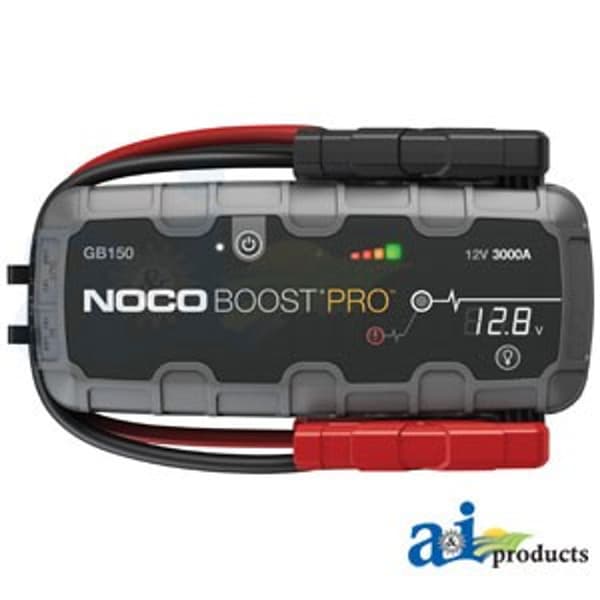
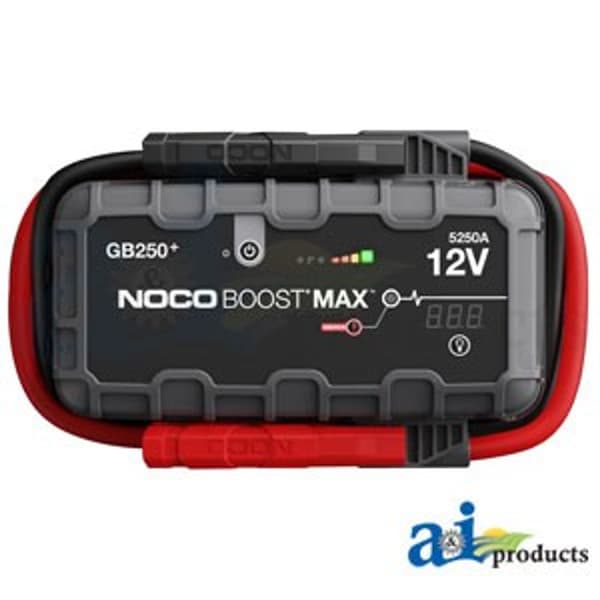
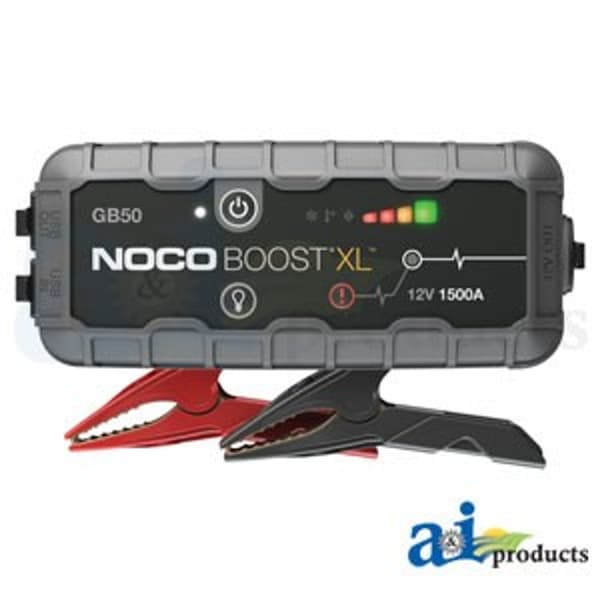
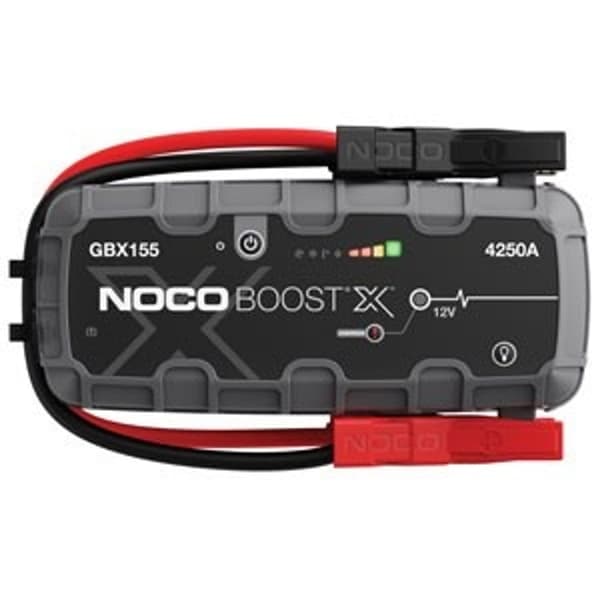
🔍 Looking for a specific part? Try our AI Part Finder — tell it your equipment and what you need, and it will find matching parts instantly.
Safety First!
Before you begin any electrical work on your tractor, disconnect the negative (-) battery cable. This prevents accidental shorts and potential electrical shock. Wear safety glasses to protect your eyes from battery acid or debris. Ensure the tractor is in park or neutral and the parking brake is engaged before starting any work. If you're working underneath the tractor, use properly rated jack stands to support it.
Step 1: Battery Inspection & Testing
The battery is the heart of your tractor's electrical system. A weak or discharged battery is the most common cause of a slow-cranking engine.
Visual Inspection
- Check the terminals: Look for corrosion around the battery clamps. Clean them with a wire brush and a solution of baking soda and water. Apply a battery terminal protector to prevent future corrosion.
- Inspect the cables: Ensure the battery cables are securely attached to the terminals and free from damage or breaks. Tighten any loose connections. Replace any damaged battery cables immediately.
- Check the battery case: Look for cracks or bulges in the battery case, which can indicate internal damage. If the battery case is damaged, replace the battery.
Battery Voltage Test
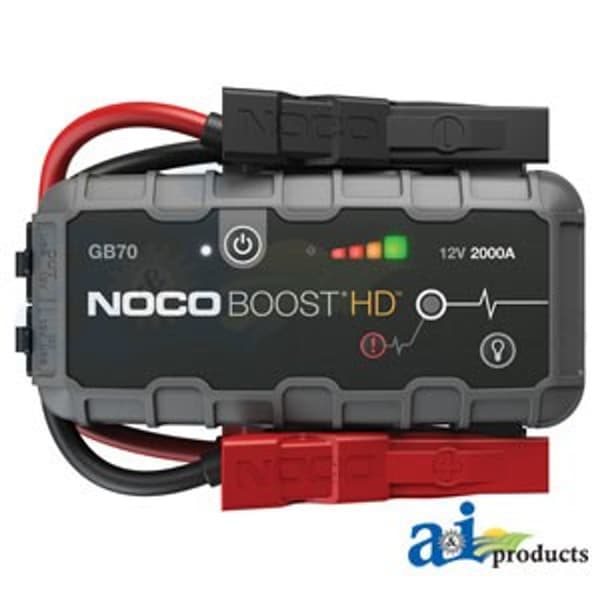
Use a multimeter to check the battery voltage. A fully charged 12-volt battery should read approximately 12.6 volts or higher. A reading below 12.4 volts indicates a partially discharged battery. A reading below 12 volts signifies a deeply discharged battery that may require replacement. If your battery is severely discharged or dead, a portable jump starter can provide the necessary boost to get your tractor running.
- Set your multimeter to DC voltage (typically 20V range).
- Connect the red (+) lead to the positive (+) battery terminal.
- Connect the black (-) lead to the negative (-) battery terminal.
- Read the voltage displayed on the multimeter.
Load Testing
A voltage test only shows the battery's static charge. A load test checks the battery's ability to deliver current under load. You can use a battery load tester for this. A load test applies a significant electrical load to the battery and measures its voltage drop. A healthy battery should maintain a voltage above 9.6 volts during the load test.
Many auto parts stores offer free battery testing services. This is a convenient way to get an accurate assessment of your battery's condition.
Battery Charging
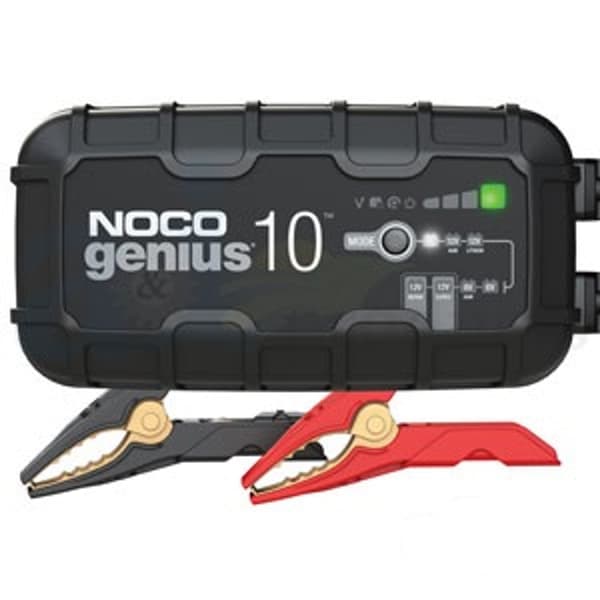
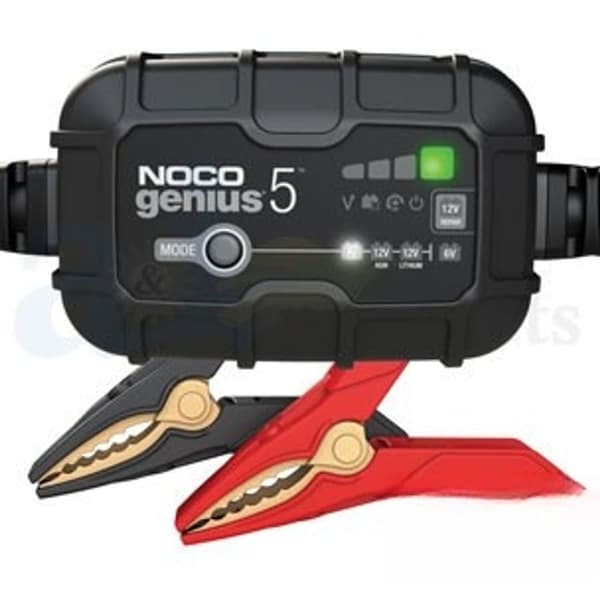
If the battery voltage is low, charge it using a battery charger. Consider a higher amperage charger for larger batteries or quicker charging. Follow the charger's instructions carefully. Overcharging can damage the battery. If the battery fails to hold a charge after being properly charged, it likely needs to be replaced.
Step 2: Starter Motor Inspection & Testing
If the battery is in good condition, the next step is to inspect the starter motor. The John Deere tractor starter and other brands are robust, but they can fail over time.
Visual Inspection
- Check the starter connections: Ensure the starter motor's electrical connections are clean and tight. Corrosion or loose connections can restrict current flow and cause a slow crank.
- Inspect the starter body: Look for any signs of physical damage to the starter motor. Cracks or dents can indicate internal damage.
- Check for excessive wear: If the starter is making unusual noises (grinding, clicking) during cranking, it may indicate worn-out internal components, such as a faulty starter drive.
Voltage Drop Test
A voltage drop test measures the voltage loss across the starter circuit. Excessive voltage drop indicates resistance in the circuit, which can reduce the current available to the starter.
- Connect the voltmeter leads to the starter solenoid terminals while someone attempts to crank the engine.
- Measure the voltage drop across the positive and negative cables. A voltage drop of more than 0.5 volts on either cable indicates a problem.
Starter Bench Test
The best way to test a starter is to remove it from the tractor and perform a bench test. This allows you to isolate the starter and test its performance independently.
- Secure the starter in a vise.
- Connect a heavy-duty jumper cable from the positive (+) battery terminal to the starter's solenoid terminal.
- Connect another jumper cable from the negative (-) battery terminal to the starter's case.
- Briefly touch the positive (+) cable to the small activation terminal on the solenoid. The starter should engage and spin freely.
If the starter fails to engage or spins slowly during the bench test, it likely needs to be rebuilt or replaced. Madison Tractor Company offers starters for various tractor models, including Ford tractor starter models, Case IH tractor starter motor replacements, and even Massey Ferguson starter motor options. We also carry Kubota starter motor parts.
Starter Replacement
Replacing a starter motor is a straightforward process. Always disconnect the battery before starting. Consult your tractor's service manual for specific instructions and torque specifications.
Step 3: Electrical System Inspection
If the battery and starter are in good condition, the problem may lie within the tractor's electrical system. This includes wiring, connections, and the charging system.
Wiring & Connections
- Inspect wiring harnesses: Look for damaged or corroded wiring throughout the electrical system. Pay close attention to the wiring near the starter and battery.
- Check ground connections: Ensure all ground connections are clean and tight. A poor ground connection can cause significant voltage drop and a slow crank. Clean any corroded ground connections with a wire brush and apply dielectric grease.
- Test the ignition switch: A faulty ignition switch can prevent the starter from receiving full voltage. Use a multimeter to test the switch's continuity in the start position.
Charging System
A malfunctioning charging system (alternator) can prevent the battery from fully charging, leading to a slow crank. A John Deere tractor alternator or other brand, when failing, will not keep your battery topped off.
- Check alternator output: Use a multimeter to measure the alternator's output voltage while the engine is running. The voltage should be between 13.5 and 14.5 volts.
- Inspect the alternator belt: Ensure the alternator belt is in good condition and properly tensioned. A worn or loose belt can reduce the alternator's output.
If the alternator is not charging properly, it may need to be repaired or replaced. Madison Tractor Company offers a wide selection of alternators for various tractor models, including Case IH tractor alternator replacements and Ford tractor alternator conversion kits.
Other Potential Causes
While battery, starter, and electrical issues are the most common culprits, other factors can contribute to a slow-cranking tractor.
- Engine Oil Viscosity: In cold weather, thick engine oil can increase cranking resistance. Use the proper weight oil for your climate.
- Compression Issues: Low compression can make the engine harder to turn over. Perform a compression test to check the engine's health.
- Fuel System Problems: While less common, issues like a clogged fuel filter or a malfunctioning fuel pump can indirectly affect starting by making the engine harder to initially fire.
Model-Specific Considerations
When troubleshooting starting issues, always consider your tractor's specific model and year. For example, older Ford tractors (2000-7000 series) might have different electrical systems compared to newer New Holland models. Consult your tractor's service manual for detailed diagrams and specifications.
Many tractors use a solenoid to engage the starter motor. Here's a very common OEM cross-reference number:
- Solenoid: 1114208
Madison Tractor Company carries a comprehensive selection of parts for various tractor brands and models, including John Deere, Case IH, Ford, New Holland, Massey Ferguson, Kubota, Allis Chalmers, Deutz, International Harvester, Oliver, White, Gleaner, Vermeer, Hesston, Mahindra, and Zetor. Whether you need radiators, water pumps, starters, alternators, hydraulic pumps, cylinders, clutch kits, PTO parts, fuel pumps, carburetors, injectors, filters, gaskets, pistons, bearings, seals, belts, chains, concaves, sickle sections, or any other part, we have you covered.
Shop Tractor Parts at Madison Tractor Company
Having a tractor that starts reliably is essential for getting work done. If you've identified a faulty starter, battery, or other electrical component, Madison Tractor Company can help. We offer a wide selection of high-quality replacement parts at competitive prices. Browse our online catalog or contact our knowledgeable staff for assistance in finding the right parts for your tractor. We're here to help you keep your equipment running smoothly. Shop Tractor Parts today!
🔍 Can't Find Your Part?
Use our AI-Powered Part Finder to search by your equipment's make, model, and what you need. It's the fastest way to find the exact part for your machine.
Try the Part Finder →Part of our comprehensive guide
Tractor Starter & Alternator Guide: Find the Right Parts