








Tractor Hour Meter: Replacement & Installation Guide
Keep accurate track of your tractor's runtime with a functioning hour meter. This guide covers hour meter types, troubleshooting, replacement, and installation tips to keep your equipment running smoothly.
Introduction to Tractor Hour Meters
The tractor hour meter is a crucial component for proper maintenance and tracking of your farm equipment. It accurately records the amount of time your tractor's engine has been running, allowing you to schedule timely servicing, oil changes other essential maintenance tasks. Without a properly functioning hour meter, you're essentially guessing when to perform these tasks, which can lead to premature wear, costly repairs decreased overall efficiency. At Madison Tractor Company, we understand the importance of keeping your equipment running smoothly, which is why we offer a wide selection of replacement tractor hour meters for various makes and models.
Recommended Parts for This Guide
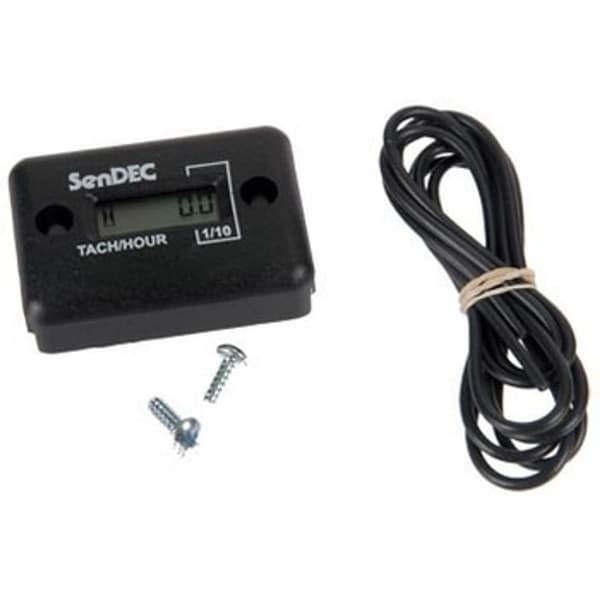
1 part we recommend — in stock, ships fast, one-click add to cart.
🔍 Looking for a specific part? Try our AI Part Finder — tell it your equipment and what you need, and it will find matching parts instantly.
Why a Functioning Hour Meter Matters
Beyond simply tracking engine hours, a working hour meter provides several key benefits
- Preventative Maintenance Knowing the exact engine hours allows you to adhere to the manufacturer's recommended maintenance schedule. This includes tasks like oil changes, filter replacements (fuel, air, hydraulic) lubrication of critical components.
- Accurate Record Keeping Hour meters provide documentation for warranty claims and resale value. A well-maintained tractor with accurate hour readings is more attractive to potential buyers.
- Cost Savings Regular maintenance based on accurate hour readings helps prevent major breakdowns, saving you money on costly repairs and downtime.
- Equipment Lifespan Proper maintenance extends the lifespan of your tractor and its components, maximizing your investment.
Types of Tractor Hour Meters
Tractor hour meters generally fall into two categories
- Mechanical Hour Meters These meters use a mechanical gear system driven by the engine's rotation. They are typically found on older tractors and are generally less accurate than electronic meters.
- Electronic Hour Meters These meters use electronic circuitry and sensors to record engine hours. They are more accurate and reliable than mechanical meters and are commonly found on newer tractors. They can be further divided into analog (with a needle) or digital (with an LCD display).
Troubleshooting a Faulty Hour Meter
Before replacing your tractor hour meter, it's important to rule out any other potential issues. Here's a basic troubleshooting guide
- Check the Wiring Inspect the wiring connections to the hour meter. Look for loose connections, corrosion, or damaged wires. Clean and tighten any loose connections. A visual inspection of the wiring harness relating to your tractor's electrical system, as well as your alternator and starter, is always a good idea.
- Check the Fuse If your tractor has a fuse for the hour meter, check to see if it's blown. Replace the fuse with the correct amperage rating.
- Test the Voltage Use a multimeter to check the voltage at the hour meter. Make sure it's receiving the correct voltage according to the manufacturer's specifications.
- Inspect the Drive Cable (Mechanical Meters) If you have a mechanical hour meter, inspect the drive cable for damage or kinks. Ensure it's properly connected to the engine.
If you've checked all these things and the hour meter still isn't working, it's likely that the meter itself is faulty and needs to be replaced.
Replacing Your Tractor Hour Meter: Step-by-Step Guide
Replacing a tractor hour meter is a relatively straightforward task that most farmers can do themselves. Here's a general step-by-step guide
- Safety First! Disconnect the negative battery cable before starting any electrical work on your tractor. This will prevent accidental short circuits.
- Locate the Hour Meter The hour meter is typically located on the instrument panel or dashboard.
- Remove the Old Hour Meter Depending on the model, the hour meter may be held in place by screws, clips, or a retaining ring. Carefully remove the fasteners and detach the hour meter from the panel.
- Disconnect the Wiring Disconnect the wiring harness from the old hour meter. Take note of the wire connections so you can connect them correctly to the new meter. If necessary, label the wires to avoid confusion.
- Install the New Hour Meter Connect the wiring harness to the new hour meter, making sure to match the wire connections correctly.
- Secure the New Hour Meter Secure the new hour meter to the instrument panel using the appropriate fasteners.
- Reconnect the Battery Reconnect the negative battery cable.
- Test the Hour Meter Start the tractor and verify that the hour meter is functioning correctly.
Important Notes
- Always consult your tractor's service manual for specific instructions and torque specifications.
- When replacing an electronic hour meter, make sure to choose a replacement with the correct voltage and connection type.
- For mechanical hour meters, ensure the drive cable is properly lubricated and connected to the engine.
Choosing the Right Replacement Hour Meter
Selecting the correct replacement hour meter is crucial for proper functionality and compatibility. Here are some factors to consider
- Make and Model Make sure the hour meter is compatible with your tractor's make and model. For example, a John Deere tractor requires a different hour meter than a Ford tractor or a Case IH tractor.
- Voltage Ensure the hour meter has the correct voltage (usually 12V or 24V).
- Connection Type Match the connection type of the new hour meter to the existing wiring harness.
- OEM vs. Aftermarket Consider whether you want to use an OEM (Original Equipment Manufacturer) hour meter or an aftermarket option. OEM hour meters are typically more expensive but offer guaranteed compatibility and performance. Aftermarket hour meters can be more affordable but may not always be a perfect fit.
Madison Tractor Company offers a wide selection of both OEM and aftermarket hour meters for various tractor brands, including John Deere, Case IH, Ford, New Holland, Massey Ferguson, Kubota, Allis Chalmers, Deutz, International Harvester, Oliver, White, Gleaner, Vermeer, Hesston, Mahindra Zetor. Our knowledgeable parts experts can help you find the right hour meter for your specific needs. We also carry all of the necessary components related to your tractor's electrical system, including starters, alternators, wiring harnesses more. Consider checking the condition of your tractor's Ford tractor starter or John Deere tractor alternator while you're working on your electrical system.
Example Part Numbers (Note: Always verify fitment with your specific model.)
- Case IH Hour Meter: 3134091R91 (Fits many Farmall models)
- Ford/New Holland Hour Meter: 81873316 (Used on various models)
Preventative Measures for Hour Meter Longevity
To extend the lifespan of your tractor hour meter, consider these preventative measures
- Protect from the Elements Keep the hour meter protected from rain, dust extreme temperatures.
- Ensure Proper Wiring Make sure the wiring connections are secure and free from corrosion.
- Avoid Overloads Avoid overloading the electrical system, which can damage the hour meter.
- Regular Maintenance Follow the manufacturer's recommended maintenance schedule for your tractor's electrical system. This could include periodically checking your Case IH alternator and Massey Ferguson starter.
Conclusion
A functioning tractor hour meter is essential for proper maintenance and prolonging the life of your valuable farm equipment. By following these guidelines for troubleshooting, replacement maintenance, you can ensure that your hour meter provides accurate readings and helps you keep your tractor running smoothly for years to come.
Remember that Madison Tractor Company is your trusted source for all your tractor parts needs, including hour meters, starters, alternators everything in between. Whether you need parts for your Kubota starter motor or a new Case IH tractor starter motor, we're here to help.
Shop our extensive selection of tractor parts today and keep your farm equipment in top condition!
Shop Tractor Parts at Madison Tractor You can also use our AI-Powered Part Finder to search for parts by your specific make and model.
Part of our comprehensive guide
Tractor Starter & Alternator Guide: Find the Right Parts